What to Do When Your Cat Hates Baths? Try These 5 Methods to Reduce Their Anxiety First
Many cat owners get nervous just hearing "give the cat a bath" because cats want to escape, cry, scratch, and hide after a bath. In reality, cats disliking baths is common. The key isn't to "wash them until they behave," but to first determine if a bath is necessary.
Many cat owners get nervous just hearing "give the cat a bath" because cats want to escape, cry, scratch, and hide after a bath. In reality, cats disliking baths is common. The key isn't to "wash them until they behave," but to first determine if a bath is necessary, and then complete the cleaning in a less stressful way.
Cats naturally spend a lot of time grooming themselves, and most healthy indoor cats don't need frequent baths. Situations that truly require intervention usually involve contact with grease, excrement, a vet's recommendation for medicated baths, severe matting in long-haired cats, or older, overweight, or sick cats unable to groom themselves effectively. If you simply feel they "smell a bit," it's often best to first check the litter box, mouth, ears, skin, and home humidity levels, rather than immediately resorting to a rinse.
Key takeaways
- Most healthy indoor cats spend a lot of time grooming themselves. Unless they get into grease, feces, require medicated baths, or have severe matting, regular spot cleaning and brushing are sufficient; frequent full baths are unnecessary.
- Before bathing, brush out loose fur and tangles. Wetting matted fur will make it tighter and harder to dry.
- Use a non-slip mat at the bottom of the sink or tub. Water temperature should be lukewarm, close to body temperature. Start wetting from the body, avoiding the head, face, and ears.
- Only use cat-specific, low-irritant cleaning products. Never use human shampoos or essential oil fragrances. Rinse thoroughly to prevent residue that can cause itching or dandruff.
- If the cat shows severe signs of distress during bathing, such as struggling violently, panting, open-mouth breathing, or becoming limp, stop the bath immediately, towel dry, keep them warm, and observe.
Why Do Cats Hate Baths? Understand What They're Afraid Of First
Many cats don't hate being clean; they hate the uncontrollable aspects of the bathing process. Loud water sounds, slippery floors, being suddenly wet, or being held without the ability to escape can all be stressful for cats. If they've had negative experiences with forceful rinsing or scary hairdryers in the past, they may become preemptively wary at the sight of the bathroom or a towel next time.
Cats' skin and sense of smell are also very sensitive. Cleaning products with strong fragrances, lingering foam on their fur, or not being completely dried after a bath can make them uncomfortable. Instead of aiming for a thorough clean in one go, try to set the goal as: safe, quick, low-irritation, and allowing the cat some sense of control.
Before Bathing, Ask: Is This Bath Really Necessary?
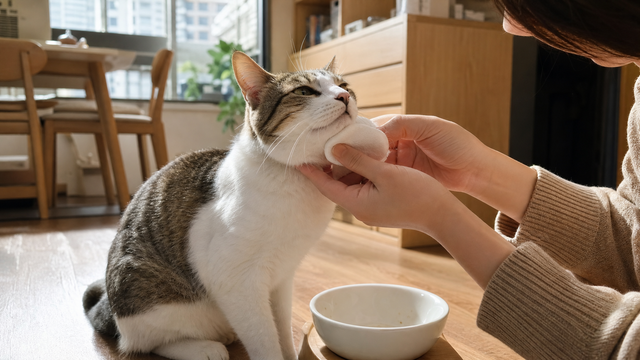
If your cat has only gotten slightly dirty in one spot, a full-body bath is usually unnecessary. You can try wiping the dirty area with a warm, damp towel and then drying it with a dry one. If their paws are dusty from the litter box or their chin has food residue, spot cleaning can also work. For cats that fear water, avoiding a full bath whenever possible is the most effective first step to reduce stress.
- Suitable for Spot Cleaning: Dirty paws, food on the chin, minor dirt on the tail.
- May Require a Bath: Contact with oil, large areas soiled with excrement, medicated baths as directed by a vet, dealing with severe matting in long-haired cats.
- Consult a Veterinarian First: Red, swollen skin, sudden increase in dander, frequent itching, abnormal hair loss, wounds on the body.
If your cat has heart disease, respiratory issues, epilepsy, severe anxiety, or is elderly and frail, it's even more recommended to discuss bathing with your vet beforehand. Cleaning is for care; it shouldn't increase health risks.
What we use for this
CatGarden’s own products, shipped from Taiwan Quick-Dry Pet TowelFrom CA$49.35 per pieceFree shipping on multi-packs
Method 1: Brush Before Bathing to Reduce Pulling and Bath Time
Brushing out loose fur, tangles, and litter dust before the bath can speed up the rinsing process. This is especially true for long-haired cats, as knots can tighten when wet, making drying more difficult. Don't pull hard when brushing. If you encounter mats close to the skin, red or swollen skin, or if the cat shows clear signs of pain, it's best to leave it to a professional groomer or veterinarian.
You can break down brushing into short, few-minute sessions, accompanied by treats or praise. Many cats aren't resistant to grooming itself, but rather to being held down for too long at once. The smoother the pre-bath grooming goes, the shorter the time they'll actually spend in water, and their stress levels will decrease.
Method 2: Turn the Bathroom into a "Less Out-of-Control" Environment
Cats' biggest fears during baths are slipping and sudden noises. It's recommended to place non-slip mats or towels at the bottom of the sink or tub. Adjust the water temperature to be lukewarm, close to body temperature, and not too hot. The showerhead's water pressure should be gentle, and the sound of the water as soft as possible. If your cat is very afraid of water sounds, you can also prepare a basin of warm water and use a cup to pour it slowly.
- Have towels, shampoo, brushes, and drying tools ready before you start; don't search for things mid-bath.
- Close doors and windows, but don't chase the cat into the bathroom.
- Trimming nails can reduce the risk of injury, but don't do it forcefully right before the bath.
- Avoid feeding your cat a large meal right before the bath to reduce the chance of nervous vomiting.
If you need another person to help, keep the division of labor simple: one person stabilizes the cat's position, and the other quickly washes. Avoid having multiple people surrounding the cat, talking, or taking pictures, as this will make them more panicked.
Method 3: Start from the Body, Avoiding the Head, Face, and Ears
When actually getting the cat wet, it's recommended to start by slowly wetting the back, sides of the chest and abdomen, and limbs, avoiding spraying the head directly. Water getting into a cat's ears can cause discomfort, and the face can be wiped with a damp towel instead. Use a cat-specific, low-irritation shampoo with a mild scent, diluted according to the instructions. Never use human shampoo or essential oil products.
You don't need to create a lot of lather when scrubbing; the focus is on cleaning the dirty areas and rinsing thoroughly. Residual cleaning agents can cause itching, dandruff, or lead to excessive licking after the bath. If the cat begins to struggle violently, pant, breathe with its mouth open, or becomes limp, stop immediately, towel dry, keep them warm, and observe their condition. Seek veterinary attention if necessary.
Method 4: Absorb Water First, Then Dry with Low Pressure
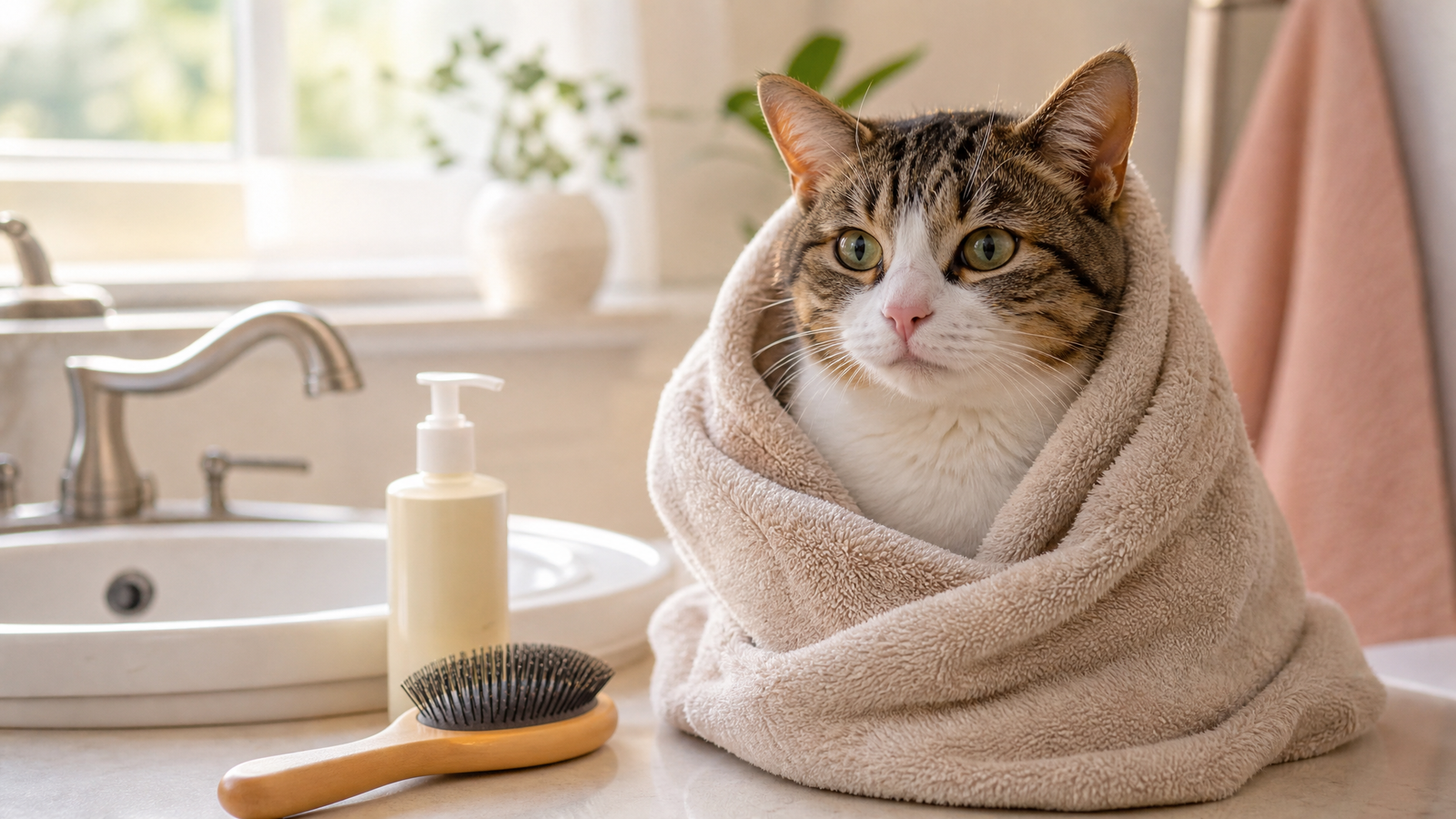
After washing, don't immediately blast your cat with strong wind. First, wrap them in a large towel and gently press to absorb water; avoid vigorous rubbing. Short-haired cats in a warm, well-ventilated environment might only need low-temperature, low-airflow assistance. For long-haired cats, kittens, elderly cats, or during humid weather, pay more attention to whether the fur at the roots is truly dry.
You can turn on the hairdryer at a distance first to let the cat get used to the sound, then slowly move closer. Don't hold the nozzle in one spot, and don't use high heat. If your cat is extremely fearful of hairdryers, consider a pet drying box or professional grooming services experienced with cats, but ensure proper ventilation, temperature control, and constant supervision.
Method 5: Don't Socialize Immediately After the Bath; Let Them Recover on Their Own
Post-bath comfort isn't about constantly holding them and saying "it's okay." It's about providing a safe corner, clean water, and familiar blankets so they can process their emotions independently. Offer treats or toys when they are willing to approach, reinforcing the feeling that "after the bath, life returns to normal and safe."
Observe them for the next 24 hours for any signs of persistent licking in one spot, red skin, ear scratching, decreased energy or appetite, sneezing, or shivering. If they are clearly uncomfortable after the bath, don't quickly attribute it to being moody; it could be due to cleaning agents, temperature changes, incomplete drying, or pre-existing skin issues.
Can Dry Shampoo Replace Baths?
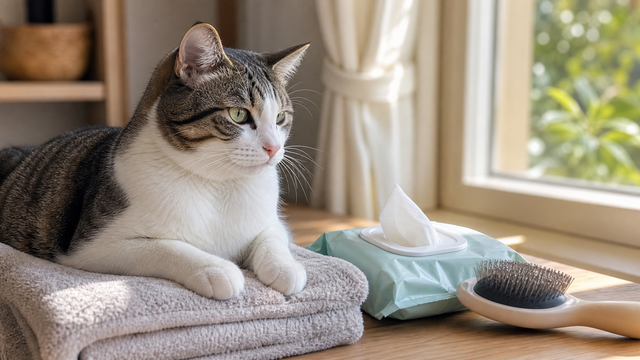
Dry shampoos, cleaning wipes, or rinse-free products are suitable for quick deodorizing and spot cleaning but cannot solve all problems. For grease, excrement, large areas of dirt, or medical medicated baths, dry cleaning is usually insufficient. Always check the ingredients before use, avoiding heavy fragrances and essential oils unsuitable for cats. Observe for itching or increased licking after use.
For cats that are extremely afraid of water, dry shampoo can be used as a transitional tool: first, establish habits of being wiped, brushed, and wrapped in a towel, then gradually introduce them to water basins and bathrooms. Don't expect your cat to love baths after one training session; reducing their fear is progress.
When Is It Recommended to Seek Professional Cat Grooming?
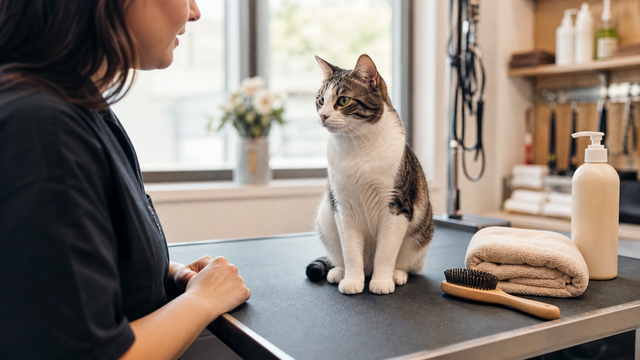
If your cat is highly aggressive, has severe matting in long fur, is soiled with excrement, you've been scratched before, or you don't have safe drying equipment at home, consider a groomer experienced with cat behavior. Before booking, inquire about appointment-only services, whether they separate cats from dogs, if they can pause the session based on the cat's condition, if they use cat-specific products, and if someone will be present to observe the bathing and drying process.
"Professional" doesn't necessarily mean a full SPA; it means being able to assess the cat's stress threshold. If the grooming process severely traumatizes the cat, future care will only become more difficult. When choosing a salon, communication methods and safety protocols are more important than fancy services.
Frequently Asked Questions FAQ
How Often Should a Cat Be Bathed?
Most healthy indoor cats do not require a fixed bathing schedule. If there's no large area of dirt, no medical skin needs, or no long-hair grooming issues, regular brushing and spot cleaning are usually sufficient.
Can I Force a Cat That Hates Baths?
Forcing is not recommended. Compulsory restraint can lead to scratches and bites, and it will instill a stronger fear of the bathroom, towels, and the owner in the cat. It's better to reduce the cleaning area, minimize water sounds and duration, and seek professional help if necessary.
Can I Use Human Shampoo to Bathe My Cat?
It's not recommended. Cats' skin and metabolic characteristics differ from humans. Human shampoos, fragrances, or essential oil products can irritate their skin and even pose health risks. Use cat-specific, low-irritation cleaning products.
Is It Normal for a Cat to Lick Its Fur Constantly After a Bath?
Some licking to groom is normal. However, if the cat continuously licks one spot, scratches, has red skin, or seems lethargic, pay attention to potential residual cleaning agents, incomplete drying, or skin discomfort.
Is It Suitable to Send a Water-Averse Cat for Grooming?
Yes, but choose a salon with cat experience, a quiet environment, and staff willing to adjust the process based on the cat's condition. If the cat has health issues or extreme stress, consult your veterinarian before arranging grooming.
Further Reading
- What to Do When Your Cat Suddenly Develops More Dander? Check Bathing Frequency, Humidity, and Diet First
- Is It Normal for a Cat to Lick Its Fur Constantly After a Bath? Observations and Recommendations from a Cat Hotel That Bathes Cats Daily
- How to Choose Cat Shampoo? A Safety Guide to Fragrances, Human-Pet Shared Products, and Sensitive Skin Cleansing
- Can Cat Dry Shampoo Replace Baths? Gentle Cleaning, Skin Risks, and Selection Guide for Water-Averse Cats
If every bath for your cat feels like a battle, don't rush to blame them. By adjusting whether a bath is truly necessary, using spot cleaning, pre-bath brushing, and low-pressure drying, you can usually reduce conflicts significantly. If you need cleaning care during your absence or want to assess if your cat is suitable for professional grooming, discuss it with a cat hotel or experienced cat caregiver in advance, turning cleaning into care rather than a source of stress.
FAQ
How often do cats need baths?
Most healthy indoor cats do not require baths on a fixed schedule. As long as there are no large soiled areas, no need for medicated baths for skin conditions, or issues with long fur care, regular brushing and spot cleaning are usually enough.
Can I use human shampoo to bathe my cat?
No. Cats' skin and metabolism differ from humans. Human shampoos, fragrances, or essential oil products can easily irritate a cat's skin and even pose health risks. Always use cat-specific, low-irritant cleaning products.
Is it normal for my cat to lick its fur excessively after a bath?
Some grooming shortly after a bath is normal. However, if the cat continuously licks the same spot, scratches, has red skin, or seems unwell, check for shampoo residue, incomplete drying, or skin discomfort.
Can dry shampoo mousse completely replace bathing with water?
Dry shampoo mousse is suitable for temporary deodorizing and spot cleaning. However, it cannot replace a water bath if the cat has gotten into grease, has large areas soiled with feces, or requires a medicated bath.
CatGarden offers curated supplies, cat boarding, and grooming
Book services or shop online.