What to Do About Sudden Increase in Cat Dandruff? Check Bathing Frequency, Humidity, and Diet First
When petting your cat, you notice small white flakes on its back, near the base of its tail, or around its shoulder blades. Many owners' first reaction is: "Have I not bathed them enough?" However, increased dandruff doesn't necessarily mean your cat is dirty, nor will more frequent baths necessarily fix it.

When petting your cat, you notice small white flakes on its back, near the base of its tail, or around its shoulder blades. Many owners' first reaction is: "Have I not bathed them enough?" However, increased dandruff doesn't necessarily mean your cat is dirty, nor will more frequent baths necessarily fix it. A cat's skin is more sensitive than a human's. Over-cleaning, shampoo residue, dry air, imbalanced oil metabolism, insufficient dietary nutrition, or even fleas, fungi, or allergies can all cause dandruff to become suddenly noticeable.
If your cat's energy and appetite are normal, and their skin isn't red, swollen, or broken, you can start by checking their daily habits. However, if accompanied by constant scratching, licking leading to bald spots, scabs, odor, or redness, it's not advisable to delay seeking professional help with just home care. This article outlines several areas owners can check when their cat's dandruff increases.
Key takeaways
- Increased dander in cats isn't always due to being dirty. Over-bathing can strip the skin of its natural protective oils, leading to dry fur and more dander.
- Prolonged use of air conditioning or dehumidifiers can make the indoor environment too dry. Deficiencies in protein, essential fatty acids (like Omega-3), or insufficient water intake can also cause feline skin dehydration and dander.
- If dander is accompanied by redness, scabs, circular hair loss, excessive licking leading to broken skin, or a foul odor, or if it doesn't improve after 1-2 weeks of adjusting cleaning habits and environment, seek veterinary attention promptly to rule out fungal or parasitic infections.
Increased Cat Dandruff Isn't Just About Being "Too Dirty"
1. Bathing Too Frequently Strips Protective Oils
Healthy cats typically groom themselves and don't need frequent baths like dogs. If you've recently increased bathing frequency due to shedding, odor, or grooming appointments, the skin's natural oils may be washed away, leading to dry, rough fur and increased dandruff. This is especially true if baths are given in quick succession, the drying temperature is too high, or the shampoo isn't completely rinsed out, all of which can make the skin more uncomfortable.
2. Unsuitable or Residual Shampoo
Cats are not suited for human shampoos, heavily fragranced cleaning products, or unclear "pet-human shared" products. Fragrance isn't a standard for cleanliness; for cats with sensitive skin, overly perfumed or overly degreasing formulas can cause dryness. If your cat constantly licks, shakes, or develops more dandruff after a bath, besides stress, you should also suspect shampoo residue.
3. Indoor Air Too Dry, Skin Becomes Dehydrated
Prolonged use of air conditioning or dehumidifiers, or dry winter air, can also dry out a cat's skin. This type of dandruff often appears on the back, waist, and base of the tail. The fur might feel a bit fluffy, and static electricity may be noticeable. If your cat isn't significantly itchy and their energy and appetite are good, first observe if the indoor humidity is consistently below a comfortable range, and avoid placing the cat's bed directly in the path of air conditioning or near a dehumidifier.
4. Insufficient Dietary Fats and Proteins
Skin and fur require stable protein, essential fatty acids, and micronutrients. If your cat is a picky eater, only eats treats, or has an unbalanced main diet, or if their fur has become dry and shedding has increased after a recent change in food, it may reflect in their skin condition. Omega-3 fatty acids, high-quality animal protein, and adequate hydration are crucial for maintaining the skin barrier. However, before supplementing, consider the cat's age, kidney health, and daily diet.
What we use for this
CatGarden’s own products, shipped from Taiwan Quick-Dry Pet TowelFrom CA$49.35 per pieceFree shipping on multi-packs
4 Home Checks to Perform First
- Check Skin Color: Gently part the fur to observe for redness, swelling, black spots, scabs, bald patches, or circular hair loss.
- Note Dandruff Location: Widespread dry flakes often relate to dryness or cleaning issues; localized clusters behind the ears, on the neck, or at the tail base warrant attention for parasites or excessive scratching.
- Recall Recent Changes: Have you recently switched food, shampoo, moved, used air conditioning/dehumidifier, had a grooming session, or experienced increased stress?
- Observe Behavior: If your cat constantly scratches, licks, or bites a specific area, or resists being touched in a particular spot, it's more than just a cosmetic issue.
What Home Care Can You Do?
Reduce Bathing Frequency, Opt for Gentle Local Cleaning
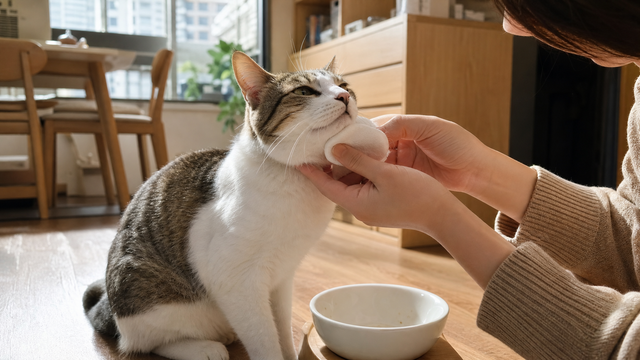
If your cat is only locally soiled, start by wiping with a warm, damp towel or cleaning specific areas like the paws or hindquarters. A full bath isn't always necessary. When bathing is required, choose a cat-specific, low-irritant shampoo that rinses easily. Ensure the drying process isn't too hot and doesn't pull on matted fur.
Establish a Brushing Routine, But Don't Force It
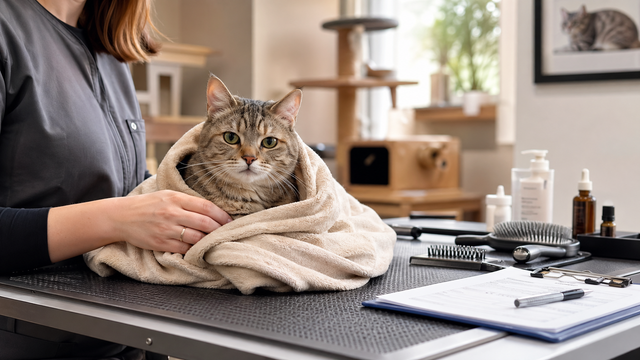
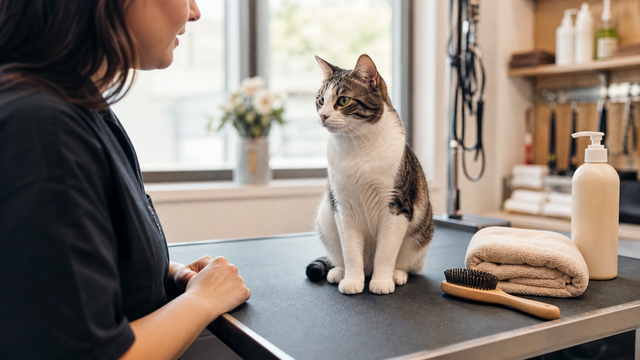
Regular brushing removes loose fur and dander, and helps you detect skin abnormalities earlier. Short-haired cats can be brushed a few times a week; long-haired cats require more frequent grooming. If mats have already formed, do not force them out, as pulling can cause pain and even wounds. Severe mats can be handled by a groomer or veterinarian familiar with cats.
Adjust Humidity and Resting Environment
Keep indoor areas well-ventilated and avoid direct air conditioning drafts. If your home is frequently dehumidified, pay attention to the hygrometer readings rather than relying solely on how it feels. Cat beds, blankets, and frequently used resting spots should also be cleaned regularly to minimize the buildup of dust, dander, and allergens.
Focus on Diet and Hydration
If dandruff is accompanied by rough, dull fur, check if the main diet is a complete and balanced formula, and increase water sources like drinking fountains, wet food, or broths. Supplements aren't always better; especially for senior cats, cats with kidney disease, or those on medication, it's best to consult a veterinarian before adding fish oil or skin supplements.
When to See a Veterinarian
If the dandruff is minor and your cat isn't itchy or scratching, adjusting cleaning, humidity, and diet for 1-2 weeks is usually sufficient. However, if any of the following occur, it's recommended to schedule a veterinary examination to avoid delays in treating potential fungal infections, fleas, allergies, or endocrine issues.
- Skin is red, swollen, scabbed, oozing, or has a noticeable odor.
- Circular hair loss, bald patches appear, or family members also develop itchy skin.
- Your cat is constantly scratching, licking, biting, or even licking to the point of broken skin.
- Dandruff suddenly increases significantly, accompanied by weight loss, changes in appetite, or decreased energy.
- There are multiple cats in the household, and other cats are also experiencing itching or hair loss.
Don't Make "Getting Clean" the Only Solution
When your cat's dandruff increases, the most important thing is to find the cause, not to rush into more cleaning. Some cats need less bathing, some need improved humidity, and others require attention to diet or skin conditions. Owners can start by recording the location of the dandruff, bathing times, products used, dietary changes, and the degree of itching. This information is very helpful for veterinary diagnosis.
If you are establishing a gentle cleaning routine for your cat, start with cat-specific shampoo, a quick-drying towel, regular brushing, and a balanced diet. If skin is already red or broken from scratching, put "buying supplements" aside for now and let a vet confirm the cause for peace of mind.
Frequently Asked Questions FAQ
Can I bathe a cat with dandruff?
Yes, but it's not always necessary. If the dandruff is due to dryness or over-cleaning, bathing again might worsen it. If your cat's coat is greasy, sticky, or has an unusual odor, use a cat-specific, low-irritant shampoo, rinse thoroughly, and dry completely.
Is cat dandruff contagious to humans?
General dry dandruff is not contagious. However, if it's due to fungus, fleas, or certain skin infections, it could affect other animals or people. If circular hair loss or scabs appear, or if family members develop itchy skin, seek veterinary attention promptly.
Can I give my cat fish oil for increased dandruff?
Fish oil's Omega-3 fatty acids can benefit skin health, but not all cats are suitable for self-supplementation. For kittens, senior cats, cats with kidney disease, a history of pancreatitis, or those on medication, it's recommended to consult a veterinarian regarding dosage and suitability.
Will brushing make dandruff worse?
Initially, brushing can bring out dandruff trapped in the fur, making it appear to increase. If your cat's skin isn't red or itchy, continue gentle brushing and observe. If the skin becomes redder with brushing, or if the cat resists or shows pain, stop and check the skin.
How long should I wait before seeing a vet for cat dandruff?
If symptoms persist significantly after 1-2 weeks of adjusting cleaning, humidity, and diet, or if itching, hair loss, scabs, odor, or changes in energy or appetite occur at any time, don't wait. Schedule a veterinary examination immediately.
This article was written by the Cat Care Team based on years of practical experience at Banqiao Pure Cat Hotel, for owner reference only. Please consult a veterinarian for any health concerns. If you need to arrange cat boarding or grooming services, you're welcome to use CatGarden's AI Smart Recommendation System to find the most suitable plan based on your cat's condition. All reservation information is managed in the cloud.
CatGarden | Banqiao Villa-Style Pure Cat Hotel, Offering Boarding and Grooming Services.
Further Reading
- Is it Normal for Cats to Lick Constantly After Bathing? Observations and Advice from a Cat Hotel
- How to Choose Cat Shampoo? Fragrance, Pet-Human Shared Products, and Sensitive Skin Safety Guide
- What to Feed a Cat with Dull Fur? Omega-3, Amino Proteins, and Gut Health Guide
- Can Cat Dry Shampoo Mousse Replace Baths? Gentle Cleaning, Skin Risks, and Selection Guide for Water-Averse Cats
For stable cat skin, daily care is more important than using many products at once. Start with gentle cleaning, drying, warming, regular brushing, and a balanced diet. If you need to choose cat shampoo, quick-drying towels, or daily nutritional supplements, you can find suitable options for home care at CatGarden.
→ Learn about CatGarden's Pure Cat Grooming Services
FAQ
Can I bathe my cat if it has dander?
Yes, but it's not always necessary. If the dander is due to dryness or over-cleaning, bathing can make the skin drier. If bathing is needed, use a cat-specific, low-irritant shampoo and rinse and dry thoroughly.
Is feline dander contagious to humans?
सामान्य dry dander is not contagious. However, if the dander is caused by skin infections like fungus or fleas, it can affect humans or other animals. If family members experience itchy skin or the cat has circular hair loss, consult a vet immediately.
Can giving my cat fish oil help with increased dander?
Omega-3 fatty acids in fish oil can support the skin barrier, but not all cats are suitable for self-supplementation. Consult a veterinarian before supplementing kittens, senior cats, cats with kidney disease, or those with a history of pancreatitis.
Why does my cat's dander seem to increase when I brush it?
Initially, brushing can bring out loose fur and dander trapped deep in the coat, making it appear more abundant. As long as the cat's skin isn't red or itchy, continue gentle brushing.
How long should I wait before seeing a vet if my cat's dander doesn't improve?
After adjusting cleaning frequency, indoor humidity, and diet, if there's no improvement after 1-2 weeks, or if redness, bald spots, scabs, or changes in behavior or appetite occur during this period, seek veterinary examination immediately.
CatGarden offers curated supplies, cat boarding, and grooming
Book services or shop online.