Why Do Cats Knead? Understanding the Instinct from Kittenhood to Emotional Cues, and Is Biting Normal While Kneading?
Cat kneading is an instinctive behavior retained from kittenhood when they nurse. For adult cats, it usually signifies relaxation, comfort, and trust. This article explains the origins of kneading, its emotional signals, and addresses common concerns like biting during kneading and why cats choose specific targets.
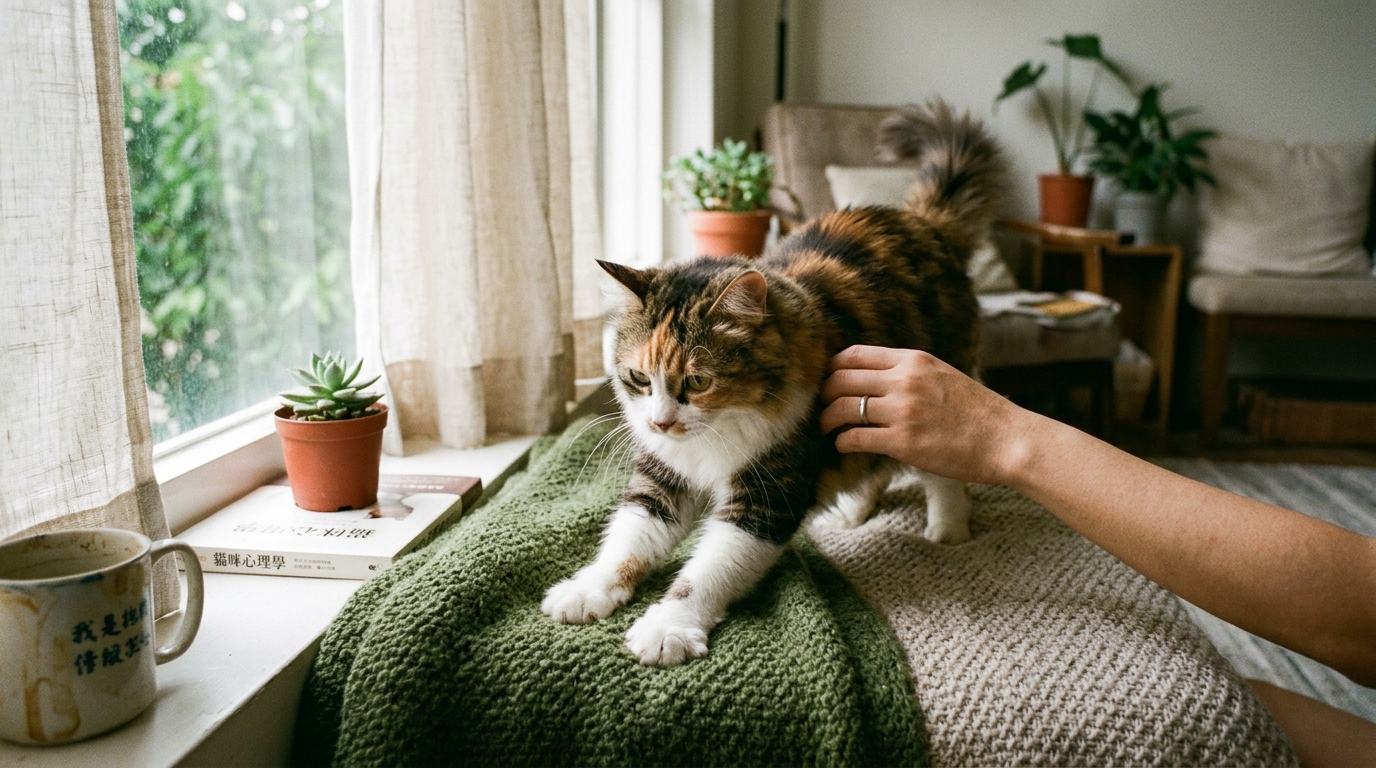
Cat kneading, also known as "making biscuits," is a relaxing instinct where they treat you (or a blanket, or a piece of clothing) like their "mother cat" from kittenhood. Simply put, the meaning of cat kneading is "I feel safe and comfortable right now," and the object of their kneading is usually someone or something they trust and feel most secure with.
If your cat's kneading is making your legs go numb but you're reluctant to move them, congratulations – this is the highest form of trust certification from your feline friend.
Key Takeaways
- Kneading (or "making biscuits") originates from kittens pressing their front paws on their mother's belly to stimulate milk flow during nursing, a behavior they retain into adulthood.
- For adult cats, kneading most commonly signifies relaxation, comfort, and trust, often accompanied by purring, squinting, and slow blinks.
- "Biting while kneading" is usually a normal self-soothing or slightly excited behavior. If the bite is gentle and not aggressive, there's no need to worry.
- When cats knead only specific people or materials, it indicates they associate that target with feelings of "security and nursing memories," which is a preference, not a bad habit.
- If kneading suddenly becomes excessive, accompanied by anxiety or skin-biting, it might be necessary to address environmental stress or separation anxiety.
What Exactly is Cat Kneading?
"Kneading" and "making biscuits" refer to the same action: cats using their front paws, alternating left and right, to rhythmically press on soft surfaces, much like kneading dough. Sometimes they extend their claws slightly.
This behavior has a very cute origin – during kittenhood nursing.
It All Starts with Kitten Nursing
Newborn kittens are blind and unsteady. They rely on their sense of smell to find their mother's nipples and then press their front paws rhythmically on the mother cat's belly to stimulate milk production and ensure a steady flow. This "kneading" action is almost an innate survival skill.
We've cared for several litters of kittens in our shop, and even those whose eyes weren't open yet would diligently push their paws while nursing. This is the most fundamental answer to why cats knead – it's a deeply ingrained nursing instinct.
Why Do They Still Do It When They Grow Up?
Logically, this behavior shouldn't be necessary after weaning. However, many cats strongly associate "kneading" with the "warm and safe feeling of being held by their mother while nursing."
So, when adult cats knead, they are essentially recreating the most comforting situation from their kittenhood. When they knead on your lap or your favorite blanket, it means they are feeling just as content as they were nestled in their mother's embrace – completely relaxed.
What we use for this
CatGarden’s own products, shipped from Taiwan Premium CatnipFrom US$25.30 per jarFree shipping on multi-packs
How to Interpret a Cat's Emotions and Trust Signals While Kneading
Kneading isn't just a nostalgic act; it's also a clear expression of emotion. To understand your cat's feelings, you can observe other body language cues.
These Signals Indicate "I'm Comfortable and Trust You"
- Purring: Kneading accompanied by purring is almost a "full happiness" combination.
- Squinting, Slow Blinks: When a cat slowly blinks at you, it's their version of "I love you."
- Relaxed Body, Limpness: They aren't tense or ready to fight; their whole body is relaxed on you.
- Kneading on You: They categorize you as a "safe base." Similar to licking your hand or sleeping beside you, it's a sign of affection.
For a more comprehensive understanding of your cat's intimate signals, you can refer to our articles on What Does Cat Licking Mean? Reasons for Licking Hands and You, and Interpreting Your Cat's Affection and What Does Your Cat's Sleeping Position Mean? Interpreting Postures, Locations, and How Much They Love You. Looking at kneading, sleeping positions, and licking together will give you a better insight into your cat.
It Might Also Be "Marking Territory" or "Preparing a Nest"
Cats have scent glands in their paw pads. When they knead, they leave their scent on blankets or you, essentially saying, "This is my territory." Mother cats often exhibit strong kneading behavior before giving birth as they prepare a safe space.
Is It Normal for Cats to Bite While Kneading?
This is probably one of the most frequently asked questions we receive: "They start biting the blanket (or my hand) while kneading, are they angry?"
In most cases, it's normal.
Why They Bite While Kneading
- Recreating Nursing Actions: Kittens naturally suckle while kneading. So, adult cats who knead and gently mouth or bite soft objects are reenacting the entire nursing behavior.
- Self-Soothing: Just like some people bite their nails or hug pillows, cats use gentle biting to relax themselves.
- Overexcitement: When they are extremely comfortable and content, their emotions can overflow, and they release this energy through gentle biting.
When "Biting" Needs Attention
The key to determining if cat kneading and biting is normal lies in the force and intent:
- Gentle biting, like mouthing, without breaking the skin → Normal contentment behavior, no need to stop.
- Sudden, forceful biting, ears flattened back, tail flicking → This might indicate they've had enough or are becoming uncomfortable. In this case, stop the interaction and give them space.
If they are biting blankets or clothing and swallowing fibers, you should be concerned. Long-term ingestion of foreign objects can lead to gastrointestinal problems. To prevent this, put away old clothes they tend to chew and replace them with safe, designated toys. Also, ensure proper care by understanding What to Do If Your Cat Constantly Vomits Hairballs? Hairball Prevention, Grooming, and Dietary Solutions.
Why Do Cats Knead Only Specific People or Materials?
Kneading "People"
If your household has several people, but your cat only favors you, don't doubt it – you are the one they feel most secure with. They associate your body heat, scent, and heartbeat with the feeling of "safety, like a mother."
Kneading "Materials"
Cats particularly love to knead soft, fuzzy, warm materials, or those with familiar scents, such as thick blankets, plush jackets, or your freshly removed clothes. These textures most closely resemble their mother's soft belly.
Incidentally, many people mistake the loose skin on a cat's belly for weight gain. In reality, it's a normal anatomical feature. For more details, see What is a Cat's Primordial Pouch? Its Purpose, and Whether It Means Your Cat is Overweight.
Encouraging Kneading in the Right Places
If you don't want your cat constantly kneading your legs or chewing on clothes, you can provide a dedicated kneading blanket. Place it in their usual resting spot and perhaps sprinkle some catnip to increase its appeal. We often use Premium Catnip at our shop to guide cats' attention to a designated spot, which is quite effective and can reduce their "enthusiasm" for your arms.
Should You Stop Kneading? What Owners Can Do
Kneading itself is a healthy and normal behavior, and in principle, it doesn't need to be stopped. However, if it causes discomfort or scratches, you can make adjustments:
- Trim Nails: Regularly trim your cat's nails. This will make kneading less painful and reduce the chance of scratching your skin.
- Lay Down a Blanket: Place a thick blanket on your lap so they can knead comfortably without hurting you.
- Don't Push Them Away Suddenly: Suddenly pushing them off can startle them and make them lose their sense of security with you. When you want to end the interaction, gently move them to a nearby kneading blanket.
- Observe for Excessiveness: If kneading frequency suddenly increases dramatically, accompanied by excessive grooming or anxiety, it might be a stress signal. In this case, review environmental changes. If you frequently need to leave home, it's also advisable to understand Why Does Your Cat Freak Out When You Leave? Recognizing Signs of Separation Anxiety and How to Improve It.
When Traveling, Don't Break Their Sense of Security
Kneading reflects "security." Therefore, cats are most likely to become anxious when changing environments. If you need to travel, we recommend bringing their familiar kneading blanket with them to the boarding facility. The familiar scent can significantly reduce their anxiety. This is a small detail we always remind owners of when they Book Boarding.
Frequently Asked Questions
What does cat kneading mean?
It primarily signifies relaxation, comfort, and trust, stemming from their kitten nursing instincts. When adult cats knead, they are usually in a good mood, treating you or a blanket as a safe haven, much like their mother.
Is it normal for cats to bite while kneading?
Mostly, yes. Gentle mouthing or biting of blankets or your hand is usually a sign of contentment, self-soothing, or overexcitement. As long as the bite is gentle and not aggressive, it's normal. If they suddenly bite hard with their ears back, it means they want to end the interaction, so stop and give them space.
Why does my cat only knead me?
Because you are the person they feel most secure with. Your body heat, scent, and shared experiences connect you to the feeling of safety they had when being cared for by their mother as a kitten. This is a high level of trust.
Should I see a vet if my cat kneads constantly?
Occasional kneading is completely normal and doesn't require veterinary attention. However, if the frequency suddenly increases significantly, accompanied by excessive grooming, anxiety, or biting until the skin breaks, it could be due to stress or separation anxiety. First, try to adjust the environment. If symptoms persist or worsen, consult a veterinarian.
Can catnip help guide kneading behavior?
Yes. Sprinkling catnip on a dedicated kneading blanket can attract your cat to knead in a specific spot, reducing their tendency to knead on you or chew on clothes. It also serves as a great way to relieve stress and interact.
This article was written by the CatBackyard editorial team, combining frontline experience from cat hotels and grooming services. It is intended for general care reference only. If your cat exhibits abnormal behavior or health concerns, please consult a professional veterinarian.
CatGarden offers curated supplies, cat boarding, and grooming
Book services or shop online.