Blog
Do Cat Pheromones Work? A Guide for Nighttime Crying, Inappropriate Urination, and Travel Anxiety
Key Takeaways
- Cat pheromones are products that mimic feline facial, mammary, or social signals to convey security and familiarity. They are not sedatives, and their effects typically take time to observe.
- Pheromone sprays should not be applied directly to cats. Instead, spray them on carriers, bedding, or environmental items and allow the alcohol to evaporate before the cat comes into contact.
- If no changes are observed after two to four weeks of using cat pheromones, it may indicate that the source of stress hasn't been addressed, not that the product is entirely ineffective or the cat is untreatable.
- Sudden inappropriate urination, blood in urine, reduced urine output, or difficulty urinating should not be solely attributed to stress. Seek veterinary attention promptly, especially for male cats at risk of urinary blockage.
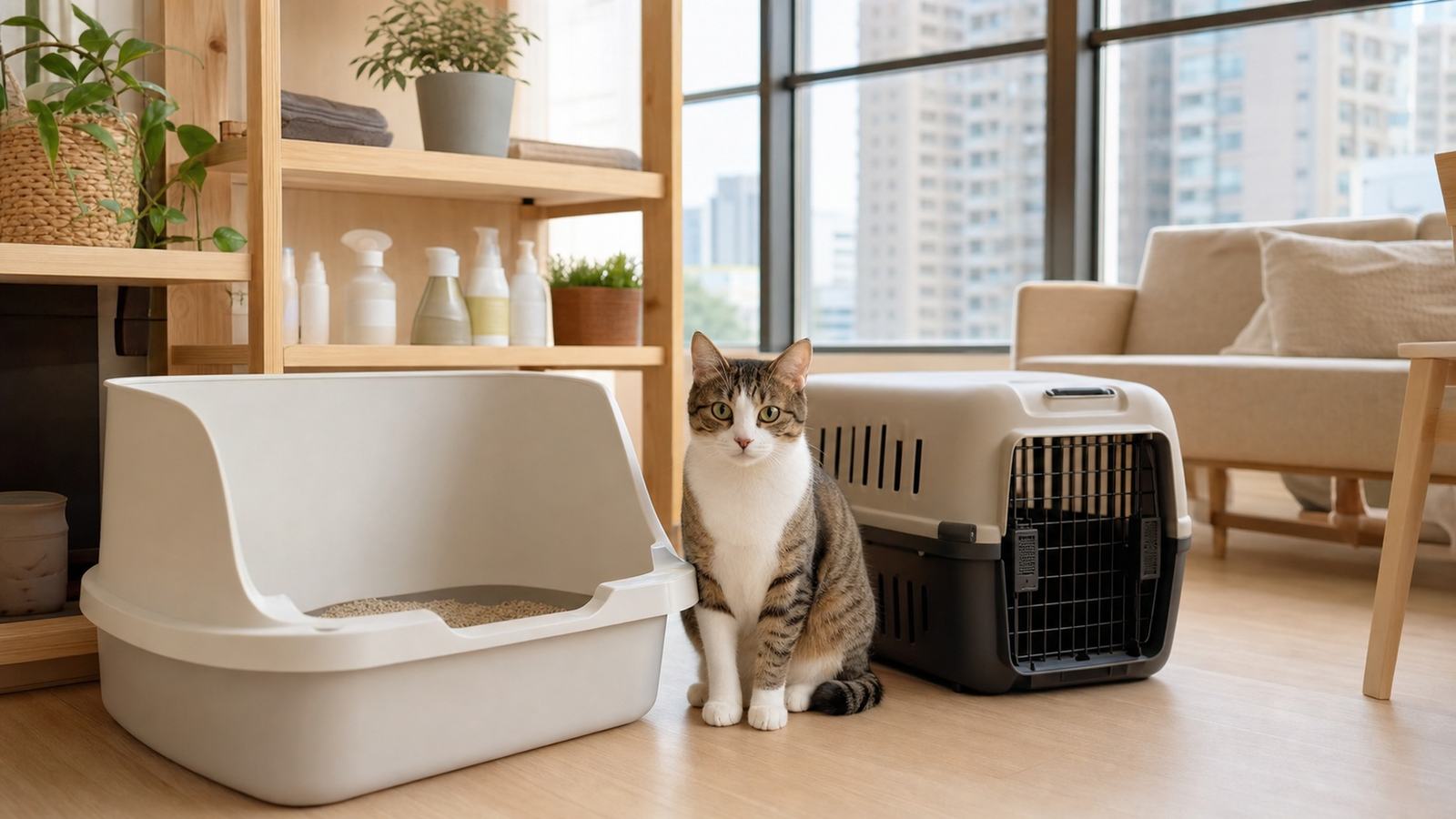
- As a general guideline, the number of litter boxes should be at least the number of cats plus one. Boxes should be placed in quiet, easily accessible locations, away from washing machines, behind doors, or in corners where other cats might block access.
What Are Cat Pheromones? How Do They Differ from Fragrances and Essential Oils?
Cat pheromones are chemical signals cats use to communicate feelings of security, territory, and familiarity. Most commercial cat pheromone products mimic signals related to a cat's cheeks, mammary glands, or social interactions, making the environment feel more "predictable" to the cat. They are not sedatives or substances that induce immediate sleep, so their effects usually require some time to become apparent.
Fragrances and essential oils are primarily scents for humans. Cat pheromones, on the other hand, are designed as behavioral signals specifically for cats. While diffusers, scented candles, or essential oils are commonly used in Taiwanese homes, cats have different metabolic capabilities than humans, and some essential oils can be unsafe for them. If you have cats at home, no scented product should be sprayed directly on them, and high concentrations in enclosed spaces should be avoided.
When Might Pheromones Be Suitable: Inappropriate Urination, Travel, Moving, and Multi-Cat Stress
If your cat exhibits nighttime crying, hiding, or nervousness in a new environment, or if you've recently moved or changed furniture, cat pheromones can be a helpful supplementary tool. Their purpose isn't to "train the cat to obey" but rather to reduce anxiety caused by environmental changes. In limited spaces common in Taiwanese urban apartments, a cat's pathways, resting spots, and litter box proximity can easily lead to interference and more pronounced stress responses.
Inappropriate urination is also a common concern for owners asking about pheromone efficacy. For marking behaviors, unfamiliar scents, stray cats passing by windows, or insufficient resources in multi-cat households, pheromones may help reduce vigilance. However, they are usually most effective when combined with thorough cleaning of urine odors, providing more litter boxes, separating food and water bowls, and establishing a stable daily routine.
How to Use Pheromones Before Travel and Vet Visits
When your cat needs to travel for veterinary appointments, car rides, or short-term boarding, you can use spray-type pheromone products in their carrier, on bedding, or around the car interior beforehand. It's recommended not to spray directly on the cat; instead, spray on an item and wait for the alcohol to evaporate before allowing the cat to come into contact. If your cat flees at the sight of its carrier, make sure to leave the carrier out in the home regularly so it becomes a familiar resting spot.
When Not to Rely Solely on Pheromones: Pain, Urinary Issues, and Skin Discomfort
Sudden inappropriate urination, frequent visits to the litter box, reduced urine output, or blood in the urine should not be dismissed as purely stress or emotional issues. In Taiwan's humid and hot climate, water intake, litter box cleanliness, and urinary tract health all need to be considered. If your cat shows difficulty urinating, cries out, or becomes lethargic, seek veterinary attention promptly, especially for male cats at risk of urinary blockage.
Nighttime crying isn't always due to anxiety. It can sometimes stem from pain, thyroid issues, cognitive decline in older cats, or itchy skin causing sleep disturbances. Cat pheromones can be an environmental aid but cannot replace veterinary examination. Any sudden change in behavior, rapid increase in frequency, or accompanying changes in appetite, activity level, or elimination warrant ruling out underlying physical problems first.
Diffusers, Sprays, Collars: How to Choose? Consider Environment and Safe Distance Before Use
Diffuser types are suitable for fixed spaces like living rooms, rooms where cats frequently stay, or common areas in multi-cat households. When using them, ensure the outlet location is well-ventilated, not obstructed by furniture, and not placed where the cat can chew or knock it over. In large open-plan homes, a single diffuser might not provide adequate coverage; in very small rooms, ensure good air circulation.
Spray types offer more flexibility and are suitable for carriers, cat beds, moving boxes, or short-term situations. For collar types, pay special attention to whether the cat might chew or scratch it, if it could get caught, and if the product has a safety breakaway design. Always use any cat pheromone product according to the instructions and avoid increasing the dosage in an attempt to achieve faster results.
A Small Reminder for Taiwanese Homes
During the rainy season and hot, humid summers, airflow from dehumidifiers, air purifiers, or air conditioners can affect diffuser placement. It's recommended to place the product in the area where the cat experiences the most stress, rather than where the outlet is most convenient for the owner. If you have kittens, elderly cats, or cats with asthma or chronic illnesses, it's best to consult your veterinarian before use.
What If Pheromones Don't Work? Address Litter Boxes, Routine, and Vet Check-ups
If no changes are observed after two to four weeks of use, it doesn't necessarily mean the cat is "untreatable" or the product is completely ineffective. It might indicate that the source of stress hasn't been addressed. First, check if you have enough litter boxes; a good starting point is one box per cat plus one. Litter boxes should be in quiet, easily accessible locations, away from washing machines, behind doors, or in corners where other cats might block access.
Next, consider routine and resource allocation: Is there a stable playtime each day? Are there high perches, hiding spots, scratching posts, and dispersed water bowls? In multi-cat households, avoid concentrating all resources in one area, as this can lead to underlying tension even if outward peace prevails. Cat pheromones can help reduce stress, but true improvement usually comes from a combination of environmental adjustments, medical care, and daily grooming.
FAQ
Q1: How long does it take for cat pheromones to work?
Some cats relax within a few days, while others may show trends after two to four weeks. It's recommended to track the frequency of inappropriate urination, vocalization, hiding, or aggressive behaviors rather than relying solely on impressions.
Q2: Can pheromones be sprayed directly on cats?
It is not recommended. Sprays should be applied to carriers, bedding, or environmental items, and the alcohol should be allowed to evaporate before the cat comes into contact.
Q3: Are they suitable for all multi-cat households?
Not necessarily, but they can be a helpful supplement. More importantly, ensure sufficient litter boxes, food bowls, water bowls, sleeping spots, and high perches are available, and observe for chasing, blocking, or chronic stress.
Q4: Will pheromones cure inappropriate urination?
Not guaranteed. Inappropriate urination can be related to urinary tract issues, pain, litter box aversion, environmental stress, or marking behaviors. If there is blood in the urine, reduced urine output, or frequent litter box visits, consult a veterinarian first.
Q5: Can they be used with fragrances or essential oils?
It is not recommended to mix multiple scented products in enclosed spaces. Cats are sensitive to odors, and essential oils can pose safety risks. When cats are present, prioritize ventilation and low-stimulation environments.
Ending CTA
To help your cat feel more stable at home, pheromones are just one piece of the puzzle. Appropriate litter boxes, litter, scratching posts, carriers, comfortable sleeping spots, and cleaning supplies are often the foundational grooming items used daily. Start by addressing the most pressing issues your cat is facing, ensure environmental resources are adequate, and then observe the changes with pheromone use. If you're currently stocking up on cat supplies, feel free to explore the CatGarden selection of cat products suitable for Taiwanese homes, and start reducing your cat's stress through everyday details.
Further Reading
- Do Cats Need Degreasing Enzyme Baths? A Guide for Oily Tails, Thick Coats, and Sensitive Skin
- Are Cat Dryer Boxes Worth It? A Look at Temperature, Capacity, and Comfort for Cats Afraid of Blow Dryers
- Are Cat Bath Packages Worth It? Calculate Frequency, Skin Condition, and Refund Rules Before Buying Courses
Common Questions
How long does it take for cat pheromones to work?
Some cats relax within a few days, while others may show trends after two to four weeks. It's recommended to track the frequency of inappropriate urination, vocalization, hiding, or aggressive behaviors rather than relying solely on impressions.
Can pheromones be sprayed directly on cats?
It is not recommended. Sprays should be applied to carriers, bedding, or environmental items, and the alcohol should be allowed to evaporate before the cat comes into contact.
Will pheromones cure inappropriate urination?
Not guaranteed. Inappropriate urination can be related to urinary tract issues, pain, litter box aversion, environmental stress, or marking behaviors. If there is blood in the urine, reduced urine output, or frequent litter box visits, consult a veterinarian first.
Can they be used with fragrances or essential oils?
It is not recommended to mix multiple scented products in enclosed spaces. Cats are sensitive to odors, and essential oils can pose safety risks. When cats are present, prioritize ventilation and low-stimulation environments.
How should I choose between diffusers, sprays, and collars?
Diffusers are suitable for fixed spaces like living rooms or multi-cat common areas. Sprays are ideal for carriers, cat beds, or moving situations. For collars, ensure the cat won't chew or get caught, and that the product has a safety breakaway design.
What we use for this
CatGarden’s own products, shipped from Taiwan


Hand-picked care, behaviour and grooming tips once a month. Subscribe and we will send you our three most-read articles right away.
Keep reading
Is Your Cat Sleeping Farther Away From You Because It Dislikes You? Consider Trust, Temperature, and Territory First
If your cat is sleeping farther away from you, it's usually not because it dislikes you, but rather because it's seeking a cooler spot due to the heat or it already feels secure around you. Assess temperature, trust, and territory to understand the reason.
Cat "Mother Hen" Squat vs. Normal Sitting: How to Tell the Difference by Limb Position, Breathing, and Relaxation Level
A cat's "mother hen" squat is usually a sign of relaxation and warmth, so don't panic every time you see it. However, if their limbs are tense, breathing is rapid, and their gaze is vacant, they might be curled up in pain. Learn to distinguish between these states using three key clues: limb position, breathing, and eye expression.
Cat Boarding Checklist: What Vaccinations Are Needed Before Check-In? Health Certificates, Flea Prevention, and Packing List
Before boarding your cat, vaccinations and flea prevention are paramount. Most cat hotels require the FVRCP vaccine to be current, along with external parasite treatment. Be sure to pack your cat's usual food, litter, and a familiar blanket. This guide provides a comprehensive pre-boarding checklist.
