Why Must Cats Eat Meat? Nutritional Needs and Feeding Principles for Carnivores
Cats are not small omnivores; their nutritional design relies heavily on animal sources, and feeding should avoid human dietary logic. Cats are obligate carnivores, requiring animal protein, taurine, and specific fatty acids. This article outlines their meat requirements.

Cats are not small omnivores; their nutritional design relies heavily on animal sources, and feeding should avoid human dietary logic.
Cats are obligate carnivores, requiring animal protein, taurine, and specific fatty acids. This article outlines their meat requirements and common feeding mistakes.
"Cats are carnivores" – you've surely heard this phrase countless times from cat owners! But have you ever wondered why cats must eat meat? Can't they eat a little bit of vegetarian food like dogs? Today, let's dive deep into the dietary world of our feline friends and uncover the secrets behind their "love for meat," so you can better understand your kitty's heart (and stomach)!
Key takeaways
- Cats are obligate carnivores and cannot synthesize or have insufficient synthesis of taurine and vitamin A, which are essential for life. They must obtain these nutrients from animal-based foods.
- Taurine deficiency in cats can lead to retinal degeneration and heart disease. Long-term vitamin A deficiency can cause night blindness, dry eyes, conjunctivitis, cataracts, retinal degeneration, and dry, rough skin and fur.
- Cats' teeth are small and sharp, naturally designed for tearing or cutting meat, and are not suitable for grinding plant-based foods.
- Most commercial cat foods use meat as the primary ingredient and often add animal organs and bones to provide essential minerals like calcium, phosphorus, and iron.
- Sudden food changes for cats are not recommended. Gradually introduce new food over 7-14 days, increasing its proportion while monitoring appetite, stool, vomiting, and skin condition.
I. Innate Structural Limitations! Cats' Physiological Needs "Cannot Do Without Meat"!
A cat's body structure dictates that they must obtain many essential nutrients for survival from meat. These vital nutrients include specific amino acids, fatty acids, minerals, and various vitamins.
Among these, two of the most crucial nutrients for cats are "taurine" and "vitamin A." Cats' bodies cannot synthesize these two super-important substances on their own, or they produce them in insufficient amounts, meaning they can only be adequately obtained from animal-based foods.
- Taurine Deficiency: Can lead to retinal degeneration, heart disease, and other problems in cats.
- Vitamin A Deficiency: If cats are chronically deficient in vitamin A, they may experience night blindness, dry eye, conjunctivitis, cataracts, and even retinal degeneration – severe eye health issues. Their skin and coat may also become dry and rough.
Therefore, for cats, meat isn't just "tasty"; it's a necessity for their life and health!
II. Sharp Teeth, Fierce Bite! Cat Teeth Are Designed to "Tear Meat"!
Have you ever closely observed a cat's teeth? Their teeth are usually small but very sharp and pointed. This dental structure is naturally designed for them to "tear" or "cut" pieces of meat and is not well-suited for grinding plant-based foods. This is another important reason why cats must eat meat and have a particularly high requirement for it. Seeing them enjoy their meals with such gusto shows that this is indeed the most suitable food for them!
III. What Secrets Are Hidden in "Cat Food"? It's Also "Meat-Rich"!
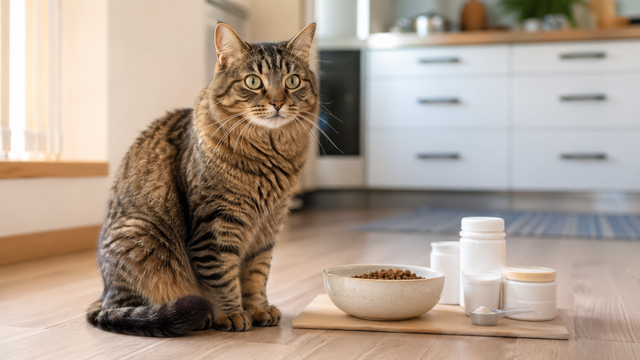
Many cat owners might think, "The dry food I usually feed doesn't look like meat!" In reality, most commercially available cat foods are also made primarily from meat! Furthermore, to provide more comprehensive nutrition, cat food typically includes ingredients like animal organs and bones. These animal organs and bones provide cats with abundant calcium, phosphorus, iron, and other minerals, perfectly aligning with their natural dietary habits and nutritional needs.
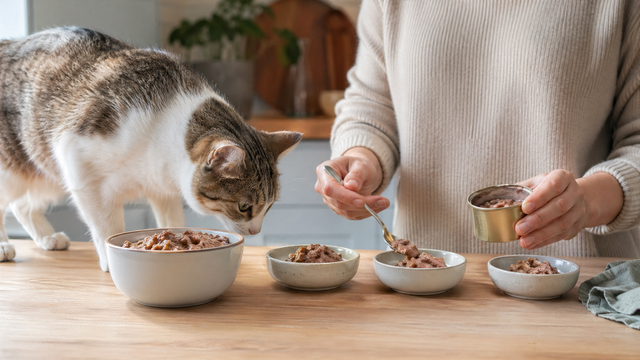
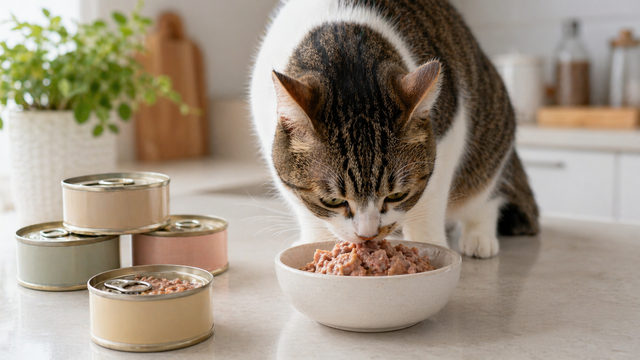
Of course, besides dry food, you can occasionally supplement your kitty's diet with some high-quality wet food, such as CatGarden's Luxury Functional Cans. These cans, with meat as the main ingredient, not only offer variety and make mealtime more enjoyable for your cat but also help them stay hydrated and provide more complete and balanced nutrition.
Conclusion: Respect Their Nature, Give Cats the "Carnivorous" Feast They Need!
In summary, cats are natural carnivores. Their physiological structure and nutritional needs dictate that meat plays an indispensable role in their diet. As responsible cat owners, understanding and fulfilling their carnivorous nature by providing a balanced meat-based diet is the key to ensuring your feline companion grows up healthy and happy!
What other interesting facts or secrets about cat nutrition would you like to know? Feel free to leave a comment below and share your questions and cat-raising experiences with us!
Frequently Asked Questions FAQ
Should I switch food all at once?
Sudden changes are not recommended. Gradually increase the proportion of new food over 7-14 days, observing appetite, stool, vomiting, and skin condition.
If my cat is a picky eater, is changing the brand enough?
Not necessarily. Picky eating can be related to texture, stress, illness, or feeding habits. If appetite significantly decreases or there are changes in weight, health issues should be ruled out first.
References
CatGarden | Luxury Cat Hotel in Banqiao, offering boarding and grooming services.
Further Reading
- How to Choose Cat Food? Key Factors for Ingredient Analysis, Picky Eating, and Soft Stool Improvement
- Cat Canned Food vs. Dry Kibble? 4 Key Points for Main Food Selection and Nutritional Comparison
- What Can't Cats Eat? List of Toxic Human Foods and Principles for Handling Accidental Ingestion
FAQ
Why can't cats be vegetarian like dogs?
Cats are obligate carnivores. Essential nutrients for survival, such as taurine and vitamin A, cannot be synthesized by their bodies or are synthesized in insufficient amounts, requiring them to be obtained from animal sources.
What symptoms can occur if a cat is deficient in taurine or vitamin A?
Taurine deficiency can lead to retinal degeneration and heart disease. Vitamin A deficiency can cause night blindness, dry eyes, cataracts, retinal degeneration, and dry, rough skin and fur.
Do I need to switch to a new cat food all at once?
Sudden changes are not recommended. It's advised to gradually increase the proportion of the new food over 7-14 days, while observing the cat's appetite, bowel movements, vomiting, and skin condition.
Can a picky cat's eating habits be resolved simply by changing the food brand?
Not necessarily. Picky eating can be related to food texture, environmental stress, illness, or feeding habits. If a cat's appetite significantly decreases or their weight changes, health issues should be ruled out first.
CatGarden offers curated supplies, cat boarding, and grooming
Book services or shop online.