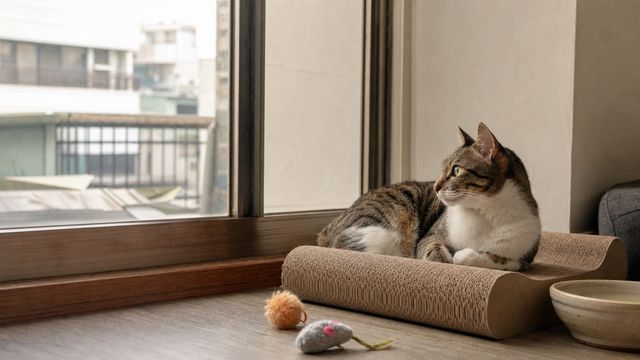
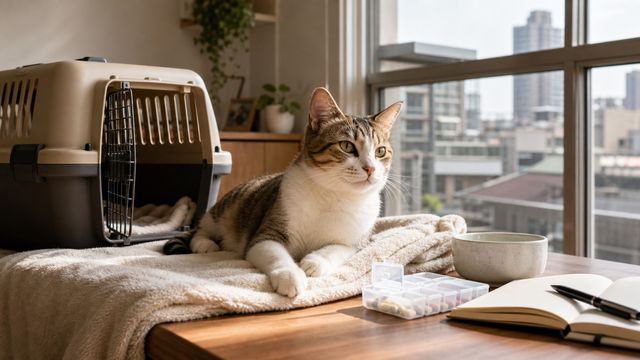
Cat Not Eating or Drinking, Lethargic? The Golden 24 Hours Are Crucial! Vet Warns: 4 Major Causes and Emergency Guide
Yesterday your feline overlord was bouncing on you and meowing loudly for food, but today they're suddenly like a deflated balloon, ignoring their favorite wet food, not eating or drinking, and just weakly curled up in a corner... As a cat parent, your heart must be aching! Please

Yesterday your feline overlord was bouncing on you and meowing loudly for food, but today they're suddenly like a deflated balloon, ignoring their favorite wet food, not eating or drinking, and justly curled up in a corner... As a cat parent, your heart must be aching!
Remember, cats are masters at hiding discomfort. When they show obvious signs of distress, the situation is usually serious. "Cat not eating, drinking, or lethargic" is one of the most critical warning signs of a feline health crisis and should never be taken lightly!
Step 1: Emergency Home Checklist
Before rushing to the vet, you can do a quick basic check. This will help you explain the situation to your veterinarian:
- ✅ Breathing: Is their breathing rapid? Are they breathing with their mouth open or making strange noises? (Normal resting respiration is about 20-30 breaths per minute).
- ✅ Gum Color: Gently lift your cat's lip. Healthy gums are pink. If they appear pale, dark red, or purplish, the situation may be urgent.
- ✅ Physical Appearance: Are there any obvious external injuries or lumps? Are they limping?
- ✅ Elimination: When was their last normal bowel movement? Are there any signs of diarrhea or vomiting in the litter box?
- ✅ Body Temperature Feel: Do your cat's ear tips or abdomen feel unusually hot? (Note: This is only a preliminary assessment and not entirely accurate).
4 Potential Causes for a Cat Not Eating or Drinking
1. Physiological Illness or Physical Pain (Most Common!)
This is the primary and most concerning reason. Any illness causing pain or discomfort will directly affect a cat's appetite and energy levels.
- Common Illnesses: Fever, cold, gastroenteritis, kidney disease, pancreatitis, fatty liver disease, etc.
- Oral Problems: Gingivitis, periodontal disease, stomatitis, etc., can make cats want to eat but be afraid to due to pain.
- Internal/External Injuries: Unseen internal injuries or joint pain can also lead to discomfort and refusal to eat.
2. Psychological Stress or Environmental Changes
Cats are sensitive creatures. Extreme stress or environmental changes can make them too anxious to eat.
- Common Stressors: Moving house, new family members (human or pet), loud noises (like nearby construction), owner being away for extended periods, etc.
3. Dietary Issues
Sometimes the problem lies with the food itself.
- Picky Eating: Suddenly changing food brands or flavors, and the cat refuses to eat it.
- Spoiled Food: Food can spoil easily in summer, or dry food can become stale. Cats have a sensitive sense of smell and will refuse to eat it.
4. Vaccine or Medication Side Effects
If your cat has recently been vaccinated or is taking certain medications, loss of appetite and lethargy might be temporary side effects. This usually resolves within 1-2 days.
How to Encourage Your Cat to Eat? Try These Tips
If you've confirmed your cat isn't in immediate life-threatening danger and might just have a temporary lack of appetite, you can try to entice them to eat and regain strength:
- Warm the Food: Slightly warm wet food (around 30-35°C, just warm to the touch). This enhances the aroma and can effectively stimulate a cat's appetite.
- Choose Highly Palatable Food: At this critical time, the "deliciousness" of the food is more important than its "functional benefits." You can try CatGarden's Luxury Functional Cans. Its dense texture, based on fresh tuna, has a very enticing aroma, specially designed for picky eaters or cats with poor appetite. It can effectively pique their interest, and getting them to eat something is the most important first step!
- Offer Small Amounts: Use your finger to dip a little pâté and gently smear it on your cat's nose or lips. Sometimes, once they start licking, they'll be willing to continue eating.
The Golden 24 Hours! Seek Immediate Veterinary Care If These Symptoms Appear!
Remember a key principle: If a cat completely stops eating for over 24 hours, they are at risk of developing life-threatening "fatty liver disease." Do not delay!
If your cat exhibits any of the following symptoms, do not hesitate. Take your cat to the veterinarian immediately:
- Completely stops eating or drinking, with persistent lethargy for over 24 hours.
- Accompanied by continuous vomiting or diarrhea.
- Difficulty breathing, rapid breathing, or breathing with their mouth open.
- Hiding in dark places, assuming strange postures (like a "hen squat").
- Obvious signs of pain or extreme weakness.
In Summary: Your Vigilance is Your Cat's Lifeline
A cat's health depends on the owner's careful observation. When faced with a cat that isn't eating or drinking, staying calm, observing carefully, acting decisively, and seeking professional veterinary help when needed are the best ways to protect your feline companion. We hope every cat can live a healthy and happy life under the care of their loving families!
Further Reading
- How to Choose Cat Food? Ingredient Analysis, Picky Eating, and Soft Stool Solutions
- What's the Difference Between Main Meal and Complementary Wet Food? Nutritional Labels, Feeding Ratios, and Selection Guide
- What Can't Cats Eat? List of Toxic Human Foods and Emergency Procedures for Accidental Ingestion
→ Learn about CatGarden's Full Range of House Brand Products
CatGarden offers curated supplies, cat boarding, and grooming
Book services or shop online.