Cat Spay/Neuter Aftercare Guide: Diet, Wound Observation, and Recovery Period Precautions
The first few days after surgery are crucial for observation. Owners need to monitor their cat's energy levels, appetite, and check for wound bleeding, swelling, or excessive licking.

The first few days after surgery are crucial for observation. Owners need to monitor their cat's energy levels, appetite, and check for wound bleeding, swelling, or excessive licking.
After spaying or neutering, pay attention to the wound, appetite, activity level, licking behavior, and when to follow up with the vet. This article outlines post-operative care and warning signs.
Key takeaways
- Cats must be completely fasted and deprived of water for at least 6-8 hours post-surgery to prevent vomiting and aspiration pneumonia due to anesthesia affecting gastrointestinal motility.
- An Elizabethan collar or recovery suit must be worn for 24 hours post-surgery. Male cats typically need to wear it for 7-10 days, while female cats must wear it until suture removal (around 10-14 days) and confirmation of healing by the veterinarian.
- Newly neutered/spayed cats should be placed in a comfortable cage or a quiet, single-level room (recovery box) to prevent secondary injuries from falls while still under the effects of anesthesia.
- If your cat shows signs of not eating or drinking for over 24 hours, persistent vomiting or diarrhea, lethargy and hiding, or if the surgical site is red, swollen, bleeding, discharging pus, or has an odor, contact your veterinary clinic immediately.
The Golden 24 Hours After Your Cat Comes Home from Spay/Neuter Surgery
The first day your cat returns home is the most critical. The anesthesia may not have fully worn off, requiring your extra careful attention.
Key Point 1: Strict Diet Restriction to Prevent Vomiting
- Why withhold food and water? Anesthesia affects gastrointestinal motility. Eating or drinking too soon can easily cause nausea and vomiting. If your cat vomits, they could aspirate into their airways, leading to aspiration pneumonia, which is very dangerous!
- What you should do: Follow your veterinarian's instructions. For at least 6-8 hours post-surgery, keep food and water bowls away, completely withholding food and water. Afterward, you can offer a small amount of water. If there are no issues after half an hour, offer a small amount of wet food.
Key Point 2: Provide a Quiet, Safe "Recovery Box"
- Why isolate them? Cats returning home may be unsteady on their feet or disoriented due to lingering anesthesia. If they wander freely at home, they could fall from heights or bump into furniture, causing secondary injuries.
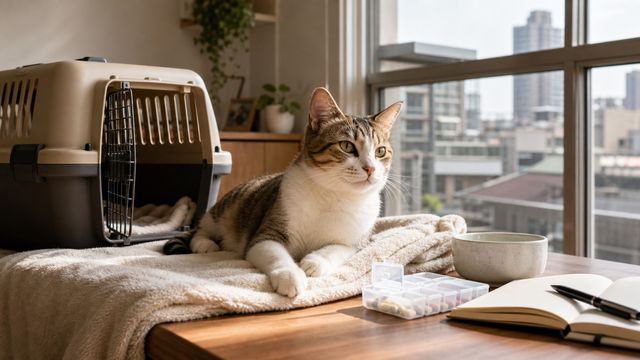
- What you should do: Prepare a comfortable cat carrier or a quiet, small room with no elevated surfaces. Line it with soft bedding and place your cat inside. This "recovery box" limits their movement and reduces external stimuli, allowing them to rest undisturbed.
Key Observation and Care Points for the First Week Post-Surgery
After navigating the critical first day, the following week is crucial for wound healing.
Key Point 3: Wear the "Cone of Shame" to Protect the Wound
- Why wear a cone? Cats naturally tend to lick their wounds. However, a cat's mouth is full of bacteria, and their rough tongue can irritate or even break stitches, leading to wound inflammation or opening. In severe cases, a second surgery may be required!
- What you should do: Ensure your cat wears an Elizabethan collar (commonly known as a "cone of shame" or head collar) 24/7. For male cats, the wound is smaller and typically requires wearing it for 7-10 days. For female cats, the wound is larger and requires wearing it until sutures are removed (about 10-14 days), and the vet confirms the wound has healed well. If your cat strongly resists the cone, discuss alternatives like a "recovery suit" or "post-surgical garment" with your veterinarian.
Key Point 4: Closely Monitor Energy Levels, Appetite, and Elimination
- Why monitor these? These are important indicators of your cat's recovery status.
- What you should do: Daily, observe your cat's appetite, water intake, and whether their urination and defecation are normal. If you notice any of the following abnormal signs, contact your animal hospital immediately:
- Not eating or drinking for over 24 hours.
- Persistent vomiting or diarrhea.
- Lethargy and hiding.
- Wound redness, swelling, bleeding, discharge, or odor.
Post-Surgery Nutritional Support: The Key to Wound Healing
After the fasting period, providing "highly nutritious, easily digestible, and palatable" food is the best way to help your cat regain strength quickly and promote wound healing. Your cat may have a reduced appetite due to discomfort, so choosing foods they enjoy is especially important.
We highly recommend CatGarden's "Luxury Functional Cans" for post-operative nutritional supplementation. Their smooth texture is easy for cats to eat, reducing the burden of feeding. The delicious tuna and scallop flavor effectively stimulates appetite, ensuring your cat consumes enough calories and protein. Furthermore, wet food helps cats stay hydrated, making it an ideal companion during the recovery period.
Caring for your cat after spay/neuter surgery may seem tedious, but with a little extra attention from cat parents, your cat will experience less discomfort. Do you have any unique tips for post-surgery care? Feel free to share them in the comments below to help other new cat parents!
Frequently Asked Questions FAQ
When should I seek immediate veterinary care?
If your cat's condition worsens, they show decreased appetite, persistent vomiting or diarrhea, abnormal breathing, pain, bleeding, or their symptoms rapidly deteriorate, contact your veterinarian as soon as possible.
Can daily supplements replace treatment?
This is not recommended. Supplements and environmental adjustments are suitable for assisting with daily care, but if clear symptoms are present, the underlying cause should be identified first.
References
CatGarden|A luxury cat-only hotel in Banqiao, offering boarding and grooming services.
Further Reading
- Early Signs of Cat Illness: 7 Warning Signs and Key Observations
- What to Do If Your Cat Is Breathing Rapidly: Abdominal Pumping, Dangerous Causes, and When to Seek Veterinary Care
- Signs of Cat Malnutrition: Symptoms, Nutrient Intake, and Supplementation Guide
→ Learn about the full range of CatGarden's own brand products
FAQ
How long after neutering/spaying can my cat start eating and drinking again?
Cats must be completely fasted and deprived of water for at least 6-8 hours post-surgery. After this period, offer a small amount of water. If there are no signs of vomiting for half an hour, then offer a small amount of wet food.
How long does the Elizabethan collar (cone) need to be worn after neutering/spaying?
Male cats typically need to wear it for 7-10 days. Female cats have a larger incision and need to wear it until suture removal (around 10-14 days) and until the veterinarian confirms the wound has healed well.
What abnormal signs after neutering/spaying require immediate veterinary attention?
If your cat does not eat or drink for over 24 hours, has persistent vomiting or diarrhea, is lethargic and hiding, or if the surgical site is red, swollen, bleeding, discharging pus, or has an odor, contact your veterinarian immediately.
What should I do if my cat absolutely refuses to wear the Elizabethan collar (cone)?
If your cat strongly rejects the cone, discuss alternatives with your veterinarian, such as a recovery suit or post-operative clothing, to protect the surgical site.
CatGarden offers curated supplies, cat boarding, and grooming
Book services or shop online.