When Is a Cat Senior? Food, Vet Checks, and Home Care

Cats are often considered mature from about age 7. Learn how to adjust food, home setup, and health checks for senior cats.

CatGarden Editorial TeamPublished 2026/06/04
Senior catMature catHealthHome care
When Is a Cat Senior? Food, Vet Checks, and Home Care

Aging in cats happens gradually. By the time you notice that your cat cannot jump as easily, changes may already have been developing for a while.

Key takeaways

  • Cats' ages can be categorized into maturity (around 7-10 years old), advanced age (around 11-14 years old), and senior (15 years and older). A 7-year-old cat is roughly equivalent to a human in their 40s, and a 15-year-old cat is equivalent to a human in their 70s. Therefore, cats from 7 years old can be cared for from a 'mature cat' perspective.
  • Healthy adult cats should have an annual health check-up. Mature and senior cats should have check-ups twice a year, ideally including blood tests (kidney, liver, thyroid, etc.), blood pressure measurement, urine tests, and an assessment of weight and physical condition.
  • Common diseases in senior cats include chronic kidney disease, hyperthyroidism, diabetes, and arthritis. The earlier these are detected, the better they can be managed.
  • Senior cats' diets should consist of easily digestible food with good palatability. Special attention should be paid to hydration, increasing the proportion of wet food to reduce kidney burden. Cats with existing kidney disease or thyroid issues must follow veterinary instructions for prescription diets and should not be given supplements arbitrarily.
  • Key adjustments for the home environment include: using litter boxes with low entry thresholds, adding steps or ramps next to frequently used high places, placing food, water, and litter boxes in accessible locations without the need for climbing, ensuring warmth, and providing multiple water bowls to encourage drinking.

Age Stages

Many cats are considered mature around 7 to 10 years old, senior around 11 to 14, and geriatric from 15 onward. Age is only a guide; body condition, appetite, mobility, and behavior matter just as much.

Food and Water

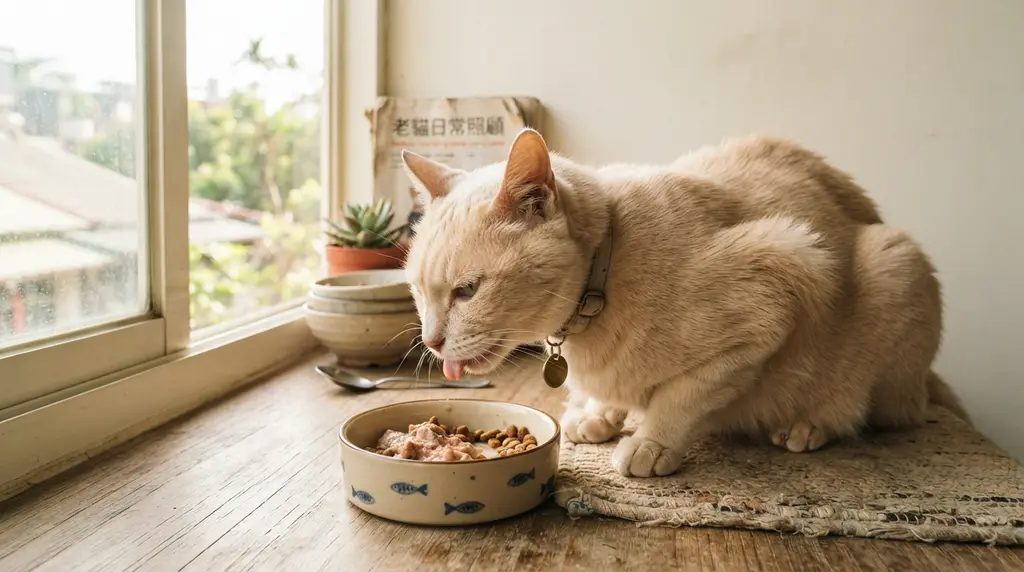
Senior cats may need food that is easy to digest and appealing. Hydration becomes especially important, so wet food, extra water bowls, or fountains may help. If your cat has kidney, thyroid, diabetic, or other medical issues, follow your veterinarian's diet advice.

Vet and Home Care

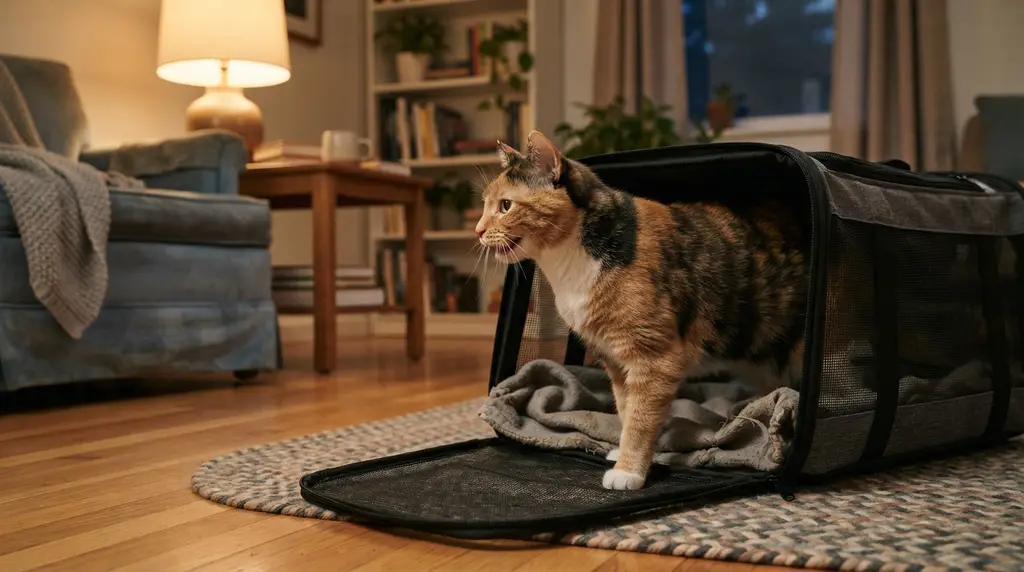
Older cats benefit from checkups about every 6 months, including weight, bloodwork, urine, blood pressure, and dental review. At home, add low-entry litter boxes, steps or ramps, warm resting spots, and easy access to food and water.

CatGarden offers curated supplies, cat boarding, and grooming

Book services or shop online.
Back

Blog

When Is a Cat Senior? Food, Vet Checks, and Home Care

CatGarden Editorial TeamPublished 2026/06/04
Senior catMature catHealthHome care
When Is a Cat Senior? Food, Vet Checks, and Home Care

Aging in cats happens gradually. By the time you notice that your cat cannot jump as easily, changes may already have been developing for a while.

Key takeaways

  • Cats' ages can be categorized into maturity (around 7-10 years old), advanced age (around 11-14 years old), and senior (15 years and older). A 7-year-old cat is roughly equivalent to a human in their 40s, and a 15-year-old cat is equivalent to a human in their 70s. Therefore, cats from 7 years old can be cared for from a 'mature cat' perspective.
  • Healthy adult cats should have an annual health check-up. Mature and senior cats should have check-ups twice a year, ideally including blood tests (kidney, liver, thyroid, etc.), blood pressure measurement, urine tests, and an assessment of weight and physical condition.
  • Common diseases in senior cats include chronic kidney disease, hyperthyroidism, diabetes, and arthritis. The earlier these are detected, the better they can be managed.
  • Senior cats' diets should consist of easily digestible food with good palatability. Special attention should be paid to hydration, increasing the proportion of wet food to reduce kidney burden. Cats with existing kidney disease or thyroid issues must follow veterinary instructions for prescription diets and should not be given supplements arbitrarily.
  • Key adjustments for the home environment include: using litter boxes with low entry thresholds, adding steps or ramps next to frequently used high places, placing food, water, and litter boxes in accessible locations without the need for climbing, ensuring warmth, and providing multiple water bowls to encourage drinking.

Age Stages

Many cats are considered mature around 7 to 10 years old, senior around 11 to 14, and geriatric from 15 onward. Age is only a guide; body condition, appetite, mobility, and behavior matter just as much.

Food and Water

Senior cats may need food that is easy to digest and appealing. Hydration becomes especially important, so wet food, extra water bowls, or fountains may help. If your cat has kidney, thyroid, diabetic, or other medical issues, follow your veterinarian's diet advice.

Vet and Home Care

Older cats benefit from checkups about every 6 months, including weight, bloodwork, urine, blood pressure, and dental review. At home, add low-entry litter boxes, steps or ramps, warm resting spots, and easy access to food and water.

One email a month of cat-care tips

Hand-picked care, behavior and grooming tips once a month. Subscribe and we will send you our three most-read articles right away.

Keep reading