Cat Hairballs: Grooming, Hairball Remedies, and Diet Tips

Frequent gagging or tube-shaped hairballs can be reduced with brushing, hairball support, hydration, and the right diet.

CatGarden Editorial TeamPublished 2026/06/04
HairballsHairball remedyBrushingHome care
Cat Hairballs: Grooming, Hairball Remedies, and Diet Tips

Cats swallow loose hair while grooming. Most hair passes through the gut, but too much can collect in the stomach and come back up as a hairball.

Key takeaways

  • Vomiting hairballs once or twice a week is generally normal for cats, as long as their appetite and energy levels return to normal afterward. However, if it happens multiple times a week or the frequency significantly increases, it warrants attention.
  • The most effective way to reduce hairballs is regular grooming: brush short-haired cats 2-3 times a week, and long-haired cats ideally daily. Increase brushing frequency during shedding seasons (spring and autumn).
  • Cats' tongues have barbs that catch loose fur during grooming. They ingest a significant amount of this fur, which cannot be digested. When too much accumulates in the stomach, it forms a clump and is vomited as a log-like mass (not a round ball).
  • Hairball remedies like pastes, specialized food formulas, catnip, and treats are supplementary. They can help fur pass through the digestive tract but cannot replace regular brushing.
  • If your cat is persistently gagging without vomiting, constipated, has a bloated or hard abdomen, loss of appetite, or weight loss, it could indicate a hairball obstruction. Seek veterinary attention immediately.

What Is Normal

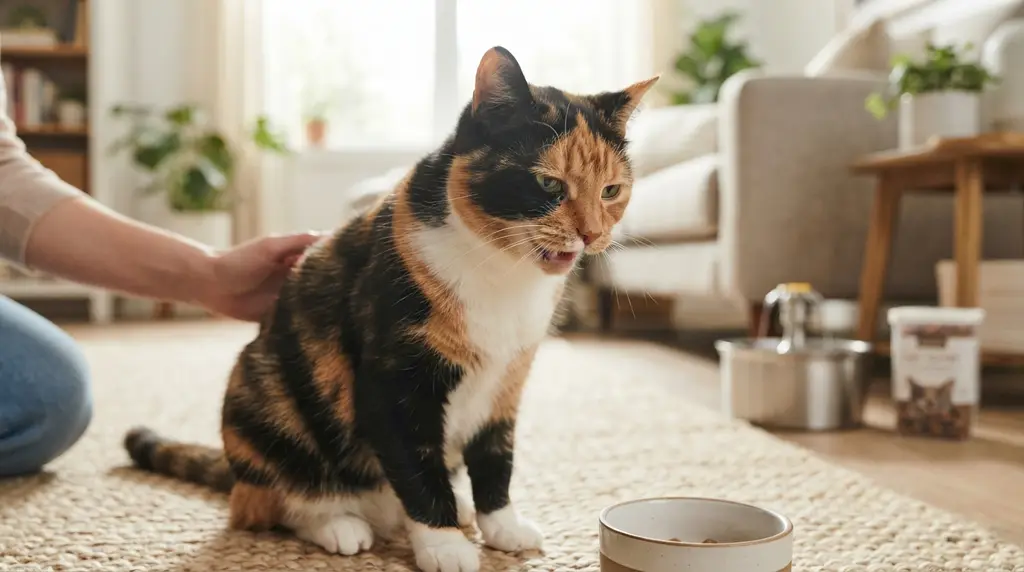
An occasional hairball can be normal if your cat is bright, eating, and using the litter box normally. Frequent vomiting, repeated gagging with nothing coming up, constipation, low appetite, or lethargy should not be ignored.

Brush First

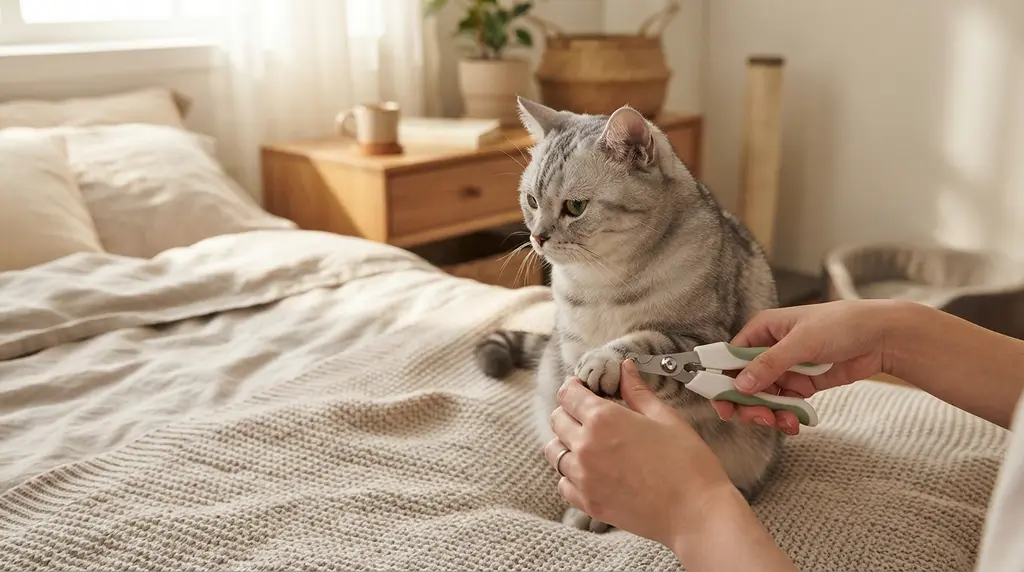
Regular brushing removes loose hair before your cat swallows it. Short-haired cats may need brushing several times a week; long-haired cats often need daily care, especially during shedding season.

Support Digestion

Hairball paste, higher-fiber formulas, cat grass, wet food, and better hydration can all help hair pass through. These are supports, not replacements for brushing. Seek veterinary care if your cat seems blocked or unwell.

What we use for this

CatGarden’s own products, shipped from Taiwan
See all products
Pro Hairball Control PowderPro Hairball Control PowderFrom CA$26.60 per boxFree shipping on multi-packs

CatGarden offers curated supplies, cat boarding, and grooming

Book services or shop online.
Back

Blog

Cat Hairballs: Grooming, Hairball Remedies, and Diet Tips

CatGarden Editorial TeamPublished 2026/06/04
HairballsHairball remedyBrushingHome care
Cat Hairballs: Grooming, Hairball Remedies, and Diet Tips

Cats swallow loose hair while grooming. Most hair passes through the gut, but too much can collect in the stomach and come back up as a hairball.

Key takeaways

  • Vomiting hairballs once or twice a week is generally normal for cats, as long as their appetite and energy levels return to normal afterward. However, if it happens multiple times a week or the frequency significantly increases, it warrants attention.
  • The most effective way to reduce hairballs is regular grooming: brush short-haired cats 2-3 times a week, and long-haired cats ideally daily. Increase brushing frequency during shedding seasons (spring and autumn).
  • Cats' tongues have barbs that catch loose fur during grooming. They ingest a significant amount of this fur, which cannot be digested. When too much accumulates in the stomach, it forms a clump and is vomited as a log-like mass (not a round ball).
  • Hairball remedies like pastes, specialized food formulas, catnip, and treats are supplementary. They can help fur pass through the digestive tract but cannot replace regular brushing.
  • If your cat is persistently gagging without vomiting, constipated, has a bloated or hard abdomen, loss of appetite, or weight loss, it could indicate a hairball obstruction. Seek veterinary attention immediately.

What Is Normal

An occasional hairball can be normal if your cat is bright, eating, and using the litter box normally. Frequent vomiting, repeated gagging with nothing coming up, constipation, low appetite, or lethargy should not be ignored.

Brush First

Regular brushing removes loose hair before your cat swallows it. Short-haired cats may need brushing several times a week; long-haired cats often need daily care, especially during shedding season.

Support Digestion

Hairball paste, higher-fiber formulas, cat grass, wet food, and better hydration can all help hair pass through. These are supports, not replacements for brushing. Seek veterinary care if your cat seems blocked or unwell.

What we use for this

CatGarden’s own products, shipped from Taiwan
See all products
Pro Hairball Control PowderPro Hairball Control PowderFrom CA$26.60 per boxFree shipping on multi-packs
One email a month of cat-care tips

Hand-picked care, behavior and grooming tips once a month. Subscribe and we will send you our three most-read articles right away.

Keep reading