How to Read Abnormal Cat Pupils: 4 Warning Signs, Potential Causes, and When to See a Vet
Changes in your cat's pupils aren't always a sign of illness, but persistent abnormalities warrant a prompt veterinary visit. Normally, pupils adjust to light and emotions; if they remain consistently dilated, constricted, unequal, or irregularly shaped in the same lighting conditions, it could indicate eye pain, high blood pressure, or neurological issues.
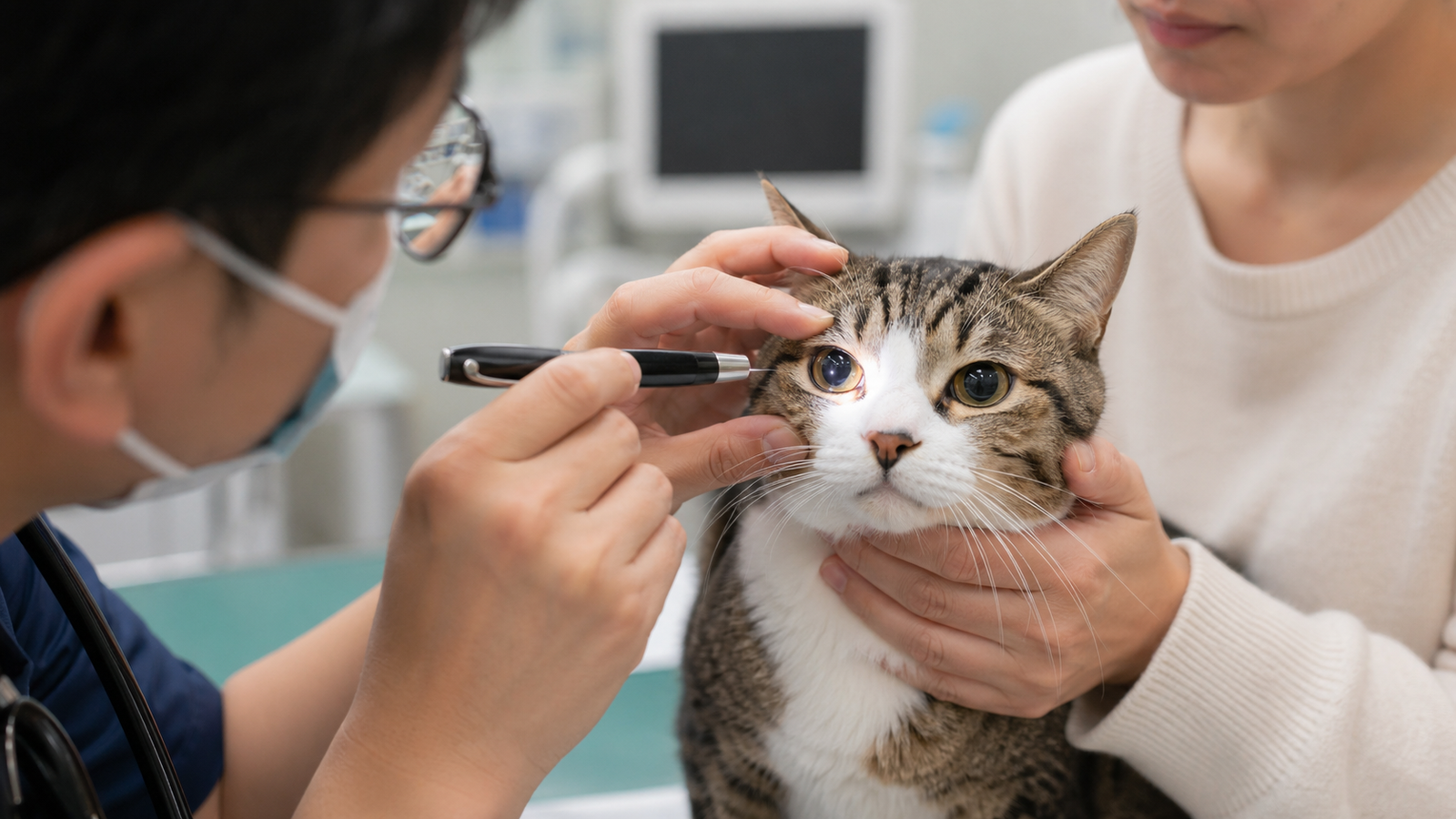
Changes in your cat's pupils aren't always a sign of illness, but persistent abnormalities warrant a prompt veterinary visit. Normally, pupils adjust to light and emotions; if they remain consistently dilated, constricted, unequal, or irregularly shaped in the same lighting conditions, it could indicate eye pain, high blood pressure, or neurological issues.
Key takeaways
- Persistent pupil dilation in bright light is a common sign of blindness or vision loss in cats. The most frequent cause is retinal detachment due to high blood pressure, but it can also be caused by glaucoma, drug poisoning, or brain issues.
- Constantly pinpoint pupils in dim light can indicate extreme intraocular pain, often associated with anterior uveitis, corneal ulcers, or central nervous system abnormalities.
- Anisocoria (unequal pupil size) suggests an issue with signal reception or processing pathways. Potential causes include brain or nervous system lesions (like tumors), eye trauma, glaucoma, or intraocular infections.
- Normally, cat pupils constrict to a smooth vertical slit and dilate to a round shape. Irregular shapes like 'D' or jagged edges usually relate to congenital iris defects, severe trauma, or intraocular tumors.
- Feline herpesvirus (FHV-1) infection is a common cause of eye inflammation and corneal ulcers in cats, which can severely affect pupil response.
Quick Answer: When Should Cat Pupils Warrant a Vet Visit?
- Pupils remain dilated in bright light.
- Pupils remain pinpoint in dim light.
- Significant difference in pupil size between the two eyes.
- Irregular, asymmetrical, or uneven pupil shape.
"Normal" Changes in Cat Pupils
You don't need to worry immediately if you observe pupil changes in your cat under these circumstances:
- Response to Light: This is the most basic function. In bright light, pupils constrict to a thin line to reduce light entry; in dim light, they dilate into circles to capture more light.
- Emotional Response: When cats are excited (e.g., playing, spotting prey), curious, anxious, or scared, adrenaline surges, causing pupils to dilate rapidly for a short period.
Danger Alert! 4 Types of "Abnormal" Pupil Changes
If your cat's pupils exhibit the following conditions, and these changes are unrelated to light or emotion, it indicates a potential health problem requiring immediate veterinary attention!
1. Constantly Dilated Pupils (Mydriasis)
Your cat's pupils remain wide open and cannot constrict in a bright environment. This signifies a loss of the pupil's ability to regulate light.
- Potential Dangers: This is a common sign of blindness or severe vision impairment! The most frequent cause is retinal detachment due to "high blood pressure." Additionally, glaucoma, drug toxicity, or brain problems can also lead to this condition.
2. Constantly Constricted Pupils (Miosis)
Pupils remain pinpoint-like and cannot dilate in dim environments.
- Potential Dangers: This can be a sign of extreme eye pain, commonly seen in anterior uveitis (inflammation inside the eye), corneal ulcers, or central nervous system abnormalities.
3. Unequal Pupil Size (Anisocoria)
This is the most obvious warning sign! One pupil is dilated while the other is constricted.
- Potential Dangers: This indicates a problem with the pathways receiving or processing signals for each eye. Possible causes include brain or nervous system diseases (e.g., tumors), eye trauma, glaucoma, or intraocular infections.
4. Abnormal Pupil Shape (Dyscoria)
Healthy cat pupils should appear as smooth vertical slits when constricted and round when dilated. If they appear D-shaped, jagged, or otherwise irregular.
- Potential Dangers: This is usually associated with congenital iris defects, severe trauma, or intraocular tumors.
Protecting the Windows to Their Soul: Daily Observation and Care for Cat Owners
Regularly observing your cat's pupils and eye condition is every owner's responsibility. In addition to the pupil changes mentioned above, also watch for excessive discharge, redness of the sclera (whites of the eyes), and light sensitivity.
Many viral infections, especially the common Feline Herpesvirus-1 (FHV-1), are a major culprit behind feline eye inflammation, corneal ulcers, and other issues, which can severely affect pupil response. Supplementing your cat with lysine daily is a good way to help inhibit viral activity and strengthen their immune defenses. CatGarden's "Pro-L-Lysine Supplement" can help combat viral invasions and maintain bright, healthy eyes.
In summary, your cat's pupils are an honest indicator of their health. When you notice any abnormalities, do not hesitate or search online for answers; seeking immediate professional veterinary assistance is the best way to protect your feline companions!
Frequently Asked Questions FAQ
Can I observe my cat if they show abnormal symptoms?
If the changes are brief, mild, and your cat's energy and appetite are normal, you can record the time and changes. If symptoms persist, worsen, or are accompanied by a loss of appetite, it's recommended to seek veterinary care promptly.
Can the information in this article replace a veterinary diagnosis?
No. The article serves as a reference for daily care. Actual diagnosis and treatment must be determined by a veterinarian based on examination results.
CatGarden | Luxury Cat Hotel in Banqiao, offering boarding and grooming services.
Further Reading
- New Cat Owner's Guide to Health Care | Vaccinations, Check-ups, Spaying/Neutering, and Senior Care
- Cat Heart Disease Diet: 3 Dietary Pitfalls and Key Prevention Tips
- Early Signs of Cat Illness: 7 Warning Signs and Observation Points
FAQ
When should a cat's abnormal pupil condition warrant an immediate vet visit?
Persistent pupil dilation in bright light, constantly pinpoint pupils in dim light, significantly different pupil sizes between eyes, or irregular, asymmetrical, or non-round pupil shapes require veterinary examination.
Under what normal circumstances do a cat's pupils dilate?
Cats' pupils dilate to a round shape in dim light to capture more light. Additionally, pupils can rapidly dilate temporarily when a cat is excited, curious, nervous, or scared due to a surge in adrenaline.
Can I observe my cat's abnormal pupils first?
If the changes are brief, mild, and the cat's appetite and energy levels are normal, you can note the time and changes. However, if symptoms persist, worsen, or are accompanied by decreased appetite, it's advisable to seek veterinary care promptly.
What could cause one pupil to be different in size from the other in a cat?
This indicates a problem with the pathways for receiving or processing signals in one of the eyes. Possible causes include brain or nervous system lesions (like tumors), eye trauma, glaucoma, or intraocular infections.
CatGarden offers curated supplies, cat boarding, and grooming
Book services or shop online.