New Cat Owner's Guide to Health Care: Vaccinations, Check-ups, Spaying/Neutering, and Senior Care
For new cat owners, health management can be summarized by focusing on four key areas: vaccinations, health check-ups, spaying/neutering, and senior care. These aren't one-time events but rather scheduled according to your cat's age, lifestyle, and your veterinarian's recommendations, ensuring stable care from kittenhood to old age.
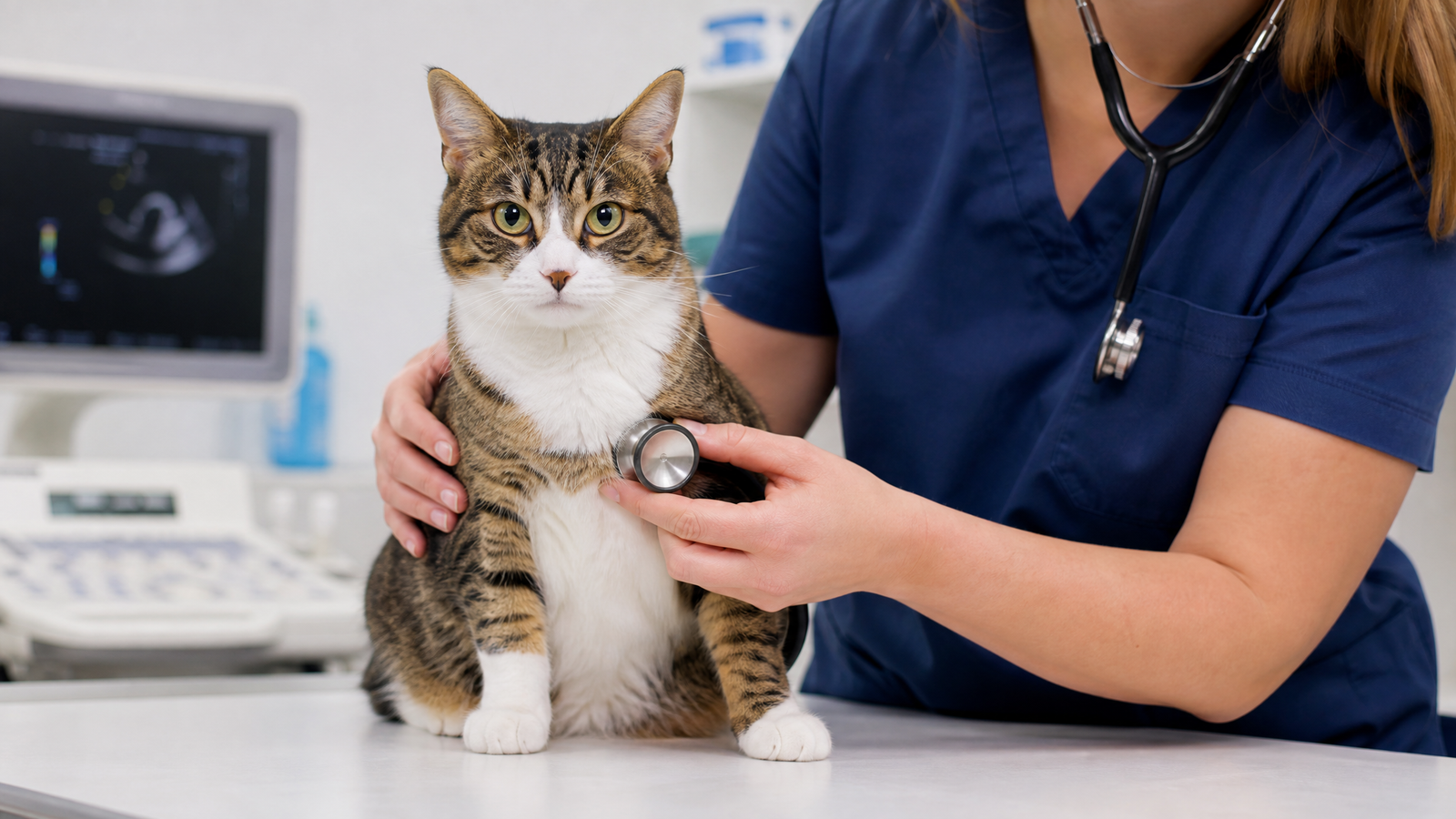
For new cat owners, health management can be summarized by focusing on four key areas: vaccinations, health check-ups, spaying/neutering, and senior care. These aren't one-time events but rather scheduled according to your cat's age, lifestyle, and your veterinarian's recommendations, ensuring stable care from kittenhood to old age.
Key takeaways
- Kitten core vaccinations (FVRCP) are recommended at 8 weeks for the first dose and 12 weeks for the second. Adult cats should be re-evaluated for boosters every 1-3 years after completing the kitten series.
- Healthy adult cats (1-7 years old) should have a basic health check-up every 1-2 years. Senior cats (7+ years old) should have a comprehensive annual check-up including blood work, urinalysis, blood pressure, and imaging.
- The golden age for neutering/spaying is around 4-6 months for males (after testicles have fully descended) and 5-6 months for females (before their first heat cycle). This significantly reduces the risk of pyometra, mammary cancer, and testicular cancer.
- Cats enter their senior years around 7-8 years old. Common age-related diseases include chronic kidney disease (early signs: increased drinking and urination), heart disease, degenerative joint disease, and endocrine disorders, requiring close monitoring and adjusted senior care.
Quick Answer: What Should New Cat Owners Prioritize First?
- Confirm vaccination and deworming schedules.
- Establish a record of regular health check-ups.
- Discuss spaying/neutering timing with your veterinarian.
- Familiarize yourself with your cat's daily appetite, water intake, elimination habits, and energy levels.
Welcoming a furry feline companion into your home is one of life's most joyful moments. However, behind that happiness lies a significant responsibility. To ensure your beloved cat stays healthy and happy by your side for over a decade, understanding and implementing basic medical care is the most crucial task for any owner.
Don't worry! Cat health management isn't as complicated as you might think. Today, CatGarden is here to break down the four essential pillars of your cat's lifelong health: vaccinations, health check-ups, spaying/neutering, and senior care, so you can master them in one go and become the most reliable cat parent!
Stop 1: Vaccinations — Building an Impenetrable Defense Network
Vaccines are the first and most effective line of defense against highly contagious and often fatal diseases. Even "indoor-only" cats can contract illnesses from pathogens brought in by their owners, making vaccinations a necessary step for every cat!
Core Vaccines: The Feline "3-in-1"
This is the most basic and crucial vaccine for cats in Taiwan, protecting against three deadly diseases:
- Feline Panleukopenia (Feline Distemper): An extremely potent virus with a very high mortality rate, severely affecting the digestive and immune systems.
- Feline Herpesvirus (FHV): A primary cause of upper respiratory infections (cat flu) in cats, leading to sneezing, runny nose, and conjunctivitis.
- Feline Calicivirus (FCV): Causes oral ulcers and arthritis, leading to a significant decrease in appetite due to pain.
Recommended Vaccination Schedule
- Kittens: First dose at 8 weeks of age, second dose at 12 weeks of age.
- Adult Cats: After completing the kitten vaccination series, booster shots are recommended every 1-3 years, in consultation with your veterinarian.
Stop 2: Regular Health Check-ups — Your Cat's Health Radar
Cats are natural "ninjas," masters at hiding pain and discomfort. By the time you notice obvious symptoms, the disease has often progressed to its middle or late stages. Regular health check-ups act as a health radar, helping us detect potential problems early and seize the golden window for treatment.
Recommended Check-up Frequency
- Healthy Adult Cats (1-7 years old): A basic physical examination and blood test are recommended every 1-2 years.
- Mature/Senior Cats (7+ years old): As physical functions begin to decline, a comprehensive health check-up is recommended at least once a year. This should include blood and urine tests, blood pressure measurement, and imaging (such as ultrasound).
###
Stop 3: Timely Spaying/Neutering — Love Your Cat, Don't Let Them Suffer
Spaying or neutering is not just about preventing unwanted litters; it's a surgical procedure that offers significant benefits for your cat's physical and mental well-being.
N Benefits of Spaying/Neutering
- Helps Maintain Health: Significantly reduces the risk of pyometra, tumors, and mammary cancer in female cats. In males, it helps prevent testicular cancer and certain prostate issues.
- Improves Behavior: Effectively reduces howling, inappropriate urination, aggression, and the urge to roam associated with heat cycles.
- Longer Lifespan: Studies show that sterilized cats tend to live longer on average, due to reduced risks of hormone-related diseases and fights from roaming.
Golden Timing for Spaying/Neutering
- Male Cats: Around 4-6 months of age, after the testicles have fully descended.
- Female Cats: Around 5-6 months of age, before their first heat cycle. (Consult your veterinarian for precise timing and assessment.)
Stop 4: Senior Care — Gently Accompanying Your Cat's Golden Years
Once cats reach 7-8 years of age, they officially enter their senior years. During this stage, their physical functions gradually decline, requiring our extra care and attention.
Common Senior Cat Diseases
- Chronic Kidney Disease (CKD): The leading cause of death in cats. Early symptoms include increased thirst and urination.
- Heart Disease: Can lead to difficulty breathing and sudden death.
- Osteoarthritis: Cats may become less willing to jump and move more slowly.
- Endocrine diseases such as diabetes and hyperthyroidism.
Three Key Aspects of Senior Cat Care
- Intensive Health Monitoring: Follow your veterinarian's advice for regular check-ups and monitoring of various health indicators.
- Dietary and Environmental Adjustments: Provide senior-specific, easily digestible food and create an accessible, cat-friendly environment.
- Nutritional Supplement Support: Senior cats have reduced digestive absorption and immune function. Timely supplementation can offer extra support. The gut is the root of immunity; daily intake of high-quality probiotics can help maintain a balanced gut flora and promote nutrient absorption. For example, CatGarden's Specialized Probiotics is a formula specifically designed for cats, helping to regulate digestion and strengthen senior cats' natural immunity.
Key Points for Digestive Care Summary
Your cat's health is in your hands. By establishing correct medical concepts—regular prevention, early detection, timely sterilization, and attentive care—we can build a strong health defense for our furry family members, allowing them to accompany us happily through every moment.
Frequently Asked Questions (FAQ)
When should I take my cat to the vet?
If your cat shows decreased energy, loss of appetite, frequent vomiting, abnormal breathing, signs of pain, or worsening symptoms, seek veterinary attention promptly. Do not rely solely on home observation.
Can supplements alone improve their health?
Supplements can only serve as daily support and cannot replace a complete diet, environmental management, or veterinary diagnosis. If obvious symptoms are present, the underlying cause should be identified first.
References
CatGarden | A luxury cat-only hotel in Banqiao, offering boarding and grooming services.
Further Reading
- Cat Heart Disease Diet Considerations | 3 Dietary Pitfalls & Prevention Tips
- How to Interpret Abnormal Cat Pupil Signs | 4 Warning Signs & When to See a Vet
- Early Signs of Cat Illness | 7 Key Warnings & Observation Tips
FAQ
Do indoor-only cats need vaccinations?
Yes. Even indoor cats can be exposed to pathogens brought in by owners from outside. Therefore, core vaccinations are essential protection for all cats.
At what age are male and female cats recommended for neutering/spaying?
Male cats are recommended for neutering around 4-6 months old, after their testicles have fully descended. Female cats are recommended for spaying around 5-6 months old, before their first heat cycle. The exact timing should be discussed and evaluated with a veterinarian.
What abnormal symptoms warrant an immediate vet visit?
If your cat shows lethargy, decreased appetite, frequent vomiting, abnormal breathing, signs of pain, or worsening symptoms, seek veterinary care immediately. Do not rely solely on home observation.
Can supplements alone improve a cat's illness?
No. Supplements can only provide supplementary support and cannot replace a complete diet, environmental management, or professional veterinary diagnosis. If your cat has noticeable symptoms, seek veterinary care first to determine the exact cause.
CatGarden offers curated supplies, cat boarding, and grooming
Book services or shop online.