Cat Poop Color Health Chart: 5 Stool Colors, Causes, and Warning Signs
The litter box is actually a health observation station. Stool color, shape, smell, and frequency can all provide important clues. Cat poop color can reflect diet, digestion, and overall health. This article explains the possible causes of normal poop, black poop, red poop, yellow poop, and grayish-white poop.
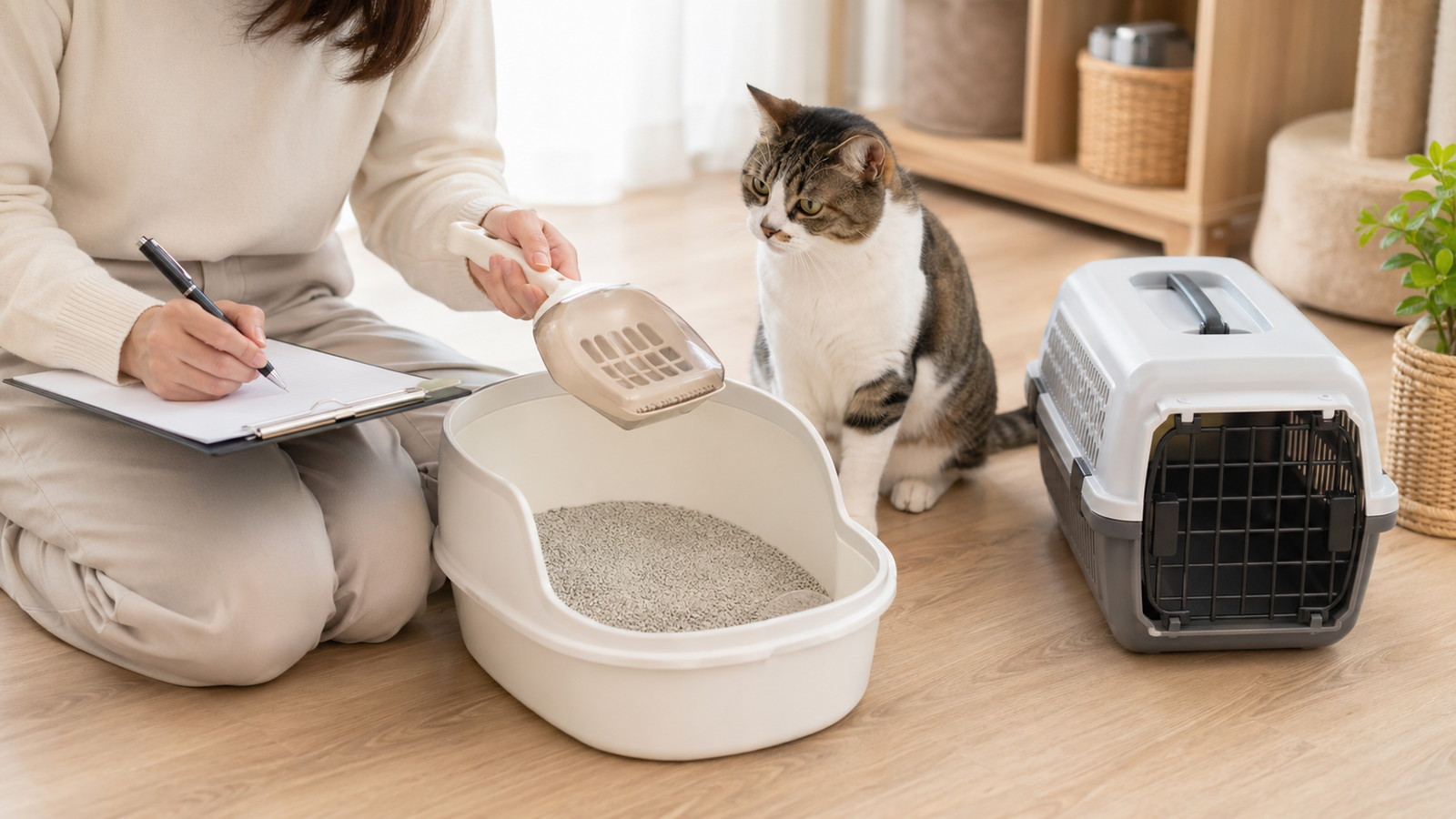
The litter box is actually a health observation station. Stool color, shape, smell, and frequency can all provide important clues.
Cat poop color can reflect diet, digestion, and overall health. This article explains the possible causes of normal poop, black poop, red poop, yellow poop, and grayish-white poop.
Key takeaways
- Healthy cat poop should be chocolate brown, fully formed like small cigars, with a firm yet pliable texture that holds its shape when picked up.
- Bright red or bloody stool in cats typically indicates bleeding in the lower digestive tract, such as the colon, rectum, or anus. This can be caused by anal fissures, parasites, food allergies, or enteritis.
- Tarry, black, asphalt-like stool is a warning sign of bleeding in the upper digestive tract (esophagus, stomach, or small intestine) and is an emergency requiring immediate veterinary attention.
- Grayish-white or clay-colored stool may indicate insufficient bile production or a bile duct obstruction. If the stool has small white specks resembling sesame seeds on the surface, it could be tapeworm segments.
- Dark green or yellowish-green stool usually means food is passing through the digestive tract too quickly, preventing bile from being fully broken down before excretion. This is common with imbalances in gut flora or gallbladder issues.
Look at Shape First, Then Color: The Ideal State of Cat Poop
Before observing the color, let's understand what healthy poop should look like. Ideal cat poop should be:
- Shape: A complete, full log or oval shape, like a small cigar.
- Consistency: Moderately firm, easy to pick up without crumbling, not too dry and hard, and not mushy or watery.
If the poop is too hard and pellet-like, it might indicate constipation or insufficient water intake. If it's too soft and unformed, pay attention to potential indigestion or diarrhea.
Decoding Cat Poop Colors: Health Messages Revealed by 5 Colors
1. 【Health Indicator】 Normal "Chocolate Brown"
Congratulations! This is the ideal healthy color. Normal brown indicates that your cat's digestive system is functioning well and bile secretion is normal. If the consistency is slightly softer, it might just be mild indigestion or a transition period from changing food; you can continue to observe.
2. 【Red Flag】 Bright Red or Blood at the End
Seeing red in the poop will surely alarm any owner. This usually indicates bleeding in the "lower digestive tract" (such as the colon, rectum, or anus).
- Possible Causes: Stool that is too dry and hard causing anal fissures, intestinal parasites (like coccidia), food allergies, or enteritis.
- Owner's Action: First, check if constipation is the cause and recall if you've recently changed the cat food. If it persists or there's significant bleeding, it's recommended to collect a fresh stool sample and take your cat to the vet as soon as possible.
3. 【Emergency Situation】 Tar-like "Black Stool"
This is the color that requires the most vigilance! Black, tarry stool indicates that blood has been digested and broken down in the digestive tract, signifying bleeding in the "upper digestive tract" (such as the esophagus, stomach, or small intestine).
- Possible Causes: Stomach ulcers, accidental ingestion of sharp foreign objects, poisoning, or more serious internal issues.
- Owner's Action: Do not hesitate; this is an emergency situation. Take your cat to the vet immediately!
4. 【Potential Problem】 Grayish-White or Clay-Colored
If the poop is grayish-white and appears to lack color, it might indicate insufficient bile secretion or a bile duct obstruction, affecting the function of the liver, gallbladder, or pancreas.
- Additional Note: If there are only "small white specks" on the surface of the stool, resembling white sesame seeds, these are likely tapeworm segments, indicating your cat needs deworming!
- Owner's Action: Whether the stool is generally grayish-white or shows signs of parasites, you should seek veterinary attention promptly for a thorough examination.
5. 【Digestive Discomfort】 Dark Green or Yellow-Green
Green poop usually means that food is passing through the digestive tract too quickly, preventing bile from being fully broken down before expulsion.
- Possible Causes: Imbalance of gut flora, gallbladder issues, or specific dietary components. This color of stool is often accompanied by diarrhea or soft stools.
- Owner's Action: You can start by observing your cat's energy levels and appetite, and consider "supplementing good bacteria" for your cat's digestive system.
How to Help Your Cat Maintain Gut Health and Produce Perfect Poop Every Day?
The gut is the first line of defense for your cat's health and is crucial for nutrient absorption. In addition to monitoring health through stool color, daily digestive care is essential. To help your cat build a strong digestive system and stabilize gut flora, you can supplement your cat's food daily with CatGarden Probiotics.
It provides high-quality beneficial bacteria to help improve indigestion, soft stools, or occasional constipation, allowing your cat to produce ideal "golden stools" smoothly every day!
Starting today, no more holding your nose and scooping quickly. Take an extra ten seconds to observe, and you'll become the most knowledgeable cat health guardian!
What color is your cat's poop? Feel free to share your "poop-watching" experiences in the comments below!
Frequently Asked Questions FAQ
When Should I See a Vet?
If your cat shows decreased energy, loss of appetite, persistent vomiting, abnormal breathing, pain, or rapid worsening of symptoms, it's recommended to contact your veterinarian as soon as possible.
Can I Observe at Home First?
Minor and temporary changes can be recorded and observed, but if pain, neurological issues, breathing problems, or abnormal urination/defecation or eating are involved, delaying is not recommended.
References
CatGarden | Banqiao Villa-style Cat-Only Hotel, Offering Boarding and Grooming Services.
Further Reading
- Early Signs of Cat Illness: 7 Major Warning Signs and Observation Points
- Cat Vomiting Causes: Vomit Color, Warning Signs, and When to See a Vet
- How to Read Abnormal Cat Pupil Signs: 4 Warning Signs and When to See a Vet
FAQ
What does black, tarry cat stool indicate?
Black stool signifies digested blood, indicating bleeding in the upper digestive tract (esophagus, stomach, or small intestine). Potential causes include stomach ulcers, ingestion of foreign objects, or poisoning. This is an emergency requiring immediate veterinary care.
What causes small white specks on cat feces?
If there are small white specks resembling sesame seeds on the surface of the stool, it is likely tapeworm segments, indicating the cat has intestinal parasites and requires deworming.
What should I do if my cat's stool contains bright red blood?
Bright red blood usually indicates lower digestive tract bleeding. Owners should first check if constipation has caused an anal fissure and confirm if there have been recent diet changes. If bleeding is persistent or heavy, collect a fresh stool sample and take the cat to the vet as soon as possible.
What are the characteristics of healthy cat stool in terms of shape and texture?
Ideal stool should be fully formed and log-shaped or oval, with a firm yet pliable texture that holds its shape when picked up, neither too dry and hard nor too soft and mushy.
CatGarden offers curated supplies, cat boarding, and grooming
Book services or shop online.