The 7-Day Painless Food Transition Method: How to Correctly Switch Cat Food and Say Goodbye to Loose Stools and Vomiting
A cat's gut microbiome is highly sensitive, and sudden food changes can disrupt their digestive environment, leading to mild loose stools or severe vomiting. Cat Garden Hotel uses a 7-day gradual food transition process for all resident cats, significantly reducing digestive issues during their stay.
A cat's gut microbiome is highly sensitive, and sudden food changes can disrupt their digestive environment, leading to mild loose stools or severe vomiting. Cat Garden Hotel uses a 7-day gradual food transition process for all resident cats, significantly reducing digestive issues during their stay. Here's a detailed explanation of the daily food transition ratios and key precautions to help you successfully transition your feline friend's diet.
Key takeaways
- When switching your cat's food, it's recommended to use a gradual transition over 7 to 10 days: Days 1-2: 75% old food, 25% new food. Days 3-4: 50% each. Days 5-6: 25% old food, 75% new food. By Day 7, you can smoothly transition to 100% new food.
- If your cat experiences persistent soft stools or vomiting during the food transition, immediately revert to the previous old-to-new food ratio to allow the gut flora more time to adjust.
- When selecting a new food, prioritize simple ingredients with high-quality animal-based fresh meat as the primary component, while also considering palatability. This helps reduce gastrointestinal burden and the risk of picky eating during the transition.
- Ensure a continuous supply of clean drinking water during the food transition period to aid digestion. Also, temporarily suspend the offering of other new treats to accurately identify the cause of any digestive discomfort.
Why Can't You Rush Food Changes? Understanding Your Cat's "Sensitive Stomach"
A cat's digestive system relies on specific gut bacteria to process certain foods. When you suddenly introduce a new food, these bacteria, much like employees suddenly given a new job description, can't immediately adapt to the new ingredients and nutritional ratios. This leads to indigestion, resulting in problems like loose stools and diarrhea. Therefore, giving the digestive tract a buffer and adaptation period is crucial for a successful food transition!
The Veterinarian-Recommended "7-Day Food Transition Method" - Just Follow These Steps!
"Gradual food transition" is the highly recommended and correct approach. We can use 7-10 days to gradually adjust the ratio of old and new food, allowing your cat's digestive system to adapt slowly.
- Days 1-2: Familiarization Phase
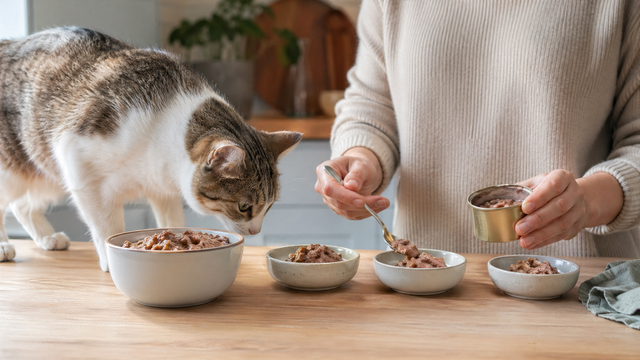
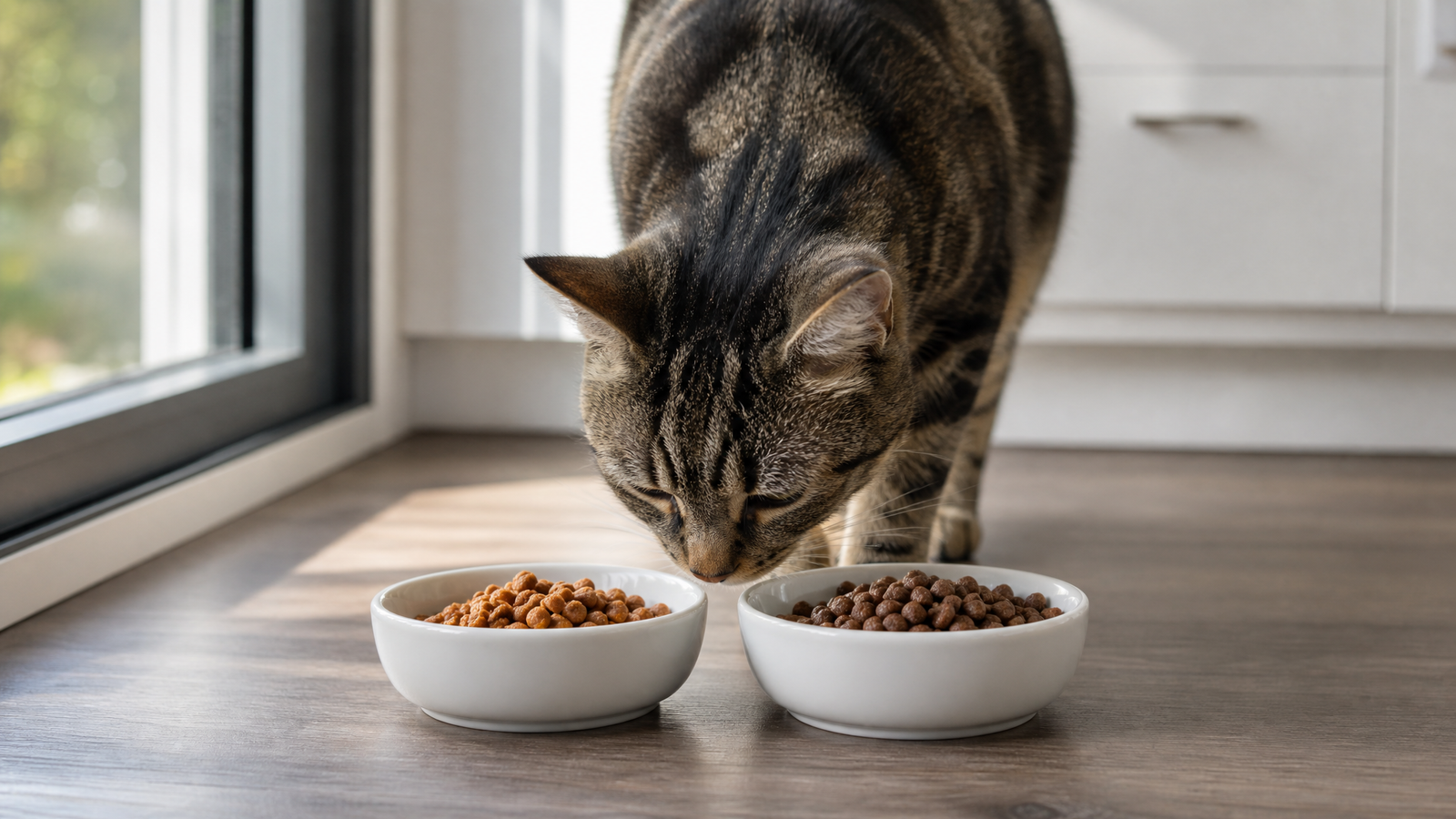
75% Old Food + 25% New FoodStart by letting your cat get used to the smell and texture of the new food. Observe their acceptance and stool consistency. - Days 3-4: Adaptation Phase
50% Old Food + 50% New FoodIf the first two days went well, you can increase the proportion of new food to half. - Days 5-6: Transition Phase
25% Old Food + 75% New FoodBy now, your cat's digestive system has largely adapted to the new food, and you're almost there! - Day 7: Success!
High Proportion of New FoodCongratulations! You've successfully transitioned your cat to a new food!
Important Reminder: During each stage of the food transition, closely monitor your cat's appetite, energy levels, and stool consistency. If persistent loose stools or vomiting occur, revert to the previous day's ratio and give your cat more time to adapt.
How to Choose a High-Quality New Food That Your Cat Will "Painlessly Accept"?
To increase the success rate of food transitions, the "quality" and "palatability" of the new food are crucial.
- Simple Ingredients, Prioritize Meat Cats are carnivores, and their digestive systems are best equipped to handle animal protein. Choosing food with simple ingredients and high-quality fresh meat as the primary ingredient can effectively reduce the burden on their digestive system.
- Palatability is Key No matter how nutritious a food is, it's useless if your cat doesn't like it! Choosing brands that have been tested on many cats and have good reviews can significantly reduce the risk of your feline friend staging a "hunger strike."
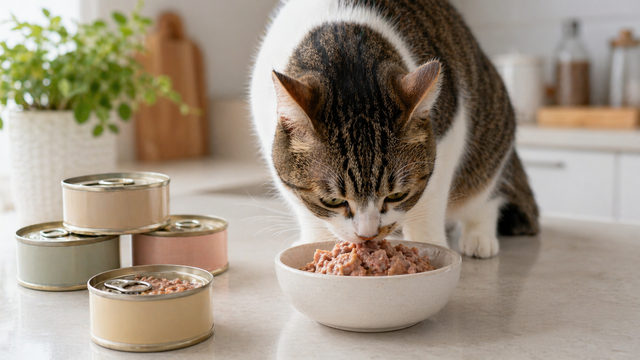
Recommended Choice: Looking for a staple food that offers both nutrition and deliciousness, greatly increasing the success rate of food transitions? We recommend CatGarden Luxurious Functional Canned Food. Not only is it made with fresh "skipjack tuna" as the primary ingredient, providing high-quality, easily digestible animal protein, but it has also undergone palatability tests on hundreds of cats, making it irresistible even to the pickiest eaters. High-quality natural ingredients can reduce the burden on your cat's digestive system during food transitions, making the process smoother!
Helpful Tips During the Food Transition Period
- Unlimited Access to Clean Drinking Water: Sufficient water aids digestion and is crucial for gut health.
- Temporarily Halt Other New Treats: Simplify the diet as much as possible during the food transition. If digestive issues arise, you can accurately pinpoint the source of the problem.
- Maintain Patience and Encouragement: Your emotions can affect your cat. Stay relaxed, approach the food transition with a normal attitude, and offer praise when your cat is willing to try the new food!
Key Points for Digestive Care Summary
Transitioning your cat's food tests not only their digestive system but also your patience and attention to detail. By following the correct steps and choosing high-quality food, you can easily upgrade your cat's diet, ensuring they eat happily and grow healthier!
Frequently Asked Questions
When Should I Consider Probiotics for My Cat?
Probiotics can be considered for daily gut health during food transitions, periods of loose stools, digestive sensitivity, stress, or fluctuating appetite. However, severe symptoms still require veterinary attention.
Can My Cat Take Probiotics Daily?
Whether daily intake is appropriate depends on the product's design and your cat's condition. For daily maintenance probiotics, follow the recommended dosage and observe changes in bowel movements and appetite.
How Long Does It Take to See Results After Taking Probiotics?
Each cat responds differently, and it usually requires continuous observation over a period. If diarrhea, vomiting, bloody stools, or lethargy persist, don't rely solely on supplements.
References
Cat Garden | A Villa-Style Cat-Only Hotel in Banqiao, Offering Boarding and Grooming Services.
Further Reading
- How to Choose Cat Food? Ingredient Analysis, Picky Eaters, and Improving Loose Stools
- What's the Difference Between Main and Complementary Wet Food? Nutritional Labels, Feeding Ratios, and Selection Methods
- What Can Cats NOT Eat? A List of Toxic Human Foods and Principles for Handling Accidental Ingestion
CatGarden offers curated supplies, cat boarding, and grooming
Book services or shop online.