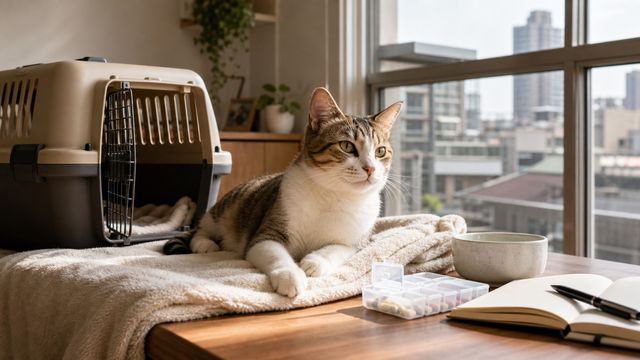
Cat Eye Redness and Discharge? Vet Explains 5 Major Eye Disease Warning Signs and the Benefits of Lysine!

A cat's eyes are like a pair of clear gems, an important window for them to explore the world and connect with us emotionally. But if these gems suddenly lose their sparkle, or even show signs of discomfort, it's a cause for great concern for any cat owner. Have you ever noticed...
CatGarden Editorial TeamPublished 2025/02/26Updated 2026/10/05
Physiological Health Management
Cat Eye Redness and Discharge? Vet Explains 5 Major Eye Disease Warning Signs and the Benefits of Lysine!

A cat's eyes are like a pair of clear gems, an important window for them to explore the world and connect with us emotionally. But if these gems suddenly lose their sparkle, or even show signs of discomfort, it's a cause for great concern for any cat owner.

Have you ever noticed your feline companion seeming to have "squinty eyes," or suddenly producing more eye discharge? Don't underestimate these changes! They are "distress signals" your cat's eyes are sending you. Today, let us teach you how to read these signals and provide the most effective solutions and prevention methods!

Key takeaways

  • Healthy cats typically have only a small amount of clear or light brown eye discharge. Large amounts of yellow or green sticky discharge indicate a severe bacterial infection requiring veterinary treatment with medication.
  • Cloudy or foggy eyes in cats can be serious warning signs of conditions like corneal ulcers, cataracts, or glaucoma. Delayed treatment can lead to permanent vision loss or even blindness.
  • Feline herpesvirus (FHV-1) infection remains latent in a cat's body for life and can easily relapse under stress, during seasonal changes, or when immunity is low. It is one of the main causes of conjunctivitis and eye discharge.
  • L-Lysine inhibits feline herpesvirus replication by competing with 'arginine,' which the virus needs for replication. It is a dietary supplement and cannot replace conventional medical treatment.

5 Major Distress Signals from Your Cat's Eyes: Can You Read Them?

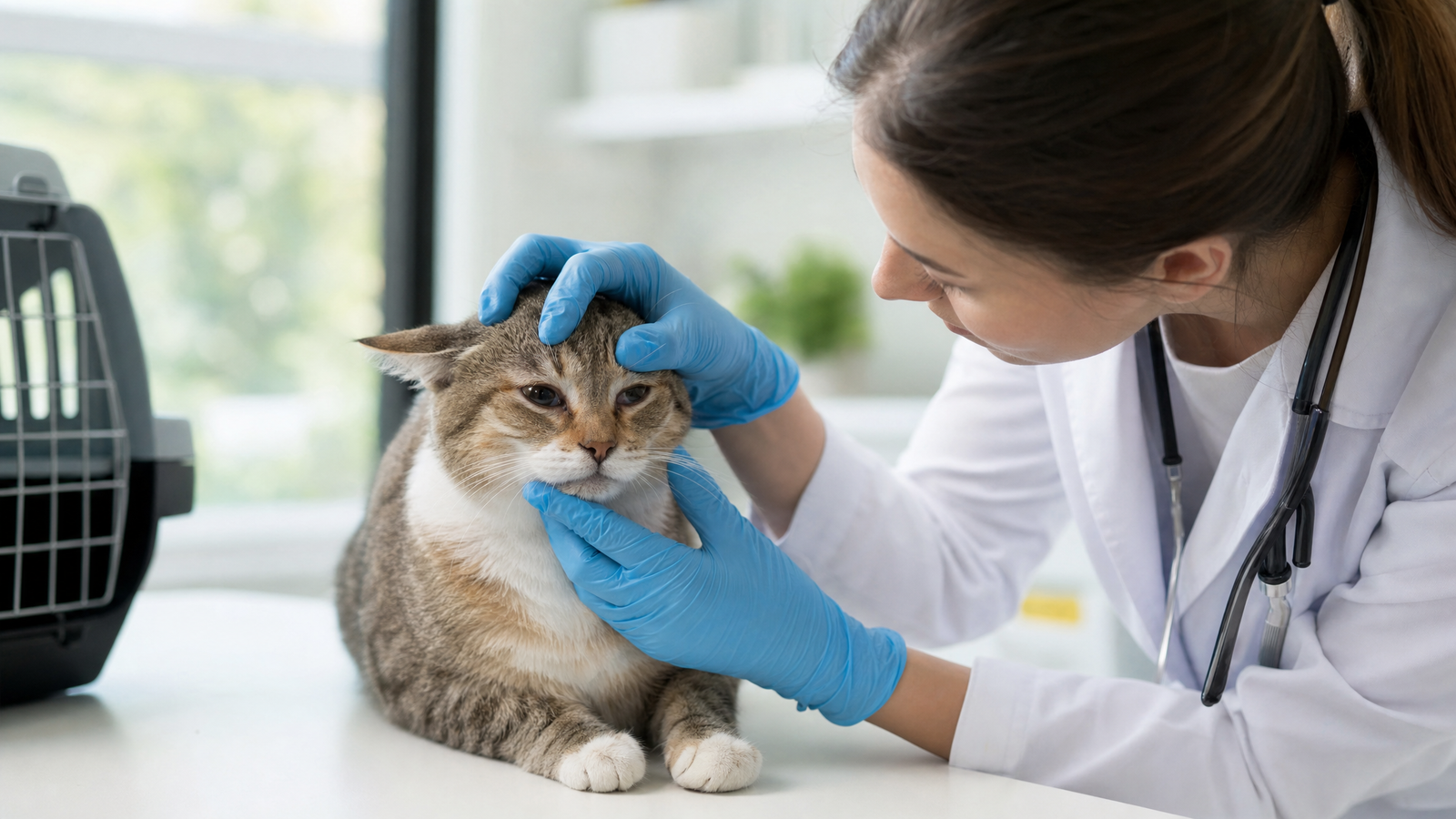
When a cat's eyes are uncomfortable, they can't tell you directly. However, through the following 5 behavioral and physical changes, you can detect abnormalities in time:

Signal ①: Constant Blinking, Squinting

This is the most common warning sign, indicating a foreign body sensation, pain, or light sensitivity in the cat's eyes.

  • Possible Causes: Corneal scratches, foreign objects (dust or hair) entering the eye, dry eyes.
  • Response: You can try gently rinsing the cat's eyes with sterile saline solution. If the condition doesn't improve, seek veterinary attention promptly.

Signal ②: Swollen Eyelids, Like a Rabbit's Eyes

Redness and swelling of the conjunctiva around the eyes are typical signs of inflammation.

  • Possible Causes: Bacterial or viral infections (conjunctivitis), allergic reactions.
  • Response: This is a clear indicator of inflammation. Take your cat to the veterinarian immediately for examination; medication is usually required.

Signal ③: Thick, Abnormal Discharge

Healthy cats only have a small amount of clear or light brown eye discharge. If there's a large amount of yellow or green thick discharge, it indicates a severe bacterial infection.

  • Possible Causes: Bacterial conjunctivitis, secondary infection due to nasolacrimal duct obstruction.
  • Response: This is definitive evidence of infection! A veterinarian must diagnose and prescribe eye drops or oral medication for treatment.

Signal ④: Excessive Tearing, Becoming a "Crybaby"

Overproduction of tears leaves the area around the cat's eyes constantly wet, sometimes even causing tear stains.

  • Possible Causes: Allergies, irritants, entropion (eyelids turning inward), nasolacrimal duct obstruction, viral infections.
  • Response: If tearing is sudden, check for irritants. If it's a chronic issue, a veterinarian needs to identify the underlying cause.

Signal ⑤: Cloudy Eyeball, Foggy Appearance

This is the most serious signal requiring vigilance! It indicates that the internal structures of the eyeball may already be damaged.

  • Possible Causes: Corneal ulcers, cataracts, glaucoma.
  • Response: Urgent! Take your cat to the vet immediately! Delaying treatment could lead to permanent vision loss or even blindness!

What we use for this

CatGarden’s own products, shipped from Taiwan
See all products
Pro L-Lysine SupplementPro L-Lysine SupplementFrom CA$26.10 per boxFree shipping on multi-packs

The Number One Enemy of Cat Eye Diseases: Feline Herpesvirus (FHV-1)

Did you know? The real culprit behind many recurring cases of conjunctivitis, tearing, and sneezing in cats is actually the "feline herpesvirus."

This virus is highly contagious and, once contracted, remains dormant in the cat's body for life. When a cat experiences stress, seasonal changes, or a weakened immune system, the virus can reactivate, triggering various eye and respiratory problems. This is why many cats' eye issues seem to come and go repeatedly.

How to Combat Feline Herpes? "Lysine" is Your Super Ally!

Since feline herpesvirus cannot be eradicated, what we can do is "inhibit it" and prevent it from causing trouble. "Lysine (L-Lysine)" is recognized in the veterinary community as the most effective and safest nutritional supplement.

Lysine works by competing with "arginine," which the virus needs for replication, thereby inhibiting the herpesvirus's ability to multiply. Simply put, it deprives the virus of "food," preventing it from multiplying and causing havoc.

Regularly supplementing your cat with high-quality lysine can not only:

  • Effectively alleviate symptoms like eye redness and increased discharge caused by the herpesvirus.
  • Significantly reduce the frequency of viral recurrence.
  • Boost overall immunity, helping your cat fight off viruses.

We highly recommend CatGarden's Pro L-Lysine Supplement, which provides high-purity L-lysine that can be most effectively absorbed and utilized by cats. Its excellent palatability makes it easy for cats to consume, making it the best daily supplement choice for preventing and alleviating your cat's eye problems.

Daily Home Care: 3 Tips to Keep Your Cat's Eyes Bright

  • Gentle Cleaning: Regularly use pet-specific wipes or sterile cotton pads dipped in warm water or saline solution to gently wipe away discharge from around your cat's eyes.
  • Balanced Nutrition: Ensure your cat's diet is rich in nutrients beneficial for eye health, such as taurine, vitamin A, and vitamin E.
  • Environmental Management: Maintain a clean home environment, reducing irritants like dust, secondhand smoke, and fragrance products to lower the chances of allergies.

Protecting your cat's eyes, the windows to their soul, requires your careful observation. Pay attention regularly and combine it with daily supplements like CatGarden's Pro Lysine to ensure your beloved cat always has clear and bright eyes!

Frequently Asked Questions

When should a cat be supplemented with lysine?

If your cat frequently sneezes, tears up, experiences respiratory discomfort during seasonal changes, or has recurring symptoms during stressful periods, discuss with your veterinarian whether lysine supplementation is appropriate.

Can lysine replace a vet visit?

No. Lysine is a supplementary health product. If your cat has thick nasal discharge, loss of appetite, fever, difficulty breathing, or appears lethargic, seek veterinary attention as a priority.

What's the best way to administer lysine?

Follow the product instructions, mixing it with food or wet food. The key is consistent intake and observation of the reaction. If your cat refuses to eat, forced feeding is not recommended as it can cause stress.

References

CatGarden | A luxury cat-only hotel in Banqiao, offering boarding and grooming services.

Further Reading

CatGarden offers curated supplies, cat boarding, and grooming

Book services or shop online.
Back

Blog

Cat Eye Redness and Discharge? Vet Explains 5 Major Eye Disease Warning Signs and the Benefits of Lysine!

CatGarden Editorial TeamPublished 2025/02/26Updated 2026/10/05
Physiological Health Management
Cat Eye Redness and Discharge? Vet Explains 5 Major Eye Disease Warning Signs and the Benefits of Lysine!

A cat's eyes are like a pair of clear gems, an important window for them to explore the world and connect with us emotionally. But if these gems suddenly lose their sparkle, or even show signs of discomfort, it's a cause for great concern for any cat owner.

Have you ever noticed your feline companion seeming to have "squinty eyes," or suddenly producing more eye discharge? Don't underestimate these changes! They are "distress signals" your cat's eyes are sending you. Today, let us teach you how to read these signals and provide the most effective solutions and prevention methods!

Key takeaways

  • Healthy cats typically have only a small amount of clear or light brown eye discharge. Large amounts of yellow or green sticky discharge indicate a severe bacterial infection requiring veterinary treatment with medication.
  • Cloudy or foggy eyes in cats can be serious warning signs of conditions like corneal ulcers, cataracts, or glaucoma. Delayed treatment can lead to permanent vision loss or even blindness.
  • Feline herpesvirus (FHV-1) infection remains latent in a cat's body for life and can easily relapse under stress, during seasonal changes, or when immunity is low. It is one of the main causes of conjunctivitis and eye discharge.
  • L-Lysine inhibits feline herpesvirus replication by competing with 'arginine,' which the virus needs for replication. It is a dietary supplement and cannot replace conventional medical treatment.

5 Major Distress Signals from Your Cat's Eyes: Can You Read Them?

When a cat's eyes are uncomfortable, they can't tell you directly. However, through the following 5 behavioral and physical changes, you can detect abnormalities in time:

Signal ①: Constant Blinking, Squinting

This is the most common warning sign, indicating a foreign body sensation, pain, or light sensitivity in the cat's eyes.

  • Possible Causes: Corneal scratches, foreign objects (dust or hair) entering the eye, dry eyes.
  • Response: You can try gently rinsing the cat's eyes with sterile saline solution. If the condition doesn't improve, seek veterinary attention promptly.

Signal ②: Swollen Eyelids, Like a Rabbit's Eyes

Redness and swelling of the conjunctiva around the eyes are typical signs of inflammation.

  • Possible Causes: Bacterial or viral infections (conjunctivitis), allergic reactions.
  • Response: This is a clear indicator of inflammation. Take your cat to the veterinarian immediately for examination; medication is usually required.

Signal ③: Thick, Abnormal Discharge

Healthy cats only have a small amount of clear or light brown eye discharge. If there's a large amount of yellow or green thick discharge, it indicates a severe bacterial infection.

  • Possible Causes: Bacterial conjunctivitis, secondary infection due to nasolacrimal duct obstruction.
  • Response: This is definitive evidence of infection! A veterinarian must diagnose and prescribe eye drops or oral medication for treatment.

Signal ④: Excessive Tearing, Becoming a "Crybaby"

Overproduction of tears leaves the area around the cat's eyes constantly wet, sometimes even causing tear stains.

  • Possible Causes: Allergies, irritants, entropion (eyelids turning inward), nasolacrimal duct obstruction, viral infections.
  • Response: If tearing is sudden, check for irritants. If it's a chronic issue, a veterinarian needs to identify the underlying cause.

Signal ⑤: Cloudy Eyeball, Foggy Appearance

This is the most serious signal requiring vigilance! It indicates that the internal structures of the eyeball may already be damaged.

  • Possible Causes: Corneal ulcers, cataracts, glaucoma.
  • Response: Urgent! Take your cat to the vet immediately! Delaying treatment could lead to permanent vision loss or even blindness!

What we use for this

CatGarden’s own products, shipped from Taiwan
See all products
Pro L-Lysine SupplementPro L-Lysine SupplementFrom CA$26.10 per boxFree shipping on multi-packs

The Number One Enemy of Cat Eye Diseases: Feline Herpesvirus (FHV-1)

Did you know? The real culprit behind many recurring cases of conjunctivitis, tearing, and sneezing in cats is actually the "feline herpesvirus."

This virus is highly contagious and, once contracted, remains dormant in the cat's body for life. When a cat experiences stress, seasonal changes, or a weakened immune system, the virus can reactivate, triggering various eye and respiratory problems. This is why many cats' eye issues seem to come and go repeatedly.

How to Combat Feline Herpes? "Lysine" is Your Super Ally!

Since feline herpesvirus cannot be eradicated, what we can do is "inhibit it" and prevent it from causing trouble. "Lysine (L-Lysine)" is recognized in the veterinary community as the most effective and safest nutritional supplement.

Lysine works by competing with "arginine," which the virus needs for replication, thereby inhibiting the herpesvirus's ability to multiply. Simply put, it deprives the virus of "food," preventing it from multiplying and causing havoc.

Regularly supplementing your cat with high-quality lysine can not only:

  • Effectively alleviate symptoms like eye redness and increased discharge caused by the herpesvirus.
  • Significantly reduce the frequency of viral recurrence.
  • Boost overall immunity, helping your cat fight off viruses.

We highly recommend CatGarden's Pro L-Lysine Supplement, which provides high-purity L-lysine that can be most effectively absorbed and utilized by cats. Its excellent palatability makes it easy for cats to consume, making it the best daily supplement choice for preventing and alleviating your cat's eye problems.

Daily Home Care: 3 Tips to Keep Your Cat's Eyes Bright

  • Gentle Cleaning: Regularly use pet-specific wipes or sterile cotton pads dipped in warm water or saline solution to gently wipe away discharge from around your cat's eyes.
  • Balanced Nutrition: Ensure your cat's diet is rich in nutrients beneficial for eye health, such as taurine, vitamin A, and vitamin E.
  • Environmental Management: Maintain a clean home environment, reducing irritants like dust, secondhand smoke, and fragrance products to lower the chances of allergies.

Protecting your cat's eyes, the windows to their soul, requires your careful observation. Pay attention regularly and combine it with daily supplements like CatGarden's Pro Lysine to ensure your beloved cat always has clear and bright eyes!

Frequently Asked Questions

When should a cat be supplemented with lysine?

If your cat frequently sneezes, tears up, experiences respiratory discomfort during seasonal changes, or has recurring symptoms during stressful periods, discuss with your veterinarian whether lysine supplementation is appropriate.

Can lysine replace a vet visit?

No. Lysine is a supplementary health product. If your cat has thick nasal discharge, loss of appetite, fever, difficulty breathing, or appears lethargic, seek veterinary attention as a priority.

What's the best way to administer lysine?

Follow the product instructions, mixing it with food or wet food. The key is consistent intake and observation of the reaction. If your cat refuses to eat, forced feeding is not recommended as it can cause stress.

References

CatGarden | A luxury cat-only hotel in Banqiao, offering boarding and grooming services.

Further Reading

One email a month of cat-care tips

Hand-picked care, behavior and grooming tips once a month. Subscribe and we will send you our three most-read articles right away.

Keep reading