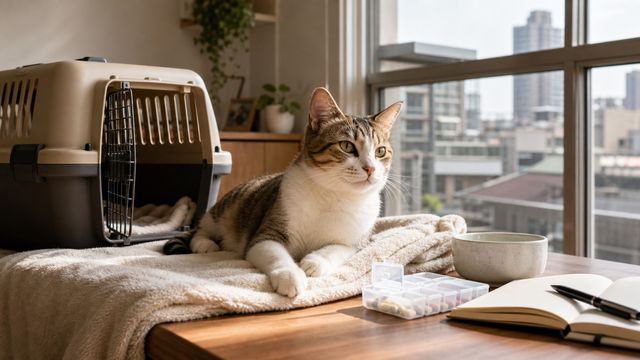
Signs Your Cat Is Nearing the End of Life: 5 Common Changes, Care, and Farewell Preparations
Facing the end of your cat's life, the most important thing for owners is to observe changes, reduce suffering, and discuss palliative care or future arrangements with a veterinarian. Signs a cat may show before passing include hiding, decreased appetite, reduced activity, changes in breathing, or abnormal elimination. This article summarizes common signs and key care points.
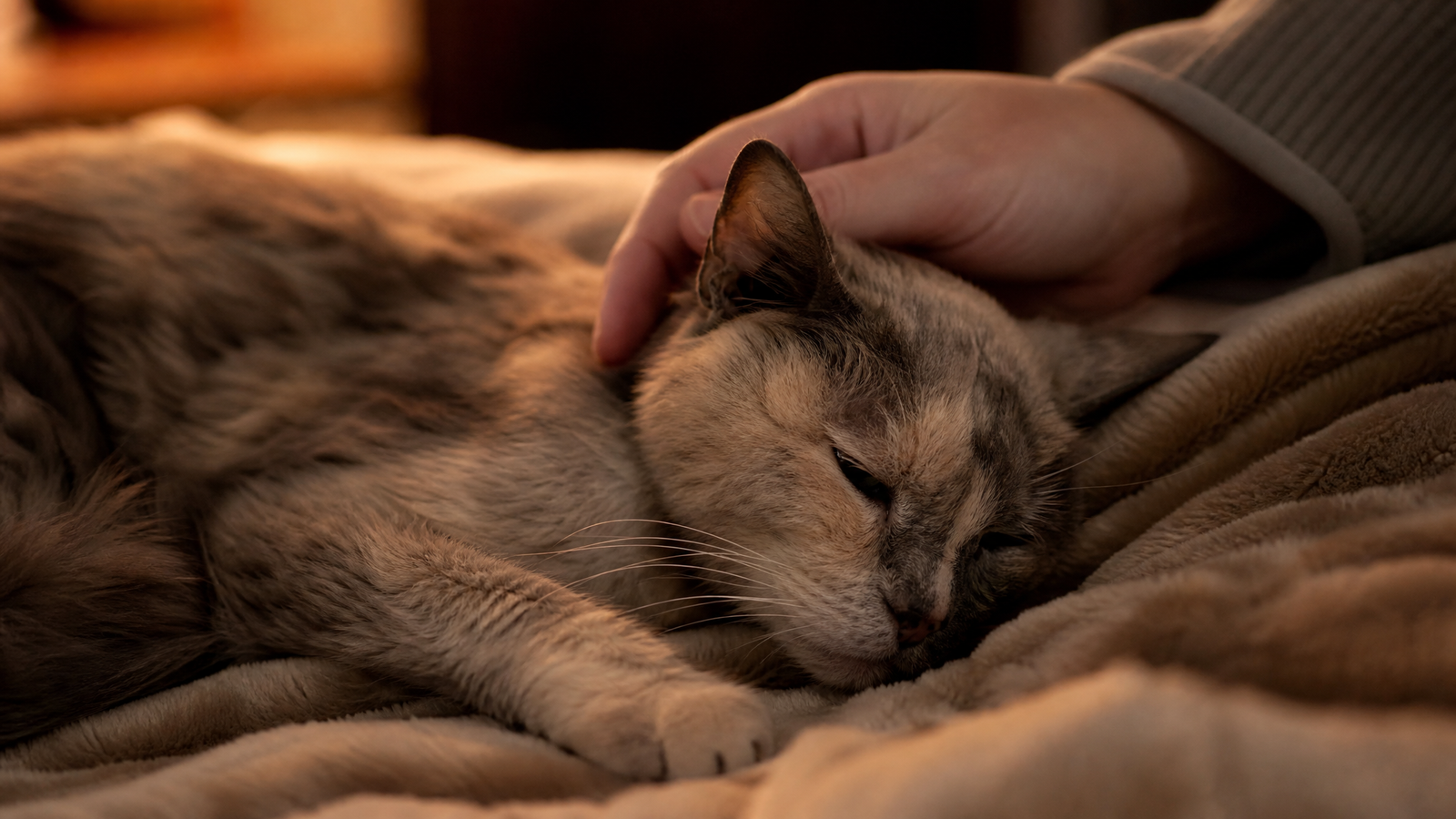
Facing the end of your cat's life, the most important thing for owners is to observe changes, reduce suffering, and discuss palliative care or future arrangements with a veterinarian.
Signs a cat may show before passing include hiding, decreased appetite, reduced activity, changes in breathing, or abnormal elimination. This article summarizes common signs and key care points.
Key takeaways
- 5 common signs a cat is nearing the end of life include: extreme behavioral changes (unusually clingy or deliberately hiding), loss of interest in favorite things, loss of appetite (no longer eating or drinking), weight loss with dull fur, and abnormal breathing with declining body temperature at the extremities.
- When a cat is nearing the end of life and has lost its appetite, do not force-feed them, as this can cause additional discomfort and stress.
- In the final moments of life, a cat's breathing may become shallow and rapid, deep and slow, or even pause briefly. The temperature at the extremities, such as the paws and ear tips, will also gradually cool down.
- The core of palliative care is companionship and pain relief. This can involve creating a quiet, warm resting environment, offering highly palatable liquid or pureed food that is easy to swallow, and discussing pain management with a veterinarian.
I. Psychological and Behavioral Shifts: Your Kitty is Saying Goodbye to the World
1. Extreme Reactions: Unusually Clingy or Deliberately Hiding
Every cat has a unique personality, and their ways of saying goodbye can vary greatly. Some cats may act out of character, becoming extremely clingy, craving the warmth of their owner's body and scent during their final moments. However, more cats will follow their instincts and seek out the most hidden, quiet corners of the house to hide away. This isn't because your cat doesn't love you anymore; it's an ancestral instinct. When they feel most vulnerable, they don't want to be discovered, as it's their way of protecting themselves.
2. Loss of Interest: No Enthusiasm for Favorite Things
The feather wand that used to send your kitty into a frenzy, their favorite treats, the birds outside the window – none of these can capture your cat's attention anymore. When a cat loses interest in everything that once sparked their vitality, sleeps for extended periods, or seems indifferent to their surroundings, it's a signal that their body is slowly "shutting down."
II. Signals from the Body: The Flow of Life Energy Fades
3. Refusal to Eat or Drink: No Longer Consuming Food and Water
As your cat's bodily functions begin to decline, their digestive system will also slow down. Cats will lose their desire for food and water, which is one of the most common and heartbreaking signs of the end of life. At this point, please do not force-feed them, as it may cause them additional discomfort and stress.
4. Changes in Appearance and Stamina: Losing Their Sparkle
You'll notice a rapid decrease in your cat's weight, their body becoming thin. Their once soft fur may become matted and lose its luster because they are too weak to groom themselves. Your cat will no longer jump onto their favorite spot; even walking may seem labored and unsteady. They will spend most of their time lying down weakly.
5. Changes in Breathing and Body Temperature: The Final Chapter of Life
In their final moments, you may observe your cat's breathing becoming shallow and rapid, or deep and slow, possibly even with brief pauses in breathing. The temperature of their extremities (like paws and ear tips) will gradually decrease, becoming cold.
Palliative Care We Can Provide: Paving the Last Mile with Love
When we observe these signs, it means our focus should be on companionship, not treatment.
- Create a Quiet and Comfortable Corner: In the spot your cat chooses, lay down soft, warm blankets, dim the lights, and allow your cat to rest peacefully in an undisturbed environment.
- Gentle Companionship: You don't need many words. Just quietly stay by your cat's side, gently petting them in places they are still willing to be touched. Your presence itself is the greatest comfort.
- Provide Nutritious Support for Comfort: Even with a poor appetite, we can offer some highly palatable liquid or pureed food so they can enjoy a taste when they are willing. At this time, CatGarden's [Luxury Functional Cans] would be a good choice. Its smooth mousse texture requires no effort to chew, and its rich aroma can slightly stimulate their appetite, allowing your cat to still experience a hint of the joy of "eating" at the end of their life. This is the gentlest taste memory we can give them.
- Consult Your Veterinarian: You can discuss palliative care options with your veterinarian, such as pain management, to do your best to alleviate your cat's physical suffering.
While the passing of a life is sad, the love and gentle companionship we provide will become the warmest light in your cat's heart, guiding them peacefully on their next journey. Thank you, my cat, for coming into my life.
Frequently Asked Questions FAQ
When Should I Seek Veterinary Care?
If your cat's energy level drops significantly, they have a decreased appetite, persistent vomiting, abnormal breathing, are in pain, or their condition is rapidly worsening, it is recommended to contact your veterinarian as soon as possible.
Can I Observe at Home First?
Minor and temporary changes can be recorded and observed. However, if pain, neurological issues, breathing problems, abnormal elimination, or feeding difficulties are involved, delaying veterinary attention is not recommended.
CatGarden | A villa-style pure cat hotel in Banqiao, offering boarding and grooming services.
Further Reading
- Signs Your Cat Is Sick: 7 Warning Signs and Observation Points
- Causes of Cat Vomiting: Vomit Color, Warning Signs, and When to See a Vet
- How to Interpret Abnormal Cat Pupils? 4 Warning Signs and When to Seek Veterinary Care
\n
→ Learn about CatGarden's Specialized Probiotics
FAQ
Why do cats hide when they are close to death?
This is an instinct inherited from their ancestors. Cats want to avoid being discovered when they are most vulnerable, and hiding in a secluded, quiet corner is a way to protect themselves.
What should I do if my cat stops eating and drinking in its final stages of life?
At this point, do not force-feed, as it can cause additional stress. Offer highly palatable liquid or pureed food when the cat is willing to eat, and consult with your veterinarian about palliative care and pain management.
What changes in breathing and body temperature can occur before a cat passes away?
A cat's breathing may become shallow and rapid, deep and slow, or even experience brief pauses. The temperature at the extremities, such as the paws and ear tips, will gradually decrease and become cold.
When should I contact a veterinarian immediately?
If your cat's energy levels decline, appetite decreases, they are vomiting continuously, have abnormal breathing, are in pain, or their condition is rapidly worsening, or if there are neurological or excretory issues, it is recommended to contact a veterinarian immediately. Delay is not advised.
CatGarden offers curated supplies, cat boarding, and grooming
Book services or shop online.