Debunking Cat Care Myths: Is a Multi-Cat Household Truly Less Lonely? Do Cats Really Not Need Socialization? 6 Common Kitten Rearing Mistakes New Owners Should Understand
The conclusion first: The biggest fear in cat ownership isn't a lack of affection, but mistaking myths for common sense. In 2026, discussions about "old-fashioned cat care bugs" have emerged on social media, such as the idea that multi-cat households are never lonely, cats are naturally independent and don't need companionship, and that wand toys can make cats feral.

Key takeaways
- Cats need 5 to 10 minutes of consistent and predictable short interaction daily (like playing with a wand toy or grooming). Long-term neglect can lead to nighttime zoomies, excessive vocalization, or destructive behaviors.
- When using a wand toy, simulate prey movement and allow the cat to successfully catch the toy, finishing with a treat. This completes the natural 'hunt-catch-eat-rest' cycle, preventing frustration-induced attacks on hands and feet.
- Scolding, chasing, or spraying cats with water only makes them associate owners with danger, and they may learn to 'behave when you're around, misbehave when you're not.' Environmental management and positive reinforcement should replace punishment.
- Indoor cats often have insufficient activity and become overweight from free-feeding. Obesity increases the risk of diabetes, joint strain, and urinary problems. It's recommended to feed measured meals based on veterinary advice and food calorie content, or use slow feeders.
- If a cat suddenly hides, reduces appetite or water intake, or shows abnormal elimination changes for over 24 to 48 hours, or if accompanied by vomiting, difficulty breathing, bloody urine, or limping, it's often an early sign of illness requiring prompt veterinary attention.
The Conclusion First: The Biggest Fear in Cat Ownership Isn't Lack of Affection, But Mistaking Myths for Common Sense
In 2026, social media has seen many discussions about "old-fashioned cat care bugs," such as the belief that multi-cat households are never lonely, cats are naturally independent and don't need companionship, and that wand toys can make cats feral. These statements might sound reasonable, but they can lead owners to overlook stress, illness, and environmental needs.
The most troublesome aspect of cat care myths is that they are often packaged as anecdotal evidence. Every cat's personality, age, health, and living space are different. Truly safe care practices should be based on behavioral signals, veterinary advice, and sustainable daily management.
Why Did Cat Care Myths Become a Focus in 2026?
In recent years, Taiwanese cat owners have had more exposure to cat behavior classes, owner lectures, and pet health content. People are starting to realize that many methods used "in the past" are not necessarily suitable for modern indoor cat living.
- The proportion of indoor cats has increased, making cats more reliant on environmental enrichment.
- The number of multi-cat households has grown, and conflicts are not always visible to owners.
- There are many sources of information for new owners, but short videos tend to oversimplify things.
- The proportion of senior cats has increased, and behavioral changes are often related to health.
Therefore, rather than seeking a "one-size-fits-all solution," it's more important to first dismantle incorrect assumptions.
Common Cat Care Myth 1: Getting Another Cat Solves Loneliness
Many people believe that if a cat is lonely, simply getting another one will fix it. However, cats are territorial animals that value resource allocation. Without a gradual introduction, this can lead to chasing, blocking doorways, fighting over litter boxes, hiding, or decreased appetite.
The key to a multi-cat household isn't the "number" of cats, but whether resources are sufficient. Litter boxes, water bowls, food bowls, scratching posts, beds, and vertical spaces should all be placed separately to avoid forcing weaker cats closer to sources of stress.
Common Cat Care Myth 2: Cats Are Naturally Aloof and Don't Need Socialization
While cats may not be as overtly affectionate as dogs, it doesn't mean they don't need interaction. Many cats express connection by rubbing against people, following them around, slow blinking, sitting nearby, or making soft vocalizations. If owners consistently ignore these cues, cats may resort to nocturnal zoomies, excessive meowing, or destructive behaviors to release stress.
A better approach is to schedule short interactive sessions daily, such as 5 to 10 minutes of wand toy play, grooming, or scent games. The focus should be on consistency and predictability, rather than exhausting the cat in one long session.
Common Cat Care Myth 3: Wand Toys Make Cats Feral
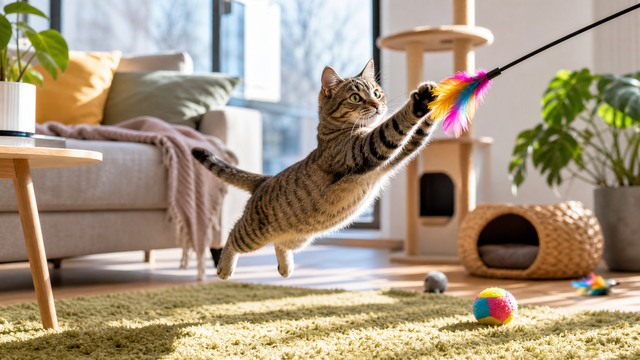
Wand toys do not make cats feral; incorrect play does. If cats are constantly chasing but never catching their "prey," or if owners use their hands and feet instead of toys, cats may learn to bite, attack feet, or attack moving objects in the middle of the night.
The correct way to play is to simulate prey movement: hide, pause, make short sprints, and finally, let the cat successfully catch the toy. Conclude the session with some food or treats. This completes the natural cycle of "hunt—catch—eat—rest."
Common Cat Care Myth 4: Scolding a Cat Immediately After a Mistake Teaches Them
Scolding, chasing, or spraying water usually only makes cats associate their owners with danger. Cats don't necessarily understand "I shouldn't scratch the sofa"; they might instead learn "I can't scratch when people are around," and continue doing it when no one is looking.
More effective methods involve environmental management and positive reinforcement. For example, place scratching posts near the sofa, use materials that attract cats, and immediately reward them when they scratch the correct item. If the problem persists, check for stress, boredom, overgrown nails, or incorrect placement of scratching posts.
Common Cat Care Myth 5: Cats Can Regulate Their Own Food Intake
Some cats can self-regulate, but many indoor cats have insufficient activity levels, and free-feeding can easily lead to weight gain. Obesity increases the risk of diabetes, joint problems, and urinary issues, especially for senior cats who need regular weight monitoring.
It's recommended to portion food based on veterinary advice, the calorie content of the food, and weight goals. If a cat eats too quickly, use slow feeders, puzzle toys, or multiple small meals to make eating more akin to natural hunting.
Common Cat Care Myth 6: A Cat Hiding Means It's Just Shy
Hiding is sometimes normal resting behavior, but if a cat suddenly stops coming out, eats or drinks less, refuses interaction, or has abnormal elimination, it cannot be simply attributed to personality. Cats are good at hiding pain, and behavioral changes are often early signs of illness.
Owners can track appetite, water intake, urine output, stool, activity levels, and vocalizations. If changes persist for more than 24 to 48 hours, or are accompanied by vomiting, difficulty breathing, blood in urine, or limping, seek veterinary attention immediately.
How Can New Owners Avoid Being Misled by Cat Care Myths?
- Observe Signals First: Ears, tail, pupils, and body tension are more reliable than isolated anecdotes.
- Adjust the Environment First: Litter boxes, water sources, scratching posts, hiding spots, and vertical spaces are the foundation for most issues.
- Rule Out Illness First: Sudden aggression, inappropriate urination, hiding, or changes in appetite can be related to physical discomfort.
- Avoid Punishment: Guidance, alternative behaviors, and rewards are usually more effective than scolding.
Frequently Asked Questions (FAQ)
Are Cat Care Myths Always Wrong?
Not necessarily. Some anecdotal advice may apply to specific cats but shouldn't be universally applied. Judgment should be based on the cat's age, health, environment, and stress signals.
Which Cat Care Myth Do New Owners Most Easily Believe?
The most common is the belief that cats are very independent, so they don't need companionship, training, or environmental arrangements. In reality, indoor cats rely heavily on stable routines and appropriate stimulation.
Is a Multi-Cat Household Always Better?
Not necessarily. If cats have incompatible personalities, insufficient resources, or were introduced too quickly, a multi-cat household can cause chronic stress. Whether to add a cat should be based on an assessment of space, budget, and the existing cat's condition.
Can Cat Behavioral Problems Be Resolved Independently?
For minor issues, start by adjusting the environment, interactions, and routines. If aggression, inappropriate urination, refusal to eat, excessive hiding, or signs of pain occur, consult a veterinarian or a professional cat behaviorist.
CatGarden | Banqiao Luxury Cat Hotel, offering boarding and grooming services.
Further Reading
- My Cat Doesn't Listen to Training? 2026 Guide to Positive Reinforcement: 5 Techniques to Get Your Cat to Cooperate
- Your Cat Asks for Petting But Suddenly Bites? 5 Body Signals and Safe Interaction Methods Every Owner Should Know in 2026
- What to Do When Your Cat Goes Wild at Night? 3 Major Reasons and Pre-Sleep Adjustments Every Owner Should Know in 2026
- What to Do About Cat Separation Anxiety? 5 Common Signs and Improvement Methods for Working Owners
Conclusion: Replace Myths with Observation, and Your Cat Will Live More Securely
Truly good cat care isn't about memorizing all the rules, but about being willing to observe your cat, adjust the environment, and seek professional help when needed. If you are arranging for business trips, moving, or multi-cat care, a cat hotel or in-home care service can also help maintain a stable routine, allowing your cat to feel more secure within a familiar rhythm.
→ Learn about CatGarden · The Brand Closest to Cats
FAQ
Can getting another cat solve the problem of the original cat being lonely?
Not necessarily. Cats value territory and resource allocation. Without gradual introductions or sufficient resources, it can lead to chasing, blocking doors, fighting over litter boxes, hiding, or decreased appetite, causing long-term stress.
Will playing with a cat using a wand toy make the cat wild?
No. Wand toys won't make a cat wild. However, if the cat is constantly prevented from catching the 'prey' or if hands and feet are used instead of toys, the cat may become frustrated and learn to bite, attack feet, or attack moving objects in the middle of the night.
Is it effective to immediately scold or spray a cat with water when it scratches the sofa?
Usually ineffective. This only makes the cat associate the owner with danger and may even learn to continue scratching when the owner is not present. A more effective method is to place scratching posts near the sofa and provide positive reinforcement when the cat uses them correctly.
Is a cat hiding all the time just because it's shy?
Not necessarily. While hiding can be normal rest behavior, if the cat suddenly stops coming out, eats or drinks less, or has abnormal elimination for over 24 to 48 hours, it could be an early sign of discomfort or illness, and prompt veterinary care is recommended.
Can indoor cats self-regulate their food intake with free-feeding?
Many indoor cats, due to insufficient activity, become overweight from long-term free-feeding, increasing the risk of diabetes, joint strain, and urinary problems. It's recommended to feed measured meals based on target weight or use puzzle feeders.
CatGarden offers curated supplies, cat boarding, and grooming
Book services or shop online.