Can You Use a Showerhead to Bathe Your Cat? Consider Water Pressure, Sound, and Ladle-Style Rinsing First
Why do some cats get nervous at the sound of a showerhead? Many owners find that their cats aren't afraid of the water itself, but are first startled by the sound of the showerhead. The echoes in the bathroom, the sound of water hitting the floor, and the sudden spray of water near their bodies can make cats feel unpredictable.
Key takeaways
- The source of a cat's anxiety during baths is often not the water itself, but the sound of the showerhead, bathroom echoes, and the sudden spray of water on their body, which makes them feel out of control.
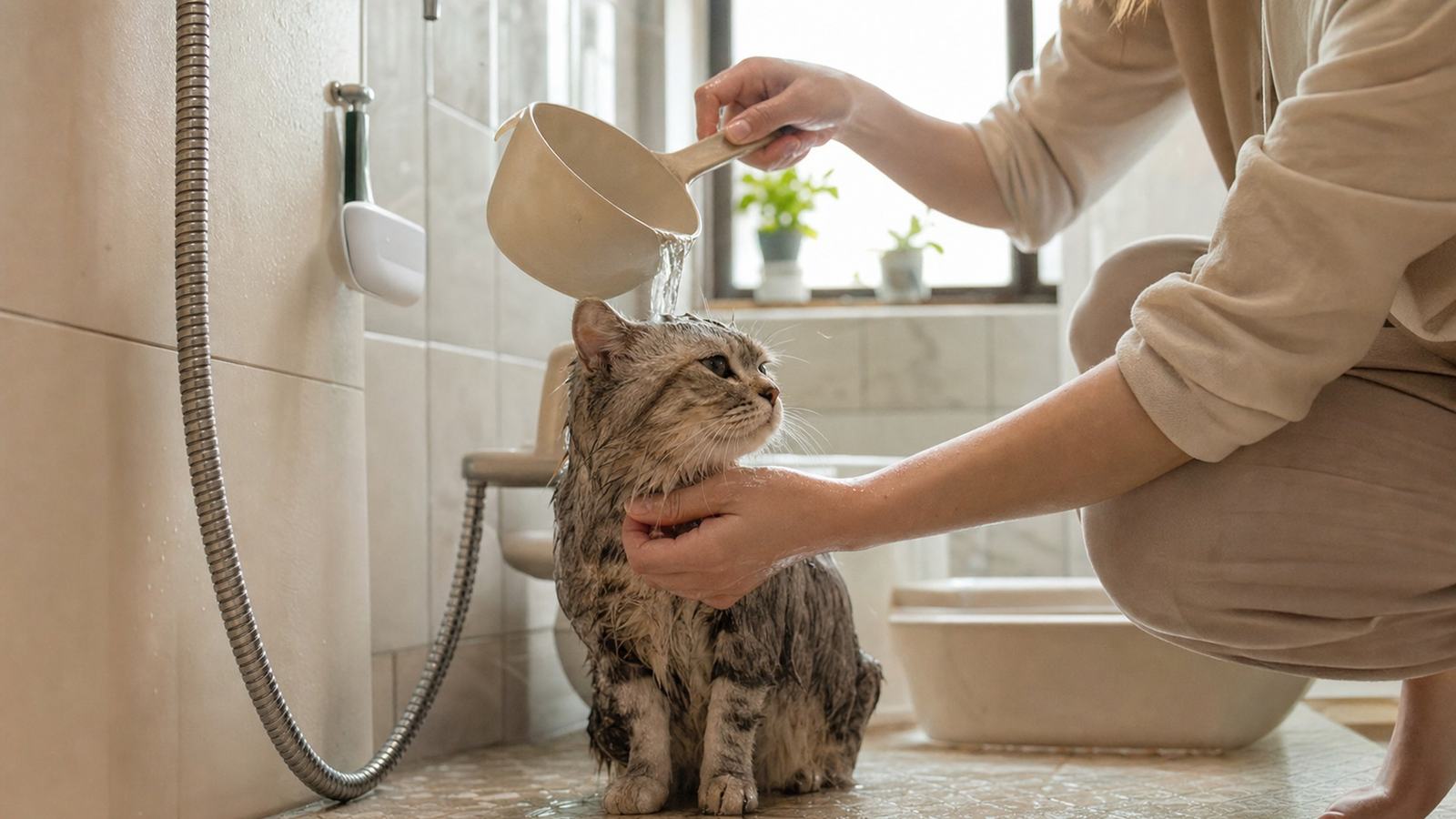
- A showerhead is suitable for cats that are relatively calm, can tolerate the sound of water, and have dense fur that needs quick rinsing of shampoo. A ladle or cup for rinsing is better for timid cats, those afraid of noise, or cats being bathed at home for the first time, as it produces less noise and allows for better control over water placement.
- The water temperature for bathing cats should be close to their body temperature, feeling warm but not hot, typically a bit cooler than human bathwater. Water pressure should be started at the lowest setting, and once the flow is stable, it can be brought closer to the cat. Never turn on the water suddenly near the cat.
- The recommended bathing sequence starts from the paws, hindquarters, and back, finishing with the chest and neck. The head and face can be wiped with a damp towel, avoiding direct water spray on the face, ears, and nose.
- If the cat struggles violently, pants, breathes with its mouth open, drools, has dilated pupils, or becomes so stiff that it cannot be soothed, stop immediately. Wrap the cat in a towel, turn off the water, and help it calm down.
Why Do Some Cats Get Nervous at the Sound of a Showerhead?
Many owners find that when preparing to bathe their cats, the cats aren't afraid of the water itself, but are first startled by the sound of the showerhead. The echoes in the bathroom, the sound of water hitting the floor, and the sudden spray of water near their bodies can make cats feel unpredictable. For sensitive, timid, or cats with previous uncomfortable bathing experiences, turning on the showerhead is like an alarm.
Cats highly value a sense of control. When the water is loud, the pressure is strong, and the floor is slippery, they'll want to escape even more. Especially in Taiwan where most homes have small bathrooms, a nervous cat might easily jump onto the sink, toilet, or scratch people. To make bath time go smoothly, the key isn't to force a quick wash, but to first reduce stimulation and let them know that each step won't happen suddenly.
What we use for this
CatGarden’s own products, shipped from Taiwan Quick-Dry Pet TowelFrom CA$49.35 per pieceFree shipping on multi-packs
Showerhead, Ladle-Style Rinsing, and Bathing: Which is Suitable for Which Cat?
A showerhead is suitable for cats that are relatively stable, can tolerate the sound of water, have a lot of fur, and need quick rinsing of shampoo. When using it, turn down the water pressure, keep the spray close to the body, and slowly rinse from the back and hindquarters forward, avoiding direct contact with the face, ears, and nose. If the showerhead has a gentle or low-pressure mode, it will be more suitable for cats than a concentrated strong stream.
Ladle-style rinsing is more suitable for timid cats, those afraid of sounds, or cats being bathed at home for the first time. You can prepare warm water in a basin and then slowly pour it using a ladle or small cup. The sound of the water is quieter, and it's easier to control the location. Soaking is not suitable for most cats unless the cat is very relaxed, the tub is shallow, and someone is stably supporting them throughout the process; otherwise, they may become more anxious due to losing footing.
Before Bathing Your Cat at Home, Adjust Water Pressure, Temperature, and Flow
Before starting the cat bath, it's recommended to prepare the bathroom beforehand and not search for towels or shampoo halfway through. Place a non-slip mat on the bathroom floor, close the door but maintain ventilation, and keep towels, drying equipment, and cat-specific shampoo within reach. If you have a small bathroom, clear out jumping routes in advance to prevent the cat from bumping into obstacles when panicked.
The water temperature should be close to the cat's body temperature, feeling warm but not hot, usually a little lower than the temperature for human hot showers. Turn the water pressure down to the minimum first, and once the water flow is stable, approach the cat. Do not suddenly turn on the water next to them. The bathing order can start from the paws, hindquarters, and back, and finally the chest and neck. It's recommended to wipe the head and face with a damp towel.
Shampoo and Rinsing Time Also Affect Stress
You must use cat-specific shampoo for bathing cats. Human shampoos, body washes, or essential oil products are not recommended. Taiwan's humid summers can cause skin to become stuffy, but you shouldn't over-scrub just to "clean" them. The longer the shampoo stays on, the more impatient the cat will become. When rinsing, ensure all the foam is completely removed to prevent residue from causing itching.
If your cat has thick or easily tangled fur, brushing it out before bathing is more important than pulling during the bath. Tangled fur becomes tighter when wet and is more difficult to dry, potentially making the entire process very long. For long-haired cats, elderly cats, or easily stressed cats, shortening the bath time is usually more practical than aiming for a perfect wash every time.
What Reactions During Bathing Warrant an Immediate Pause?
If the cat starts struggling violently, panting, breathing with its mouth open, drooling, has dilated pupils, or becomes so stiff that it cannot be soothed, you should stop immediately. These reactions are not just "disliking the bath"; they may indicate that the stress has exceeded their tolerance level. At this point, wrap the cat in a towel, turn off the water, and help them return to a more stable state.
Also, pay attention to whether the cat escalates to scratching or biting, constantly tries to jump higher, slips on its hind legs, or suddenly goes limp. If the owner is afraid of being scratched and forces the bath, it will only create a worse impression of the bathroom and water sounds for the cat. Bathing a cat doesn't always require completing the entire process; if necessary, towel dry and keep them warm, and reassess whether to continue another day.
When is it Recommended to Leave it to Professional Cat Grooming?
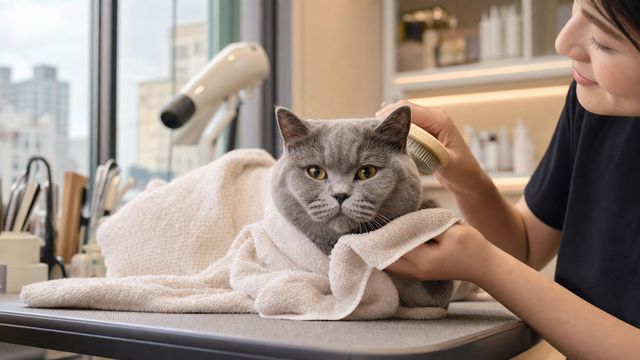
If your cat is very afraid of water, has a history of severe scratching or biting during baths, or you don't have suitable drying equipment at home, it's recommended to seek professional cat groomers who are familiar with cat behavior. The truly difficult parts of bathing a cat are often not the washing itself, but safe restraint, avoiding high-pressure stimulation, and thoroughly drying the undercoat. In Taiwan's humid environment, if the hair roots are not dry, it can lead to stuffiness, matting, and worsen skin conditions.
Long-haired cats, elderly cats, kittens, obese cats, cats with sensitive skin, or those with severe mats or soiled fur should not be handled forcefully at home. If your cat has heart disease, respiratory illness, skin disease, or has been unwell recently, consult your veterinarian before bathing. Professional cat groomers can adjust the water flow, duration, and drying methods according to the cat's personality, which is more important than simply aiming for a quick wash.
FAQ
Can I directly use a showerhead to bathe my cat?
Yes, but it depends on the cat's tolerance. The showerhead's water pressure should be low, the sound should be quiet, and the spray should not be directed at the face or ears. If the cat flees at the sound, ladle-style rinsing is usually more suitable.
How often is it good to bathe a cat?
Most healthy indoor cats do not need frequent baths; regular brushing and spot cleaning are usually sufficient. Baths are only necessary if there is oiliness, odor, dirt, or if recommended by a veterinarian. The frequency should be adjusted based on fur condition, skin status, and living environment.
Is it necessary to blow-dry a cat after bathing?
It is recommended to dry them thoroughly, especially for long-haired cats, cats with thick fur, and during Taiwan's humid seasons. Towel drying usually only handles the surface layer; the undercoat may remain damp and stuffy. Control the temperature and distance when blow-drying to avoid excessive heat or loud noise.
What should I do if my cat is very afraid of the hairdryer?
You can first pat dry with absorbent towels, then use low-volume, low-noise drying in sections. Do not point the nozzle directly at the face, nor confine the cat in a position that causes panic. If blow-drying is always a struggle, consider seeking help from a professional cat groomer.
Do I need to trim my cat's nails before bathing?
It is recommended to trim the nails a day or two before bathing to avoid the cat scratching people when stressed during the bath. Do not force trimming right before the bath, as continuous pressure may make the cat more resistant. If your cat doesn't allow nail trimming, you can ask a groomer or veterinarian for assistance.
Cat Grooming CTA
If your cat hides at the sound of the showerhead, struggles violently halfway through the bath, or you're unsure if the undercoat is truly dry, it's safer to entrust them to professional cat groomers who understand feline rhythms. Cat Garden's care experience, focused on cats, adjusts bathing and drying processes according to personality, fur volume, and stress levels, minimizing unnecessary stimulation. If you want to schedule a cat bath, de-shedding, or mat removal, you can book a consultation for suitable cat grooming services.
Further Reading
CatGarden offers curated supplies, cat boarding, and grooming
Book services or shop online.