Bathing Your Cat Like a Battle? Don't Worry! 5 Tips to Make Your Feline Friend Love Bath Time with Herbal Shampoo

"Bath time again..." Does your cat bolt under the bed at the sound of water? Does every bath turn into an action movie, leaving you soaked and scratched, with a terrified, puffed-up cat? Don't worry, you're not alone. According to veterinary behavior research...
CatGarden Editorial TeamPublished 2026/04/17Updated 2026/10/06
Daily Grooming
Bathing Your Cat Like a Battle? Don't Worry! 5 Tips to Make Your Feline Friend Love Bath Time with Herbal Shampoo

"Bath time again..." Does your cat bolt under the bed at the sound of water? Does every bath turn into an action movie, leaving you soaked and scratched, with a terrified, puffed-up cat? Don't worry, you're not alone. According to veterinary behavior research, over 70% of house cats show significant stress responses to bathing. But this doesn't mean bath time has to be a war. Today, we're sharing 5 tips tested by countless cat parents to help you and your feline companion get through it elegantly!

Key takeaways

  • According to veterinary behavior studies, over 70% of domestic cats show significant stress responses to bathing. The entire bathing process should ideally be kept within 5-10 minutes.
  • Cat skin pH is around 6.2-7.2. Human body wash should absolutely not be used; opt for gentle shampoos with plant extracts and an alkaline-free formula.
  • The recommended water temperature for bathing cats, tested with the inner elbow, should be maintained at 37-38°C. The bathing sequence should be: lower half of paws, back and sides, abdomen, and finally, towel-drying the head.
  • Over half of post-bath skin scratching and rashes are due to shampoo residue. Each area should be rinsed with low water pressure at least 2-3 times. Pay special attention to drying the armpits, abdomen, and base of the tail to prevent fungal growth.
  • Healthy indoor cats do not need frequent baths. Generally, bathing once every 1-3 months is sufficient for regular cleaning.

1. Prepare the Environment: Turn the Bathroom into a "Safe Base"

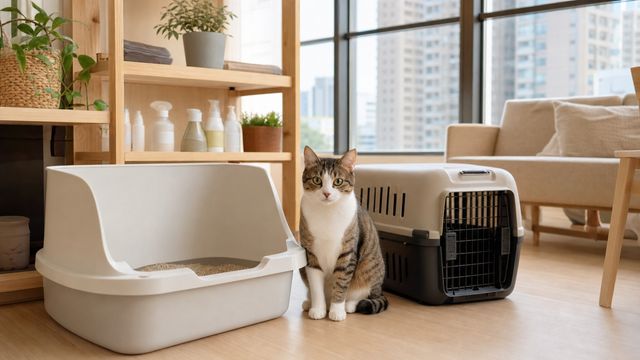
Cats fear not the water itself, but unfamiliar environments + a feeling of losing control. 30 minutes before bath time, open the bathroom door and let your cat explore on their own. Lay down a non-slip mat on the floor (cats absolutely hate slippery surfaces) and place a few familiar toys or towels to make the bathroom less of a "scary place."

Water temperature is also key – test it with your inner elbow. Around 37-38°C (98.6-100.4°F), close to the cat's body temperature, is most comfortable. Too cold, and they'll get tense; too hot, and you risk scalding their skin. Remember to fill the tub first and avoid turning on the faucet in front of your cat – the sound of running water is a major trigger for many felines!

What we use for this

CatGarden’s own products, shipped from Taiwan
See all products
Quick-Dry Pet TowelQuick-Dry Pet TowelFrom CA$49.35 per pieceFree shipping on multi-packs

2. Choose the Right Shampoo: Ingredients Matter More Than Brand

This is incredibly important. Cats' skin pH is around 6.2-7.2, different from humans, so never use human body wash. Many first-time cat owners make this mistake, resulting in dry skin and excessive scratching for their cats.

We recommend choosing gentle formulas with plant extracts and an alkaline-free base. Herbal shampoos containing natural ingredients like chamomile, mint, or tea tree are not only effective cleaners but also soothe sensitive feline skin. CatGarden's Herbal Shampoo is designed with this concept in mind, with a pH close to a cat's skin, it won't strip too much oil, leaving their fur incredibly soft.

3. Bathing SOP: Start from the Paws, Head Last

Many people start by pouring water directly onto the cat's head – please don't! This is the fastest way to make a cat instantly furious. The correct order is:

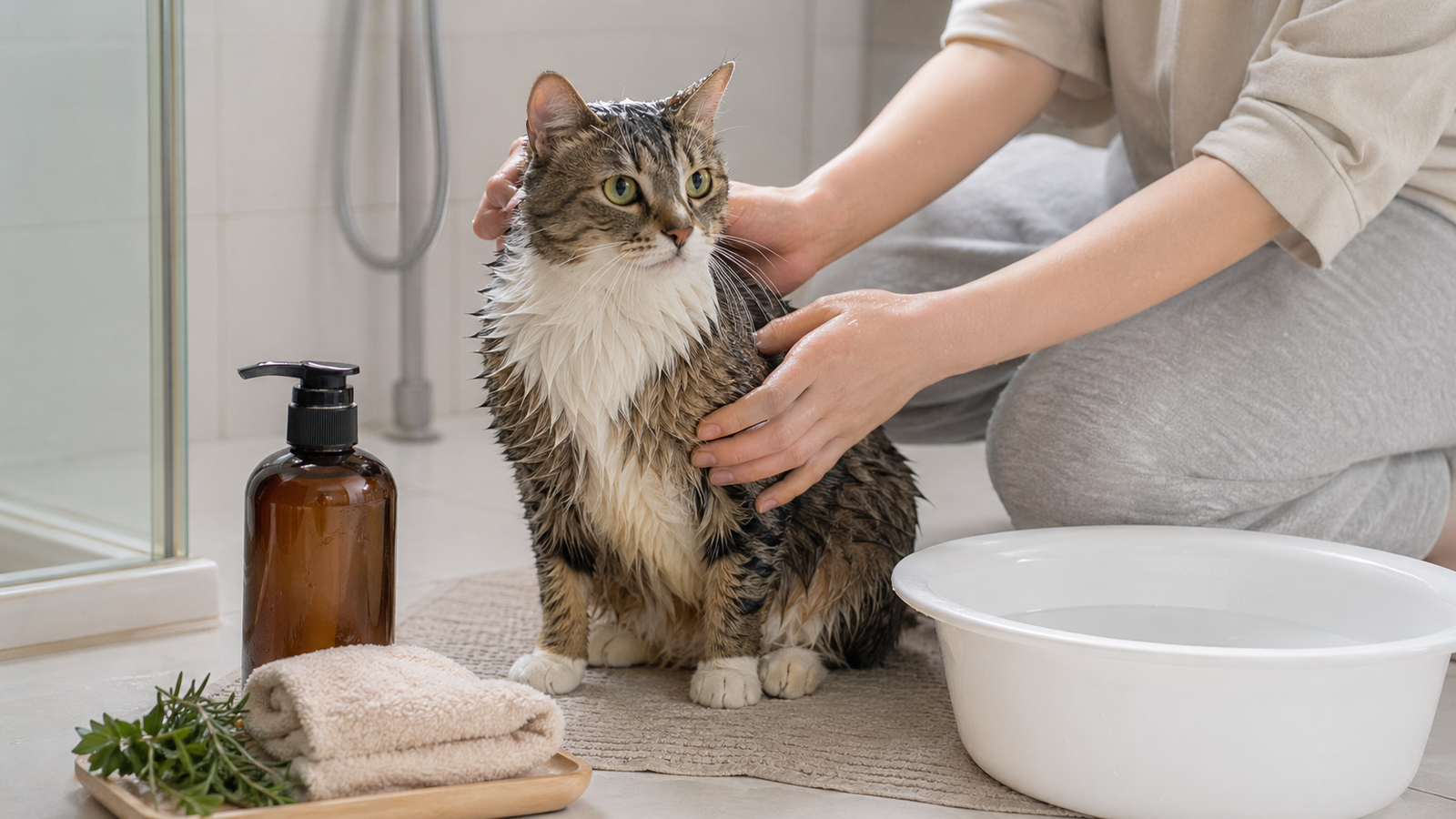
  • Wet the paws and lower body first: Use a cup to slowly pour water, letting the cat get used to the temperature.
  • Back and sides: Gently lather the shampoo along the direction of the fur.
  • Belly: Be very gentle; this is a sensitive area for cats.
  • Head last: Use a wet towel to wipe it clean. Try to avoid water getting into their ears and eyes.

The entire process should ideally be kept within 5-10 minutes. Any longer, and the cat's patience will run out, making the next bath even harder.

4. Rinsing is More Important Than Lathering: Residue is the Culprit of Skin Problems

Did you know that over half the reasons for cats scratching and developing rashes after a bath are due to shampoo residue? Leftover chemicals can damage the skin barrier, and in severe cases, lead to contact dermatitis.

When rinsing, use low water pressure and slow-moving water, rinsing from the back downwards. Rinse each area at least 2-3 times until the water runs completely clear. Pay special attention to areas like the armpits and belly, where foam can easily hide.

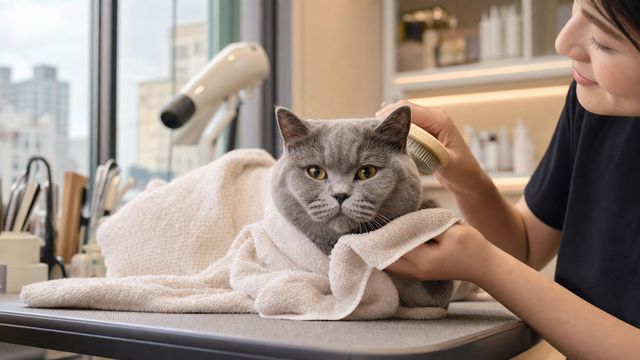
After rinsing, gently squeeze out excess water with your hands, then wrap your cat in a Quick-Dry Pet Towel. These specialized towels absorb several times more water than regular towels, significantly reducing drying time and preventing cats from becoming agitated due to prolonged blow-drying.

5. The Art of Drying: Patience is the Only Shortcut

The hairdryer is many cats' "final boss." It's recommended to use low heat and low airflow settings, keeping the dryer at least 30 cm (12 inches) away from the cat. If your feline friend is extremely afraid of the hairdryer, you can let them sniff and step on it while it's off, spending a few days on desensitization training.

While drying, use a brush to comb their fur simultaneously; this will speed up the process. Focus on the armpits, belly, and base of the tail – these areas have thick fur that's hard to dry, and residual moisture can easily lead to fungal growth.

Throughout the process, remember to talk to your cat and offer treats as rewards. Help them associate "bath time" with "good things," and they'll be less resistant next time.

Conclusion: Bathing Isn't Essential, But Doing It Right is an Act of Love

In reality, most indoor cats don't need frequent baths; once every 1-3 months is generally sufficient. But when your cat does need a bath – whether they're too clingy, have skin issues, or are preparing for a boarding stay – using the right methods and products can truly make the experience less daunting.

Every gentle bath is an accumulation of trust between you and your furry friend. Instead of aiming for "a quick bath," aim for "a bath that makes them feel safe." After all, them willingly exposing their vulnerable belly to you is the greatest sign of trust, isn't it? 🐱

Cat Grooming Appointment Suggestions

If the situations described in the article are affecting your cat's fur, skin, nails, or general hygiene, consider checking out CatGarden's Cat Grooming Services and scheduling a bath, trim, or nail clipping based on your cat's age, coat condition, and anxiety level.

Frequently Asked Questions

How often do cats need grooming or bathing?

Most healthy indoor cats don't require frequent baths. However, if they have matted fur, oily coat, odor, excessive shedding, or skin cleaning needs, grooming can be scheduled based on their coat condition.

Can fearful or anxious cats be groomed?

Yes, but the process needs to be adjusted based on the cat's personality, age, and health status. For anxious cats, it's recommended to choose a grooming environment familiar with feline behavior and avoid excessive force.

What should owners pay attention to before a cat's grooming session?

Before grooming, inform the groomer if your cat is afraid of blow dryers, has a history of skin conditions, has recently been on medication, or is experiencing any physical discomfort, to ensure a safer grooming process.

References

CatGarden | A Luxury Cat Hotel in Banqiao, Offering Boarding and Grooming Services.

Further Reading

CatGarden offers curated supplies, cat boarding, and grooming

Book services or shop online.
Back

Blog

Bathing Your Cat Like a Battle? Don't Worry! 5 Tips to Make Your Feline Friend Love Bath Time with Herbal Shampoo

CatGarden Editorial TeamPublished 2026/04/17Updated 2026/10/06
Daily Grooming
Bathing Your Cat Like a Battle? Don't Worry! 5 Tips to Make Your Feline Friend Love Bath Time with Herbal Shampoo

"Bath time again..." Does your cat bolt under the bed at the sound of water? Does every bath turn into an action movie, leaving you soaked and scratched, with a terrified, puffed-up cat? Don't worry, you're not alone. According to veterinary behavior research, over 70% of house cats show significant stress responses to bathing. But this doesn't mean bath time has to be a war. Today, we're sharing 5 tips tested by countless cat parents to help you and your feline companion get through it elegantly!

Key takeaways

  • According to veterinary behavior studies, over 70% of domestic cats show significant stress responses to bathing. The entire bathing process should ideally be kept within 5-10 minutes.
  • Cat skin pH is around 6.2-7.2. Human body wash should absolutely not be used; opt for gentle shampoos with plant extracts and an alkaline-free formula.
  • The recommended water temperature for bathing cats, tested with the inner elbow, should be maintained at 37-38°C. The bathing sequence should be: lower half of paws, back and sides, abdomen, and finally, towel-drying the head.
  • Over half of post-bath skin scratching and rashes are due to shampoo residue. Each area should be rinsed with low water pressure at least 2-3 times. Pay special attention to drying the armpits, abdomen, and base of the tail to prevent fungal growth.
  • Healthy indoor cats do not need frequent baths. Generally, bathing once every 1-3 months is sufficient for regular cleaning.

1. Prepare the Environment: Turn the Bathroom into a "Safe Base"

Cats fear not the water itself, but unfamiliar environments + a feeling of losing control. 30 minutes before bath time, open the bathroom door and let your cat explore on their own. Lay down a non-slip mat on the floor (cats absolutely hate slippery surfaces) and place a few familiar toys or towels to make the bathroom less of a "scary place."

Water temperature is also key – test it with your inner elbow. Around 37-38°C (98.6-100.4°F), close to the cat's body temperature, is most comfortable. Too cold, and they'll get tense; too hot, and you risk scalding their skin. Remember to fill the tub first and avoid turning on the faucet in front of your cat – the sound of running water is a major trigger for many felines!

What we use for this

CatGarden’s own products, shipped from Taiwan
See all products
Quick-Dry Pet TowelQuick-Dry Pet TowelFrom CA$49.35 per pieceFree shipping on multi-packs

2. Choose the Right Shampoo: Ingredients Matter More Than Brand

This is incredibly important. Cats' skin pH is around 6.2-7.2, different from humans, so never use human body wash. Many first-time cat owners make this mistake, resulting in dry skin and excessive scratching for their cats.

We recommend choosing gentle formulas with plant extracts and an alkaline-free base. Herbal shampoos containing natural ingredients like chamomile, mint, or tea tree are not only effective cleaners but also soothe sensitive feline skin. CatGarden's Herbal Shampoo is designed with this concept in mind, with a pH close to a cat's skin, it won't strip too much oil, leaving their fur incredibly soft.

3. Bathing SOP: Start from the Paws, Head Last

Many people start by pouring water directly onto the cat's head – please don't! This is the fastest way to make a cat instantly furious. The correct order is:

  • Wet the paws and lower body first: Use a cup to slowly pour water, letting the cat get used to the temperature.
  • Back and sides: Gently lather the shampoo along the direction of the fur.
  • Belly: Be very gentle; this is a sensitive area for cats.
  • Head last: Use a wet towel to wipe it clean. Try to avoid water getting into their ears and eyes.

The entire process should ideally be kept within 5-10 minutes. Any longer, and the cat's patience will run out, making the next bath even harder.

4. Rinsing is More Important Than Lathering: Residue is the Culprit of Skin Problems

Did you know that over half the reasons for cats scratching and developing rashes after a bath are due to shampoo residue? Leftover chemicals can damage the skin barrier, and in severe cases, lead to contact dermatitis.

When rinsing, use low water pressure and slow-moving water, rinsing from the back downwards. Rinse each area at least 2-3 times until the water runs completely clear. Pay special attention to areas like the armpits and belly, where foam can easily hide.

After rinsing, gently squeeze out excess water with your hands, then wrap your cat in a Quick-Dry Pet Towel. These specialized towels absorb several times more water than regular towels, significantly reducing drying time and preventing cats from becoming agitated due to prolonged blow-drying.

5. The Art of Drying: Patience is the Only Shortcut

The hairdryer is many cats' "final boss." It's recommended to use low heat and low airflow settings, keeping the dryer at least 30 cm (12 inches) away from the cat. If your feline friend is extremely afraid of the hairdryer, you can let them sniff and step on it while it's off, spending a few days on desensitization training.

While drying, use a brush to comb their fur simultaneously; this will speed up the process. Focus on the armpits, belly, and base of the tail – these areas have thick fur that's hard to dry, and residual moisture can easily lead to fungal growth.

Throughout the process, remember to talk to your cat and offer treats as rewards. Help them associate "bath time" with "good things," and they'll be less resistant next time.

Conclusion: Bathing Isn't Essential, But Doing It Right is an Act of Love

In reality, most indoor cats don't need frequent baths; once every 1-3 months is generally sufficient. But when your cat does need a bath – whether they're too clingy, have skin issues, or are preparing for a boarding stay – using the right methods and products can truly make the experience less daunting.

Every gentle bath is an accumulation of trust between you and your furry friend. Instead of aiming for "a quick bath," aim for "a bath that makes them feel safe." After all, them willingly exposing their vulnerable belly to you is the greatest sign of trust, isn't it? 🐱

Cat Grooming Appointment Suggestions

If the situations described in the article are affecting your cat's fur, skin, nails, or general hygiene, consider checking out CatGarden's Cat Grooming Services and scheduling a bath, trim, or nail clipping based on your cat's age, coat condition, and anxiety level.

Frequently Asked Questions

How often do cats need grooming or bathing?

Most healthy indoor cats don't require frequent baths. However, if they have matted fur, oily coat, odor, excessive shedding, or skin cleaning needs, grooming can be scheduled based on their coat condition.

Can fearful or anxious cats be groomed?

Yes, but the process needs to be adjusted based on the cat's personality, age, and health status. For anxious cats, it's recommended to choose a grooming environment familiar with feline behavior and avoid excessive force.

What should owners pay attention to before a cat's grooming session?

Before grooming, inform the groomer if your cat is afraid of blow dryers, has a history of skin conditions, has recently been on medication, or is experiencing any physical discomfort, to ensure a safer grooming process.

References

CatGarden | A Luxury Cat Hotel in Banqiao, Offering Boarding and Grooming Services.

Further Reading

One email a month of cat-care tips

Hand-picked care, behavior and grooming tips once a month. Subscribe and we will send you our three most-read articles right away.

Keep reading