Are Amino Acid Cat Shampoos Gentler? Check Ingredients, Fragrance, and Residue Before Bathing Sensitive Skin Cats
Are amino acid cat shampoos gentler? Before bathing cats with sensitive skin, check ingredients, fragrance, and residue. What are amino acid shampoos and how do they differ from regular cleaning formulas? Many owners see "amino acid," "acidic," and "for sensitive skin" when choosing cat shampoos.
Key Takeaways
- Amino acid shampoos use amino acid-based surfactants as the primary cleansing agent. They offer relatively gentle cleansing, leaving the coat less dry after washing. However, this doesn't mean they are completely non-irritating; the overall formula, fragrance, preservative system, and usage method are still important.
- Before bathing cats with sensitive skin, check four types of ingredients: gentle cleansing agents (like amino acid-based or betaine-based), fragrances/essential oils/plant extracts, preservatives/antimicrobials, and conditioning/moisturizing agents. Don't rely solely on "natural" or "hypoallergenic" claims on the packaging.
- Overly strong scents can be a source of stress for cats. A heavy fragrance after washing might increase anxiety, hiding, or excessive grooming. Unscented or lightly scented products are usually more suitable for daily care than strong fragrances.
- If your cat still itches after bathing, develops more dandruff, or quickly develops an odor, common reasons include incomplete rinsing (especially for long-haired, double-coated, or water-averse cats, where residue can linger on the belly, armpits, or base of the tail) or underlying skin issues like fungal or bacterial infections, allergies, or parasites. Switching shampoos won't solve these problems.
- If your cat experiences localized hair loss, scabs, redness, significant odor, or a drastic change in behavior, prioritize a veterinary check-up. If there are visible skin lesions, consult a vet before deciding to bathe or use specific cleaning products.
Are Amino Acid Cat Shampoos Gentler? Check Ingredients, Fragrance, and Residue Before Bathing Sensitive Skin Cats
What Are Amino Acid Shampoos and How Do They Differ from Regular Cleaning Formulas?
Many owners, when choosing cat shampoo, will notice labels like "amino acid," "acidic," or "for sensitive skin." Amino acid shampoos typically use amino acid-based surfactants as their main cleansing ingredient. These offer relatively gentle cleaning and are less likely to leave the coat feeling overly dry after washing. However, "amino acid" doesn't automatically mean completely non-irritating; the overall formula, fragrance, preservative system, and how it's used are still crucial factors.
Regular cleaning formulas might prioritize fast lathering and strong degreasing power. While this may not be an issue for humans or dogs, cats have thinner skin and groom themselves frequently, making residue a greater concern. Taiwan's humid summers and muggy rainy seasons can lead to a buildup of sebum, dust, or environmental odors on cats, making occasional bathing necessary. The goal isn't just to get the cat cleaner, but to choose a product suitable for the cat's skin and lifestyle.
What we use for this
CatGarden’s own products, shipped from Taiwan Quick-Dry Pet TowelFrom CA$49.35 per pieceFree shipping on multi-packs
Before Bathing Cats with Sensitive Skin, Check These 4 Ingredient Categories First
Before using any cat shampoo on a cat with sensitive skin, it's recommended to examine the ingredient list rather than just relying on "natural" or "hypoallergenic" claims on the packaging. The first category to check is the gentleness of the cleansing ingredients; amino acid-based and betaine-based formulas are commonly found in gentle products. If the labeling is unclear, or simply states "high-efficiency degreasing" or "powerful deodorizing," be more cautious with sensitive cats.
The second category includes fragrances, essential oils, and plant extracts. The third covers preservatives and antimicrobial agents, and the fourth includes conditioning, moisturizing, and soothing ingredients. Ingredients like aloe vera, oats, and glycerin may seem friendly, but not every cat tolerates them well. If the cat's skin is already red, broken, or flaky, repeated testing is not advised. If your cat has previously experienced itching, ear redness, or excessive licking after baths, it's best to consult a veterinarian before switching products.
Ingredient Checklist
- Cleansing Ingredients: Avoid prioritizing strong degreasing. For sensitive skin, opt for gentle cleansing formulas.
- Fragrance Source: Be cautious with perfumes, essential oils, and strong herbal scents.
- Functional Claims: Words like "antibacterial," "flea control," or "medicated" don't mean they are suitable for everyday bathing.
- Moisturizing/Conditioning: Look for ingredients like glycerin or oats, but still observe your cat's reaction.
Fragrance, Essential Oils, and Herbal Extracts: "Natural" Doesn't Always Mean Suitable for Every Cat
Many owners wish for their cats to have a faint scent after bathing, but for cats, overly strong fragrances can be a source of stress. Cats have sensitive noses and groom themselves to manage their scent. A strong post-bath fragrance might increase anxiety, lead to hiding, or cause excessive licking. When choosing cat shampoo, unscented or lightly scented products are generally more suitable for daily care than heavily fragranced ones.
Essential oils and herbal extracts are often marketed as natural ingredients, but natural doesn't equate to cat-safe. Cats metabolize certain plant essential oils differently than humans, and concentration, frequency of use, and thorough rinsing all impact the risk. If you have kittens, senior cats, cats with chronic illnesses, or cats prone to skin redness, it's advisable to avoid products with complex scents and overly fancy ingredients.
Still Itching or Smelly After Bathing? It Might Not Be the Shampoo's Fault
If your cat continues to itch after bathing, develops more dandruff, or quickly develops an odor, it doesn't necessarily mean the cat shampoo isn't high-quality enough. Sometimes, the problem lies in incomplete rinsing. This is especially common with long-haired or double-coated cats, or those who struggle during baths. Residue can easily remain on the belly, armpits, and base of the tail. Lingering cleaning agents can irritate the skin and may lead to constant licking.
Another common scenario is underlying skin issues, such as fungal or bacterial infections, allergies, parasites, ear problems, or anal gland odors. These conditions cannot be resolved by simply switching shampoos; frequent bathing might even further compromise the skin barrier. If your cat experiences localized hair loss, scabs, redness, significant odor, or a drastic change in behavior, prioritize a veterinary check-up.
Post-Bath Observation Points
- Within 24 Hours: Frequent scratching, licking a specific area, or hiding.
- Skin Condition: Redness, flaking, rashes, or localized hair loss.
- Odor Source: Confirm if the odor is from the fur, ears, mouth, or anal area.
- Coat Changes: Excessive dryness, matting, or a slippery residue feel.
Home Grooming or Professional Cat Grooming? Judge Based on Your Cat's Reaction and Skin Condition
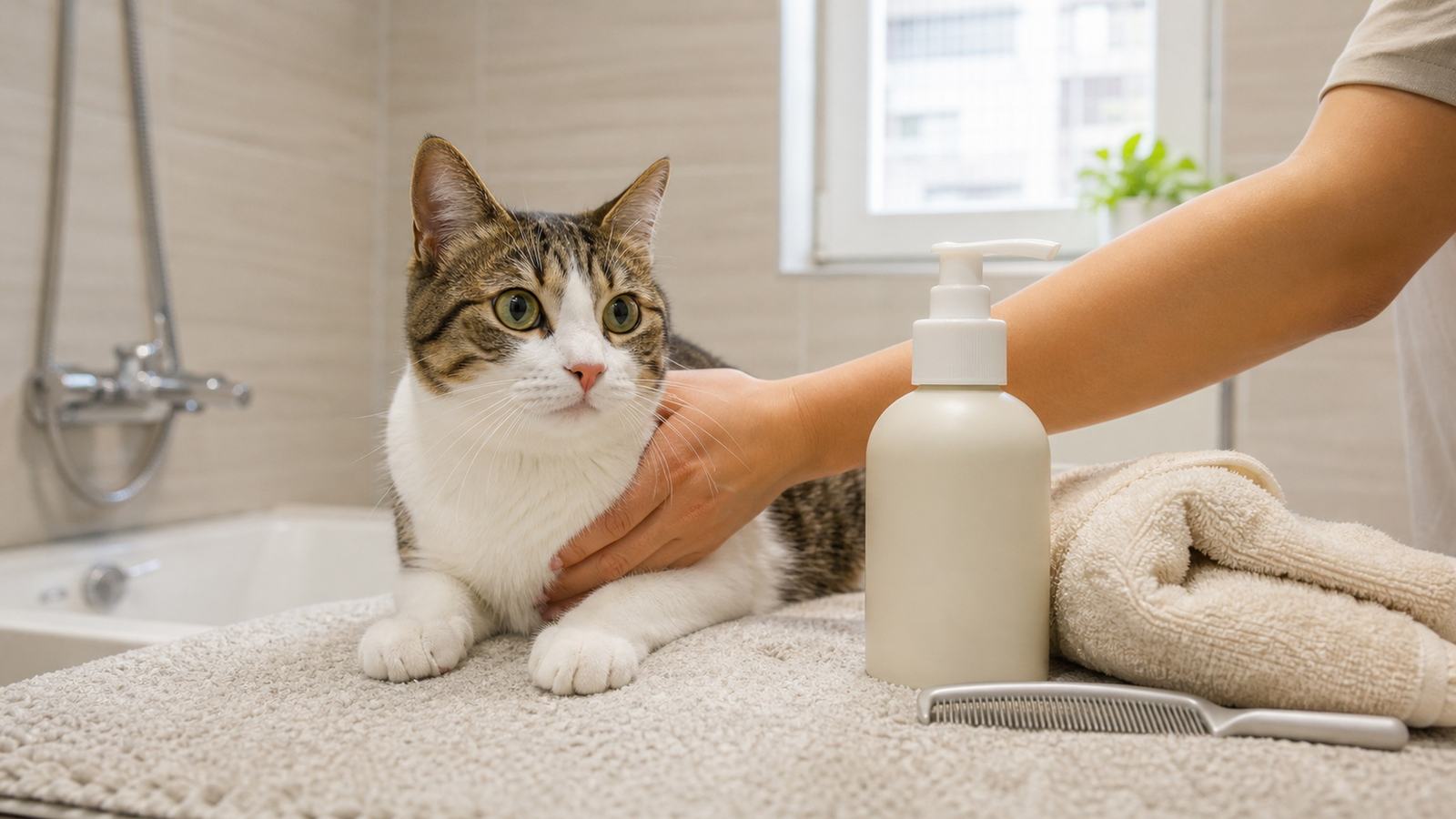
If your cat has a stable temperament and tolerates rinsing and blow-drying, using a suitable cat shampoo at home is feasible. Before bathing, trim nails, brush out tangles, use lukewarm water, dilute the shampoo thoroughly before applying, and rinse completely. Be mindful of temperature and airflow when blow-drying, avoiding direct hot air on the same spot of skin.
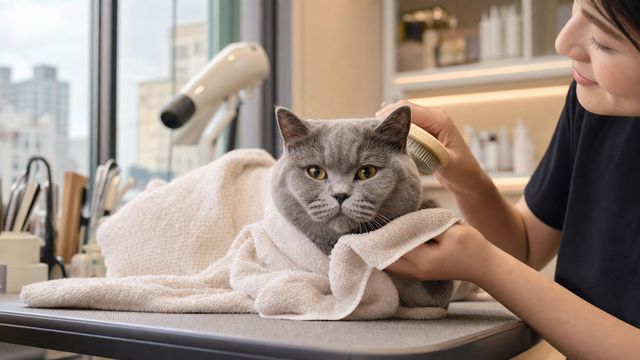
However, if your cat becomes extremely resistant at the sight of water, experiences difficulty breathing, or becomes aggressive, or if you lack proper drying equipment at home, booking a session with a cat groomer experienced in feline behavior would be safer. Professional groomers can help assess mats, dandruff, oily tails, and skin abnormalities, and can typically complete the cleaning and drying process more efficiently. If your cat already has visible skin lesions, consult a veterinarian first before deciding whether to bathe or use specific cleaning products.
FAQ
Q1: Is amino acid cat shampoo always better than regular cat shampoo?
Not necessarily. Amino acid-based cleansing ingredients are generally gentler, but whether a product is suitable for your cat also depends on the fragrance, preservatives, moisturizing ingredients, pH value, and how easily it rinses off. Cats with sensitive skin need to consider the complete formula, not just a single ingredient.
Q2: Can cats use human shampoo or baby body wash?
It's not recommended. Human products are designed for human skin and usage habits. Their fragrances, cleansing power, and residue risks may not be suitable for cats. Cats lick their fur, and using inappropriate products can increase irritation or the risk of ingestion.
Q3: How often should a cat be bathed?
Most healthy short-haired cats do not require frequent bathing. Regular brushing and environmental cleaning are usually sufficient to maintain their coat. For long-haired cats, those with oilier coats, if they get dirty, or if they develop a musty odor during humid seasons, bathing can be arranged as needed. The frequency should still be adjusted based on the cat's skin, coat condition, and stress response.
Q4: If the shampoo has a faint scent, will it not clean effectively?
A faint scent does not indicate poor cleaning power, just as a strong scent doesn't mean it's cleaner. For cats, having no residue, non-itchy skin, and a thoroughly dried coat are more important than leaving a scent behind. If odors reappear repeatedly, the source should be investigated first.
Q5: Is it normal for a cat to lick its fur constantly after bathing?
A small amount of grooming is normal. However, if the licking is incessant, leads to skin biting, or causes localized redness, it suggests irritation, residue, or a skin problem. First, ensure the cat has been thoroughly rinsed and completely dried, and observe for 24 hours. If symptoms persist, seek veterinary advice.
Choose the Right Products to Make Bathing Less Stressful
When selecting cat shampoo, a gentle formula, low fragrance, easy rinsing, and suitability for your cat's condition are more important than trendy packaging claims. If you're preparing bathing supplies for your sensitive-skinned, long-haired, or easily stressed cat, consider planning for their daily grooming, brushing, drying, and calming products for outings. Explore the cat supplies section at CatGarden to slowly pick items based on your cat's coat type and lifestyle; this will be more reassuring than making impulsive purchases.
Further Reading
- Is It Too Soon to Bathe Your Cat for the First Time? Check Age, Vaccinations, and Stress Signals
- Is a $20 Cat Bath Reasonable? Check Services, Groomer Qualifications, and On-Site Risks Before Booking
- Does Your Cat Need Layered Washing? Check Oiliness, Skin Sensitivity, and Coat Conditioning Order First
Common Questions
Is amino acid cat shampoo always better than regular cat shampoo?
Not necessarily. Amino acid-based cleansing ingredients are generally gentler, but whether a product is suitable for your cat also depends on the fragrance, preservatives, moisturizing ingredients, pH value, and how easily it rinses off. Cats with sensitive skin need to consider the complete formula, not just a single ingredient.
Can cats use human shampoo or baby body wash?
It's not recommended. Human products are designed for human skin and usage habits. Their fragrances, cleansing power, and residue risks may not be suitable for cats. Cats lick their fur, and using inappropriate products can increase irritation or the risk of ingestion.
How often should a cat be bathed?
Most healthy short-haired cats do not require frequent bathing. Regular brushing and environmental cleaning are usually sufficient to maintain their coat. For long-haired cats, those with oilier coats, if they get dirty, or if they develop a musty odor during humid seasons, bathing can be arranged as needed. The frequency should still be adjusted based on the cat's skin, coat condition, and stress response.
If the shampoo has a faint scent, will it not clean effectively?
A faint scent does not indicate poor cleaning power, just as a strong scent doesn't mean it's cleaner. For cats, having no residue, non-itchy skin, and a thoroughly dried coat are more important than leaving a scent behind. If odors reappear repeatedly, the source should be investigated first.
Is it normal for a cat to lick its fur constantly after bathing?
A small amount of grooming is normal. However, if the licking is incessant, leads to skin biting, or causes localized redness, it suggests irritation, residue, or a skin problem. First, ensure the cat has been thoroughly rinsed and completely dried, and observe for 24 hours. If symptoms persist, seek veterinary advice.
CatGarden offers curated supplies, cat boarding, and grooming
Book services or shop online.