Is the Russian Blue Suitable for Apartment Living in Taiwan? A Complete Guide to Personality, Shedding, and Care Difficulty
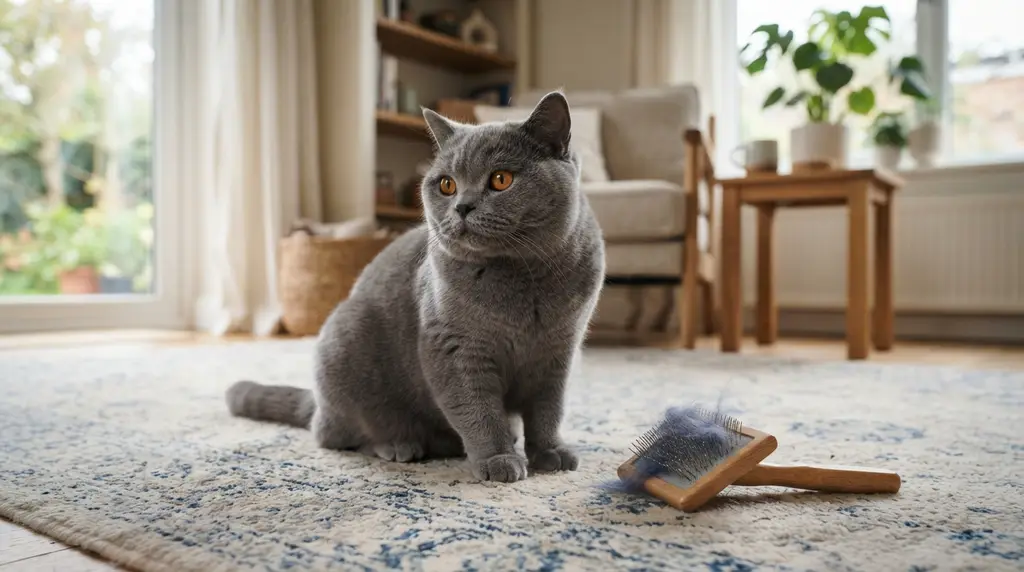
The Russian Blue is quiet, has moderate activity levels, and sheds less than many double-coated breeds, making it well-suited for Taiwanese apartments. However, they are timid and sensitive, reacting strongly to environmental changes. This article draws from frontline experience at a cat hotel and grooming salon to provide a comprehensive overview of their personality, shedding patterns, care in humid climates, and a comparison of their care difficulty with British Shorthairs.
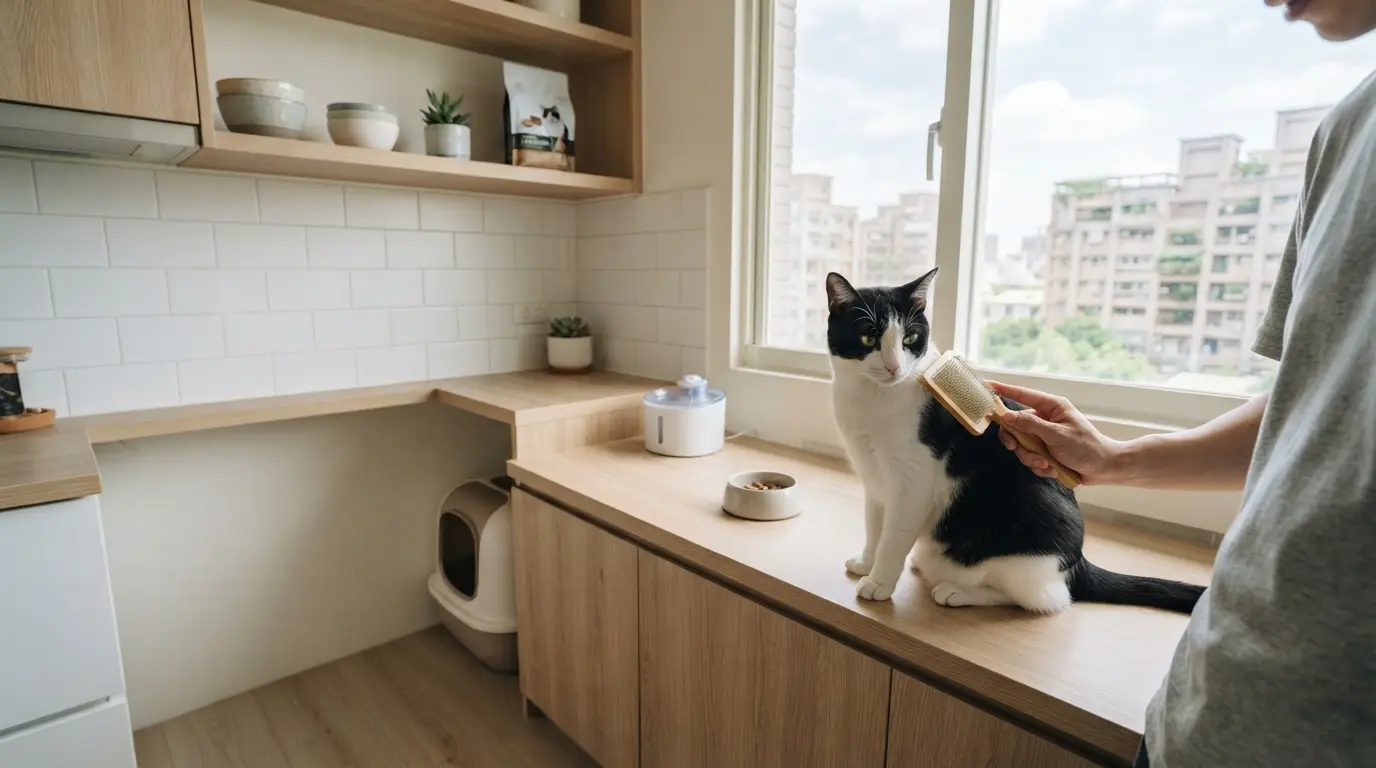
The Russian Blue is exceptionally well-suited for apartment living in Taiwan: They have quiet voices, moderate activity levels, and are not prone to late-night zoomies. Their short, dense double coat sheds less than many medium to large breeds, requiring only 2-3 brushings per week for maintenance. However, be prepared for their "personality" – Russian Blues are particularly sensitive to environmental changes, strangers, and sudden noises. They are more prone to hiding than British Shorthairs, meaning their care difficulty lies not in their coat, but in "managing their sense of security."
Key Takeaways
- The Russian Blue is a short-haired, double-coated breed. Shedding increases noticeably during shedding seasons (approximately March-May and October-November). Outside of these periods, brushing 2-3 times a week is sufficient. Their daily shedding is less than that of American Shorthairs, British Shorthairs, and Persians.
- Their personality can be summarized as "extremely affectionate with one or two primary caregivers, and extremely reserved with outsiders." About 70% of the Russian Blues we board at our facility initially refuse to leave their carriers on the first day, only beginning to explore on days 2-3. They are typically slow to warm up.
- Adult males weigh around 4.5-6 kg, and females 3-4.5 kg. They have moderate activity levels; an apartment of approximately 25-33 sq meters with a vertical climbing structure can meet their exercise needs.
- Taiwanese owners need to pay close attention to humidity and weight: We recommend indoor temperatures of 26-28°C and humidity controlled between 50-60%. Regularly monitor their weight monthly; if weight gain exceeds 10% annually, adjust their diet.
- The market price for a Russian Blue kitten with pedigree papers in Taiwan ranges from NT$30,000 to NT$60,000. Price differences are mainly due to the quality of the parents' show-lineage, vaccination status, and genetic health screening, rather than just the "blueness" of their coat.
What is a Russian Blue? Understanding Their Physical Characteristics
The Russian Blue (Russian Blue) originates from the port of Arkhangelsk in northern Russia. It is a naturally occurring ancient breed, not a result of artificial crossbreeding. They possess several distinctive features that make them hard to mistake:
- Silver-Tipped Blue Coat: The undercoat is blue-gray, with silver-white tips (silver tipping). This gives their coat a "shimmering" appearance in sunlight, unlike the dense, matte blue of a British Shorthair.
- Short, Dense Double Coat that Stands Off the Body: Despite being short, the coat is dense. If you run your fingers against the grain, the fur will "stand up" before slowly falling back, feeling like velvet or high-quality suede.
- Emerald Green Eyes: Kittens have blue or yellow-green eyes that develop into a distinct green around 4-6 months of age. This is one of the most important identifying features of a Russian Blue.
- Slightly Upturned Mouth Corners: Often described as having a "Mona Lisa smile," combined with a slightly wedge-shaped face and large ears, their overall facial structure is much more slender than a British Shorthair.
A quick note: Many cats in Taiwan referred to as "Russian Blues" are actually grey domestic cats or mixed breeds with blue coloring. If you'd like to learn how to identify breeds and mixed breeds based on skeletal structure, coat quality, and color patterns, you can refer to our main article on breed identification What is a Dragon Li Cat? Understanding Personality, Origins, and Differences from Tabby Cats. The same identification logic applies to blue cats.
Russian Blue Personality: "Aloof" is a Misconception; "Introverted" is More Accurate
Many people describe Russian Blues as "aloof," but based on our experience caring for them, a more accurate description is introverted, cautious, and highly reliant on a consistent routine.
Affectionate with Family, Invisible to Guests
Russian Blues typically bond with one or two "primary humans." They will follow this person to the bathroom, wait by the door while they shower, and sit near them when they sit down (many Russian Blues dislike being held on laps, preferring to sit "about 30 cm away" from you). However, the moment the doorbell rings and guests arrive, they will disappear within 3 seconds and may not reappear all evening. This isn't a lack of affection; it's their innate nature.
Observations During Boarding
When we receive a Russian Blue at our facility, our handling procedures differ completely from those for an American Shorthair:
- Day 1: Most Russian Blues will remain curled up in their carrier or a box all day, eating little to nothing. During this time, we do not force interaction. We simply place food and water within their line of sight but in a location they can access without needing to approach us.
- Days 2-3: They begin to emerge during the night or early morning (when fewer people are around) to explore and use the litter box, with their appetite returning to 60-80%.
- Day 4 onwards: Most individuals will settle in a specific corner and begin to respond to familiar caregivers (blinking, rubbing against the carrier door).
Therefore, if you have a Russian Blue, a short boarding stay (1-2 days) might be more stressful for them as they remain in "defensive mode" the entire time. For their first boarding experience, we usually recommend a half-day or full-day environmental familiarization, or bringing familiar items like old blankets or t-shirts from home to place in their carrier. For comparisons of boarding facility care and fees, you can refer to New Taipei Cat Hotel Recommendations: How to Choose in Banqiao, Sanchong, Xinzhuang? Fees and 6 Key Selection Criteria.
How to Care for a Sensitive Cat?
The sensitivity of Russian Blues can be improved through training, with the emphasis on "gradual progress" rather than "more exposure." If your Russian Blue hides under the bed at the sight of people, we recommend following the stages outlined in What to Do If Your Shy Cat Keeps Hiding? 5 Stages of Socialization Training for Timid Cats and Expected Timelines. Significant improvement is usually seen within 4-8 weeks; don't expect overnight results.
What we use for this
CatGarden’s own products, shipped from Taiwan Pro Hairball Control PowderFrom US$18.50 per boxFree shipping on multi-packs
Shedding Level: Short Hair Doesn't Mean No Shedding, But Russian Blues Are Relatively Easy to Manage
Russian Blues have a double coat (undercoat and guard hairs), so they do shed, but the shed hair is short, fine, and less noticeable. Unlike long-haired cats, it doesn't clump together and roll around corners. Our practical experience shows:
| Period | Shedding Condition | Recommended Brushing Frequency |
|---|---|---|
| Normal (Dec-Feb, Jun-Sep) | Low, occasional strands on dark clothing | 2-3 times per week, using a rubber brush/short-hair slicker brush |
| Shedding Season (Mar-May, Oct-Nov) | Noticeably increased, can comb out a small clump of undercoat | Once daily, for 5 minutes |
| Stress, Boarding, or Moving | Short-term excessive shedding (stress shedding) | Reduce stress first; do not force brushing |
Practical tips:
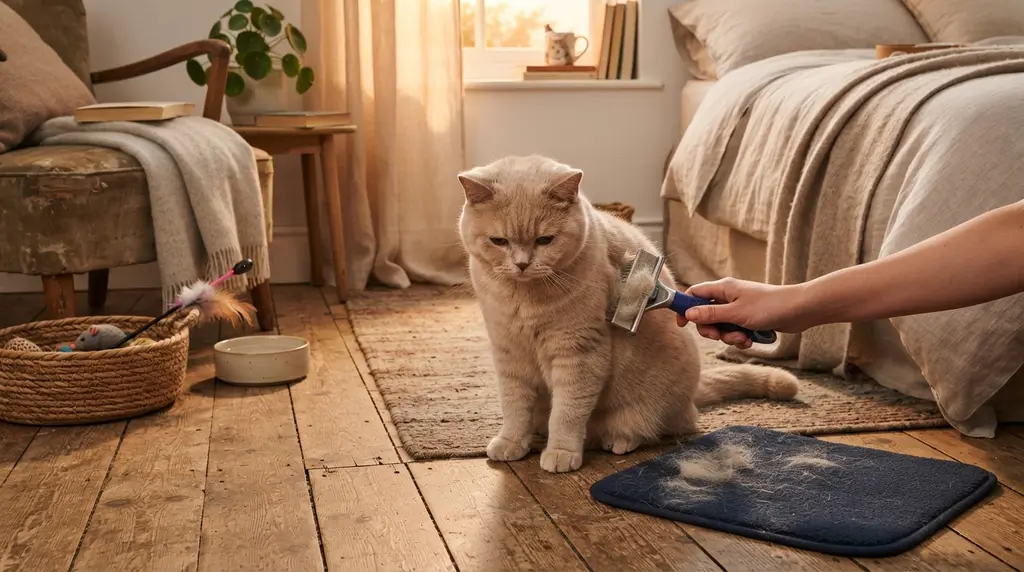
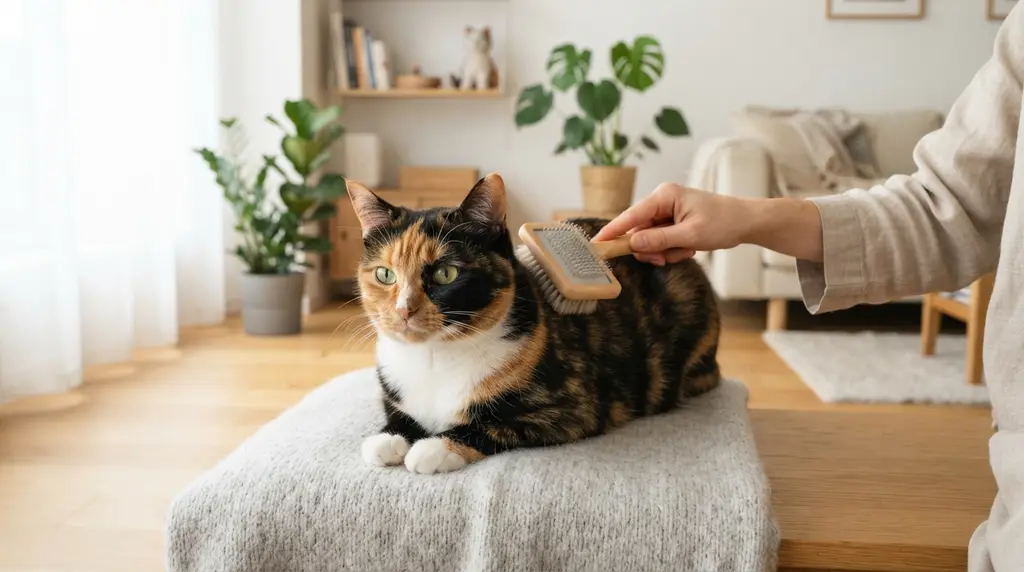
1. Prioritize using a rubber brush (soft rubber brush) and avoid vigorous scraping. Russian Blues have dense fur close to the skin. Using a metal-toothed slicker brush too forcefully can cause red marks. They are also quite sensitive to pain, and one unpleasant experience can make brushing difficult for the next three months.
2. Brush with the grain, then gently brush against the grain once. Brushing against the grain allows you to check the condition of the undercoat and look for dandruff, flea dirt, or redness.
3. Increase intestinal hairball expulsion during shedding season. Russian Blues groom themselves by licking, and they ingest more hair during shedding season. If they vomit hairballs more than twice a week or have dry, hard stools, you can add a small amount of Pro Hairball Control Powder to their food to help hair pass with their stool. Ensure they drink enough water.
4. Shaving is unnecessary and not recommended. The Russian Blue's double coat provides insulation and sun protection. Shaving can make them absorb more heat in the summer and may lead to coarser fur or a reduced density upon regrowth. If shaving is necessary due to matting or skin issues, entrust it to a groomer experienced with cats for localized treatment.
5. Bathing frequency: For healthy indoor Russian Blues, bathing once every 1-2 months is sufficient, or even less frequently. The key is to thoroughly dry them. If the double coat isn't dried down to the skin, the humid Taiwanese climate can easily lead to dermatitis.
Key Care Points for Taiwan's Humid and Hot Climate
This is an aspect Taiwanese owners often overlook. Russian Blues originate from cold climates, and their coat is designed for warmth. In Taiwan's summer, it's like wearing a light down jacket.
Temperature and Humidity
- When no one is home during the day, it's recommended to set the air conditioning to 27-28°C with a circulation fan. Do not turn it off completely to save electricity. Indicators: If the cat is constantly sprawled out like a "roasted chicken," with its belly on the floor, or breathing more than 40 times per minute, it's too hot.
- Control humidity between 50-60%. During the plum rain season, when humidity can soar above 80%, Russian Blues are prone to chin and abdominal eczema and outer ear infections.
- If their ears feel red and hot, first determine if it's due to heat, inflammation, or sunburn. Refer to What Causes Red and Hot Cat Ears? Differentiating Between Heatstroke, Inflammation, and Sunburn for guidance.
Hydration and Urinary Health
Russian Blues generally aren't big drinkers, and many households primarily feed dry food. This leads to a significant number of cases of cystitis and urinary crystals. Practical recommendations:
- Provide at least 2 water sources, with one placed more than 2 meters away from their food bowl and litter box.
- Increase the proportion of wet food to 30-50% of their total daily caloric intake. The simplest approach is to offer a small portion of wet food in the morning and evening.
- Observe the size and number of urine clumps when scooping the litter box daily. If the urine clumps suddenly become smaller and more frequent, or if there's no urination for a day, seek veterinary attention immediately.
Weight Management
Russian Blues have slender bone structures but good appetites, making them a breed that can "sneakily gain weight." At our facility, we most often encounter owners who believe their cat looks "chubby because its fur is fluffy," when in reality, their ribs are undetectable by touch. Please weigh your cat on the same scale on the same day each month and keep a record. Obesity directly increases the risk of diabetes and urinary tract problems.
Health Check Focus: Russian Blues Are Generally Healthy, But These Areas Need Regular Monitoring
Russian Blues do not have breed-specific genetic diseases with as high a prevalence as Persians (polycystic kidney disease) or Maine Coons (HCM). They are generally considered a robust breed with an average lifespan of 13-18 years. However, the following should be regularly monitored:
- Before 1 year old: Basic blood tests + cardiac auscultation to rule out congenital heart murmurs.
- 1-6 years old: Annual blood tests + urinalysis (focus on urine specific gravity and pH).
- After 7 years old: Switch to semi-annual check-ups, adding blood pressure, thyroid hormone (T4) tests, and abdominal ultrasound. The two most common issues in older cats are chronic kidney disease and hyperthyroidism. Both have very subtle early symptoms. You can start by understanding the early warning signs in these articles: Why Do Cats Get Kidney Disease? Aging, Diet, Dehydration, and Genetics - A Comprehensive Look and A Complete Guide to Feline Hyperthyroidism (Cat Hyperthyroidism): Symptoms, Diagnosis, and Treatment.
- Oral Health: Russian Blues have narrower faces, making them more prone to tartar buildup and periodontal disease if their teeth are crowded. Ensure the veterinarian checks their mouth during check-ups.
> If there are significant changes in appetite, water intake, weight, or urination lasting more than 24-48 hours, or if the cat exhibits rapid breathing or hides and becomes lethargic, seek veterinary care immediately; do not wait for the next check-up.
Russian Blue vs. British Shorthair: A Comparison of Care Difficulty
Many people hesitate between these two "blue" cats. We offer a direct comparison from a frontline care perspective:
| Item | Russian Blue | British Shorthair |
|---|---|---|
| Personality | Introverted, sensitive, slow to warm up, bonds strongly with owner | Stable, easygoing, more accepting of strangers |
| Tolerance to Environmental Changes | Low (reacts strongly to moving, construction, boarding) | Medium-High |
| Vocalization | Quiet, meows infrequently, suitable for apartments | Quiet to Moderate |
| Shedding Level | Low to Moderate, concentrated during shedding seasons | Moderate to High, continuous throughout the year |
| Brushing Difficulty | Easy, but requires gentleness | Easy, but high volume requires daily brushing |
| Activity Level | Moderate, requires vertical space | Low, prone to laziness |
| Obesity Risk | Moderate | High (British Shorthairs are a high-risk breed for obesity) |
| Common Health Concerns | Urinary tract, weight, dental | Heart (HCM), obesity-related diseases |
| Beginner Friendliness | Moderate (requires patience) | High |
In a nutshell: If you want a cat that is "okay with being petted by anyone and doesn't hide from guests," a British Shorthair is more suitable. If you prioritize quietness, minimal shedding, and are content with a cat that bonds exclusively with you, the Russian Blue can be an excellent apartment companion.
Russian Blue Price and Sourcing: What to Look For
The market price for Russian Blue kittens with pedigree papers (CFA/TICA) in Taiwan generally ranges from NT$30,000 to NT$60,000. Kittens from show-lineage parents or imported lines may be higher. Be very cautious of "Russian Blues" priced below NT$20,000; these are often mixed breeds with blue coloring or have unknown origins.
Beyond the price, it's crucial to ask:
1. Is the kitten at least 12 weeks old and weaned before being handed over? (We strongly advise against taking kittens younger than 8 weeks).
2. How many vaccinations has the kitten received? Has it been dewormed? Are there FIV/FeLV test results?
3. Can you see the mother cat and the living environment?
4. Is there a health guarantee and ongoing support/consultation provided?
The first two weeks after a kitten arrives home are the most vulnerable. If you happen to be traveling during this period, please refer to Can Kittens Be Boarded? 3 Criteria for Age, Vaccine Protection, and Separation Anxiety before making a decision. Avoid subjecting the kitten to a second environmental change before it has established a sense of security.
We also want to remind you: Taiwanese shelters and rescue organizations often have grey or blue short-haired domestic cats available. Stable adult cats can be surprisingly easy to integrate into busy apartment lifestyles. Before adopting, gently feel their coat and observe their eye color to get a general idea if they have Russian Blue lineage or are a blue-grey mix.
Recommended Apartment Setup (Achievable Even in 25-33 sq Meters)
- Vertical space is more important than floor space: A 150-180 cm cat tree with multiple platforms is more valuable than placing two extra toys on the floor.
- A "no-go" safe haven: The top of a wardrobe, the highest shelf of a bookcase, or a semi-enclosed cat bed provides a retreat when they feel stressed. Russian Blues with such a space are often quicker to venture out.
- Litter box quantity = number of cats + 1. Place them in quiet locations where they won't be startled by sudden door openings. Russian Blues are particular about their litter box environment; once startled, they may resort to inappropriate urination.
- 10-15 minutes of interactive play daily. Use a wand toy to simulate ground prey (dragging, hiding) rather than waving it randomly in the air. Russian Blues respond much better to "realistic prey movement."
- Before leaving for an extended trip, prepare their routine, feeding records, and familiar blankets. If boarding is necessary, book a cat hotel in Banqiao and inform them in advance that your cat is slow to warm up, so caregivers can interact with them using a low-disturbance approach.
Frequently Asked Questions
Are Russian Blues truly less allergenic?
Russian Blues are often described as "hypoallergenic" because their coat structure makes the Fel d 1 allergen less likely to disperse, not because they don't produce allergens. There is no truly hypoallergenic cat in the world. Individuals with allergies should spend several hours interacting with a cat before deciding to adopt.
Can a Russian Blue be left alone at home all day?
Yes, but they are sensitive to changes in routine. Prolonged periods without human companionship can lead to excessive licking or inappropriate urination. It's recommended to maintain consistent feeding and playtime schedules and provide a window perch for them to observe the outside. If behavioral changes have already occurred, consider adjustments based on What to Do About Cat Separation Anxiety? Home Adjustments for Routine Changes After School or Holidays.
Does a Russian Blue's coat need to be shaved? Will they be too hot in the summer?
No, shaving is unnecessary. Their double coat provides insulation and sun protection. Shaving can actually make them absorb more heat and may risk the fur not regrowing to its original density. Controlling room temperature to 26-28°C and humidity to 50-60% is the correct approach.
Which is more suitable for a beginner, a Russian Blue or a British Shorthair?
In terms of ease of handling, the British Shorthair is generally friendlier. However, if your living situation is an apartment, you are concerned about shedding and noise, and you are willing to invest 1-2 months in building trust, the long-term companionship quality with a Russian Blue is often higher.
How can I tell if I'm buying a genuine Russian Blue?
Look for three things: whether the fur tips have a silver sheen, if the adult cat's eyes are a distinct emerald green, and if the coat is dense and stands off the body. "Gray" alone is not a definitive indicator. Pedigree papers and parentage information are the most reliable basis.
This article was written by the CatGarden editorial team. The care advice provided herein is based on practical experience from cat hotel and grooming services and cannot replace veterinary diagnosis. If your cat exhibits persistent or worsening symptoms, please seek veterinary care promptly.
CatGarden offers curated supplies, cat boarding, and grooming
Book services or shop online.