Can Kittens Stay at a Boarding Facility? Understanding Age, Vaccination, and Separation Anxiety for Safe Stays
Whether a kitten can be boarded isn't just about their age in months; it's about meeting crucial milestones in age, vaccination status, and environmental adaptability. This article provides clear criteria based on frontline cat boarding experience.
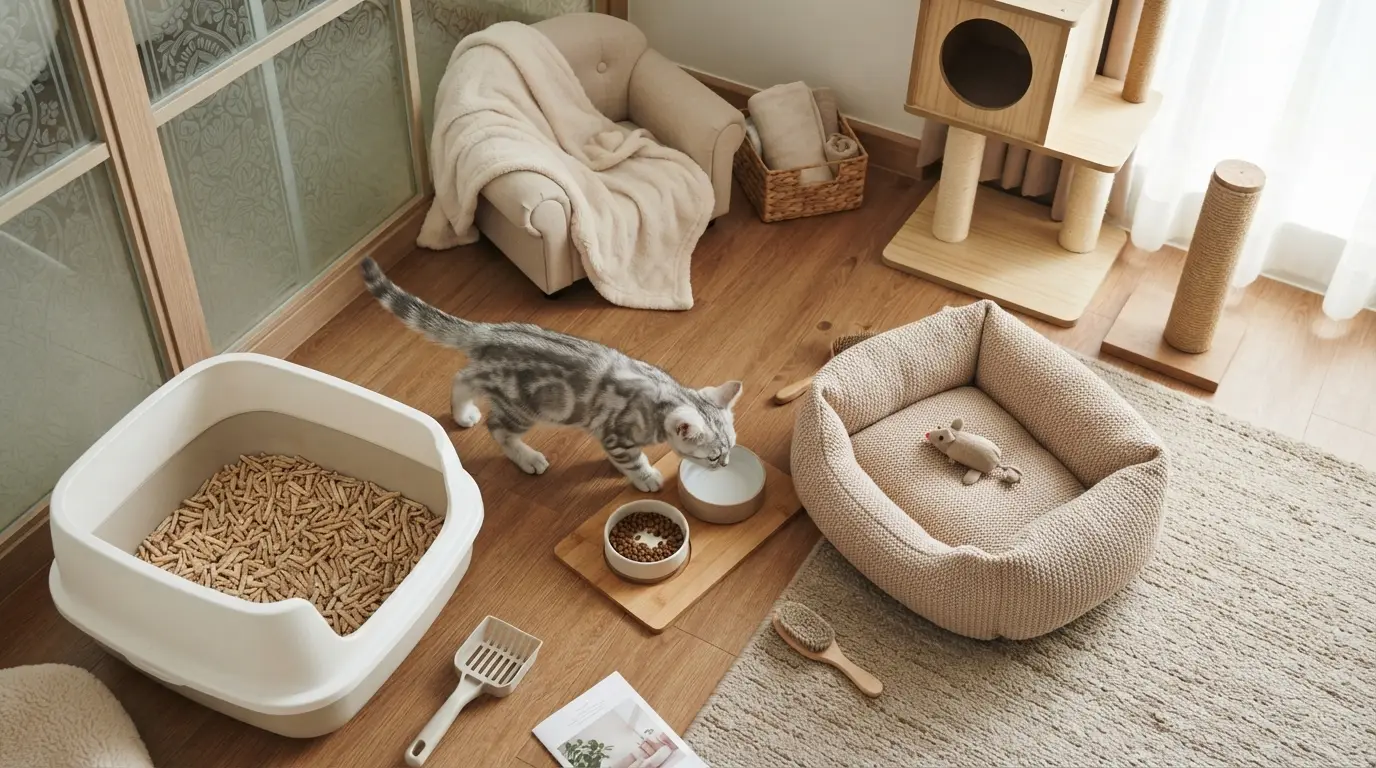
Can kittens stay at a boarding facility? Yes, but it's safer to board them after they are 12 weeks old (around 3 months), have received at least their second core vaccination, and it's been more than two weeks since the last dose. For kittens under 8 weeks, recently weaned, or who have only had one vaccination, we usually advise parents to find alternative arrangements rather than insisting on boarding. It's not that the facility can't care for them, but the risks associated with their immune window and environmental stress at this stage are significantly higher.
Here are the criteria we check when boarding kittens at our facility:
Key Takeaways
- The recommended minimum age for kitten boarding is 12 weeks (3 months), with a typical weight of over 1.2 kg, and the ability to eat and use the litter box independently.
- Core vaccinations (FVRCP) require the second dose to be administered and at least 14 days to have passed for effective immunity. A single dose means they are still in the immunity gap.
- Kittens under 8 weeks have poor thermoregulation and require ambient temperatures of 26-28°C, higher than the 24-26°C recommended for adult cats. Most boarding facilities may not be able to maintain this consistently in general spaces.
- "Separation anxiety" in kittens is often not about missing their owner but is a stress response due to early weaning and drastic environmental changes. Common signs include hiding, soft stools, and decreased appetite.
- Kittens under 3 months need 4-5 meals per day. Ensure the boarding facility can accommodate frequent small meals and weigh the kitten daily (normal weight gain is about 10-15 grams per day).
Can Kittens Stay at a Boarding Facility? Passing Three Thresholds
Many parents ask this question before summer holidays, essentially wondering, "Will my kitten be okay if I'm away for 5 days?" Instead of focusing on the exact month, we break it down into three thresholds. We only recommend boarding if all three are met.
Threshold 1: Age and Weight (Physiological Maturity)
| Age | Suitable for Boarding | Explanation |
|---|---|---|
| Under 8 weeks | Not recommended | Still requires warming, may still be weaning, needs frequent care |
| 8-12 weeks | Conditionally, high risk | Vaccinations incomplete; priority should be in-home care or asking friends/family |
| 12-16 weeks | Mostly suitable | Can board 2 weeks after completing the second core vaccination |
| 4 months and older | Suitable | Care is similar to adult cats, with significantly better adaptability |
Besides age, we also assess their actual condition: Can they finish a meal independently? Do they use the litter box? Is their weight steadily increasing? For rescued kittens, age estimation can be inaccurate. In such cases, weight and behavior are more reliable indicators than "how many months old."
Threshold 2: Ensuring Real Vaccination Protection
This is where most misunderstandings occur. For kitten boarding, vaccinations aren't just about "having been given"; they need to be "administered correctly and sufficient time must pass."
After birth, kittens are protected by maternal antibodies, which begin to wane around 6-8 weeks of age. The period when antibodies are too low to fight viruses but too high to allow vaccines to work effectively is known as the immunity gap. The standard protocol is:
- The first core vaccination (FVRCP, including panleukopenia, herpesvirus, and calicivirus) is given around 6-8 weeks of age.
- Subsequent doses are given every 2-4 weeks until 16 weeks of age or older.
- Approximately 14 days after the final dose, antibody levels should reach an ideal protective level.
Therefore, "going out after just one vaccination" is our most concerning scenario. Feline panleukopenia (feline distemper) has a very high mortality rate in kittens, and the virus can survive in the environment for months. Responsible boarding facilities will request vaccination records. Those who only received one dose will often be declined or advised to postpone boarding. This isn't being difficult; it's protecting your cat.
Rabies vaccination, as per Taiwanese regulations, is administered and registered from 3 months of age, and most facilities will also check this record.
Threshold 3: Separation Anxiety and Environmental Adaptability
Kitten issues are less about "not eating due to missing their owner" and more about wariness of unfamiliar scents, sounds, and confined spaces. The assessment is simple: recall their reaction at home to a vacuum cleaner, visitors, or their travel carrier.
- Hides briefly, then explores within 10 minutes → Good adaptability
- Hides under the sofa all day, refusing to eat or drink → Requires a longer acclimatization period or consider in-home care.
If your cat is naturally very sensitive, you can refer to What to Do If Your Shy Cat Constantly Hides? 5 Stages and Timeline for Socializing Timid Cats to build a foundation for socialization in the weeks leading up to boarding, which will make the stay much smoother.
What we use for this
CatGarden’s own products, shipped from Taiwan Premium CatnipFrom US$25.30 per jarFree shipping on multi-packs
What Kitten Separation Anxiety Looks Like: Actual Observations at Our Facility
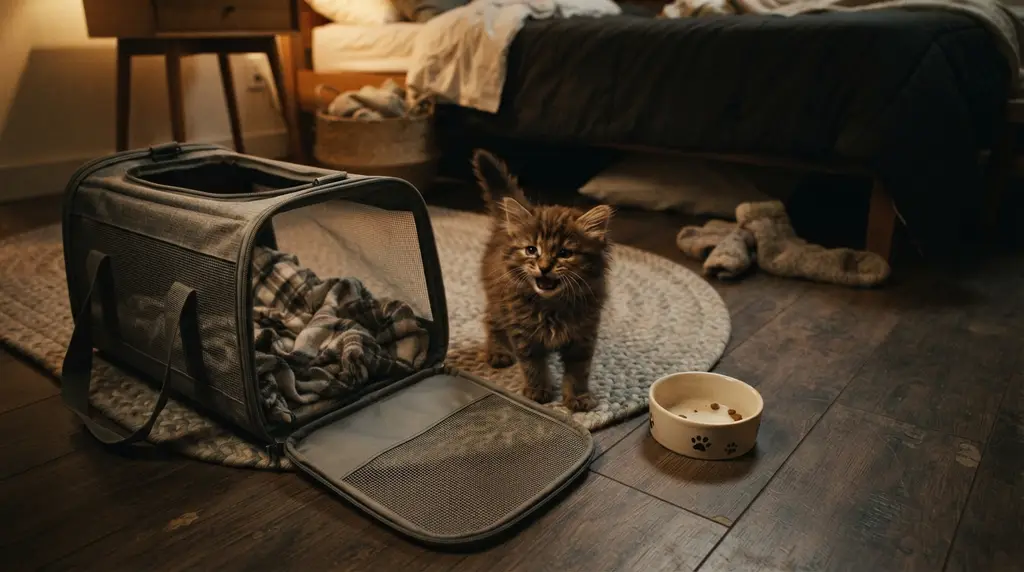
On the first day a kitten checks in, the most common behavior is "hiding in the carrier." Our approach is not to force them out. We open the carrier door and place it in the room as a safe haven, allowing them to decide when they want to come out. The typical progression is as follows:
- First 0-6 hours: Hiding, sensitive to sounds, little to no eating. This is a normal reaction.
- 6-24 hours: Starts exploring, willing to eat small portions of wet food, begins using the litter box. This is a critical turning point.
- From Day 2: Most kittens will play with wand toys in the room and approach the door proactively.
Signs that truly require intervention are: no food intake for over 24 hours, continuous diarrhea, vomiting, low body temperature, or significant lethargy. Kittens have low energy reserves. An adult cat might be fine not eating for a day, but a kitten cannot – in such cases, we contact the owner immediately and arrange for veterinary care, rather than "waiting to see." For related assessments, you can read Cat Not Eating, Drinking, or Sleeping All Day: Normal Lethargy or Illness? The Golden 24-Hour Observation and Vet Visit Guide.
Additionally, soft stools due to environmental changes are very common. If their energy and appetite are normal, and there's no blood or mucus in the stool, it usually resolves within 1-2 days. You can refer to Kitten Diarrhea but Active: When to See a Vet? Observe These 3 Indicators First for assessment criteria. We also recommend giving specialty probiotics starting the week before departure to stabilize gut flora, which is more effective than supplementing after diarrhea occurs.
As for the common question, "Will they become clingy or meow excessively after returning home?" this is usually part of the process of readjusting their routine. The approach is similar to adjusting after a holiday break; refer to What to Do About Cat Separation Anxiety? Home Adjustment Advice for Routine Changes After School or Holidays.
5 Things a Boarding Facility Should Do for Kitten Stays
If you decide to board your kitten, ask about these 5 points directly. If they can't meet them, it's better to find another facility.
1. Small, Frequent Meals: Kittens under 3 months need 4-5 meals daily, and 3-4 meals for those 4-6 months old. Can the facility accommodate this? For detailed portion sizes, refer to How Many Meals a Day for Kittens? Feeding Frequency, Portions, and Transition Timing by Age.
2. Temperature Control: Kittens need 26-28°C, avoiding direct drafts from air conditioners. The biggest danger in summer isn't heat, but hypothermia in air-conditioned rooms.
3. Daily Weight Recording: Kittens should gain about 10-15 grams daily. If weight doesn't increase for two consecutive days or drops by more than 5%, it's a warning sign.
4. Individual Space, No Grouping: Kittens should not be housed with unfamiliar adult cats due to the high risk of cross-infection and bullying.
5. Daily Photo and Feeding/Elimination Records: This is the only basis for parents to judge whether to bring their kitten home early.
For a comprehensive comparison logic (environment, cost, questions to ask), we've compiled it in New Taipei Cat Boarding Recommendations: How to Choose in Banqiao, Sanchong, Xinzhuang? Pricing and 6 Key Selection Points Explained. Booking slots are tight during peak summer season, so we recommend booking two to three weeks in advance.
7 Days Before Boarding Your Kitten: Prepare with This Checklist
- D-7: Confirm vaccination records (number of doses + date of last dose). If necessary, schedule a booster and ensure 14 days have passed.
- D-7: Start administering probiotics. Maintain the current diet without switching brands. Changing food right before departure is a major mistake.
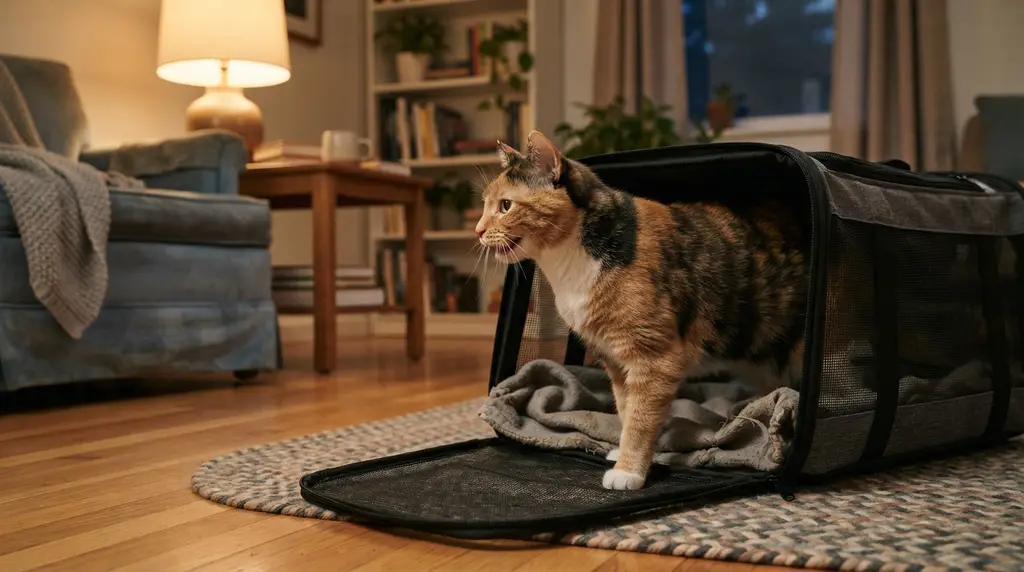
- D-5: Place the travel carrier in the living room as a resting spot, lining it with old clothes or blankets that carry familiar scents.
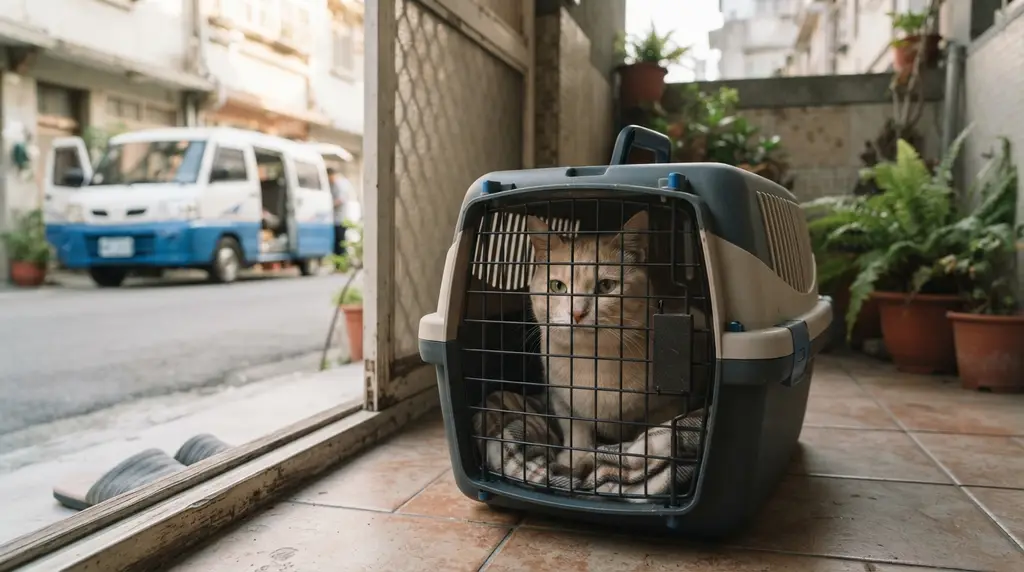
- D-3: Practice short outings (e.g., going downstairs for a walk) to reduce travel stress.
- D-1: Portion out meals and label them clearly. Prepare 1-2 kg of familiar cat litter. Kittens are sensitive to litter texture, and changes can lead to inappropriate urination. If you haven't settled on a litter, Ultra-Fine Tofu Litter 3.0 has fine granules and a texture cats often prefer, with good acceptance rates for kittens.
- D-0: Bring the vaccination booklet, owner's contact information, preferred veterinary clinic details, and any allergy or medication records.
Situations Where We Recommend Postponing Boarding
- Under 8 weeks old, or still being weaned/recently weaned.
- Only received 1 core vaccination, and it was less than 2 weeks ago.
- Currently undergoing treatment for respiratory infections, diarrhea, skin conditions, or internal/external parasite treatment is incomplete.
- Just arrived home last week (environment is not yet stable; another environmental change would be too stressful).
- Recently spayed/neutered, and the wound has not yet healed.
For these situations, in-home feeding services or care by familiar friends or family are more suitable. For decision-making logic, refer to How to Arrange for Your Cat During the Mid-Autumn Festival Holiday? Choosing Between In-Home Care, Pet Sitters, and Boarding, which is applicable for any long holiday.
If your kitten has passed all three thresholds, you're welcome to visit our facility to see the environment before deciding. We can adjust feeding and temperature arrangements based on their age: Book an Appointment for Our Banqiao Cattery.
Frequently Asked Questions
What is the ideal age for a kitten to stay at a boarding facility?
We recommend kittens be at least 3 months (12 weeks) old, weigh around 1.2 kg, and be able to eat and use the litter box independently. Kittens over 4 months adapt significantly better. If your schedule allows, waiting until 4 months will make the boarding experience easier.
Is it okay for a kitten to have only had one vaccination before boarding?
Not recommended. Core vaccinations require at least two doses, and sufficient protection is only achieved 14 days after the last dose. Having only one dose means they are still in the immunity gap, posing a high risk for infectious diseases like panleukopenia. Most reputable boarding facilities will require complete vaccination records.
My kitten is hiding and not eating at the boarding facility, what should I do?
Hiding and reduced appetite for the first 6-12 hours after check-in are normal adaptation responses. However, if they refuse to eat for over 24 hours, accompanied by vomiting, persistent diarrhea, or lethargy, you should not wait. Seek veterinary care immediately, as kittens have much lower energy reserves than adult cats.
My kitten has become very clingy or meows excessively after boarding, is it separation anxiety?
This is usually a process of readjusting their routine and environment, typically stabilizing within 3-7 days. You can help them re-establish a routine by maintaining fixed feeding times and engaging in 10-15 minutes of interactive play daily. If these behaviors persist for over two weeks or are accompanied by inappropriate urination or excessive grooming, consult a veterinarian or a behaviorist.
Is kitten boarding more expensive than for adult cats?
General cat boarding in New Taipei City ranges from NT$400-700 per day. For kittens, due to the need for small, frequent meals and closer observation, some facilities may charge an additional care fee or require a minimum stay. Clarify with the facility if feeding frequency is charged separately when booking.
This article provides general care advice and cannot replace veterinary diagnosis. If your kitten shows persistent lack of appetite, vomiting, diarrhea, low body temperature, or lethargy, please seek veterinary care immediately.
By CatGarden Editorial Team
CatGarden offers curated supplies, cat boarding, and grooming
Book services or shop online.