Blog
What Are the Signs of Heatstroke in Cats? Recognizing the Three Stages: Gum Color, Panting, and Collapse
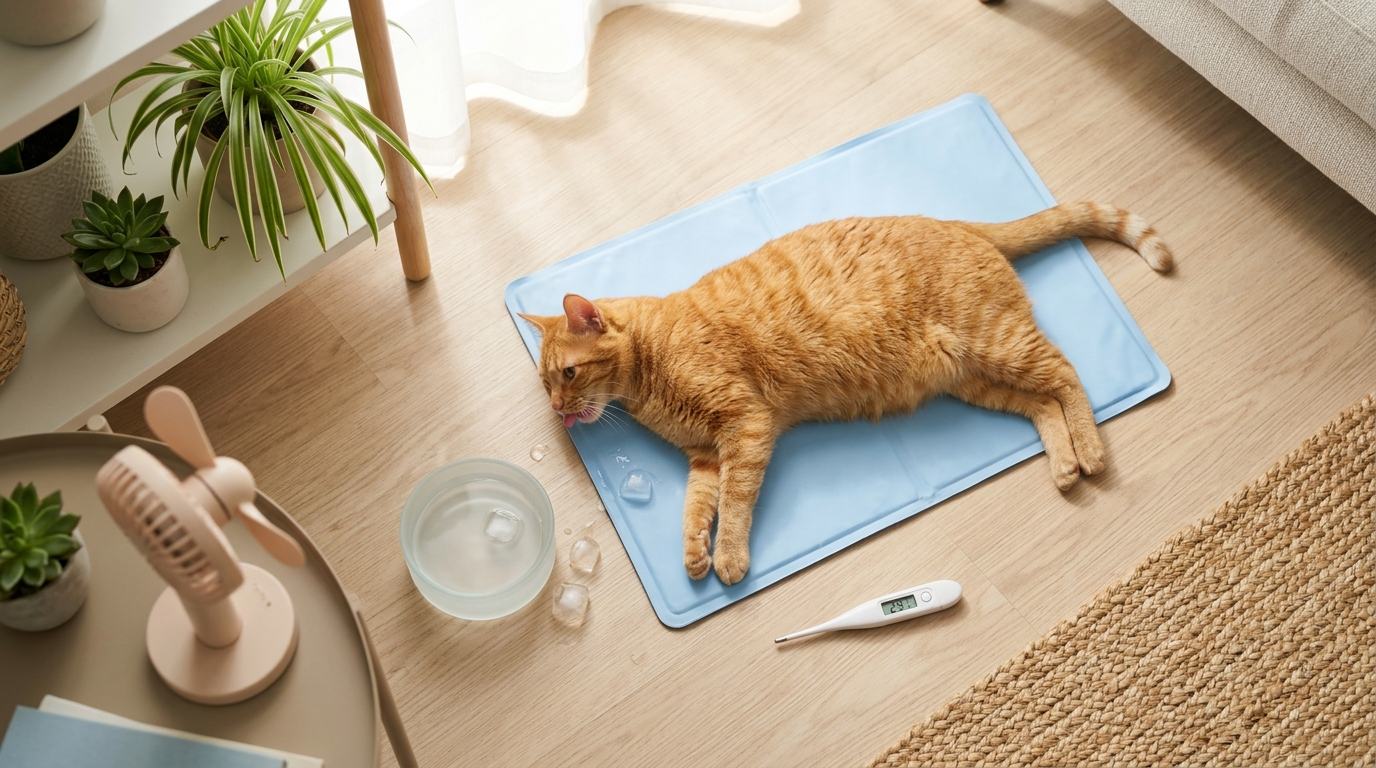
The earliest warning signs of heatstroke in cats are "panting with an open mouth when not exercising" combined with "gums changing from pink to reddish or purplish." If accompanied by drooling, seeking cool places but still panting incessantly, or a slow response to calls, it means the cat has progressed from early heat stress to a dangerous stage. At this point, you should cool them down while immediately taking them to the vet; do not wait and observe further.
Unlike dogs, cats are not efficient at panting to cool down. They primarily rely on sweating through their paw pads and licking their fur, which is not very effective. Therefore, when a cat starts to pant noticeably, it usually means their body has been struggling for some time. During summer boarding at our facility, we closely monitor these signals because heatstroke (heat exhaustion) can progress from early signs to collapse in as little as ten minutes.
Key Takeaways
- Healthy cat gums are a healthy pink. During heatstroke, they first become congested and bright red, then turn purplish, pale, or grayish-white due to oxygen deprivation, signaling an urgent need for veterinary care.
- Cats rarely pant. If a cat is panting with an open mouth when not exercising or stressed, it's an early warning sign of heat stress, not normal behavior.
- A cat's normal body temperature is approximately 38.1–39.2°C (100.6–102.6°F). Temperatures above 40°C (104°F) indicate heatstroke, and above 41°C (105.8°F) are life-threatening, requiring immediate cooling and veterinary attention.
- Before going to the vet, use room temperature or slightly cool water (not ice water or ice packs) to cool the cat. Focus on wiping the abdomen, armpits, paws, and inner thighs. Also, use air conditioning and fans to speed up heat dissipation.
- If heatstroke progresses to collapse, seizures, or unconsciousness, it's an emergency. While cooling the cat, proceed immediately to the vet; do not wait at home for their temperature to drop.
Why Is Heatstroke in Cats Often Overlooked?
People are generally more aware of heatstroke in dogs because they pant heavily and stick out their tongues, making the signs obvious. However, cats rarely pant, so many owners might mistake a cat lying down and breathing a bit fast for simply being lazy due to the heat.
The opposite is true: if a cat is panting, it often means they have no other way to dissipate heat. Furthermore, cats are sensitive to heat and don't actively seek ways to cool themselves down (they won't run to soak in water like dogs). They often hide in corners and endure until they can't anymore.
We particularly warn about high-risk situations:
- Being confined in a room without air conditioning, or the air conditioning vent being in a corner the cat can't reach.
- Being kept in a carrier for vet visits or in a car (car interiors heat up extremely quickly; never leave a cat alone in a car).
- Brachycephalic breeds (Persian, Exotic Shorthair, Garfield), overweight cats, senior cats, and cats with heart or respiratory issues.
- After a stressful event (like bathing and blow-drying, moving, or thunderstorms) when they are already panting, combined with high temperatures.
For distinguishing between rapid breathing due to stress and other causes, you can refer to our article: Is It Normal for a Cat to Shiver After a Bath? Differentiating Between Stress, Cold, or Illness.
Three Stages of Heatstroke in Cats: From Panting and Gum Discoloration to Collapse
Breaking down heatstroke into three stages helps you quickly assess the situation at home and decide whether to observe or rush to the vet.
Stage 1 | Early Heat Stress: Starting to Pant, Restless
This is the stage where intervention can still save the cat with cooling measures. Typical signs include:
- Open-mouth breathing or noticeable panting when not exercising or frightened.
- Constantly seeking cool places to lie down (tile floors, bathroom floor), spreading limbs to dissipate heat.
- Excessive grooming to cool themselves, increased drooling.
- Lethargy, slower response to calls, but still conscious.
At this stage, gums are usually a "redder than usual" pink. If you observe these signs, immediately move the cat to a cool place, turn on the air conditioning, offer water, and start monitoring their gums and breathing. For a comprehensive understanding of open-mouth panting, this article is a must-read: Are Cats Sensitive to Heat? Heatstroke Signs, Panting, and Summer Cooling Guide.
Stage 2 | Heat Exhaustion: Gum Discoloration, Persistent Panting, Significant Lethargy
This is a dangerous phase requiring cooling measures while preparing for transport to the vet. Characteristics include:
- Panting becomes rapid and forceful, not stopping even in a cool place.
- Gum color changes from bright red to darker, or appears purplish or grayish-white.
- Excessive drooling, possibly vomiting or diarrhea.
- Unsteady on their feet, wobbly gait, minimal response to calls.
- Body feels hot to the touch, including paw pads.
At this point, body temperature is usually above 40°C (104°F). Heat exhaustion will not resolve on its own; the longer it persists, the greater the organ damage.
Stage 3 | Heatstroke / Collapse: Seizures, Loss of Consciousness
The most critical stage, requiring emergency veterinary care:
- Collapse, limpness, unresponsive.
- Seizures, rigid body.
- Gums appear pale or purplish (severe oxygen deprivation).
- Breathing becomes shallow and irregular.
At this stage, do not "wait at home to cool them down first." The correct action is to cool them while rushing to the vet, continuing cooling measures en route. High temperatures from heatstroke can damage the brain, kidneys, liver, and blood clotting function. Even if the temperature temporarily drops, internal damage requires medical evaluation.
How to Accurately Check Gum Color
Gums are the most direct indicator of a cat's circulation and oxygenation status. You should familiarize yourself with their normal appearance.
What Different Colors Mean
- Healthy Pink: Normal, good blood circulation.
- Bright Red / Congested: Blood vessels are dilated, possibly due to heat, fever, or early heatstroke.
- Pale / Whitish: Anemia, shock, poor circulation – dangerous.
- Purplish / Bluish (Cyanotic): Severe oxygen deprivation – immediate emergency.
- Yellowish: May be related to liver or bilirubin issues, another type of problem requiring veterinary attention.
Also Check Capillary Refill Time (CRT)
Gently press your finger on the cat's upper gum above the incisors. When you release, the color should return to pink within 1–2 seconds. A delay longer than 2 seconds indicates poor circulation and is a sign to seek veterinary care. This is particularly useful when suspecting heatstroke or shock.
Note: Gum discoloration is just one indicator; it must be considered alongside panting, mental state, and body temperature. Some cats have naturally pigmented gums; in such cases, check the conjunctiva or tongue color instead.
If You Suspect Heatstroke: Correct Cooling Steps Before Going to the Vet
We practice these steps during the summer; the order is important:
1. Immediately move the cat to a cool, well-ventilated area. Turn on the air conditioning and use a fan directed at them.
2. Use a towel dampened with room temperature or slightly cool water to wipe or gently pour water on the abdomen, armpits, groin (inner thighs), and paw pads – these are key areas for heat dissipation.
3. Absolutely do not use ice water or ice packs for direct application. Ice water causes surface blood vessels to constrict rapidly, trapping heat inside the body and potentially leading to shock.
4. Using a fan with a damp towel helps dissipate heat through evaporation, which is more effective than dry blowing.
5. Offer room temperature water only if the cat is conscious and willing to drink. Do not force water, as it can lead to choking or aspiration.
6. If you have a rectal thermometer, monitor the temperature while cooling. Stop active cooling when the temperature drops to around 39.4°C (103°F) to prevent hypothermia.
7. Prepare for veterinary transport at all times, especially if gums are discolored, the cat is unsteady, or unconscious. Continue cooling measures during transport.
Many owners mistakenly believe that successful cooling at home means the cat is fine. However, internal organ and blood clotting damage from heatstroke may not be immediately apparent. Gum discoloration, vomiting, seizures, or lack of urination require veterinary assessment, which is why further tests like those discussed in Are Ultrasounds Necessary Even with Normal Blood Tests in Cats? Understanding When Blood Tests Alone Aren't Enough are crucial after critical illnesses.
How to Prevent Heatstroke in Summer to Avoid These Warning Signs
- Keep the Air Conditioning On: If you leave the cat home alone, maintain a temperature of 26–28°C (79–82°F) with ventilation. Relying solely on fans is insufficient, as cats don't dissipate heat effectively through them.
- Ensure Hiding Spots Are Cool: Places cats love to hide, like closets or cardboard boxes, can become stuffy. Provide cooling mats or ensure access to tile floors.
- Maintain Hydration: Dehydration accelerates the onset of heatstroke. Place multiple water bowls or use a water fountain to encourage drinking. Refer to our Guide to Choosing a Cat Water Fountain.
- Avoid Overheating Carriers: Do not leave cats in poorly ventilated carriers exposed to the sun while waiting for appointments or during travel.
- Extra Vigilance for High-Risk Cats: Brachycephalic breeds, overweight cats, seniors, and those with heart conditions require more conservative management and close monitoring during summer. Refer to Does a Cat's Constant Weight Gain Mean They're Fat? and How to Detect Heart Disease in Cats Early?.
If you need to travel during the summer, instead of leaving your cat at home to face the risk of high temperatures, consider a boarding facility with constant air conditioning and dedicated staff supervision. Our boarding service maintains air conditioning at all times and regularly monitors each cat's breathing and demeanor. You can book a stay to view our facilities.
Frequently Asked Questions
Is Open-Mouth Panting in Cats Always Heatstroke?
Cats rarely pant. Besides heatstroke, it can also be a sign of heart disease, respiratory illness, severe pain, or intense stress. If it's not due to high temperatures or recent exercise, and the panting continues for more than a few minutes with gum discoloration, seek veterinary care immediately.
Can I Cool a Cat with Heatstroke Using Ice Water or Ice Packs?
It is not recommended. Ice water causes rapid constriction of skin blood vessels, trapping heat inside the body and making the situation more dangerous. Use room temperature or slightly cool water to wipe the abdomen, armpits, and paws, combined with fan cooling. Stop active cooling when the temperature reaches around 39.4°C (103°F).
How Do I Know if My Cat's Temperature Is Too High?
A cat's normal body temperature is approximately 38.1–39.2°C (100.6–102.6°F). Temperatures above 40°C (104°F) indicate heatstroke, and above 41°C (105.8°F) are life-threatening. It's best to have a rectal thermometer at home. When suspecting heatstroke, monitor the temperature while cooling and record the readings for your vet.
If My Cat Seems Recovered After Cooling, Do They Still Need to See a Vet?
Yes. Kidney, liver, brain, and blood clotting damage caused by heatstroke may appear later. Surface temperature normalization does not mean the cat is out of danger. Cats whose gums have discolored, or who have experienced vomiting, seizures, or lack of urination, must be evaluated by a veterinarian.
Which Cats Are Particularly Prone to Heatstroke?
Brachycephalic breeds (Persian, Exotic Shorthair, Garfield), overweight cats, senior cats, and those with heart or respiratory conditions have poorer heat dissipation. They are high-risk groups and require stricter temperature control and close observation during summer.
---
Heatstroke symptoms in cats can appear quickly and worsen rapidly. Remembering the timeline of "panting → gum discoloration → collapse" and initiating cooling measures while preparing for veterinary transport at the first sign can often be the key to saving their life. If symptoms are severe or persistent, seek immediate veterinary care and do not wait at home for their temperature to normalize.
_Mao Hou Yuan Editorial Department
照護、行為、住宿美容的實用小知識,每月精選一封寄給你。訂閱後馬上收到我們最多人看的三篇文章。
Keep reading
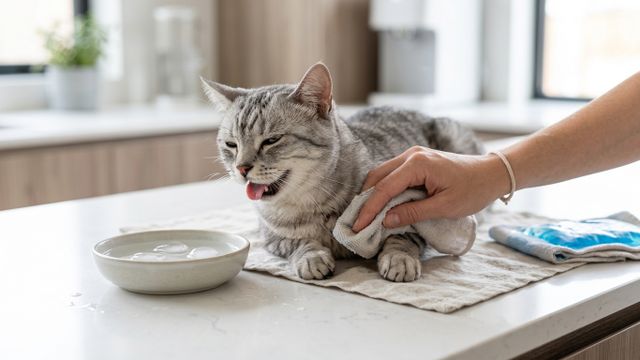
What to Do If Your Cat Has Heatstroke? Emergency Steps, Cooling Methods, and When to Seek Veterinary Care for Feline Heat Exhaustion This Summer
If your cat shows signs of heatstroke, immediately move them to a cool, shaded area, wet their body with room-temperature (not ice-cold) water, and use a fan to aid cooling. Contact a veterinary clinic as soon as possible. This guide will help you recognize the symptoms, follow the correct emergency steps, and know when to get professional help.
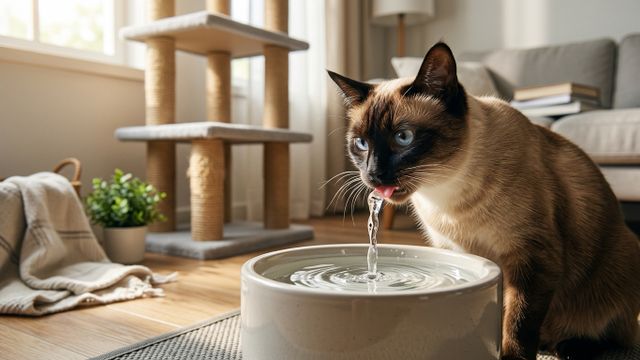
Cat Water Fountain Recommendations: How to Choose the Right Material, Benefits of Flowing Water, and Cleaning Frequency for Summer
To encourage your cat to drink more water with a fountain, opt for ceramic or stainless steel materials and avoid low-quality plastic. Replace filters every 2 weeks and completely disassemble and clean the fountain every 3-5 days during summer to prevent bacterial growth.
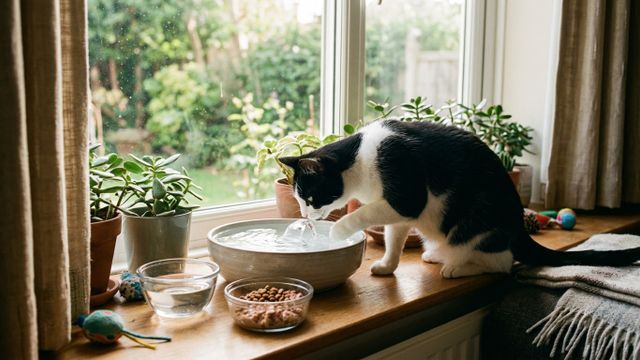
What to Do If Your Cat Isn't Drinking Water? Summer Hydration Tips, Wet Food Ratios, and Dehydration Signs Explained
What should you do if your cat isn't drinking water? The most effective approach isn't necessarily buying a water fountain, but rather "hiding water in their food" – increasing wet food portions, adding more water bowls, and changing the water more frequently. This article guides you on assessing summer water intake, recognizing dehydration signs, and offers 6 practical tips that have been tested and proven effective.
