Blog
Cat Water Fountain Recommendations: How to Choose the Right Material, Benefits of Flowing Water, and Cleaning Frequency for Summer
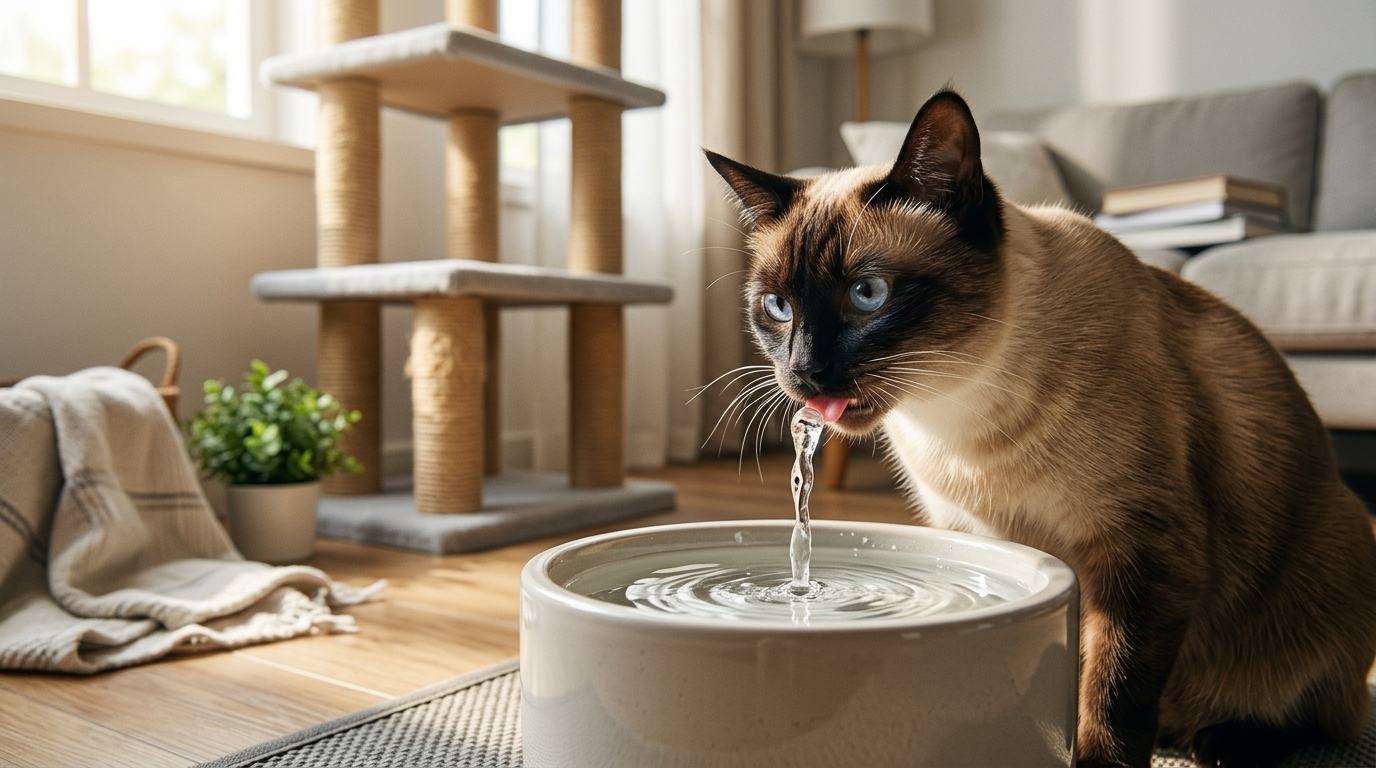
If you want to increase your cat's water intake during the summer when they tend to drink less, a cat water fountain is a worthwhile investment. However, the key lies in the "material" and "cleaning frequency." Choosing incorrectly can actually breed bacteria. In terms of material ranking, ceramic ≧ stainless steel > high-quality plastic, with low-quality plastic being the least recommended. During summer, it's advised to replace the filter every 2 weeks and completely disassemble and clean the unit every 3-5 days.
At Mao Hou Yuan's cat hotel, the most common issue we encounter in the summer is "cats not drinking enough water." Many owners assume their cats aren't thirsty, but cats are naturally uninterested in "stagnant water." Plus, Taiwan's summer is hot and humid, making water left in a bowl all day stale. This article will clearly explain how to choose and clean a water fountain, drawing from our practical experience caring for hundreds of boarding cats.
Key Takeaways
- The recommended order for cat water fountain materials is: Ceramic ≧ Stainless Steel > High-Quality Plastic. Low-quality plastic is prone to scratches, harbors bacteria, and can even cause feline acne.
- Flowing water stimulates a cat's drinking instinct. In practice, most cats increase their daily water intake by 20-50% after switching to a water fountain.
- During summer, it's recommended to replace the filter every 2 weeks and completely disassemble and clean the pump and unit every 3-5 days to prevent biofilm formation on the water surface.
- The ideal daily water intake for an adult cat is approximately 40-60ml per kilogram of body weight (including water from wet food).
- A water fountain cannot replace wet food. The most effective combination for increasing water intake is "water fountain + wet food + multiple water sources."
Should You Use a Cat Water Fountain?
Let's get straight to the point: If your cat already drinks diligently from a water bowl and has normal urine output, a water fountain is an "added bonus." However, if you notice that "the water level barely changes throughout the day" or "urine clumps are getting smaller and less frequent," a water fountain is definitely worth trying.
Cats' ancestors were desert animals, naturally deriving moisture from their prey, so their inherent desire to drink water is low. They are also particularly sensitive to "flowing, fresh" water – which is why many cats enjoy drinking from faucets or toilet bowls. Flowing water fountains leverage this instinct by continuously circulating the water, oxygenating it, and making it appear more "alive," thereby increasing their willingness to drink.
We've written a more comprehensive article on why cats dislike drinking water and how to increase their hydration in summer: What to Do If Your Cat Isn't Drinking? Tips to Increase Water Intake in Summer, Wet Food Ratios, and Dehydration Signs. We recommend reading it in conjunction with this article.
Which Cats Need a Flowing Water Fountain the Most?
- Cats that only eat dry food and rarely consume wet food.
- Cats with a history of lower urinary tract issues, crystals, or cystitis.
- Middle-aged to senior cats, or those at risk of kidney disease.
- Cats that are noticeably less active and less inclined to drink water during the summer.
A special reminder: Kidneys are one of the most vulnerable organs in cats, making adequate water intake crucial for daily maintenance. To understand why, you can read: Why Do Cats Get Kidney Disease? From Early Signs, Dietary Prevention, to the Importance of Drinking More Water.
Benefits and Drawbacks of Flowing Water Fountains
Benefits
1. Increased Water Intake: This is the primary value. After switching to flowing water fountains for our boarding cats, most cats increased their daily water intake by 20-50%, and their urine clumps became noticeably larger.
2. Fresher Water Quality: Circulation and filtration reduce the amount of fur and dust floating on the water surface, which is especially noticeable in summer.
3. Better Cooling Sensation: Flowing water feels cooler, making cats more willing to drink during hot weather.
Drawbacks (Also Key Selection Points)
1. Requires Electricity and Has Motor Noise: Cheaper models have noisy pumps, which can deter timid cats from approaching.
2. More Troublesome to Clean: The addition of a pump, filter, and tubing means that neglecting cleaning turns it into a breeding ground for bacteria.
3. Material Issues Can Arise: Low-quality plastic, once scratched, harbors bacteria and can trigger feline "chin acne (feline acne)."
Therefore, the real key to whether you "should use one" is your willingness to clean it regularly. If you cannot commit to regular disassembly and cleaning, a clean, wide-mouthed ceramic bowl, placed in multiple locations with daily water changes, might actually be better than a dirty water fountain.
Cat Water Fountain Recommendations: How to Choose Based on Material Ranking
This is the most important factor to consider when purchasing. Here's the ranking based on practical recommendations:
First Place: Ceramic
- Pros: Difficult to scratch, does not retain odors, stable center of gravity making it hard to knock over, easy to clean. Most cats particularly sensitive to chin acne see the most significant improvement after switching to ceramic.
- Cons: Heavier, prone to breaking if dropped, higher price point.
- Suitable for: Those with a sufficient budget and cats prone to chin acne or who are very clean.
Second Place: Stainless Steel (304 Food-Grade)
- Pros: Durable, antibacterial, scratch-resistant, lighter than ceramic and less prone to breaking.
- Cons: Some models have a steel water basin but a plastic base; the overall structure needs to be considered.
- Suitable for: Most households looking for durability and ease of cleaning at a moderate price.
Third Place: High-Quality Plastic (Food-Grade, Odorless)
- Pros: Lightweight, inexpensive, available in various designs.
- Cons: Prone to scratches and oil buildup over time, harboring bacteria; a common material that triggers chin acne.
- Recommendation: If choosing plastic, ensure it's odorless and food-grade, and shorten the replacement cycle for the entire unit.
Least Recommended: Unknown Brand Cheap Plastic
Skip any models with a pungent plastic smell or surfaces that scratch easily. These bowls will impart an odor to the water over time, making cats even less likely to drink.
> Mao Hou Yuan Manager's Practical Advice: First, check the material of the "water basin that the cat's mouth directly touches." Even if the base is plastic, as long as the part that contacts the water is ceramic or stainless steel, it's much more hygienic.
Summer Water Fountain Cleaning Frequency: Neglecting Cleaning is Worse Than Not Using One
Many people buy water fountains but neglect cleaning, which is the most common mistake. In the high temperatures of summer, stagnant circulating water combined with saliva and food debris can form a slippery "biofilm" on the water surface and pump within just a few days – this is a breeding ground for bacteria.
Here are our summer cleaning standards for cat water fountains at our hotel, which owners can follow directly:
Daily
- Discard old water, rinse the water basin, and add fresh, clean water.
- Check the water level and remove any floating fur.
Every 3-5 Days (Essential in Summer)
- Complete Disassembly and Cleaning of the Unit: Disassemble the pump, impeller, tubing, and water basin.
- Use a soft brush and mild detergent to scrub, paying special attention to the small impeller inside the pump, which is most prone to biofilm buildup.
- Rinse thoroughly with hot water and allow to air dry completely before reassembling.
Every 2 Weeks
- Replace the filter (follow product instructions; it's better to replace it sooner in summer).
Every 1-2 Months
- Use food-grade citric acid or diluted white vinegar to remove limescale, then rinse thoroughly.
There's a simple way to tell if it needs cleaning: Run your finger along the inside wall of the water basin. If it feels slippery and sticky, biofilm has formed, and it needs immediate disassembly and cleaning.
Practical Tips to Encourage Your Cat to Use a Water Fountain
It's common for cats to ignore a new water fountain. Here are a few methods we commonly use:
1. Don't Put Away the Old Water Bowl Yet: Place the water fountain nearby and allow your cat to gradually adapt to the flowing sound and water stream.
2. Choose a Low-Noise Model: If the pump noise is too loud, timid cats may never approach it.
3. Multiple Water Sources: Don't just have one fountain. Place water sources in different areas of your home so your cat can drink wherever they go.
4. Combine with Wet Food: A water fountain cannot replace wet food. Mixing a little warm water into their wet food is the most effective way to increase hydration in summer. For choosing canned food, refer to How to Choose Kitten Canned Food: Main vs. Complementary Food, and Summer Storage Tips.
5. Keep Water Clean and Fresh: Cats are sensitive to odors; they won't drink if the water smells off.
Summer's Biggest Concern: Dehydration + High Temperatures = Danger
The core value of a water fountain is especially important in summer. Insufficient water intake combined with high temperatures can easily lead to dehydration or even heatstroke in cats. If you notice your cat panting with its mouth open, lethargic, or with pale gums, this is an emergency. Please refer to our summer series main articles: Are Cats Afraid of Heat? Signs of Heatstroke, Panting, and Summer Cooling Strategies and What to Do If Your Cat Has Heatstroke? First Aid Steps, Cooling Methods, and When to Seek Veterinary Care, and seek veterinary attention immediately.
Reminder: A water fountain is a tool to increase daily water intake and cannot replace medical treatment. If your cat experiences difficulty urinating, frequent trips to the litter box, blood in urine, lethargy, or refuses to drink for over a day, please take them to a veterinarian immediately.
To support your cat's digestive and urinary health during summer, you can also consider daily supplements, such as our Specialty Probiotics to help stabilize their digestive system. You can browse and select other daily necessities like water bowls and litter boxes directly in our Online Store.
Frequently Asked Questions
Is a Cat Water Fountain Necessary? What Happens If I Don't Use One?
It's not a necessity. As long as your cat drinks frequently from its water bowl and has normal urine output, using a clean, wide-mouthed ceramic bowl, providing multiple water sources, and changing the water daily is perfectly fine. Water fountains are primarily an added benefit for cats that "dislike drinking, only eat dry food, or have urinary or kidney risks."
How Often Should a Cat Water Fountain Be Cleaned?
In summer, it's recommended to change the water and rinse the basin daily, completely disassemble and clean the entire unit (including the pump impeller) every 3-5 days, and replace the filter every 2 weeks. If the inside of the water basin feels slippery and sticky, it indicates bacterial film formation, and immediate disassembly and cleaning are required.
Which Water Fountain Material is Best: Ceramic, Stainless Steel, or Plastic?
The recommended order is Ceramic ≧ Stainless Steel > High-Quality Plastic. Low-quality plastic is prone to scratches, harbors bacteria, and often triggers feline chin acne, making it the least recommended. At a minimum, ensure the water basin that the cat's mouth contacts is made of ceramic or stainless steel.
My Cat Still Doesn't Drink Water Even With a Fountain, What Should I Do?
Try a low-noise model, leave the old water bowl nearby to allow adaptation, and combine it with wet food mixed with warm water. If your cat continues to refuse water, becomes lethargic, or their urine output significantly decreases, it may be a sign of illness, and you should consult a veterinarian.
How Much Water Does a Cat Need Per Day?
Roughly calculate 40-60ml per kilogram of body weight (including water from wet food). For example, a 4kg cat needs about 160-240ml of total water per day. Cats that primarily eat dry food need to rely more on water fountains and wet food to meet their hydration needs.
---
*This article was written by the Mao Hou Yuan editorial team, combining frontline care experience from our cat hotel. It is intended for daily care reference only and cannot replace veterinary diagnosis. If your cat shows signs of dehydration, urinary issues, or abnormal behavior, please seek veterinary care immediately.*
每月一封,精選養貓照護、住宿美容小知識與新品,不塞爆你的信箱。
Keep reading
What to Do If Your Cat Isn't Drinking Water? Summer Hydration Tips, Wet Food Ratios, and Dehydration Signs Explained
What should you do if your cat isn't drinking water? The most effective approach isn't necessarily buying a water fountain, but rather "hiding water in their food" – increasing wet food portions, adding more water bowls, and changing the water more frequently. This article guides you on assessing summer water intake, recognizing dehydration signs, and offers 6 practical tips that have been tested and proven effective.
Is Your Cat Panting with Its Tongue Out Because It's Too Hot? Distinguishing Between Normal Cooling, Open-Mouth Breathing, and Dangerous Panting, Plus Emergency First Aid
Brief panting with the tongue out in cats is usually a response to intense activity or overheating. However, if it lasts for more than a few minutes and doesn't stop even when resting, it should be treated as an emergency. This article will help you differentiate between normal and dangerous panting.
What to Do If Your Cat Has Heatstroke? Emergency Steps, Cooling Methods, and When to Seek Veterinary Care for Feline Heat Exhaustion This Summer
If your cat shows signs of heatstroke, immediately move them to a cool, shaded area, wet their body with room-temperature (not ice-cold) water, and use a fan to aid cooling. Contact a veterinary clinic as soon as possible. This guide will help you recognize the symptoms, follow the correct emergency steps, and know when to get professional help.
