Blog
Are Your Cat's Ears Cold? Normal Circulation, Cold Weather, and Warning Signs of Weakness
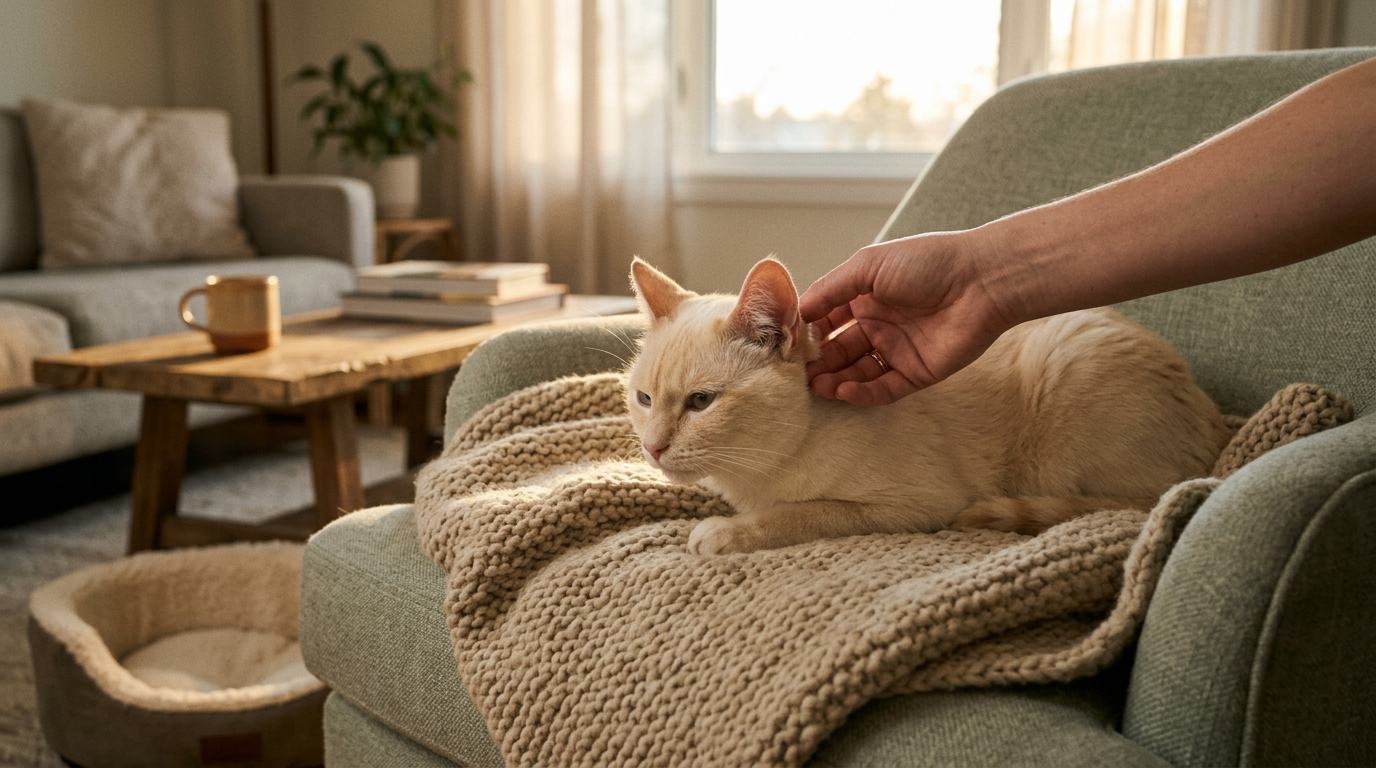
When your cat's ears feel cold to the touch, in most cases, it's normal. Ears are extremities with less blood flow, thin skin, and minimal fat, making them sensitive to ambient temperature. They naturally cool down when it gets cold. The real concern arises when cold ears are "simultaneously" accompanied by lethargy, pale gums, a cold body, or shivering curled up in a ball – these could be warning signs of poor circulation or hypothermia.
Here at CatGarden, we board and groom a large number of cats daily. We've touched thousands of ears, and the chances of judging a cat's health solely by its ear temperature are slim. The key is always to look at "cold ears PLUS other abnormalities."
Key Takeaways
- Cat ears are extremities with low blood flow and little subcutaneous fat. Cold ears in cold weather or after waking up are normal and usually don't require veterinary attention.
- A cat's normal body temperature is around 38–39.2°C (100.4–102.5°F). A rectal temperature below 37.5°C (99.5°F) indicates low temperature, and below 37°C (98.6°F) requires immediate veterinary care.
- The crucial factor isn't just the ear temperature but a combination of "cold ears + gum color + energy level + core body temperature."
- If gums change from a healthy pink to pale, grayish-white, or purplish, it indicates a problem with circulation or oxygen supply and is an emergency.
- Kittens, senior cats, sick cats, or those recovering from anesthesia are most susceptible to hypothermia. Their environment should be maintained at 25–28°C (77–82°F) with warm hiding spots.
Why Are Cat Ears Particularly Prone to Feeling Cold?
Understanding the anatomy of a cat's ears can help alleviate unnecessary worry about them feeling cold.
The ears (pinnae) are the body's "extremities," similar to paw pads and tail tips. They are farthest from the heart, have narrow blood vessels, and thin subcutaneous fat. When the environment cools, the body prioritizes sending blood to core organs (heart, lungs, brain, abdomen) and reduces flow to the extremities to conserve heat. This is normal peripheral circulation regulation, not a sign of illness.
Therefore, you'll notice:
- In winter or air-conditioned rooms: Ears and paws cooling down first is normal.
- After waking up or getting up from a cool floor: Ears may
What we use for this
CatGarden’s own products, shipped from Taiwan


照護、行為、住宿美容的實用小知識,每月精選一封寄給你。訂閱後馬上收到我們最多人看的三篇文章。
Keep reading
Do Cats Need to Fast Before Grooming? Understanding Feeding, Nail Trimming, and Car Sickness Vomiting Risks on Grooming Day
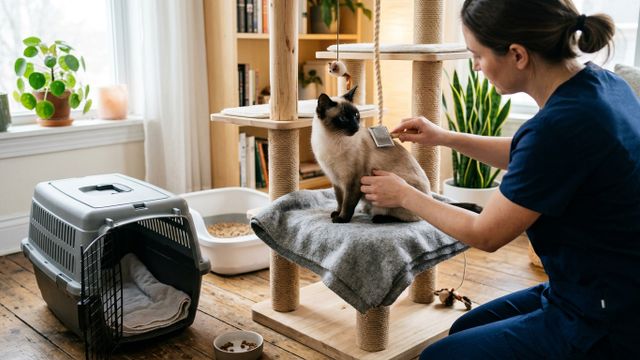
Cats don't need strict fasting before grooming like they do for surgery. However, avoiding a full meal 2-3 hours before dropping them off can significantly reduce the risk of car sickness and vomiting during bathing and drying. This guide will help you schedule feeding, nail trimming, and travel on grooming day.
Is Your Cat Sleeping Farther Away From You Because It Dislikes You? Consider Trust, Temperature, and Territory First
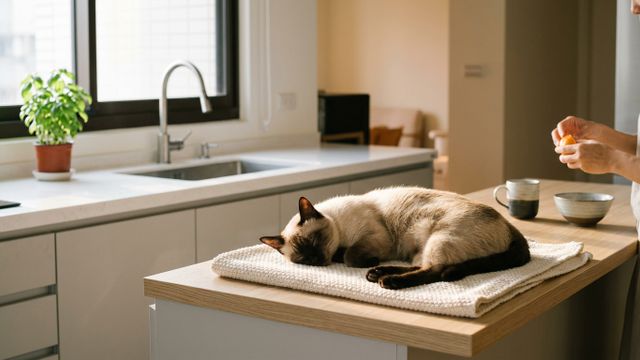
If your cat is sleeping farther away from you, it's usually not because it dislikes you, but rather because it's seeking a cooler spot due to the heat or it already feels secure around you. Assess temperature, trust, and territory to understand the reason.
Cat "Mother Hen" Squat vs. Normal Sitting: How to Tell the Difference by Limb Position, Breathing, and Relaxation Level
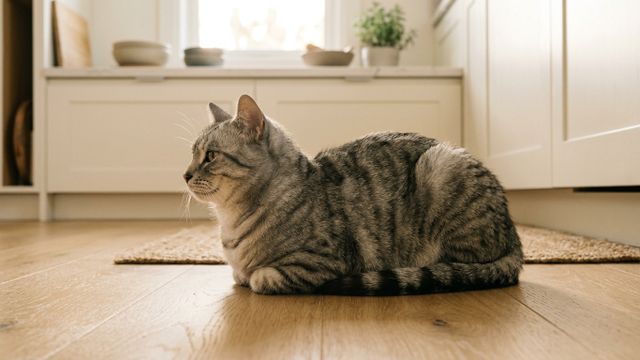
A cat's "mother hen" squat is usually a sign of relaxation and warmth, so don't panic every time you see it. However, if their limbs are tense, breathing is rapid, and their gaze is vacant, they might be curled up in pain. Learn to distinguish between these states using three key clues: limb position, breathing, and eye expression.
