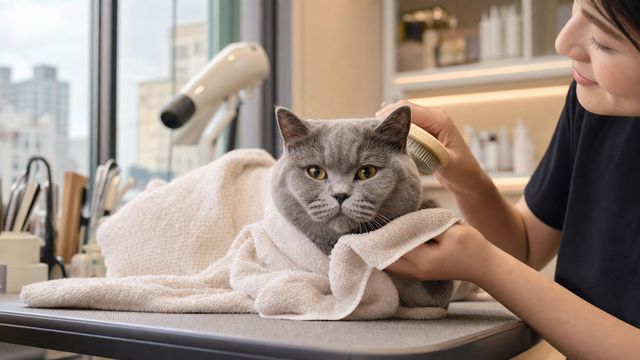
What to Check on Your Cat's Skin Before Summer Grooming? Rashes, Dandruff, and Itching Aren't Just Due to Heat
Why check your cat's skin before summer grooming? Taiwan's summers are humid and hot, with high indoor and outdoor humidity from the plum rains to afternoon thunderstorms. While cats don't need frequent baths like dogs, sebum, shedding, heat, and environmental moisture can still cause skin issues.
Key takeaways
- Before grooming your cat in the summer, check for 5 skin signals: redness, inflammation, or localized heat; dandruff or white debris at the hair roots; itching, biting, and excessive grooming; scabs, broken skin, or discharge; localized hair loss, bald patches, or darkening of the fur.
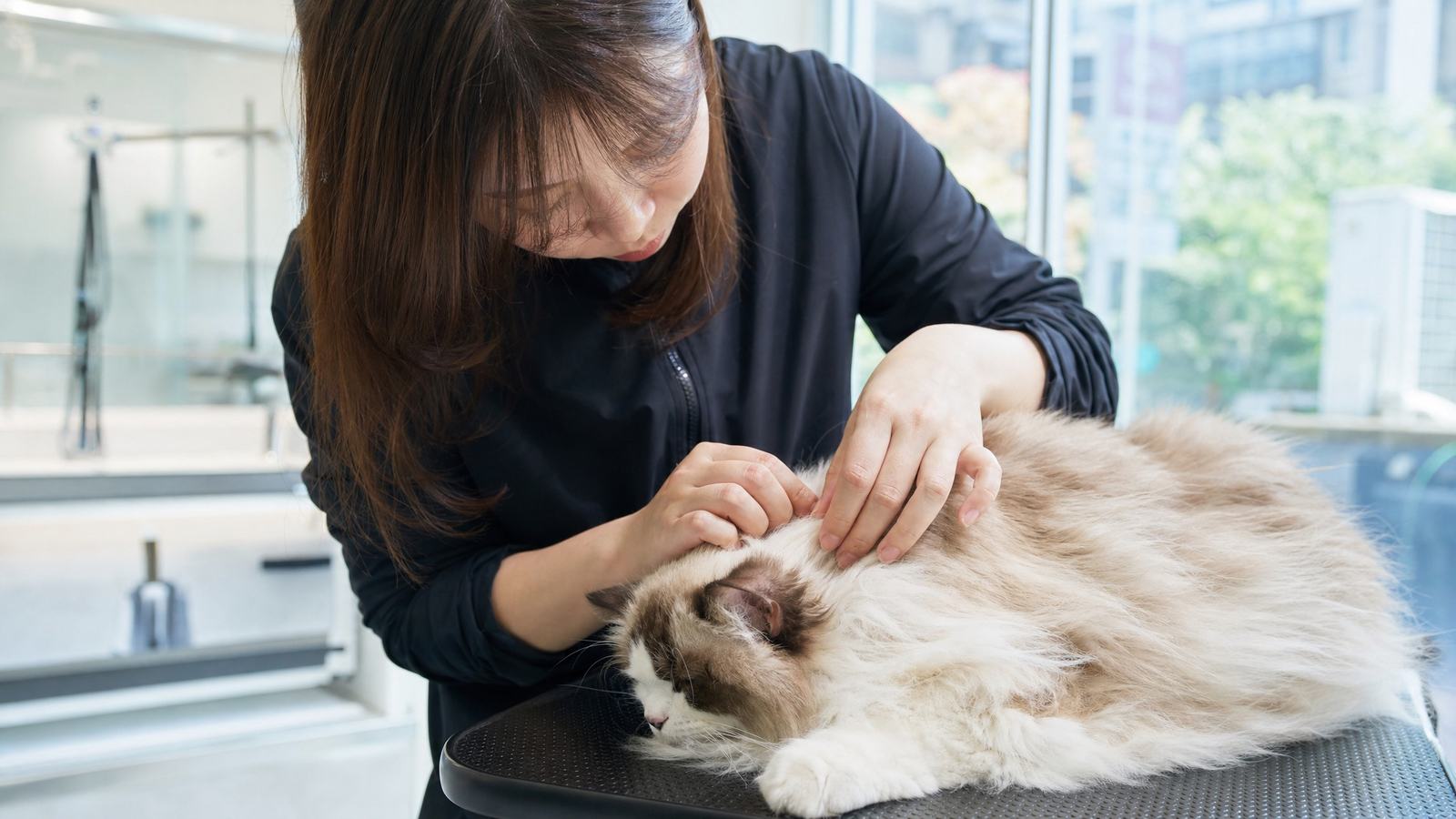
- To check for redness, part the fur and examine areas like behind the ears, neck, armpits, belly, and inner thighs, as these areas can get stuffy. If the skin feels warmer than the surrounding area or the cat flinches when touched, it's best to postpone grooming.
- If there are any open wounds, scabs, broken skin, or moist, sticky discharge with odor, it's not suitable for a general bath or extensive trimming. Cleaning products, the heat from blow-drying, and friction from grooming tools can worsen irritation.
- If it's just seasonal shedding, minor matting, no redness, broken skin, or obvious itching, basic grooming like brushing, trimming paw fur, nail clipping, and cleaning the outer ears is usually fine. However, if there are widespread rashes, bleeding from scratching, oozing scabs, noticeable odor, suspected ringworm with circular hair loss, or pain upon touch, consult a veterinarian first.
- When brushing, observe any small black specks that fall out. If they turn reddish-brown when wet, it might be related to flea dirt. It's recommended to consult a veterinarian first.
Why Check Your Cat's Skin Before Summer Grooming?
Taiwan's summers are humid and hot, with high indoor and outdoor humidity from the plum rains to afternoon thunderstorms. While cats don't need frequent baths like dogs, sebum, shedding, heat, and environmental moisture can still cause rashes, dandruff, or itching on their skin. Many owners assume it's just the hot weather or thick fur, but some conditions can become more apparent after bathing or trimming.
Checking the skin before grooming isn't about self-diagnosis; it's about determining if your cat is suitable for bathing, brushing, shaving, or partial trimming. If the skin is inflamed, broken, or shows signs of infection, bathing might cause discomfort and increase stress during grooming. This is especially important for long-haired cats, those with oily skin, and easily stressed cats.
5 Skin Signals to Check Before Bathing or Trimming
1. Rashes, Redness, or Localized Warmth
Gently part the fur with your hand to check behind the ears, neck, armpits, belly, and inner thighs for redness. These areas are prone to trapping moisture and often become red from licking or scratching. If the area feels warmer than the surrounding skin, or if your cat flinches when touched, it's best to postpone grooming.
Mild redness may not indicate a serious problem, but if it spreads, becomes bright red, or is accompanied by small swollen bumps, be alert. Cat skin issues can be hidden beneath the fur; what looks like messy fur on the surface might reveal irritation upon closer inspection. In such cases, a single bath is unlikely to be a solution.
2. Increased Dandruff or White Debris at Hair Roots
Seeing dandruff in the summer often leads owners to assume it's due to inadequate cleaning or infrequent bathing. However, dandruff can be related to dryness, sebum imbalance, insufficient brushing, allergies, or irritation from parasites. If white flakes are concentrated on the back, tail base, or in patches, the groomer should be informed.
When checking, gently brush a few times and observe if the fallen debris is ordinary dust, dandruff, or small black specks. If these black specks turn reddish-brown when wet, they might be flea dirt, and a veterinary consultation is recommended. Changes in a cat's skin are usually assessed not just by surface appearance but also in conjunction with itching, licking, and shedding.
3. Itching, Licking, or Over-Grooming
If your cat has been scratching behind its ears, licking its belly, biting its tail base, or has noticeably shorter fur in certain areas, it's more than just "being clean." Over-grooming can be a sign of itchy skin, stress, or environmental changes. Before grooming, observe if the frequency is higher than usual and note any localized hair loss.
Bathing and blow-drying can stimulate sensitive cats, potentially making them more agitated if they are already itchy. Forcing a bath might not solve the problem and could lead owners to mistakenly believe the cat simply dislikes grooming. If itching has persisted for several days or has caused broken skin, a veterinary examination is advised.
4. Scabs, Broken Skin, or Oozing
Scabs and broken skin are among the most critical signals before grooming. Whether caused by scratching, licking, or underlying inflammation, any open wound makes general bathing or extensive trimming unsuitable. Cleaning products, blow-drying heat, and brush friction can further irritate the wound.
If you notice wet, sticky discharge, an unusual odor, or clumps of matted fur, consult a veterinarian first. Groomers can help manage fur, but they cannot replace medical diagnosis. Stabilizing the cat's skin condition first will make subsequent grooming safer.
5. Localized Hair Loss, Bald Patches, or Darkened Fur
Summer shedding is common, but localized thinning, circular bald spots, or fur that has darkened due to licking warrants special attention. This could be related to fungal infections, allergies, parasites, pain, or stress. This is especially true if you have multiple cats or young children in the household, and delaying observation is not recommended.
Taking photos before grooming is a practical way to document changes for your veterinarian or groomer. Use natural light, part the fur to clearly show the affected area, and avoid applying any medication or human products. A cat's skin is more sensitive than human skin, and using incorrect cleaning products can worsen irritation.
What we use for this
CatGarden’s own products, shipped from Taiwan Quick-Dry Pet TowelFrom CA$49.35 per pieceFree shipping on multi-packs
When Grooming is Okay, and When to See a Vet
If your cat is merely shedding its summer coat, has minor mats, no redness or broken skin, and no significant itching, basic grooming can usually be arranged. This includes brushing, trimming paw pads, nail trimming, cleaning the outer ears, and minor tidying – common summer grooming services. When booking, it's still advisable to mention your cat's age, personality, nervousness, and any recent skin abnormalities.
However, if there are widespread rashes, bleeding from scratching, oozing scabs, noticeable odor, suspected fungal circular hair loss, or if your cat shows pain when touched in a certain area, you should see a veterinarian first. These conditions are not suitable for immediate bathing or shaving, as the underlying cause might not be simply thick fur. Once the veterinarian confirms the condition, arranging grooming based on their recommendations will be better for both the cat and the groomer.
Summer Grooming Focus for Long-Haired, Oily-Skinned, and Water-Averse Cats
Long-Haired Cats: Address Mats First, Don't Rush to Shave
The most common summer issue for long-haired cats is matting of the undercoat, especially in the armpits, chest, belly, and hind legs. Mats close to the skin can cause pain and trap moisture and heat. The priority here isn't necessarily shaving but assessing the severity of the mats and the skin condition.
If mats are close to the skin, do not try to cut them yourself, as you risk cutting the skin. Consider booking an appointment with an experienced cat groomer who can use appropriate tools to handle them gently. At home, focus on short, targeted brushing sessions to prevent the cat from associating grooming with stress.
Oily-Skinned Cats: Pay Attention to the Tail Base and Backline
Some cats have more active sebaceous glands, leading to an oily feel on their backs in the summer. The tail base may also develop blackheads or clumped fur. These cats may not require frequent baths but need regular observation of their skin and hair roots. If oiliness is accompanied by redness, hair loss, or odor, it's not just a cleaning issue.
When choosing grooming services, inquire about the use of cat-specific shampoos and whether the cleaning intensity can be adjusted based on skin condition. Over-de-greasing can make the cat's skin drier and more prone to irritation. Moderate cleaning, thorough rinsing, and complete drying are key to summer grooming.
Water-Averse Cats: Reducing Stress is More Important Than a Long Bath
Water-averse cats don't necessarily need a bath in the summer, especially older, timid cats, or those with negative grooming experiences. Prioritizing stress management is crucial. Start with nail trimming, brushing, and spot cleaning, and avoid scheduling too many services at once. The more controllable the grooming session, the less likely the cat is to become overwhelmed.
If a bath is necessary, choose a groomer who understands cat behavior, has a quiet environment, and a clear process. Adjustable blow-dryer settings for airflow and temperature are also important. For water-averse cats, good cat grooming isn't about completing every service but about performing essential tasks within a safe framework.
Questions to Ask Before Booking Cat Grooming
Before booking, you can ask the groomer about their experience with cats, whether they handle only a few cats at a time, and if the waiting area is separate from dogs. Cats are sensitive to sounds and smells, and environmental stress directly impacts the grooming process. Groomers who are willing to understand your cat's personality and health status can usually arrange a more suitable process.
You can also proactively share your recent observations, such as dandruff, itching, redness, mat locations, or previous veterinary visits. Ask how the groomer handles skin abnormalities and if they would recommend pausing and consulting a veterinarian. Good communication can reduce risks and prevent mistaking skin problems for simple lack of cleanliness.
- Ask: Do you use cat-specific shampoos?
- Ask: Do you check the skin and mats before grooming?
- Ask: How do you handle rashes or broken skin if found?
- Ask: Can you adjust services based on the cat's stress level?
- Ask: Do you ensure the cat is completely dry after bathing?
FAQ
Does my cat need a bath in the summer?
Not necessarily. Healthy cats groom themselves regularly. Whether a summer bath is needed depends on coat condition, sebum production, age, environment, and skin health. If it's just mild shedding, regular brushing might be more suitable than bathing.
My cat's skin is a little red; can I still get it groomed?
It depends on the extent and severity. If it's mild redness from temporary friction, take photos, observe, and inform the groomer. However, if there's itching, broken skin, scabs, or spreading redness, consult a veterinarian first.
Can shaving improve summer heat and skin problems?
Shaving doesn't always solve problems. A cat's fur protects the skin and helps regulate body temperature. Unless there are mats, medical needs, or severe hygiene difficulties, it's not recommended to shave the cat just because of the weather.
Is it normal for my cat to lick itself excessively after grooming?
Brief licking might be due to adjusting to new scents or relieving stress. However, if the cat continuously licks the same spot, causing redness or hair loss, pay attention. Check the skin for irritation and consult a veterinarian if necessary.
How often should I book cat grooming?
There's no fixed answer. Short-haired cats might only need regular nail trims and brushing, while long-haired or easily matted cats may require more frequent grooming. Adjust the frequency based on your cat's coat, living environment, and stress tolerance.
Conclusion: Check the Skin First, Then Arrange Suitable Summer Grooming
When grooming your cat in the summer, the focus isn't on how clean it gets or how short the fur is, but on ensuring the skin can tolerate the process. Rashes, dandruff, itching, broken skin, and localized hair loss are all worth observing before booking an appointment. If the condition is stable, choose a cat grooming service that understands your cat's needs, making nail trims, brushing, bathing, and tidying more comfortable and safe. CatGarden offers grooming services that prioritize the cat's well-being, suitable for owners who want to refresh their cats for the summer without causing excessive stress.
Further Reading
- Is Cat Grooming Pick-Up Service Suitable? Check Carrier, Travel Time, and Stress Risks Before Booking
- What is Cat Garlic Clove Fur? Assess Fur Volume, Brushing, and Nutrition Before Deciding on Treatment
- Can Cats Wear Waterproof Head Covers During Baths? Assess Stress, Breathing, and Ear Water Risks
CatGarden offers curated supplies, cat boarding, and grooming
Book services or shop online.