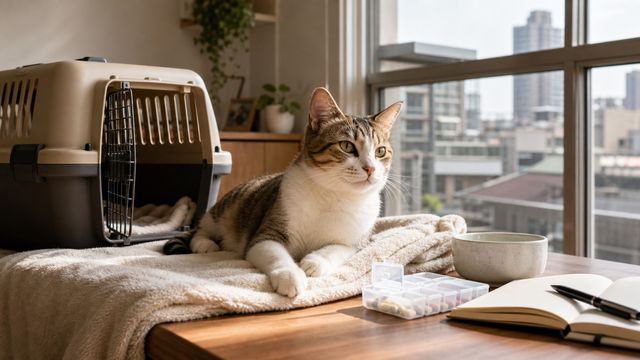
Cat Vomiting and Lethargy? It Might Be More Than Just an Upset Stomach

Occasional hairballs or vomiting food after eating too quickly might not be a major issue for your cat. However, if your cat becomes lethargic, hides, is reluctant to move, or loses interest even in their favorite treats after vomiting, you can't simply dismiss it as an "upset stomach."

CatGarden Editorial TeamPublished 2026/05/27Updated 2026/10/06
Physiological Health Management
Cat Vomiting and Lethargy? It Might Be More Than Just an Upset Stomach

Occasional hairballs or vomiting food after eating too quickly might not be a major issue for your cat. However, if your cat becomes lethargic, hides, is reluctant to move, or loses interest even in their favorite treats after vomiting, you can't simply dismiss it as an "upset stomach." Cats are masters at hiding discomfort, and many illnesses initially only manifest as changes in appetite, activity levels, or litter box habits.

This article will guide you through the clues you can observe when your cat is vomiting and lethargic, identify situations that require immediate veterinary attention, and offer tips on how to reduce the risk of gastrointestinal issues and other diseases. While this article cannot replace a veterinary diagnosis, it can help you focus on the key points during a stressful situation.

Key takeaways

  • If a cat vomits multiple times in a day, vomits repeatedly for more than two consecutive days, or appears lethargic and refuses to eat or drink after vomiting, seek veterinary attention as soon as possible.
  • Hairball vomiting in cats should not occur multiple times a week. If vomiting is excessively frequent, investigate potential underlying causes such as gastrointestinal issues, itchy skin, or excessive grooming.
  • Prolonged periods without eating can put cats at risk of hepatic lipidosis (fatty liver disease), especially in overweight cats. If your cat has barely eaten for over a day, contact your veterinary clinic immediately; do not attempt to fast your cat for extended periods on your own.
  • When changing your cat's food, it's recommended to transition gradually over 7 to 10 days by mixing the new food with the old. Using a slow feeder bowl or feeding smaller, more frequent meals can also help reduce the risk of vomiting caused by eating too quickly.
  • Symptoms of pancreatitis in cats are often atypical and may only manifest as lethargy, poor appetite, occasional vomiting, and weight loss, making it easily mistaken for general gastrointestinal discomfort.

Cat Vomiting and Lethargy: Don't Just Focus on "What Was Vomited"

Many people's first instinct is to examine the vomit: Is it a hairball, undigested food, yellow bile, or foamy water? This information is important, but the cat's state after vomiting is even more critical. If your cat quickly recovers after vomiting, is willing to drink water and eat, and their energy levels are normal, you can usually monitor them. However, if they continue to lie down, have a vacant stare, breathe rapidly, or are unwilling to be touched after vomiting, you need to be highly alert.

Please record the following details, as they will be very helpful for your veterinarian:

  • How often are they vomiting? Once a day, multiple times in a row, or recurring over several days?
  • What is in the vomit? Food, hairballs, yellow fluid, white foam, or blood?
  • Are they experiencing diarrhea, constipation, decreased urination, or hiding in the litter box?
  • Has their appetite, water intake, or activity level significantly decreased?
  • Have they recently changed food, eaten new treats, chewed on plants, or ingested foreign objects?

What we use for this

CatGarden’s own products, shipped from Taiwan
See all products
Pro ProbioticsPro ProbioticsFrom CA$26.60 per boxFree shipping on multi-packs

Common Causes: From Eating Too Fast to Pancreatitis

Eating Too Fast, Food Changes, or Hairballs

If your cat vomits undigested food shortly after eating, and their energy levels are normal afterward, it might be related to eating too quickly, the position of their food bowl, or a sudden change in diet. Long-haired cats or those in shedding season may also vomit hairballs. However, vomiting hairballs should not be so frequent that it occurs multiple times a week. If it happens often, it's still recommended to investigate potential gastrointestinal issues, skin irritation, or excessive grooming.

Gastritis, Parasites, or Food Intolerance

When the gastrointestinal tract is inflamed, cats may experience vomiting, soft stools, foul-smelling gas, abdominal discomfort, or decreased appetite. Kittens, cats recently introduced to a new environment, and elderly cats with weakened immune systems are more prone to gastrointestinal reactions due to stress or dietary changes. Do not administer human gastrointestinal medications, as some ingredients can be risky for cats.

Foreign Objects, String, or Plant Poisoning

Cats often play with strings, rubber bands, plastic bags, and hair ties. Ingesting these can lead to gastrointestinal obstruction. If your cat experiences repeated dry heaving, is unable to vomit, shows signs of abdominal pain, is not defecating, or their condition deteriorates rapidly, seek veterinary care immediately. Household plants like lilies, certain essential oils, and cleaning agents can also cause poisoning, with lilies posing a particularly high risk to a cat's kidneys.

Pancreatitis: Often Mistaken for a Simple Upset Stomach

The symptoms of pancreatitis in cats are often atypical, potentially including lethargy, poor appetite, occasional vomiting, and weight loss. Because these symptoms resemble common gastrointestinal problems, diagnosis can be delayed. If your cat is vomiting repeatedly, refusing to eat, shows pain when their abdomen is touched, or has pre-existing chronic conditions, it's advisable to have your veterinarian assess if blood tests, imaging, or other diagnostics are needed.

When Should You Seek Veterinary Care Immediately?

If your cat vomits only once, but their energy, appetite, and water intake are normal, you can temporarily withhold treats and observe them for the next 12 to 24 hours. However, you should not delay seeking veterinary care if any of the following occur:

  • Vomiting multiple times within a day, or vomiting repeatedly for two or more consecutive days.
  • Significant lethargy after vomiting, hiding, or reluctance to move.
  • Complete refusal to eat, inability to drink water, or vomiting after drinking.
  • Vomit contains blood, coffee-colored fluid, or suspected foreign objects.
  • Concurrent diarrhea, dehydration, weight loss, or rapid breathing.
  • The cat is a kitten, elderly, has chronic health conditions, or is currently on medication.

Prolonged lack of appetite in cats can lead to a risk of hepatic lipidosis (fatty liver disease), especially in overweight cats. If your cat has not eaten for more than a day, contact your veterinary clinic directly; do not just wait and see at home.

What Can You Do at Home While Waiting?

While waiting for veterinary care or during a short observation period, maintain a quiet environment and allow your cat to rest in a familiar corner. Provide clean drinking water and observe if they can drink small amounts frequently. Do not force-feed water, induce vomiting, or suddenly offer large amounts of new food. Unless instructed by your veterinarian, it's not recommended to fast your cat for extended periods, as their metabolism differs from humans.

You can also take photos of the vomit and record the time it occurred. Observe their litter box: Is there urine? What is the consistency of the stool? Are they straining without success? This information is more helpful for your veterinarian than a general statement like "they seem a bit off."

How to Reduce Vomiting and Gastrointestinal Risks Regularly

  • When changing food, gradually mix the new food with the old over 7 to 10 days; do not switch abruptly.
  • For cats that eat too quickly, consider using a slow feeder bowl or offering smaller, more frequent meals.
  • Brush your cat regularly to reduce the amount of hair they ingest.
  • Keep strings, rubber bands, plastic pieces, needles, and small toys out of reach.
  • Prevent your cat from coming into contact with lilies, unknown plants, essential oils, and harsh cleaning agents.
  • Maintain regular veterinary check-ups, especially for senior cats, to monitor kidney function, liver and gallbladder health, and weight changes.

If your cat is preparing for boarding, grooming, or a change of environment, it's also advisable to inform the care providers in advance about their dietary habits, history of vomiting, chronic conditions, or medications. The more familiar you are with their normal state, the easier it will be to detect abnormalities early on.

Frequently Asked Questions (FAQ)

My cat vomited once and seems fine now. Do I still need to see a vet?

If your cat vomited only once and their energy and appetite are normal, you can observe them. However, if they vomit repeatedly in a short period, become lethargic after vomiting, have a decreased appetite, or experience diarrhea, veterinary consultation is recommended.

What does it mean when a cat vomits yellow fluid?

Yellow fluid is often bile, vomited when the stomach is empty. However, it can also be related to gastrointestinal irritation, inflammation, or other illnesses. If it occurs repeatedly or is accompanied by lethargy, don't just assume it's due to hunger.

Can I fast my cat if they are vomiting?

Do not fast your cat for extended periods without veterinary guidance. Prolonged lack of eating can lead to fatty liver disease, especially in overweight cats. If fasting or dietary adjustments are necessary, it's best determined by a veterinarian based on the cat's age, physical condition, and symptoms.

How often is it normal for a cat to vomit hairballs?

Occasional hairballs can occur. However, if it happens multiple times a week, is accompanied by decreased appetite, constipation, or excessive grooming, you should investigate the underlying cause, as it may not just be a hairball issue.

Can I give my cat human stomach medication if they are vomiting and lethargic?

It is not recommended. Human medications may not have appropriate dosages or ingredients for cats, and some can cause harm. Always consult your veterinarian first, especially for kittens, senior cats, or those with chronic illnesses.

Further Reading

  • Does My Cat Still Need Regular Check-ups If They Seem Normal? Consider Age and These Subtle Changes
  • Cat Becomes Lethargic But Still Eating? Don't Wait Until They Refuse Food and Water to See a Vet
  • How Long Can a Cat Go Without Eating Before Needing Veterinary Care? Check Energy, Water Intake, and Litter Box Habits First
  • Is Blood Work Enough for Senior Cat Check-ups? Kidney Function, Blood Pressure, and Urinalysis Should Be Included

When your cat is vomiting and lethargic, the most important thing is not to focus on a single symptom but to consider the frequency of vomiting, their energy levels, appetite, water intake, and litter box habits together. If you need to arrange boarding or care for your cat soon, you're welcome to join the CatGarden LINE and inform us about your cat's health status and care routine. We will assist you in confirming the details to pay attention to before their stay.

FAQ

My cat vomited but seems fine with normal energy and appetite. Do I need to see a vet right away?

If your cat vomited only once and their energy, appetite, and water intake are normal, you can temporarily withhold treats and observe for 12 to 24 hours. However, if vomiting is recurrent in a short period, or if your cat is lethargic after vomiting or has diarrhea, seek veterinary care promptly.

Can I fast my cat at home if they are vomiting?

It is not recommended for owners to fast their cats for extended periods without veterinary guidance. Cats that do not eat for too long are at risk of developing hepatic lipidosis, particularly if they are overweight.

Can I give my cat human gastrointestinal medication if they are vomiting and lethargic?

Self-medication is not recommended. The dosage and ingredients of human medications may not be suitable for cats, and some ingredients can even cause harm or risks to cats.

How frequent is too frequent for hairball vomiting in cats?

Hairball vomiting should not occur multiple times a week. If it happens frequently, or is accompanied by decreased appetite, constipation, or excessive grooming, it's recommended to seek veterinary examination to determine if it's more than just a simple hairball issue.

CatGarden offers curated supplies, cat boarding, and grooming

Book services or shop online.
Back

Blog

Cat Vomiting and Lethargy? It Might Be More Than Just an Upset Stomach

CatGarden Editorial TeamPublished 2026/05/27Updated 2026/10/06
Physiological Health Management
Cat Vomiting and Lethargy? It Might Be More Than Just an Upset Stomach

Occasional hairballs or vomiting food after eating too quickly might not be a major issue for your cat. However, if your cat becomes lethargic, hides, is reluctant to move, or loses interest even in their favorite treats after vomiting, you can't simply dismiss it as an "upset stomach." Cats are masters at hiding discomfort, and many illnesses initially only manifest as changes in appetite, activity levels, or litter box habits.

This article will guide you through the clues you can observe when your cat is vomiting and lethargic, identify situations that require immediate veterinary attention, and offer tips on how to reduce the risk of gastrointestinal issues and other diseases. While this article cannot replace a veterinary diagnosis, it can help you focus on the key points during a stressful situation.

Key takeaways

  • If a cat vomits multiple times in a day, vomits repeatedly for more than two consecutive days, or appears lethargic and refuses to eat or drink after vomiting, seek veterinary attention as soon as possible.
  • Hairball vomiting in cats should not occur multiple times a week. If vomiting is excessively frequent, investigate potential underlying causes such as gastrointestinal issues, itchy skin, or excessive grooming.
  • Prolonged periods without eating can put cats at risk of hepatic lipidosis (fatty liver disease), especially in overweight cats. If your cat has barely eaten for over a day, contact your veterinary clinic immediately; do not attempt to fast your cat for extended periods on your own.
  • When changing your cat's food, it's recommended to transition gradually over 7 to 10 days by mixing the new food with the old. Using a slow feeder bowl or feeding smaller, more frequent meals can also help reduce the risk of vomiting caused by eating too quickly.
  • Symptoms of pancreatitis in cats are often atypical and may only manifest as lethargy, poor appetite, occasional vomiting, and weight loss, making it easily mistaken for general gastrointestinal discomfort.

Cat Vomiting and Lethargy: Don't Just Focus on "What Was Vomited"

Many people's first instinct is to examine the vomit: Is it a hairball, undigested food, yellow bile, or foamy water? This information is important, but the cat's state after vomiting is even more critical. If your cat quickly recovers after vomiting, is willing to drink water and eat, and their energy levels are normal, you can usually monitor them. However, if they continue to lie down, have a vacant stare, breathe rapidly, or are unwilling to be touched after vomiting, you need to be highly alert.

Please record the following details, as they will be very helpful for your veterinarian:

  • How often are they vomiting? Once a day, multiple times in a row, or recurring over several days?
  • What is in the vomit? Food, hairballs, yellow fluid, white foam, or blood?
  • Are they experiencing diarrhea, constipation, decreased urination, or hiding in the litter box?
  • Has their appetite, water intake, or activity level significantly decreased?
  • Have they recently changed food, eaten new treats, chewed on plants, or ingested foreign objects?

What we use for this

CatGarden’s own products, shipped from Taiwan
See all products
Pro ProbioticsPro ProbioticsFrom CA$26.60 per boxFree shipping on multi-packs

Common Causes: From Eating Too Fast to Pancreatitis

Eating Too Fast, Food Changes, or Hairballs

If your cat vomits undigested food shortly after eating, and their energy levels are normal afterward, it might be related to eating too quickly, the position of their food bowl, or a sudden change in diet. Long-haired cats or those in shedding season may also vomit hairballs. However, vomiting hairballs should not be so frequent that it occurs multiple times a week. If it happens often, it's still recommended to investigate potential gastrointestinal issues, skin irritation, or excessive grooming.

Gastritis, Parasites, or Food Intolerance

When the gastrointestinal tract is inflamed, cats may experience vomiting, soft stools, foul-smelling gas, abdominal discomfort, or decreased appetite. Kittens, cats recently introduced to a new environment, and elderly cats with weakened immune systems are more prone to gastrointestinal reactions due to stress or dietary changes. Do not administer human gastrointestinal medications, as some ingredients can be risky for cats.

Foreign Objects, String, or Plant Poisoning

Cats often play with strings, rubber bands, plastic bags, and hair ties. Ingesting these can lead to gastrointestinal obstruction. If your cat experiences repeated dry heaving, is unable to vomit, shows signs of abdominal pain, is not defecating, or their condition deteriorates rapidly, seek veterinary care immediately. Household plants like lilies, certain essential oils, and cleaning agents can also cause poisoning, with lilies posing a particularly high risk to a cat's kidneys.

Pancreatitis: Often Mistaken for a Simple Upset Stomach

The symptoms of pancreatitis in cats are often atypical, potentially including lethargy, poor appetite, occasional vomiting, and weight loss. Because these symptoms resemble common gastrointestinal problems, diagnosis can be delayed. If your cat is vomiting repeatedly, refusing to eat, shows pain when their abdomen is touched, or has pre-existing chronic conditions, it's advisable to have your veterinarian assess if blood tests, imaging, or other diagnostics are needed.

When Should You Seek Veterinary Care Immediately?

If your cat vomits only once, but their energy, appetite, and water intake are normal, you can temporarily withhold treats and observe them for the next 12 to 24 hours. However, you should not delay seeking veterinary care if any of the following occur:

  • Vomiting multiple times within a day, or vomiting repeatedly for two or more consecutive days.
  • Significant lethargy after vomiting, hiding, or reluctance to move.
  • Complete refusal to eat, inability to drink water, or vomiting after drinking.
  • Vomit contains blood, coffee-colored fluid, or suspected foreign objects.
  • Concurrent diarrhea, dehydration, weight loss, or rapid breathing.
  • The cat is a kitten, elderly, has chronic health conditions, or is currently on medication.

Prolonged lack of appetite in cats can lead to a risk of hepatic lipidosis (fatty liver disease), especially in overweight cats. If your cat has not eaten for more than a day, contact your veterinary clinic directly; do not just wait and see at home.

What Can You Do at Home While Waiting?

While waiting for veterinary care or during a short observation period, maintain a quiet environment and allow your cat to rest in a familiar corner. Provide clean drinking water and observe if they can drink small amounts frequently. Do not force-feed water, induce vomiting, or suddenly offer large amounts of new food. Unless instructed by your veterinarian, it's not recommended to fast your cat for extended periods, as their metabolism differs from humans.

You can also take photos of the vomit and record the time it occurred. Observe their litter box: Is there urine? What is the consistency of the stool? Are they straining without success? This information is more helpful for your veterinarian than a general statement like "they seem a bit off."

How to Reduce Vomiting and Gastrointestinal Risks Regularly

  • When changing food, gradually mix the new food with the old over 7 to 10 days; do not switch abruptly.
  • For cats that eat too quickly, consider using a slow feeder bowl or offering smaller, more frequent meals.
  • Brush your cat regularly to reduce the amount of hair they ingest.
  • Keep strings, rubber bands, plastic pieces, needles, and small toys out of reach.
  • Prevent your cat from coming into contact with lilies, unknown plants, essential oils, and harsh cleaning agents.
  • Maintain regular veterinary check-ups, especially for senior cats, to monitor kidney function, liver and gallbladder health, and weight changes.

If your cat is preparing for boarding, grooming, or a change of environment, it's also advisable to inform the care providers in advance about their dietary habits, history of vomiting, chronic conditions, or medications. The more familiar you are with their normal state, the easier it will be to detect abnormalities early on.

Frequently Asked Questions (FAQ)

My cat vomited once and seems fine now. Do I still need to see a vet?

If your cat vomited only once and their energy and appetite are normal, you can observe them. However, if they vomit repeatedly in a short period, become lethargic after vomiting, have a decreased appetite, or experience diarrhea, veterinary consultation is recommended.

What does it mean when a cat vomits yellow fluid?

Yellow fluid is often bile, vomited when the stomach is empty. However, it can also be related to gastrointestinal irritation, inflammation, or other illnesses. If it occurs repeatedly or is accompanied by lethargy, don't just assume it's due to hunger.

Can I fast my cat if they are vomiting?

Do not fast your cat for extended periods without veterinary guidance. Prolonged lack of eating can lead to fatty liver disease, especially in overweight cats. If fasting or dietary adjustments are necessary, it's best determined by a veterinarian based on the cat's age, physical condition, and symptoms.

How often is it normal for a cat to vomit hairballs?

Occasional hairballs can occur. However, if it happens multiple times a week, is accompanied by decreased appetite, constipation, or excessive grooming, you should investigate the underlying cause, as it may not just be a hairball issue.

Can I give my cat human stomach medication if they are vomiting and lethargic?

It is not recommended. Human medications may not have appropriate dosages or ingredients for cats, and some can cause harm. Always consult your veterinarian first, especially for kittens, senior cats, or those with chronic illnesses.

Further Reading

  • Does My Cat Still Need Regular Check-ups If They Seem Normal? Consider Age and These Subtle Changes
  • Cat Becomes Lethargic But Still Eating? Don't Wait Until They Refuse Food and Water to See a Vet
  • How Long Can a Cat Go Without Eating Before Needing Veterinary Care? Check Energy, Water Intake, and Litter Box Habits First
  • Is Blood Work Enough for Senior Cat Check-ups? Kidney Function, Blood Pressure, and Urinalysis Should Be Included

When your cat is vomiting and lethargic, the most important thing is not to focus on a single symptom but to consider the frequency of vomiting, their energy levels, appetite, water intake, and litter box habits together. If you need to arrange boarding or care for your cat soon, you're welcome to join the CatGarden LINE and inform us about your cat's health status and care routine. We will assist you in confirming the details to pay attention to before their stay.

FAQ

My cat vomited but seems fine with normal energy and appetite. Do I need to see a vet right away?

If your cat vomited only once and their energy, appetite, and water intake are normal, you can temporarily withhold treats and observe for 12 to 24 hours. However, if vomiting is recurrent in a short period, or if your cat is lethargic after vomiting or has diarrhea, seek veterinary care promptly.

Can I fast my cat at home if they are vomiting?

It is not recommended for owners to fast their cats for extended periods without veterinary guidance. Cats that do not eat for too long are at risk of developing hepatic lipidosis, particularly if they are overweight.

Can I give my cat human gastrointestinal medication if they are vomiting and lethargic?

Self-medication is not recommended. The dosage and ingredients of human medications may not be suitable for cats, and some ingredients can even cause harm or risks to cats.

How frequent is too frequent for hairball vomiting in cats?

Hairball vomiting should not occur multiple times a week. If it happens frequently, or is accompanied by decreased appetite, constipation, or excessive grooming, it's recommended to seek veterinary examination to determine if it's more than just a simple hairball issue.

One email a month of cat-care tips

Hand-picked care, behavior and grooming tips once a month. Subscribe and we will send you our three most-read articles right away.

Keep reading