Why Does Your Cat Rub Against Walls and Furniture? Understanding Scent Marking, Security, and Heat Signals
Cats rubbing against furniture and walls are usually marking their territory with scent from glands on their cheeks, signaling "this is safe, this is mine." This is normal and healthy behavior. The real concern arises if this rubbing suddenly intensifies, accompanied by spraying or anxiety.
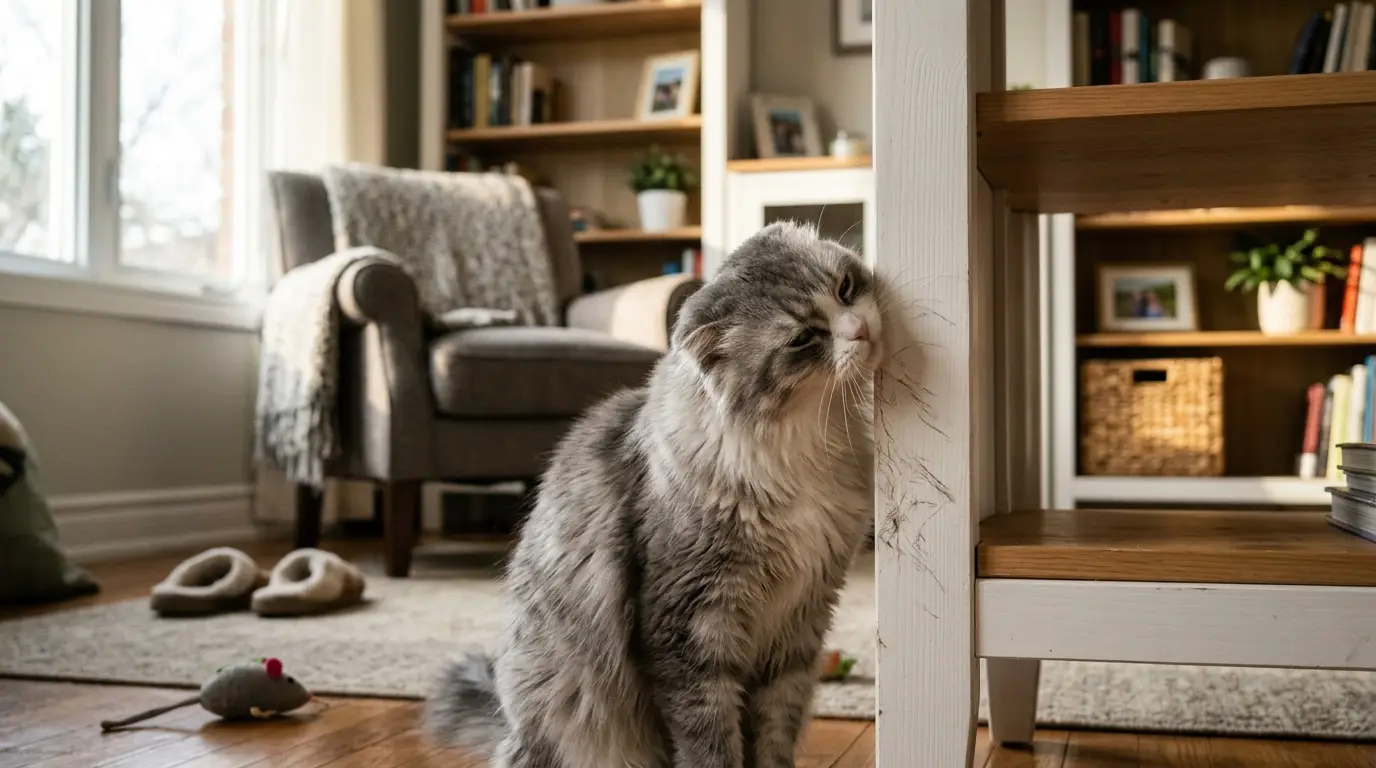
Cats constantly rubbing against furniture and walls are typically using scent glands on their cheeks to leave their own smell, essentially saying "this is safe, this is my territory." This is a normal and healthy behavior. What truly warrants attention is a sudden, drastic increase in rubbing frequency, especially when accompanied by urine spraying or signs of anxiety.
At the cattery, we frequently observe new cats entering their rooms immediately rubbing their cheeks against door frames, litter box corners, and blankets offered to them. This is actually their process of "re-stamping their scent" in an unfamiliar environment. Generally, the more comfortably they rub, the faster they adapt.
Key Takeaways
- The most common reason cats rub against furniture is scent marking with cheek glands, used to designate territory as "safe, familiar, and belonging to them." This is normal behavior.
- Cats have pheromone-secreting glands on their cheeks, chin, corners of the mouth, and in front of their ears. Rubbing these areas releases "friendly pheromones (F3)" that provide them with a sense of security.
- Cheek rubbing typically indicates relaxation and security. Urine spraying (standing, tail twitching) is a sign of anxiety or being in heat; these two behaviors should be distinguished.
- Unspayed cats will exhibit significantly increased rubbing during their heat cycles, often accompanied by loud vocalizations, frequent hindquarters elevation, and spraying. It's recommended to discuss spaying with your veterinarian.
- If rubbing behavior suddenly increases or disappears, or is combined with hiding, decreased appetite, or excessive grooming, it could indicate stress or physical discomfort and requires further observation.
Why Do Cats Rub Things With Their Cheeks? Understanding Facial Glands
A cat's face is not just cute; it houses several sets of pheromone-secreting glands – located on the chin, the sides of the mouth, cheeks, and from the front of the ears to the forehead. When a cat rubs its cheeks against something, it's actually depositing chemical signals secreted by these glands. Humans can't smell them, but the message is clear to other cats (and to the cat itself).
The pheromones released from the cheeks are mostly calming signals that make the cat feel "I'm familiar with this place, it's safe." This is why you'll notice:
- High-traffic areas like table legs, sofa corners, and door frames, which they pass by daily, are particularly prone to rubbing.
- New boxes or scratching posts are often rubbed all over to "register" them.
- They rub more frequently when they are happy and relaxed.
This is also why cats rubbing things with their cheeks is often mistaken for "itching." In reality, they are engaging in social scent communication and territory management.
Rubbing Furniture vs. Rubbing You: Is It the Same Thing?
The concept is similar, but the meaning is more intimate. When a cat rubs its head and cheeks against your hands, legs, or chin, it's incorporating you into its "scent group" – essentially recognizing you as one of their own. The difference between this and rubbing furniture is explored in more detail in our article, Do Cats Licking, Rubbing, and Kneading You Mean the Same Thing?. If you want to understand rubbing and kneading, this is a good read.
Three Common Scenarios of Cats Rubbing Against Walls
While both are rubbing, the underlying motivations can differ. We've categorized the three most common scenarios to help you identify which applies.
1. Security Marking: Most Common and Completely Normal
This is the reason for the vast majority of cats rubbing against furniture. By repeatedly applying their scent to familiar objects, cats fill their living space with "their own smell," which provides them with a sense of security. The characteristics of this type of rubbing are:
- The action is relaxed and unhurried; they often groom themselves or find a place to rest afterward.
- The location is consistent, along their daily routes and favorite spots.
- There is no accompanying loud meowing, spraying, or nervousness.
If you observe this type of rubbing, congratulations! It means your cat feels secure and content at home. To further understand how cats express security and trust through their sleeping positions, you can read our related main article, What Does Your Cat's Sleeping Position Mean?, for a deeper insight into their "territorial psychology."
2. Marking Territory: In Multi-Cat Households or During Environmental Changes
When you have two or more cats, or if there's been a recent move, furniture change, or the introduction of a new family member (new cat, baby, visitor), rubbing frequency may increase. This is the cat's way of re-establishing boundaries: who owns what, and where they need to reinforce their scent.
As long as they are using cheek rubbing and can coexist peacefully, it's usually a normal territorial negotiation. However, if they start spraying urine while standing with a twitching tail, or urinating on door frames or walls, it's no longer simple marking but a sign of stress. Regarding cats' sensitivity to territory, you might also find our article Does My Cat Sleeping Farther Away Mean They Dislike Me? Understanding Trust, Temperature, and Territory informative.
3. Heat Signals: Special Attention for Unspayed Cats
When cats enter their heat cycle, rubbing behavior will significantly increase, and it's often accompanied by other signals:
- Loud, persistent vocalizations (especially in female cats)
- Rolling on the floor, frequently lifting their hindquarters
- Rubbing their face, chin, and entire side against furniture and floors
- Male cats may start spraying urine while standing, with a particularly strong odor
- Constant attempts to escape outdoors
If your cat has been rubbing excessively lately, like a wound-up toy, and is constantly scratching at the door to get out, it's likely they are in heat. You can refer to our article What to Do When Your Cat Constantly Scratches at the Door Wanting to Go Out? Distinguishing Curiosity, Heat, or Stress for help in making this determination. The emotional fluctuations associated with heat can be taxing on a cat's physical and mental well-being. If you do not plan to breed, it is recommended to discuss spaying with your veterinarian. This can significantly reduce such behaviors and associated health risks.
How to Distinguish Between "Normal Rubbing" and "Rubbing to Watch For"?
When observing cats at our cattery, we use these indicators for a quick assessment:
| Observation Point | Normal Security Marking | Needs Attention |
|---|---|---|
| Action | Relaxed, slow; rests after rubbing | Anxious, pacing back and forth; becomes more tense after rubbing |
| Area | Primarily cheeks and chin | Rolling all over the body + hindquarters elevation (heat) |
| Accompanying Behavior | None | Loud meowing, spraying, hiding, poor appetite |
| Frequency | Stable | Sudden increase or complete disappearance |
Important Reminder: Rubbing itself is rarely the problem. The real warning signs are hidden in the "other accompanying changes." If a cat that used to rub frequently suddenly becomes reclusive and aggressive, or less active, prioritize considering pain or illness rather than a behavioral issue. This is detailed in our article Cat Suddenly Becomes Aggressive or Hides: Don't Just Assume It's Bad Temperament. If symptoms persist or are accompanied by a significant decrease in appetite or energy levels, please seek veterinary attention promptly.
Things Owners Can Do to Help Cats Feel More Secure When Rubbing
Rubbing is a way for cats to self-soothe. We can help them feel more secure by:
1. Preserving Their Scent: Avoid washing or replacing all fabrics and scratching posts too frequently. Leave some of their scent on frequently used items, especially during seasonal changes or when moving.
2. Providing Suitable Rubbing and Scratching Surfaces: Place vertical scratching posts and corrugated cardboard scratchers along their pathways to give them appropriate places to rub and scratch.
3. Using Catnip for Positive Association: Sprinkle some Premium Catnip Herb on new scratching posts or cat trees to encourage cats to explore and mark new furniture, reducing scratching on sofas.
4. Environmental Stability: Try not to frequently rearrange furniture or litter box locations. The more stable the environment, the less a cat will need to rub excessively to re-establish a sense of security.
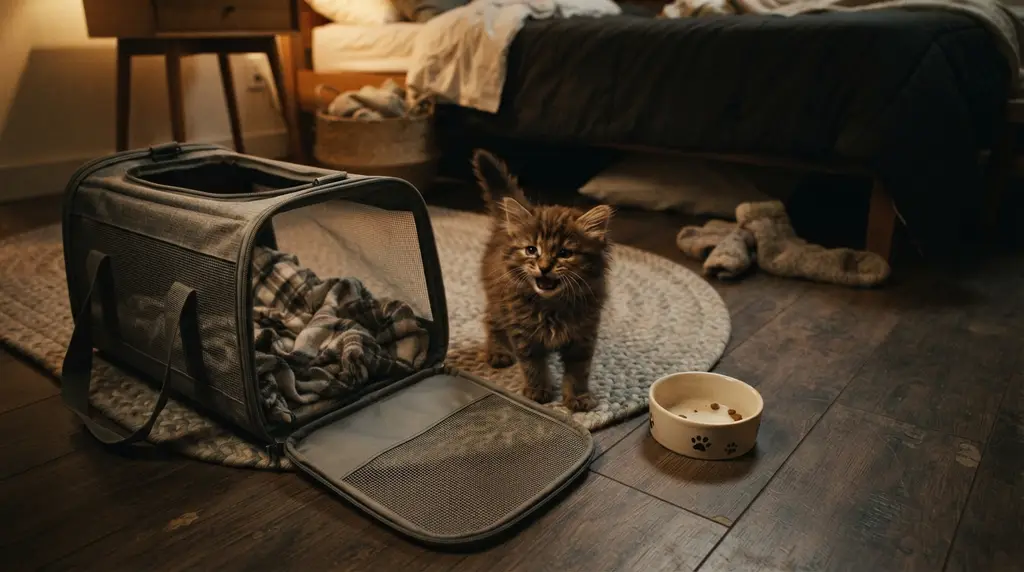
When sending a cat for boarding, we also recommend bringing one or two blankets with the familiar scent of home. This helps the cat settle down in a strange room using their own scent. This is one of the most common tips we give owners when they book boarding. For a pre-arrival checklist, please refer to Cat Boarding Checklist: Vaccines and What to Bring Before Check-In.
Frequently Asked Questions
Is my cat sick if they keep rubbing against furniture?
Simple cheek rubbing is usually normal scent marking and not a sign of illness. However, if the rubbing suddenly intensifies and is accompanied by hiding, decreased appetite, excessive grooming, or inappropriate urination, it could indicate stress or a physical problem. Observation and veterinary consultation are recommended.
Is rubbing against walls and urine spraying the same thing?
No. Cheek rubbing is a relaxed security marking. Urine spraying while standing with a twitching tail is usually a sign of anxiety, territorial conflict, or being in heat. The latter is a behavioral issue that truly needs addressing.
Will my cat still rub a lot after being spayed/neutered?
Yes, but it typically reduces the "heat-related" excessive rubbing and spraying. Daily security rubbing against furniture or you will still occur after spaying/neutering, which is normal and healthy.
What does it mean when my cat constantly rubs its face and hands on me?
It means they consider you part of their "scent group," a sign of trust and affection. This uses the same pheromone mechanism as rubbing furniture, but the target is you.
Should I be concerned if rubbing increases in a multi-cat household?
An increase in rubbing is normal territorial negotiation when environmental changes occur or new members are introduced. As long as they coexist peacefully and there's no spraying or fighting, there's usually no need for excessive worry. However, if they start spraying each other or show signs of tension, resource allocation (more litter boxes, feeding stations) needs to be adjusted.
CatGarden Editorial Team
CatGarden offers curated supplies, cat boarding, and grooming
Book services or shop online.