Dull, Rough Cat Coat? Vet Analyzes 3 Major Causes, Teaches You How to Achieve Silky, Shiny Fur!
Does your cat once have silky smooth fur that makes you want to pet them constantly? But at some point, their coat became dry, rough, and even dull? Pay attention! Your cat's fur is the most direct indicator of their health.
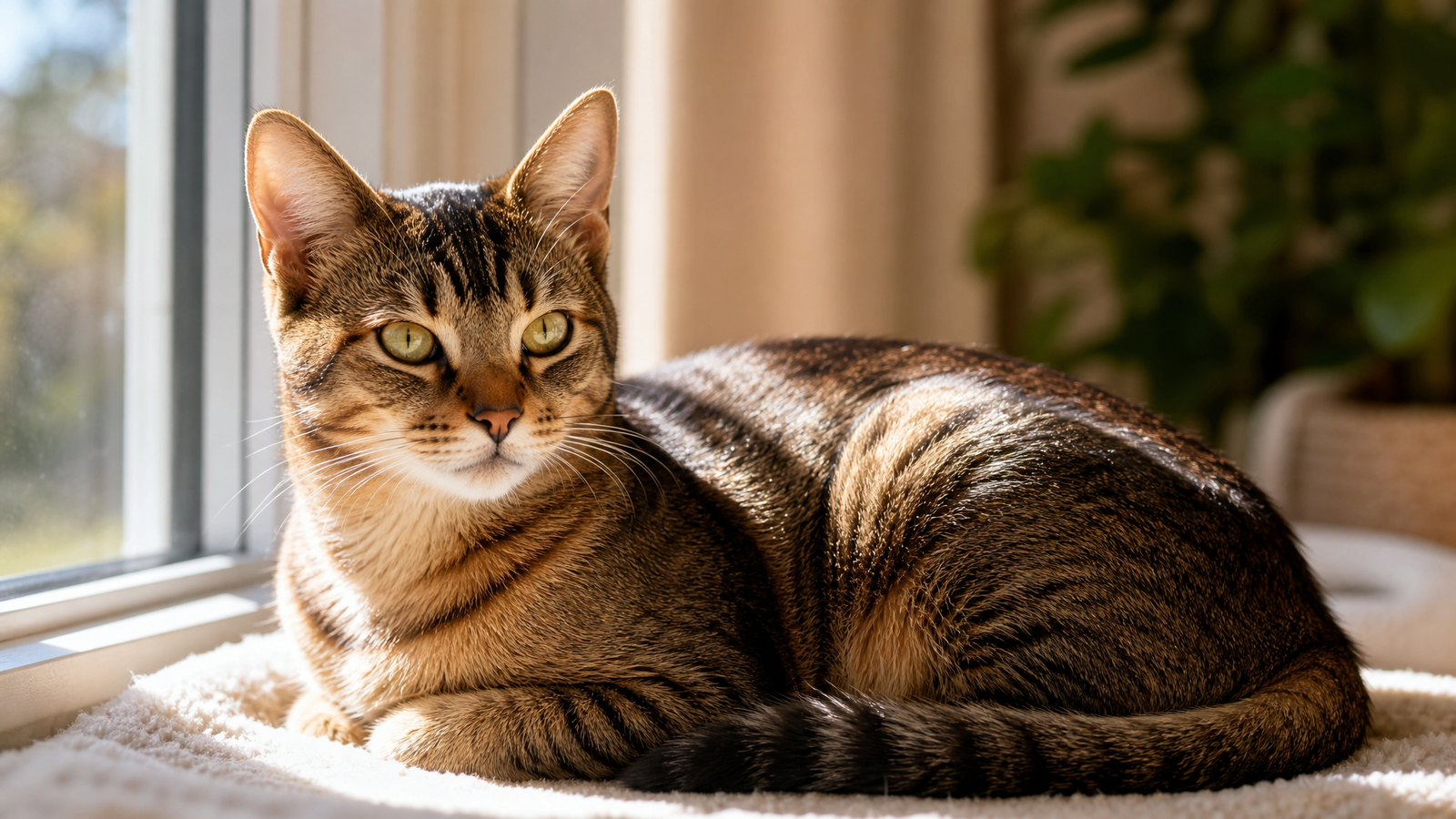
Does your cat once have silky smooth fur that makes you want to pet them constantly? But at some point, their coat became dry, rough, and even dull?
Pay attention! Your cat's fur is the most direct "weather vane" of their health. When the coat condition deteriorates, it's often not just an aesthetic issue, but a potential warning sign of your cat's health! Today, let's delve into the three major culprits affecting your cat's coat and provide a comprehensive improvement plan to help your feline friend regain their silky, shiny fur!
Key takeaways
- Cat fur is primarily composed of protein. A lack of high-quality animal protein can lead to brittle, easily broken fur, while a deficiency in essential fatty acids Omega-3 & 6 can cause dry skin and dull fur.
- External parasites (fleas, mites), ringworm, as well as internal conditions like obesity, arthritis, thyroid dysfunction, kidney disease, and diabetes, can all directly impact a cat's coat condition.
- Environmental stressors such as moving house or noise can increase cortisol levels in cats, leading to excessive grooming. Damp, poorly ventilated environments are prone to fungal growth, increasing the risk of skin diseases.
- External coat care for cats should include daily brushing to remove loose hair and promote blood circulation. Never use human body wash when bathing; opt for cat-specific shampoos that do not strip the natural protective lipid layer.
What we use for this
CatGarden’s own products, shipped from Taiwan Pro L-Lysine SupplementFrom CA$26.30 per boxFree shipping on multi-packs
Uncovering the 3 Major Culprits Behind Dull Cat Coats
Culprit ①: Eating the Wrong Diet! Nutrition is the Foundation of Fur
"You are what you eat." This saying couldn't be more fitting for a cat's fur. Fur is primarily composed of protein. If nutrient intake is insufficient or unbalanced, the fur naturally cannot be shiny.
- Lack of High-Quality Animal Protein: Cats are carnivores and need to obtain nutrients from meat. Insufficient protein intake will result in brittle, easily broken, and slow-growing fur.
- Lack of Essential Fatty Acids (Omega-3 & 6): These "good fats" are crucial for maintaining healthy skin and locking in moisture in the fur. When deficient, the skin becomes dry, and the fur becomes parched. Fish oil is an excellent source.
- Lack of Vitamins and Minerals: Vitamins E, B complex, zinc, etc., are all important elements for maintaining healthy skin and promoting strong, lustrous fur.
Culprit ②: Body Sending Out Alerts! Underlying Health Issues
If your cat's diet is balanced but their coat suddenly deteriorates, be wary of potential diseases.
- External Parasites/Skin Diseases: Flea and mite bites, or ringworm (fungal infection), can cause skin inflammation, itching, and excessive grooming in cats, further damaging hair follicles and leading to hair loss and roughness.
- Internal Health Problems: Obesity and arthritis can make cats too lazy or unable to groom themselves properly. More serious conditions, such as thyroid dysfunction, kidney disease, or diabetes, are endocrine or metabolic diseases that directly affect hormones, leading to a decline in fur quality.
Vet's Reminder: If the coat condition worsens along with changes in energy levels, appetite, water intake, or elimination habits, be sure to seek veterinary examination as soon as possible!
Culprit ③: Unhappy Mood and Environment! Stress and Humidity
- Stress: Cats are sensitive animals. Stress from moving, changes in household members, or noise can increase cortisol levels in the body, affecting healthy fur growth and even triggering excessive grooming.
- Environment: Long-term exposure to humid, poorly ventilated environments can easily breed mold, increasing the risk of skin diseases. Lack of adequate sunlight can also affect vitamin D synthesis.
Cat Fur "Shine Plan": Internal and External Care Combined
To restore your cat's fur to its natural luster, you need to focus on both "internal conditioning" and "external care" simultaneously!
✅ Internal Conditioning Plan
- Review Main Food: Ensure the first ingredient of the cat food is high-quality animal protein and contains sufficient animal-based fats.
- Supplement Good Fats: Appropriately supplementing with pet-specific fish oil supplements is one of the most effective shortcuts to improving fur quality.
- Relieve Stress: Spend more time playing with your cat and provide items that help them relax. For example, sprinkle some CatGarden's Premium Catnip on a scratching post or toy. The aroma of catnip can effectively help cats relax and relieve tension. When they are happy, their coat will naturally become more beautiful!
✅ External Care Plan
- Frequent Brushing: Spend a few minutes each day brushing your cat. This removes loose fur, promotes blood circulation in the skin, stimulates new hair growth, and enhances your bond!
- Gentle Cleansing: Regular baths can remove dirt and allergens from the skin, but be sure to use the right products! Never use human shampoo! It is recommended to use natural, cat-specific shampoos, such as CatGarden's Herbal Cat Shampoo. It uses a gentle herbal formula that effectively cleanses without damaging the cat's natural skin lipid barrier, helping to soothe the skin and maintain the natural luster of the fur.
Conclusion:
A cat's lustrous fur is the pride of us cat owners and a symbol of their health. Starting today, comprehensively review and address issues from the four aspects of diet, health, environment, and grooming. With attentive care, your cat will surely regain beautiful, shiny, and soft fur that is a pleasure to touch!
Frequently Asked Questions
How often does a cat need grooming or bathing?
Most healthy indoor cats do not require frequent bathing. However, if there is matting, oiliness, odor, severe shedding, or a need for skin cleansing, grooming can be scheduled based on the fur condition.
Can cats who are afraid of water or easily stressed be groomed?
Yes, but the process needs to be adjusted according to the cat's personality, age, and health status. For stressed cats, it is recommended to choose a grooming environment familiar with cat behavior and avoid excessive force.
What should owners pay attention to before cat grooming?
Before grooming, inform the groomer if the cat is afraid of blow-drying, has a history of skin disease, has recently taken medication, or is unwell, to ensure a safer grooming process.
References
CatGarden | Banqiao Villa-style Pure Cat Hotel, offering accommodation and grooming services.
Further Reading
CatGarden offers curated supplies, cat boarding, and grooming
Book services or shop online.