Traveling or Moving with Your Cat Overnight? The Ultimate Soothing Guide to Reduce Your Feline Friend's Stress!
Cats are territorial animals, and any change in environment can trigger a strong stress response, ranging from loss of appetite to weakened immunity or behavioral issues. During their experience hosting cats from various places, CatGarden observed that thorough preparation before departure significantly impacts a cat's adaptation speed and stability in a new environment.

Cats are territorial animals, and any change in environment can trigger a strong stress response, ranging from loss of appetite to weakened immunity or behavioral issues. During their experience hosting cats from various places, CatGarden observed that thorough preparation before departure significantly impacts a cat's adaptation speed and stability in a new environment. Here's a breakdown of key preparations for three major scenarios: overnight stays, long-distance travel, and moving, to help minimize your feline friend's anxiety when you can't be by their side.
Key takeaways
- Spraying cat-specific pheromone spray inside the carrier 15-20 minutes before short trips and placing the carrier as everyday furniture in the living room can effectively help cats stabilize their emotions and eliminate fear.
- When moving with a cat, first designate a 'safe room,' place familiar items like a litter box, food bowls, and bedding, and maintain their usual routine. Once the cat is completely relaxed, allow them to explore the new home.
- Major stressors like moving can lead to a weakened immune system or gastrointestinal discomfort in cats. Under veterinary guidance, consider supplementing with specialized lysine to support the immune system or specialized probiotics to stabilize digestion.
- Choosing professional cat boarding facilities should meet standards such as 'cat-only occupancy to prevent dog interference,' 'independent rooms with vertical activity space,' '24-hour monitoring and professional care,' and 'strict cleaning and disinfection protocols.'
What we use for this
CatGarden’s own products, shipped from Taiwan Premium CatnipFrom US$25.50 per jarFree shipping on multi-packs
Warm-up Exercise: Short Trips (e.g., Vet Visits)
To help your cat become comfortable with going out, start with "desensitization training." This helps them see the carrier not as an entrance to doom, but as a safe, small space.
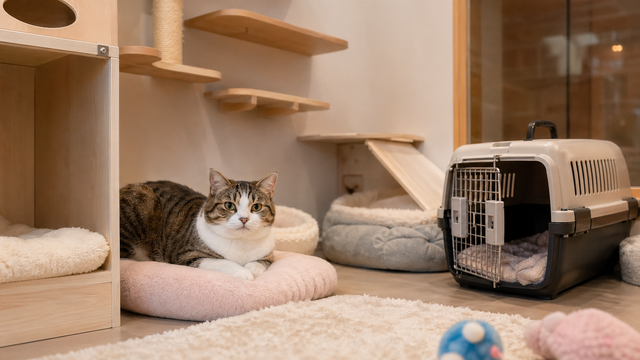
- Make the Carrier "Everyday Furniture": Keep the carrier in the living room with the door open, lined with a soft blanket. Occasionally toss treats or toys inside. Let your cat enter and exit freely to eliminate their fear of the carrier.
- Utilize Pheromone Sprays: 15-20 minutes before leaving, spray a cat-specific pheromone spray inside the carrier. This can effectively help stabilize their emotions.
- Drive Smoothly: Secure the carrier with a seatbelt to avoid sudden braking or sharp turns. Play soft music in the car to help your cat relax.
#### Tackling the Big Challenge: Moving with Your Cat
Moving is a major source of stress for cats. The key is to provide a transition period filled with "familiarity."
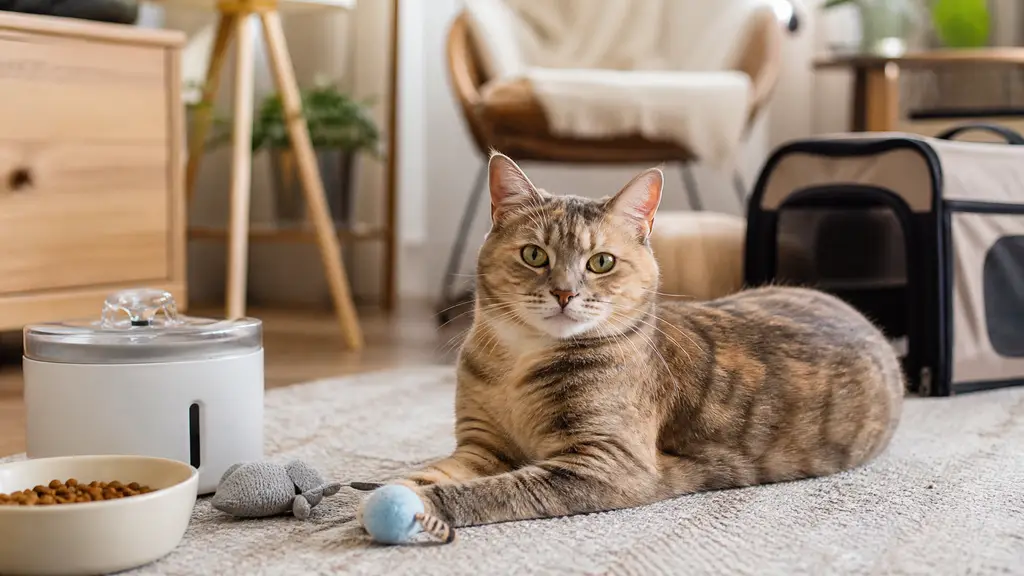
- Create a Dedicated "Safe Room": After moving to the new home, designate one room as your cat's "safe room." Place all their familiar items, such as the litter box, food and water bowls, sleeping bed, and toys, inside, and then let your cat stay in this room.
- Maintain Existing Routines: Feed and play with your cat around the same times as before. Consistent routines provide a great sense of security for cats.
- Prevent Stress-Induced Health Issues: Extreme stress can lead to a weakened immune system or gastrointestinal upset. Under the guidance of your veterinarian, consider supplementing with Pro-L-Lysine to support the immune system or Pro-Probiotics to stabilize their digestive system.
- Explore the New Home Slowly: Once your cat is completely relaxed in the safe room, open the door and let them explore the new environment at their own pace and curiosity. Never force them.
#### When Your Cat Can't Come Along: How to Choose a Reliable Boarding Facility?
Honestly, for most travel plans, arranging for your cat to stay put is the best option for them. But how do you choose a "cat boarding" facility without any issues?
Checklist for Choosing a Professional Cat Hotel:
- ✅ Cat-Only, No Disturbances: A professional cat hotel should be "cat-exclusive." The absence of dog barking and scents allows cats to truly relax.
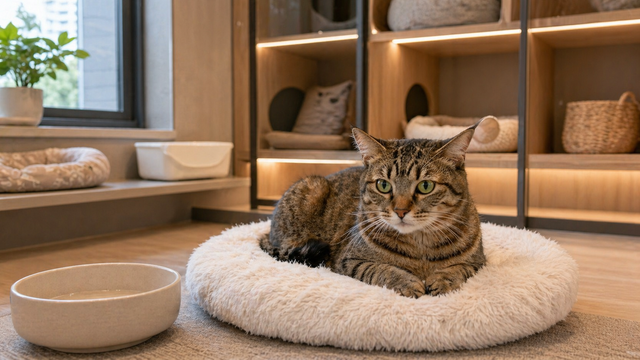
- ✅ Independent and Safe Accommodation: Each cat should have their own private room with vertical space (like cat trees or shelves), which is crucial for cats.
- ✅ 24-Hour Monitoring and Professional Care: Ensure the facility has 24-hour surveillance and professional staff who understand cat behavior to regularly check on them, provide companionship, and report their condition.
- ✅ Strict Cleaning and Disinfection Procedures: Inquire about the facility's cleaning and disinfection protocols and how they ensure safe isolation between cats from different households.
If you're looking for a top-tier cat boarding facility that will allow you to travel abroad without any worries, we sincerely recommend CatGarden Cattery.
CatGarden not only meets all the above standards but also goes above and beyond to cater to cats' needs. From spacious, bright, luxurious private suites with vertical space to attentive 24-hour care with real-time updates on your cat's condition via live video, the goal is to provide an environment where cats can stay comfortably and owners can feel at ease. Their strict cleaning protocols and commitment to being cat-only make it the safest, most comfortable second home for your feline friend when you're away.
Whether it's a short separation or embarking on a new chapter in life, preparing your cat thoroughly is our most important responsibility as owners. Understanding their needs, reducing their stress, and choosing a trustworthy haven like CatGarden Cattery when you can't be there will surely be felt by your beloved companion.
Frequently Asked Questions
Should I be concerned about sudden changes in my cat's behavior?
Observation is key. Behavioral changes can stem from stress, environmental shifts, pain, or illness. If accompanied by changes in appetite, elimination, or energy levels, it's advisable to consult a veterinarian.
What should be the first step in addressing a cat's behavioral issues?
First, document the time, location, frequency, and triggers of the behavior. Then, assess the litter box, diet, resting areas, interaction methods, and any sources of stress in the home.
Can I use punishment to correct my cat's behavior?
It is not recommended. Punishment can increase stress and mistrust. Instead, focus on environmental adjustments, positive reinforcement, and stable routines to reduce problem behaviors.
CatGarden offers curated supplies, cat boarding, and grooming
Book services or shop online.