How Much Does Cat Boarding Cost Per Day? A Cattery Owner Explains the Price Differences

Before every holiday, we receive many inquiries: "How much does boarding at Cat Garden cost per day? How does it differ from other catteries?" From our perspective as cat hotel operators, this article honestly explains the pricing trends for cat boarding in Taiwan and the reasons behind the price variations.

CatGarden Editorial TeamPublished 2026/04/20Updated 2026/10/05
Travel PlanningBoarding
How Much Does Cat Boarding Cost Per Day? A Cattery Owner Explains the Price Differences

Before every holiday, we receive many inquiries: "How much does boarding at Cat Garden cost per day? How does it differ from other catteries?"

From our perspective as cat hotel operators, this article honestly explains the pricing trends for cat boarding in Taiwan and the reasons behind the price variations—so you can feel confident your spending is worthwhile and your cat stays safe and happy.

Key takeaways

  • In 2026, cat boarding costs in Taiwan will range from NT$350–550 per day for economy rooms, NT$550–800 for standard rooms, NT$800–1,200 for deluxe rooms, and over NT$1,200 for premium rooms.
  • Cat hotels typically charge an additional 10–30% during Chinese New Year and national holidays. Most offer discounts for the second cat (7-8 fold discount) when boarding two or more cats together.
  • Due to higher rental costs, cat hotels in downtown Taipei are generally 20–40% more expensive than those in suburban areas or central and southern Taiwan.
  • An ideal caregiver-to-cat ratio when choosing a cat hotel is 1 caregiver for every 8 cats or fewer (1:8) to ensure adequate attention.
  • Professional cat hotels are usually the most reliable option for trips exceeding three days; for short trips of one to two days, consider a pet sitter or assistance from friends and family.

2026 Cat Boarding Price Trends in Taiwan

Currently, cat hotel fees in Taiwan, based on room type and services, are generally divided into four tiers:

  • Economy Tier (NT$350–550 per day): Standard cage or small private space, offering basic food and daily observation reports. Suitable for adult cats with stable personalities who don't require extensive extra interaction.
  • Standard Tier (NT$550–800 per day): Private room with larger space, possibly including climbing structures or window views. Usually includes daily photo updates and basic playtime. This is the main price range for most cat hotels.
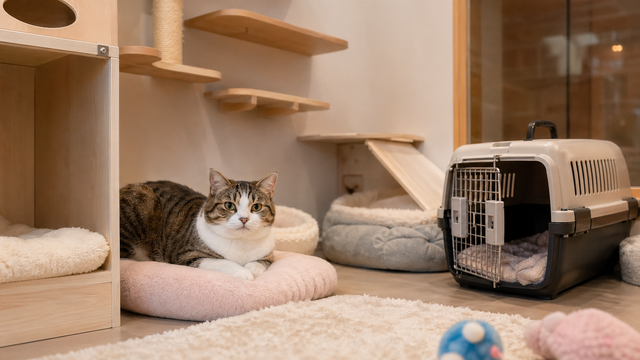
  • Luxury Tier (NT$800–1,200 per day): Spacious suite equipped with complete climbing structures, scratching posts, hiding spots, and some offering live cameras. Services typically include longer playtime and more detailed health observation records.
  • Premium Tier (NT$1,200+ per day): High-end boutique cat hotels where rooms resemble mini cat condos, some even offering dedicated caretakers and customized meals.

> Multi-Cat Households: The above prices are per cat. For two or more cats sharing a room, most hotels offer a discount of 20-30% off for the second cat. However, some hotels require each cat to have its own room, meaning the cost is multiplied by the number of cats. During Chinese New Year and major holidays, prices typically increase by 10–30%, and advance booking one to two months ahead is required.

Why Such a Big Price Difference for the Same Night?

1. Room Size and Amenities

The comfort level between a standard 60x60 cm cage and a two-ping (approx. 6.6 sq meter) suite with climbing structures, window views, and individual air conditioning is vastly different, naturally leading to price variations. Good hotels equip rooms with multi-level climbing structures, secluded hiding spaces, and scratching posts to help cats feel secure even in an unfamiliar environment.

2. Location

Rental costs in central Taipei are high, making prices generally 20–40% higher than in suburban areas or central/southern Taiwan. However, cheaper doesn't always mean inferior—some hotels in the suburbs may offer larger rooms and quieter environments due to ample space.

3. Staffing and Quality of Care

One caregiver responsible for 5 cats versus one responsible for 20 cats makes a significant difference in attention. Whether staff are trained in cat behavior, can recognize signs of stress in cats, and possess basic health observation skills will be reflected in the price.

At Cat Garden, we require all our caregivers to complete cat behavior courses before they start. This allows us to identify potential issues early on when cats show subtle signs of distress.

4. Additional Services

Beyond basic boarding, many hotels offer add-on services: daily grooming (approx. NT$50–100), medication administration (approx. NT$50–100 per dose), specific brands of food or wet food (charged at actual cost), extra playtime (approx. NT$100–200 per 30 minutes), etc. Some hotels bundle these into packages, which may appear more expensive upfront but can be more cost-effective than individual add-ons.

5. Hygiene Management and Health Requirements

Hotels that strictly require cats to be vaccinated (e.g., FVRCP), provide health certificates, and conduct health checks before check-in have higher operating costs. However, this also means your cat is less likely to be exposed to sick cats during their stay. Disinfection frequency, the safety of cleaning products for cats, and the quality of air purification and ventilation systems are hidden but crucial cost factors.

Cat Hotel vs. In-Home Pet Sitter vs. Friend/Family Boarding

Professional Cat Hotel

Pros: Consistent care procedures, professionally designed environment, usually partnered with veterinary clinics for emergencies.

Cons: Cats must leave their familiar environment, which can be stressful for sensitive cats; prices are high during peak seasons, and advance booking is necessary.

In-Home Pet Sitter

Pros: Cats can stay in their own home, familiar environment, minimal stress.

Cons: Not necessarily cheaper than a hotel (approx. NT$400–800 per day, depending on visit frequency); cats are unsupervised when the sitter is away; response time for emergencies may be slower.

Boarding with Friends/Family

Pros: Usually free or low-cost, and with someone you trust.

Cons: Friends/family may not be knowledgeable about cat care details; potential for conflict or disease transmission if they have other pets; can create social pressure over time.

Overall, for trips longer than three days, a professional cat hotel is usually the most reliable option. For short one or two-day trips, an in-home pet sitter or asking friends/family to help with feeding might suffice.

7 Practical Checklist Items for Choosing a Cat Hotel

  • On-site Visit: Skip any hotel that refuses an on-site visit. During your visit, check for obvious odors, the frequency of litter box cleaning, and adequate separation between rooms.
  • Vaccination and Health Requirements: Strictly requiring cats to be vaccinated (e.g., FVRCP) and up-to-date is a basic standard for a responsible hotel.
  • Cat-Only vs. Dog-Friendly: Hotels housing cats and dogs together, even with separate spaces, can cause significant stress for cats due to barking and scents. Prioritize cat-only hotels.
  • Caregiver-to-Cat Ratio: Ask how many cats one caregiver is responsible for. An ideal ratio is 1:8 or fewer to ensure each cat receives adequate attention.
  • Emergency Response Plan: Confirm if the hotel has a partnered veterinary clinic, an emergency notification process, and if you need to sign a pre-authorization for emergency medical treatment.
  • Daily Update Method: Photos, videos, text messages? Is it once daily, or only when there's an issue? A transparent reporting system provides peace of mind when you're away.
  • Refund and Cancellation Policy: Understand the policy for cancellations, full refunds, and whether remaining days are refunded if you pick up your cat early. Peak season policies are usually stricter, so confirm before booking.

How to Prepare Your Cat for Boarding to Reduce Stress

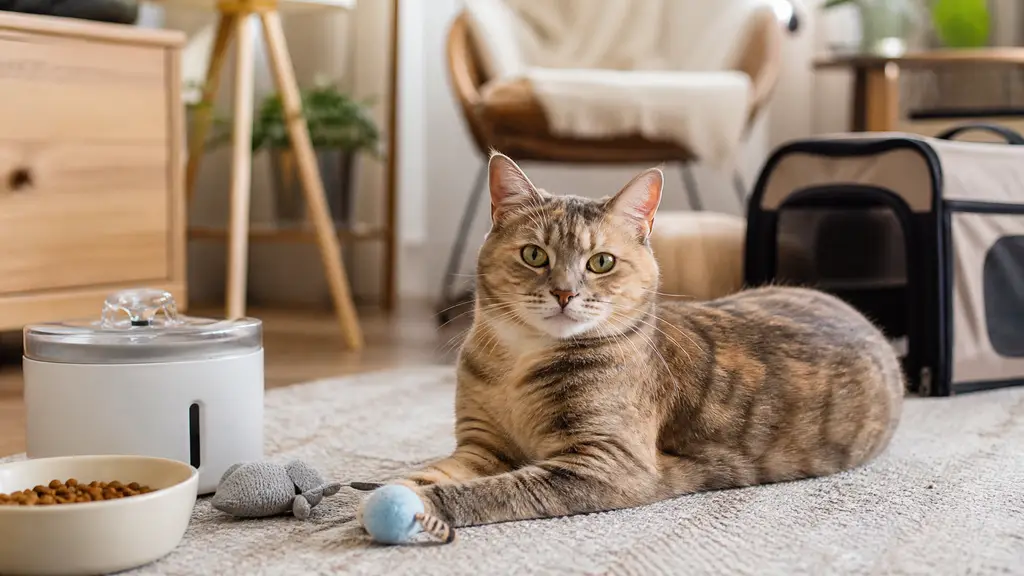
Bring Familiar Items: Pack your cat's usual blanket, favorite toys, or even a piece of clothing that carries your scent. Familiar smells can significantly reduce anxiety in a new environment.

Maintain Original Diet: Try to bring your cat's usual food or wet food to the hotel. Sudden food changes combined with environmental changes can easily cause digestive upset.

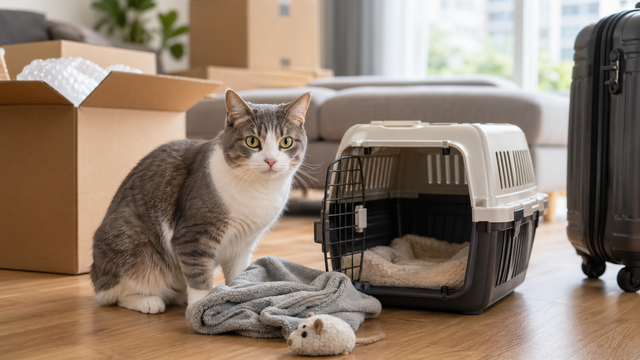
Acclimatize to the Carrier in Advance: If your cat isn't used to a carrier, start introducing it two to three weeks before boarding. Leave the carrier open at home, place treats and blankets inside, and let your cat explore it gradually. Forcing them in on the day of departure will only skyrocket their stress from the start.

Provide Complete Care Information: Compile a list of your cat's eating habits, medication details, and personality traits (e.g., afraid of loud noises, dislikes belly rubs, allergic to certain foods). The more complete the information, the better the caregivers can provide tailored care.

Frequently Asked Questions (FAQ)

Q: How much does cat boarding typically cost per day?

In 2026, cat boarding costs in Taiwan range from approximately NT$350–550/day for the economy tier, NT$550–800/day for the standard tier, NT$800–1,200/day for the luxury tier, and over NT$1,200 for the premium tier. Actual prices vary depending on location, room type, services, and whether it's a peak season.

Q: Are boarding fees more expensive during Chinese New Year or holidays?

Yes. Most cat hotels charge a peak season surcharge of 10–30% during Chinese New Year and national holidays. Some popular hotels require booking one to two months in advance. It's recommended to book as early as possible once your travel dates are confirmed.

Q: What should I bring for my cat's boarding stay?

Recommended items include: your cat's usual food or wet food (enough for the duration), familiar blankets or toys, daily supplements or medications, vaccination records, and emergency contact information.

Q: Is boarding suitable for shy or timid cats?

Timid cats do require more time to adapt to new environments, but it doesn't mean it's entirely unsuitable. Choosing a hotel with private rooms (not open-plan areas), a quiet environment, and caregivers experienced with nervous cats would be ideal. You can also consider short visits or trial stays at the hotel beforehand to help your cat become somewhat familiar with the environment.

Q: How can I judge the quality of care at a hotel?

Besides on-site visits, observe these indicators: genuine reviews on Google and social media, whether the hotel proactively provides daily care records, if caregivers can clearly answer professional questions about cat care, and the strictness of the hotel's vaccination and health management requirements. Reputation and transparency are usually the most reliable indicators.

If You're Considering Cat Boarding

Choosing a hotel isn't just about comparing prices; it's crucial to confirm the accommodation space, care procedures, feeding records, and emergency contact methods. When arranging boarding, you can first check Cat Garden's Boarding Room Types and Prices and then book based on your dates and your cat's condition.

Cat Garden | Villa-style Cat-Only Hotel in Banqiao, offering boarding and grooming services.

Further Reading

  • How to Choose a Cat Hotel? 7 Key Indicators for Selecting a Banqiao Cat Hotel
  • Guide to Your Cat's First Boarding Stay | 5 Steps to Reduce Anxiety for Overnight Stays
  • Banqiao Cat Hotel Review | Cat Garden Environment, Care Quality, 24H Surveillance Tested

FAQ

What is the approximate cost of boarding a cat for one day?

In 2026, cat boarding costs in Taiwan will be approximately NT$350–550/day for economy rooms, NT$550–800/day for standard rooms, NT$800–1,200/day for deluxe rooms, and over NT$1,200 for premium rooms. Prices vary depending on the room type, location, and services offered.

Are there surcharges for boarding during holidays or Chinese New Year?

Yes, most cat hotels charge an additional 10–30% during Chinese New Year and national holidays. Popular hotels usually require reservations one to two months in advance.

What personal items should I bring for my cat when boarding?

It is recommended to bring your cat's usual food (kibble or wet food), a blanket or toy with a familiar scent, any daily supplements or medications, vaccination records, and emergency contact information.

Is a cat hotel suitable for a nervous or shy cat?

Shy cats need more time to adapt. It is advisable to choose a hotel with private rooms, a quiet environment, and staff experienced in caring for nervous cats. You may also arrange a short visit or trial stay before booking.

What key points should I consider when choosing a cat hotel?

You should confirm if they allow on-site visits, have vaccination requirements, strictly separate cats and dogs, maintain a caregiver-to-cat ratio of 1:8 or better, have a partnered veterinary hospital, and provide daily transparent updates.

CatGarden offers curated supplies, cat boarding, and grooming

Book services or shop online.
Back

Blog

How Much Does Cat Boarding Cost Per Day? A Cattery Owner Explains the Price Differences

CatGarden Editorial TeamPublished 2026/04/20Updated 2026/10/05
Travel PlanningBoarding
How Much Does Cat Boarding Cost Per Day? A Cattery Owner Explains the Price Differences

Before every holiday, we receive many inquiries: "How much does boarding at Cat Garden cost per day? How does it differ from other catteries?"

From our perspective as cat hotel operators, this article honestly explains the pricing trends for cat boarding in Taiwan and the reasons behind the price variations—so you can feel confident your spending is worthwhile and your cat stays safe and happy.

Key takeaways

  • In 2026, cat boarding costs in Taiwan will range from NT$350–550 per day for economy rooms, NT$550–800 for standard rooms, NT$800–1,200 for deluxe rooms, and over NT$1,200 for premium rooms.
  • Cat hotels typically charge an additional 10–30% during Chinese New Year and national holidays. Most offer discounts for the second cat (7-8 fold discount) when boarding two or more cats together.
  • Due to higher rental costs, cat hotels in downtown Taipei are generally 20–40% more expensive than those in suburban areas or central and southern Taiwan.
  • An ideal caregiver-to-cat ratio when choosing a cat hotel is 1 caregiver for every 8 cats or fewer (1:8) to ensure adequate attention.
  • Professional cat hotels are usually the most reliable option for trips exceeding three days; for short trips of one to two days, consider a pet sitter or assistance from friends and family.

2026 Cat Boarding Price Trends in Taiwan

Currently, cat hotel fees in Taiwan, based on room type and services, are generally divided into four tiers:

  • Economy Tier (NT$350–550 per day): Standard cage or small private space, offering basic food and daily observation reports. Suitable for adult cats with stable personalities who don't require extensive extra interaction.
  • Standard Tier (NT$550–800 per day): Private room with larger space, possibly including climbing structures or window views. Usually includes daily photo updates and basic playtime. This is the main price range for most cat hotels.
  • Luxury Tier (NT$800–1,200 per day): Spacious suite equipped with complete climbing structures, scratching posts, hiding spots, and some offering live cameras. Services typically include longer playtime and more detailed health observation records.
  • Premium Tier (NT$1,200+ per day): High-end boutique cat hotels where rooms resemble mini cat condos, some even offering dedicated caretakers and customized meals.

> Multi-Cat Households: The above prices are per cat. For two or more cats sharing a room, most hotels offer a discount of 20-30% off for the second cat. However, some hotels require each cat to have its own room, meaning the cost is multiplied by the number of cats. During Chinese New Year and major holidays, prices typically increase by 10–30%, and advance booking one to two months ahead is required.

Why Such a Big Price Difference for the Same Night?

1. Room Size and Amenities

The comfort level between a standard 60x60 cm cage and a two-ping (approx. 6.6 sq meter) suite with climbing structures, window views, and individual air conditioning is vastly different, naturally leading to price variations. Good hotels equip rooms with multi-level climbing structures, secluded hiding spaces, and scratching posts to help cats feel secure even in an unfamiliar environment.

2. Location

Rental costs in central Taipei are high, making prices generally 20–40% higher than in suburban areas or central/southern Taiwan. However, cheaper doesn't always mean inferior—some hotels in the suburbs may offer larger rooms and quieter environments due to ample space.

3. Staffing and Quality of Care

One caregiver responsible for 5 cats versus one responsible for 20 cats makes a significant difference in attention. Whether staff are trained in cat behavior, can recognize signs of stress in cats, and possess basic health observation skills will be reflected in the price.

At Cat Garden, we require all our caregivers to complete cat behavior courses before they start. This allows us to identify potential issues early on when cats show subtle signs of distress.

4. Additional Services

Beyond basic boarding, many hotels offer add-on services: daily grooming (approx. NT$50–100), medication administration (approx. NT$50–100 per dose), specific brands of food or wet food (charged at actual cost), extra playtime (approx. NT$100–200 per 30 minutes), etc. Some hotels bundle these into packages, which may appear more expensive upfront but can be more cost-effective than individual add-ons.

5. Hygiene Management and Health Requirements

Hotels that strictly require cats to be vaccinated (e.g., FVRCP), provide health certificates, and conduct health checks before check-in have higher operating costs. However, this also means your cat is less likely to be exposed to sick cats during their stay. Disinfection frequency, the safety of cleaning products for cats, and the quality of air purification and ventilation systems are hidden but crucial cost factors.

Cat Hotel vs. In-Home Pet Sitter vs. Friend/Family Boarding

Professional Cat Hotel

Pros: Consistent care procedures, professionally designed environment, usually partnered with veterinary clinics for emergencies.

Cons: Cats must leave their familiar environment, which can be stressful for sensitive cats; prices are high during peak seasons, and advance booking is necessary.

In-Home Pet Sitter

Pros: Cats can stay in their own home, familiar environment, minimal stress.

Cons: Not necessarily cheaper than a hotel (approx. NT$400–800 per day, depending on visit frequency); cats are unsupervised when the sitter is away; response time for emergencies may be slower.

Boarding with Friends/Family

Pros: Usually free or low-cost, and with someone you trust.

Cons: Friends/family may not be knowledgeable about cat care details; potential for conflict or disease transmission if they have other pets; can create social pressure over time.

Overall, for trips longer than three days, a professional cat hotel is usually the most reliable option. For short one or two-day trips, an in-home pet sitter or asking friends/family to help with feeding might suffice.

7 Practical Checklist Items for Choosing a Cat Hotel

  • On-site Visit: Skip any hotel that refuses an on-site visit. During your visit, check for obvious odors, the frequency of litter box cleaning, and adequate separation between rooms.
  • Vaccination and Health Requirements: Strictly requiring cats to be vaccinated (e.g., FVRCP) and up-to-date is a basic standard for a responsible hotel.
  • Cat-Only vs. Dog-Friendly: Hotels housing cats and dogs together, even with separate spaces, can cause significant stress for cats due to barking and scents. Prioritize cat-only hotels.
  • Caregiver-to-Cat Ratio: Ask how many cats one caregiver is responsible for. An ideal ratio is 1:8 or fewer to ensure each cat receives adequate attention.
  • Emergency Response Plan: Confirm if the hotel has a partnered veterinary clinic, an emergency notification process, and if you need to sign a pre-authorization for emergency medical treatment.
  • Daily Update Method: Photos, videos, text messages? Is it once daily, or only when there's an issue? A transparent reporting system provides peace of mind when you're away.
  • Refund and Cancellation Policy: Understand the policy for cancellations, full refunds, and whether remaining days are refunded if you pick up your cat early. Peak season policies are usually stricter, so confirm before booking.

How to Prepare Your Cat for Boarding to Reduce Stress

Bring Familiar Items: Pack your cat's usual blanket, favorite toys, or even a piece of clothing that carries your scent. Familiar smells can significantly reduce anxiety in a new environment.

Maintain Original Diet: Try to bring your cat's usual food or wet food to the hotel. Sudden food changes combined with environmental changes can easily cause digestive upset.

Acclimatize to the Carrier in Advance: If your cat isn't used to a carrier, start introducing it two to three weeks before boarding. Leave the carrier open at home, place treats and blankets inside, and let your cat explore it gradually. Forcing them in on the day of departure will only skyrocket their stress from the start.

Provide Complete Care Information: Compile a list of your cat's eating habits, medication details, and personality traits (e.g., afraid of loud noises, dislikes belly rubs, allergic to certain foods). The more complete the information, the better the caregivers can provide tailored care.

Frequently Asked Questions (FAQ)

Q: How much does cat boarding typically cost per day?

In 2026, cat boarding costs in Taiwan range from approximately NT$350–550/day for the economy tier, NT$550–800/day for the standard tier, NT$800–1,200/day for the luxury tier, and over NT$1,200 for the premium tier. Actual prices vary depending on location, room type, services, and whether it's a peak season.

Q: Are boarding fees more expensive during Chinese New Year or holidays?

Yes. Most cat hotels charge a peak season surcharge of 10–30% during Chinese New Year and national holidays. Some popular hotels require booking one to two months in advance. It's recommended to book as early as possible once your travel dates are confirmed.

Q: What should I bring for my cat's boarding stay?

Recommended items include: your cat's usual food or wet food (enough for the duration), familiar blankets or toys, daily supplements or medications, vaccination records, and emergency contact information.

Q: Is boarding suitable for shy or timid cats?

Timid cats do require more time to adapt to new environments, but it doesn't mean it's entirely unsuitable. Choosing a hotel with private rooms (not open-plan areas), a quiet environment, and caregivers experienced with nervous cats would be ideal. You can also consider short visits or trial stays at the hotel beforehand to help your cat become somewhat familiar with the environment.

Q: How can I judge the quality of care at a hotel?

Besides on-site visits, observe these indicators: genuine reviews on Google and social media, whether the hotel proactively provides daily care records, if caregivers can clearly answer professional questions about cat care, and the strictness of the hotel's vaccination and health management requirements. Reputation and transparency are usually the most reliable indicators.

If You're Considering Cat Boarding

Choosing a hotel isn't just about comparing prices; it's crucial to confirm the accommodation space, care procedures, feeding records, and emergency contact methods. When arranging boarding, you can first check Cat Garden's Boarding Room Types and Prices and then book based on your dates and your cat's condition.

Cat Garden | Villa-style Cat-Only Hotel in Banqiao, offering boarding and grooming services.

Further Reading

  • How to Choose a Cat Hotel? 7 Key Indicators for Selecting a Banqiao Cat Hotel
  • Guide to Your Cat's First Boarding Stay | 5 Steps to Reduce Anxiety for Overnight Stays
  • Banqiao Cat Hotel Review | Cat Garden Environment, Care Quality, 24H Surveillance Tested

FAQ

What is the approximate cost of boarding a cat for one day?

In 2026, cat boarding costs in Taiwan will be approximately NT$350–550/day for economy rooms, NT$550–800/day for standard rooms, NT$800–1,200/day for deluxe rooms, and over NT$1,200 for premium rooms. Prices vary depending on the room type, location, and services offered.

Are there surcharges for boarding during holidays or Chinese New Year?

Yes, most cat hotels charge an additional 10–30% during Chinese New Year and national holidays. Popular hotels usually require reservations one to two months in advance.

What personal items should I bring for my cat when boarding?

It is recommended to bring your cat's usual food (kibble or wet food), a blanket or toy with a familiar scent, any daily supplements or medications, vaccination records, and emergency contact information.

Is a cat hotel suitable for a nervous or shy cat?

Shy cats need more time to adapt. It is advisable to choose a hotel with private rooms, a quiet environment, and staff experienced in caring for nervous cats. You may also arrange a short visit or trial stay before booking.

What key points should I consider when choosing a cat hotel?

You should confirm if they allow on-site visits, have vaccination requirements, strictly separate cats and dogs, maintain a caregiver-to-cat ratio of 1:8 or better, have a partnered veterinary hospital, and provide daily transparent updates.

One email a month of cat-care tips

Hand-picked care, behavior and grooming tips once a month. Subscribe and we will send you our three most-read articles right away.

Keep reading