Blog
What to Do If Your Cat Has Heatstroke? Emergency Steps, Cooling Methods, and When to Seek Veterinary Care for Feline Heat Exhaustion This Summer
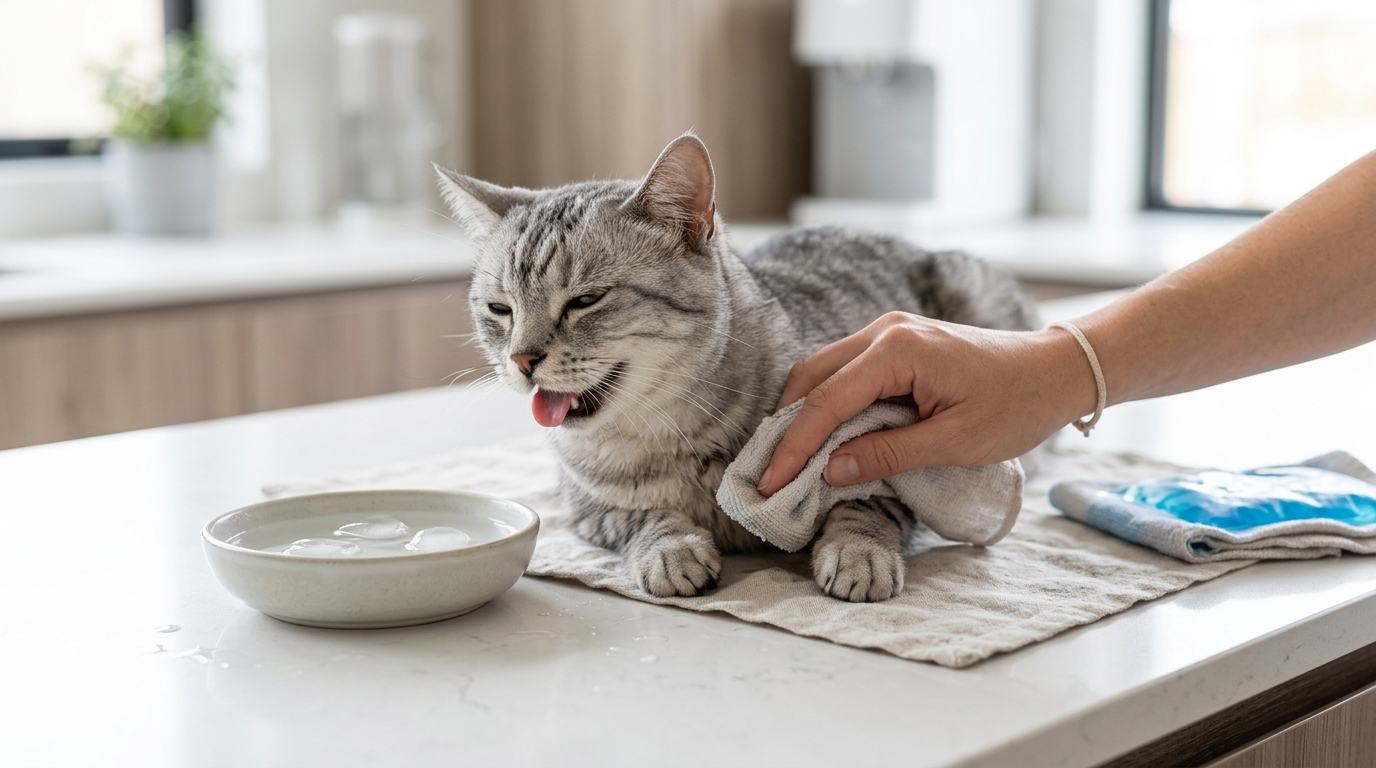
If you suspect your cat has heatstroke, immediately move them to a cool, well-ventilated area. Wet their entire body with room-temperature (not ice-cold) water and use a fan to speed up cooling. Simultaneously, call your veterinary clinic to prepare for transport. Heatstroke (고양이 열사병, also known as heatstroke) progresses rapidly in cats. Temperatures exceeding 40°C (104°F) can cause organ damage, making every minute critical.
At CatBackyard Cat Hotel, we receive anxious calls from owners every June to August: "My cat is panting with its mouth open and lying still, is it heatstroke?" This article clarifies "What to do if your cat has heatstroke" – it's not just informational, but an actionable emergency guide.
Key Takeaways
- A cat's normal body temperature is around 38–39.2°C (100.4–102.5°F). Temperatures above 40°C (104°F) are dangerously high, and above 41°C (105.8°F) pose a fatal risk, requiring immediate veterinary attention.
- The most typical early sign of heatstroke in cats is panting with an open mouth and tongue hanging out – cats rarely pant normally, so panting indicates they are desperately trying to cool down.
- For emergency cooling, use room-temperature or slightly cool water (around 20–25°C or 68–77°F) to wet their body. Absolutely do not use ice water or apply ice packs directly, as this constricts blood vessels, hindering heat dissipation.
- While cooling, always transport your cat to the vet. Stop cooling measures once their temperature drops to around 39.5°C (103.1°F) to prevent hypothermia.
- Brachycephalic breeds (Persians, Exotic Shorthairs), obese cats, kittens, senior cats, and those with heart or respiratory conditions are at high risk of heatstroke.
Understanding: Why Are Cats Particularly Susceptible to Heatstroke?
Cats originated from desert environments, theoretically making them heat-tolerant. However, their ability to dissipate heat is actually quite limited. Cats only have sweat glands in their paw pads and primarily cool themselves through saliva evaporation during grooming and by seeking cool, shaded areas. Cats do not pant effectively like dogs to cool down, so when you see a cat panting with its mouth open, it signifies they are extremely hot and resorting to their last-ditch cooling method.
For a more comprehensive understanding of a cat's heat tolerance and cooling mechanisms, you can refer to our related articles: Do Cats Feel Hot? A Complete Guide to Heatstroke Symptoms, Panting, and Summer Cooling and Do Cats Get Hot? Understanding Cat Heat Tolerance, Cooling Methods, and Essential Heatstroke Warnings for Summer.
These Cats Are at Higher Risk
- Brachycephalic Breeds: Persian and Exotic Shorthair (Garfield) cats have short nasal passages, making respiratory cooling less efficient.
- Obese Cats: Body fat acts like a down jacket, slowing heat dissipation.
- Kittens and Senior Cats: Their thermoregulation abilities are weaker.
- Long-haired Cats: They struggle to dissipate heat in humid weather. Regular grooming is crucial.
- Cats with Heart or Respiratory Diseases.
Cat Heat Exhaustion Symptoms: A Graduated Scale from Mild to Critical
Heatstroke doesn't happen instantaneously; it usually progresses. Learning to differentiate the severity helps you decide whether to "observe" or "seek immediate veterinary care."
Early/Mild Stage (Heat Stress)
- Seeking out cool surfaces like tile floors or bathroom tiles to lie flat on (spread out, limbs extended).
- Frequent grooming, licking their fur wet.
- Rapid breathing, starting to pant slightly with an open mouth.
- Slightly lethargic, reduced activity.
At this stage, their cat's crouching and sleeping positions can also offer clues – they won't be in a tucked "loaf" position but will spread out flat on their belly to maximize heat dissipation.
Moderate Stage (Heat Exhaustion)
- Obvious, persistent panting with tongue out, tongue and gums appear reddish.
- Drooling, saliva becomes sticky.
- Staggering gait, difficulty standing.
- Significantly increased heart rate, listlessness.
Severe Stage (Heatstroke, Emergency)
- Gums and tongue appear bluish, purplish, or pale.
- Vomiting, diarrhea (possibly with blood).
- Seizures, disorientation, collapse, unresponsive.
- Body temperature soaring above 40°C (104°F).
If any sign of the moderate stage or above is present, immediately initiate emergency cooling and transport to the vet.
Cat Heat Exhaustion Emergency Steps (Follow This Sequence)
This is the spirit of our in-store SOP – cool down first, then transport to the vet while continuing cooling.
Step 1: Immediately Move to a Cool, Ventilated Area
Remove the cat from the hot environment and move them to a place with air conditioning or a cool, well-ventilated spot. If the floor is tiled, even better, allowing them to lie on the cool surface.
Step 2: Wet the Body with Room-Temperature Water
Use room-temperature or slightly cool water (around 20–25°C or 68–77°F) to dampen their fur or wrap them in wet towels. Focus on areas with dense blood vessels like the armpits, groin, belly, and paw pads.
> ⚠️ Never use ice water or apply ice packs directly. Extreme cold causes surface blood vessels to constrict rapidly, preventing heat from being carried to the surface for dissipation. This traps core heat inside and can lead to hypothermia and shock.
Absorbent towels like our Quick-Dry Pet Towels are great for regular drying and can be quickly dampened for cooling during emergencies.
Step 3: Enhance Air Circulation
Use a fan to blow air over the wet body. Evaporation of water carries heat away, which is the most efficient method of physical cooling.
Step 4: Offer Water, But Do Not Force Feed
If the cat is conscious and able to drink, offer room-temperature water. Never force water into the mouth of an unconscious cat, as it can lead to aspiration into the lungs.
Step 5: Cool Down While Contacting and Traveling to the Vet
Call the veterinary clinic to inform them you are on your way, describe the cat's condition, and provide their approximate temperature. Stop cooling measures once the temperature drops to around 39.5°C (103.1°F) to prevent hypothermia. Continue to ensure good ventilation during transport.
Step 6: Measure and Record Temperature (If Safely Possible)
If you have a pet thermometer and your cat is cooperative, taking a rectal temperature is the most accurate. If unsure about interpretation, refer to What is a Normal Cat Body Temperature? A Complete Guide and What Cat Body Temperature Indicates a Fever? Steps for Home Measurement. A warm ear is only a general indicator and cannot replace taking a temperature.
When Is Veterinary Care Absolutely Necessary?
Let me be direct: If your cat has moderate to severe heatstroke, even if you manage to lower their temperature at home, you must still take them to the vet. The most dangerous aspect of heatstroke isn't the immediate high temperature, but the potential for complications like kidney failure, coagulation disorders, and cerebral edema that can arise 24–72 hours later. These are not visible externally.
Seek immediate veterinary care without delay in the following situations:
- Persistent panting for several minutes without relief.
- Gums/tongue are bluish, pale, or abnormally bright red.
- Vomiting, diarrhea, especially with blood.
- Staggering gait, seizures, disorientation.
- Body temperature reaches 40°C (104°F) or higher.
The strain on the kidneys caused by heatstroke is a significant concern, which is why we often emphasize the importance of early prevention of kidney disease in cats.
Prevention is Better Than Emergency Care: Summer Precautions
Emergency response is always a last resort; maintaining a safe environment is fundamental.
Environmental Cooling
- When leaving the house during the day, turn on the air conditioning or at least ensure cross-ventilation with fans. Aim to keep the room temperature around 26–28°C (79–82°F).
- Never leave a cat alone in a car, on a sun-exposed balcony, or in a bathroom. Temperatures inside a car can become fatal within minutes.
- Provide cool, shaded hiding places. Many cats enjoy hiding in cardboard boxes; ensure they are placed in a cool, well-ventilated corner during summer.
Encourage Water Intake
Dehydration significantly increases the risk of heatstroke. Provide multiple water bowls or use a cat water fountain. Moving water can entice cats to drink more, a practice we highly recommend during summer (see How to Choose the Right Cat Water Fountain for details).
Grooming
For long-haired cats or those shedding heavily during seasonal changes, regular brushing and occasional trimming can help dissipate heat in the summer. For more details, see Cat Shedding Seasons and Strategies for Heavy Summer Shedding. If you plan to bathe or shave your cat for cooling, proper water temperature and technique are crucial. Refer to How Often Should Cats Be Bathed? Summer Bathing Frequency and Water Temperature, or book a professional grooming appointment at our salon.
Travel Arrangements
Leaving your cat home alone during summer travel poses risks, such as air conditioner failure or undetected heatstroke. If you need to be away overnight, a cat hotel with climate control offers peace of mind. This is why our Banqiao Cat Boarding Summer Price Guide is frequently inquired about during summer. Feel free to book accommodation when needed.
Frequently Asked Questions
Can I use ice or ice water to cool down a cat with heatstroke?
It is not recommended. Direct contact with ice water or ice causes surface blood vessels to constrict rapidly, preventing core heat from dissipating and potentially leading to hypothermia. Use room-temperature to slightly cool water (around 20–25°C or 68–77°F) to wet the body and a fan for cooling.
My cat's energy returned after cooling down from heatstroke, do they still need to see a vet?
Yes. For moderate to severe heatstroke, even if the cat appears to recover, complications like kidney failure or coagulation disorders can still occur 24–72 hours later. These are not externally visible and require veterinary assessment.
Is my cat panting with an open mouth always a sign of heatstroke?
Not necessarily, but it warrants high alert. Cats rarely pant to cool down. Panting indicates they are either desperately trying to cool themselves or are experiencing discomfort. If combined with a hot environment, tongue hanging out, or changes in gum color, treat it as a potential heatstroke and proceed with cooling and veterinary transport.
What is a normal cat body temperature, and at what point is it considered dangerous heatstroke?
A cat's normal body temperature is approximately 38–39.2°C (100.4–102.5°F). Temperatures above 40°C (104°F) are dangerously high, and above 41°C (105.8°F) pose a fatal risk. If you measure 40°C (104°F) or higher, accompanied by panting or lethargy, provide emergency cooling and seek immediate veterinary care.
What room temperature is safe for cats in the summer?
It is recommended to maintain room temperature around 26–28°C (79–82°F) with good ventilation. When leaving the house, use air conditioning or ensure cross-ventilation with fans. Never leave a cat alone in a closed car or a sun-exposed area.
---
*This article was written by the CatBackyard Editorial Team. The content is for general care information and does not substitute veterinary diagnosis. If your cat exhibits signs of heatstroke or if symptoms persist or worsen, seek immediate veterinary attention.*
One email a month: hand-picked cat care tips and new arrivals. No spam.
Keep reading
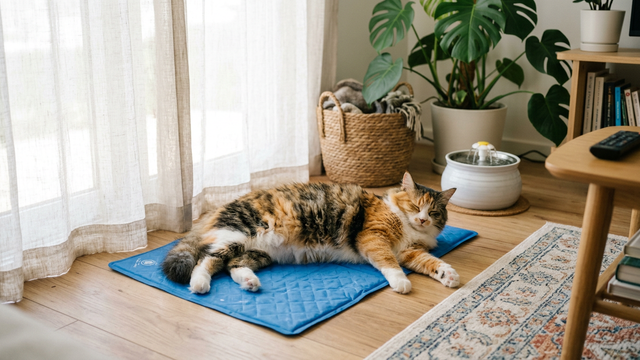
Do Cats Get Hot? Understanding Cat Heat Tolerance, Cooling Methods, and Summer Heatstroke Signs
Cats do get hot, but their strong tolerance and lack of obvious distress often lead owners to overlook the danger. This article explains feline thermoregulation, heatstroke symptoms, and cooling strategies.
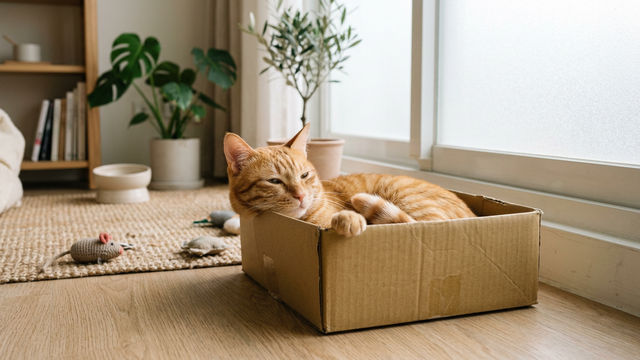
Why Do Cats Love Cardboard Boxes and Hiding in Them? Understanding Security, Hunting Instincts, and Cooling Needs
The core reason cats love cardboard boxes is "security"—the narrow, enclosed space makes them feel protected. Combined with their ambush hunting instincts and need to regulate body temperature in summer, boxes are almost the perfect hiding spot for cats.
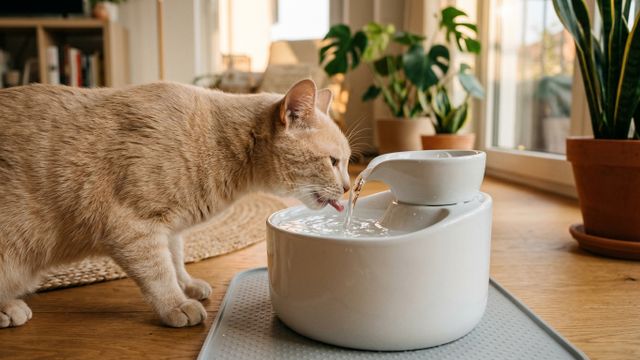
How to Choose a Cat Water Fountain: A Guide to Summer Hydration, Materials, and Cleaning
The key factors when choosing a cat water fountain are "quiet operation, ease of cleaning, and non-intrusive water flow." For encouraging cats to drink more in the summer, ceramic or stainless steel materials, gentle water flow, and cleaning every 3 days are most practical.
