Blog
Cream Tabby Cat: Personality, Traits, and Care Guide
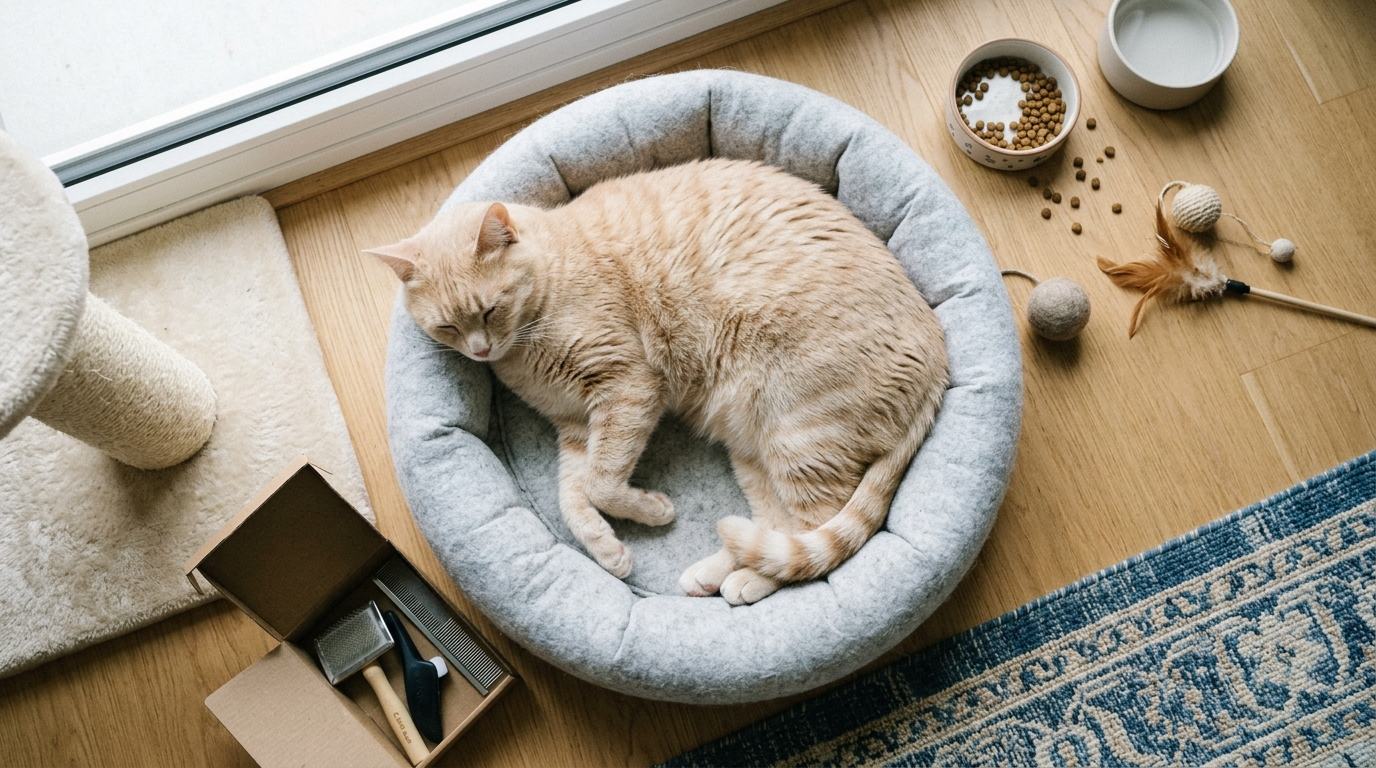
Cream tabby cats are generally known for their gentle, affectionate, and adaptable personalities, making them a stable and "easy-to-get-along-with" group within the tabby family. They are not a distinct breed but rather a coat color pattern characterized by a "pale cream base coat + tabby markings," which can appear in various cats like American Shorthairs, British Shorthairs, and mixed breeds.
At Mao Hou Yuan's cat hotel and grooming salon, we interact with numerous cats of different coat colors daily. Cream tabbies (especially males) often give off an impression of being "laid-back, good-tempered, slow to warm up but incredibly cuddly once they do." Here's a comprehensive look at their coat color, personality, and care needs.
Key Takeaways
- Cream tabby cats are not a separate breed but a coat color resulting from the "dilute gene acting on orange (red)" combined with tabby markings, giving them a cream/light apricot base.
- Cream tabby cats generally possess a gentle, affectionate, and adaptable nature with lower-than-average levels of aggression and nervousness.
- Cream coloration is often linked to the orange gene, meaning cream tabbies are predominantly male, with females being less common.
- Their light-colored fur can easily appear dirty and yellow, so brushing 2-3 times a week is recommended, increasing to daily during shedding season.
- Lighter-colored cats have less skin pigment, so their ear tips and noses require attention during summer to prevent sunburn and overheating; avoid prolonged direct sun exposure.
What is a Cream Tabby Cat? Understanding "Tabby" and "Cream"
Many owners ask, "My cat is a cream tabby, what breed is that?" In reality, cream tabby cat refers to the "coat color," not the breed.
Tabby is a Pattern, Not a Breed
"Tabby cat" describes a cat with distinct markings, often featuring the classic "M" on their forehead. Tabby patterns themselves come in several types, frequently searched as types of tabby cats:
- Mackerel Tabby: Characterized by narrow, parallel stripes resembling fish bones; this is the most common type.
- Classic/Blotched Tabby: Features swirling, marbled patterns.
- Spotted Tabby: Stripes are broken into distinct spots.
- Ticked Tabby (Agouti): Each hair has bands of light and dark color, making the stripes less apparent from a distance, similar to Abyssinian cats.
For a complete classification and identification of tabby patterns, you can refer to our comprehensive article: What is a Dragon Li Cat? Understanding Its Personality, Origins, and Differences from Tabby Cats.
How is "Cream Color" Produced?
Cream color is essentially orange (red) color diluted by the dilute gene. Just as black diluted becomes blue-gray, orange diluted becomes a pale cream/apricot hue. Therefore, cream tabbies appear as "tabbies with a milky tea color," with softer, lower-contrast markings than typical orange tabbies.
Because orange-related coat colors are linked to the X chromosome, both orange and cream tabbies are predominantly male, with females being relatively rare – this is why most orange or cream cats you encounter are male.
If you're interested in the common local cat breeds,狸花 (Lihua), and mixed-breed coat colors in Taiwan, you might also want to read: What is a Dragon Li Cat Called in Taiwan? Understanding the Names and Origins of Taiwanese Local Cats, Mixed Breeds, and Dragon Lis.
Cream Tabby Cat Personality: What's Their Temperament Really Like?
Let's be clear: A cat's personality is primarily determined by genetics, socialization experiences, and their living environment. Coat color is merely a statistical tendency, not an absolute. However, based on practical observations and feedback from many owners, cream tabbies (and orange tabbies) do exhibit several common personality tendencies.
1. Gentle, Good-Tempered, and Not Prone to Holding Grudges
The most frequent descriptor for cream tabbies is "good-natured." In our boarding cattery, cream and orange-colored cats are usually less likely to hiss or become agitated upon entering a carrier; they tend to calm down faster after reassurance. Their tolerance for unfamiliar environments is generally good, making them relatively easy guests.
2. Affectionate, Enjoy Petting, and Slow to Warm Up but Cuddly
Many cream tabbies fall into the "slow to warm up but incredibly cuddly once they do" category. They might hide initially, but once they get comfortable, they'll actively jump onto your lap, seek petting, and follow you around. They enjoy being near people but don't necessarily like being held by everyone.
3. A Bit Goofy, Food-Motivated, and Fond of Napping
The internet joke about orange and cream cats having "their intelligence diluted by milk" isn't entirely accurate; they aren't unintelligent, but they are generally relaxed, easygoing, and highly interested in food. It's crucial to manage their weight carefully, as their love for food combined with a tendency towards inactivity can easily lead to them becoming overweight.
4. Some Individuals Are Playful and Energetic
Remember, if your cream tabby is a mix with a lively breed like an American Shorthair or Abyssinian, they might be full of energy and require plenty of interaction and hunting games. If your cat gets overly excited and tends to bite, you might find this article helpful: Why Do Cats Suddenly Attack Their Owners? Understanding the Causes of Zoomies, Biting, and Overexcitement, with Soothing Methods.
Cream Tabby Cat Appearance Traits
- Base Color: Pale cream, apricot, or light beige, giving an overall "light" impression.
- Low Contrast Markings: Stripes are softer than those of orange tabbies, sometimes only clearly visible in good lighting.
- "M" on Forehead: Like all tabbies, they have the signature "M" marking.
- Nose and Paw Pads: Often pink or brick red; skin pigmentation tends to be light.
- Eyes: Commonly golden or amber.
Due to their lighter skin pigmentation, light-colored cats are at a higher risk of sunburn and skin issues on their ear tips and noses during summer. This will be further discussed in the care section.
Cream Tabby Cat Care Essentials (From a Cat Hotel's Frontline Experience)
1. Light Fur Shows Dirt More Easily; Keep Up with Brushing and Cleaning
The biggest challenge with cream or white-colored cats is that "dirt shows easily." Areas like the chin, around the mouth, and the hindquarters can become yellowish or stained. Our recommendations:
- Brush regularly 2-3 times a week. During shedding season, increase to once daily to minimize shedding and hairballs.
- Use pet-specific wet wipes to clean around the eyes and corners of the mouth periodically.
- Bathing doesn't need to be frequent; for indoor cats, once every 1-2 months is usually sufficient. Over-bathing can disrupt the skin's natural oils.
For comprehensive strategies on shedding and brushing, see When is Cat Shedding Season? Is Heavy Summer Shedding Normal? Brushing Frequency and Dietary Tips. If your cat has a thick coat and frequently vomits hairballs, consider using Pro Hairball Control Powder to aid intestinal expulsion.
The most crucial step after bathing is "quick drying." Light-colored long-haired cats, in particular, can develop skin issues if not dried thoroughly. A highly absorbent Quick-Dry Pet Towel can save a lot of time. If you find grooming challenging, you can always book a grooming appointment with us.
2. Light Skin: Sun Protection and Heatstroke Prevention in Summer
Cats with light pigmentation are more susceptible to sunburn and skin problems on their ear tips and noses from prolonged sun exposure. During summer, avoid letting your cat bask in direct sunlight by uncovered windows for extended periods. Ensure the indoor environment is well-ventilated and provides shady spots.
Cats are more sensitive to heat than you might think. It's essential to understand Do Cats Feel Hot? Cat Heat Tolerance, Cooling Methods, and Essential Signs of Heatstroke in Summer and What to Do If Your Cat Has Heatstroke? Emergency Steps, Cooling Methods, and When to Seek Veterinary Care for Summer Heat Exhaustion.
3. Food-Motivated Temperament: Manage Weight and Hydration
Cream tabbies are generally food-motivated and prone to obesity, which is a precursor to issues like kidney disease and diabetes. We recommend portion-controlled feeding, limiting treats, and encouraging plenty of water intake. In summer, using a water fountain can increase their willingness to drink. For selection tips, see How to Choose a Cat Water Fountain? Key Features, Materials, and Cleaning Tips for Encouraging Hydration in Summer.
Adequate water intake is crucial for preventing urinary and kidney problems. Read more about Why Do Cats Get Kidney Disease? From Early Signs, Dietary Prevention, to the Importance of Hydration.
4. Slow-to-Warm Personality: Early Acclimation for Boarding
Although cream tabbies are good-natured, their slow-to-warm personality means they need time to adapt to new environments. If you're going away, don't leave your cat in an unfamiliar boarding facility at the last minute. We recommend booking in advance and allowing your cat time to adjust. For related preparations, see How to Choose Cat Boarding in Banqiao? Summer Holiday Stays, Costs, Environment, and Preparation Guide. Feel free to book boarding when needed.
Cream Tabby Cat Health Observation Focus
Gentle cats sometimes tend to "endure" discomfort, making it even more important for owners to observe proactively:
- Appetite and Energy Levels: A sudden loss of appetite in a food-motivated cat is often a warning sign.
- Bowel Movements: Pay attention to soft stools or bloody stools. Refer to What to Do If Your Cat Has Diarrhea? Causes of Soft or Watery Stools, Color Interpretation, and When to See a Vet.
- Body Temperature: Warm ears or paw pads don't always indicate a fever. For interpretation, see What Cat Body Temperature is Considered a Fever? How to Tell if Ears/Paws are Hot, with Home Temperature Measurement Steps.
If any symptoms persist or worsen significantly, seek veterinary attention promptly. Do not rely on home remedies or delay treatment.
Frequently Asked Questions
What breed is a cream tabby cat?
A cream tabby cat is not an independent breed but rather a coat color and pattern expression that can appear in various cats like American Shorthairs, British Shorthairs, and mixed breeds. It is a cream-colored tabby resulting from the dilution of the orange gene.
Are cream tabby cats really more gentle?
Statistically and based on care observations, cream and orange tabbies generally have good temperaments, are affectionate, and adaptable. However, personality is primarily determined by genetics, socialization, and environment; coat color is just a tendency and not a 100% guarantee.
Are cream tabby cats more likely to be male or female?
Because the cream and orange genes are linked to the X chromosome, cream tabbies are predominantly male, with females being relatively rare. This is similar to the saying "ten orange cats, nine males."
Do cream tabby cats require special care?
There are three main points: their light fur shows dirt easily, requiring frequent brushing and cleaning; their light skin pigment necessitates sun protection and heatstroke prevention in summer; and their food-motivated nature means weight management and encouraging hydration are important.
What's the difference between a cream tabby and an orange tabby?
They share similar genetics. The difference is that a cream tabby is a diluted version of an orange tabby, with a lighter base color and softer, lower-contrast markings, appearing like a milky tea color. Orange tabbies have more vibrant and intense colors.
---
*This article was written by the Mao Hou Yuan editorial team, combining experience from our cat hotel and grooming salon. The content provides general care advice and cannot replace veterinary diagnosis. If your cat shows any abnormalities, please seek veterinary care immediately.*
每月一封,精選養貓照護、住宿美容小知識與新品,不塞爆你的信箱。
Keep reading
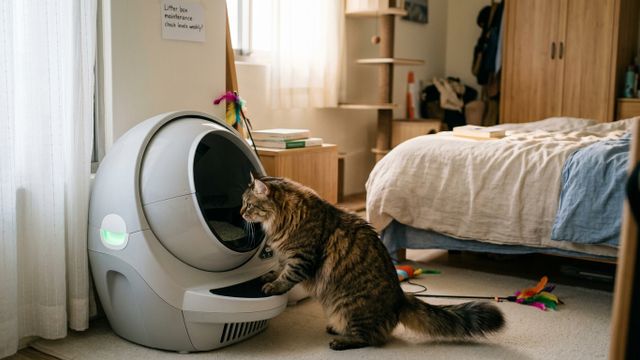
Automatic Litter Box Recommendations: How to Choose, Pros & Cons, Safety, and Cleaning Essentials
Automatic litter boxes are ideal for multi-cat households, people who sit for long periods, and those wanting to reduce odor. However, use caution with kittens, underweight cats, or extremely timid felines. Key selection factors include safety sensors, opening size, and ease of cleaning.
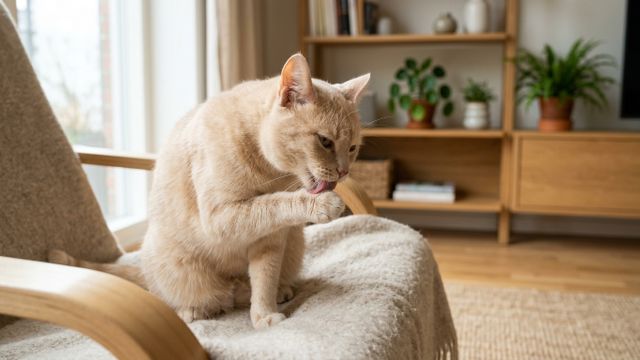
Is it Normal for Cats to Lick Their Paws, and Why Do They Lick Their Front Legs Constantly? Understanding Grooming, Anxiety, and Skin Conditions
Cats licking their paws is usually normal grooming behavior. However, if a cat constantly licks the same front paw, leading to hair loss, redness, or swelling, or if accompanied by behavioral changes, it could signal anxiety, pain, or a skin condition.
Cat Has Bloody Stool But Seems Fine: Is It Normal? Understanding Stool Color, Frequency, and When to Seek Veterinary Care
Your cat has bloody stool but seems energetic, which often indicates minor bleeding in the lower digestive tract. However, you shouldn't be completely at ease. The key lies in the blood's color, frequency, and whether other symptoms are present. This article will guide you on when to observe and when to seek immediate veterinary attention.
