Is it Normal for Cats to Lick Their Paws, and Why Do They Lick Their Front Legs Constantly? Understanding Grooming, Anxiety, and Skin Conditions
Cats licking their paws is usually normal grooming behavior. However, if a cat constantly licks the same front paw, leading to hair loss, redness, or swelling, or if accompanied by behavioral changes, it could signal anxiety, pain, or a skin condition.

For the most part, when cats lick their paws or constantly lick their front legs, it's normal grooming behavior and you don't need to worry too much. But if you notice them suddenly licking more frequently than usual, always focusing on the same front paw, or even licking until the fur is gone, the skin is red and swollen, it's no longer just "grooming" but a "signal" worth observing for underlying reasons.
In this article, we'll cover everything from normal grooming when "cats lick their paws" all the way to the line between anxiety/stress and skin conditions, allowing you to make an initial judgment at home on whether to continue observing or seek veterinary care.
Key Takeaways
- Healthy cats spend about 30% to 50% of their waking hours grooming. Licking their front paws to wet them and then wiping their faces is a normal part of self-cleaning.
- The key to identifying "overgrooming" isn't the frequency, but "whether it causes consequences": localized hair loss, red skin, symmetrical bald patches, or eczema are considered abnormal.
- If a cat constantly licks the same front paw, focusing on a single spot, suspect pain, wounds, inflammation between the toes, or foreign objects first.
- Anxiety caused by environmental changes (moving, new family members, boarding) is one of the most common causes of behavioral overgrooming.
- If paw-licking behavior persists for more than 1-2 weeks, spreads, or is accompanied by changes in appetite or energy levels, it's recommended to see a vet to rule out skin diseases and internal medical issues.
What we use for this
CatGarden’s own products, shipped from Taiwan Pro Hairball Control PowderFrom RM49.90 per boxFree shipping on multi-packs
Cats Licking Their Paws is Part of Their Daily Routine
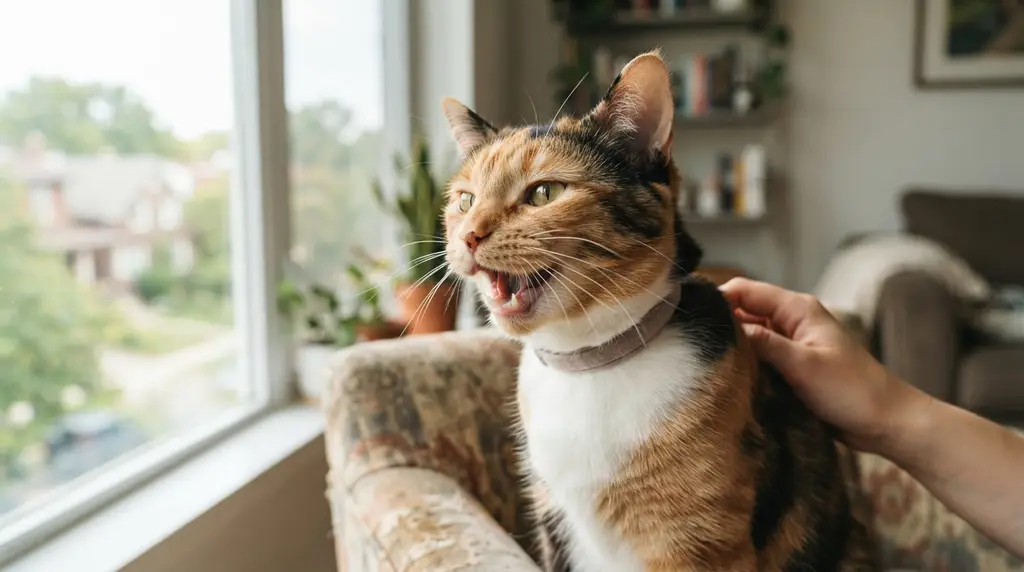
Cats are naturally clean animals. They can't wash their faces with their hands like humans, so they've evolved a "saliva + front paw" cleaning process: they first lick their front paws to wet their palms and inner legs, then use their wet paws to wipe their faces, behind their ears, and around their eyes – areas their tongues can't reach.
So, when you see a cat licking its paw and then wiping its face, it's a complete face-washing ritual, not a quirk. Healthy adult cats spend about 30% to 50% of their waking hours grooming each day, and licking their front paws is just a small part of that.
These "Paw-Licking" Scenarios Are Normal
- After eating: To lick away food residue from their mouths and paws.
- After waking up and stretching: A routine grooming session, similar to humans getting ready in the morning.
- After being petted or interacted with: To re-establish their own scent after you've left yours on them.
- When it's hot: Cats primarily cool down through their paw pads and by evaporating saliva from their fur. You'll notice them licking more frequently in the summer, which is directly related to whether cats feel hot and how they dissipate heat.
This type of paw-licking usually involves "licking one spot then moving to another," and their skin and fur appear clean and intact. You don't need to worry. For a more comprehensive understanding of feline body language, you can read this alongside our Interpretation of Cat Sleeping Positions and Their Love for You.
How to Distinguish Between "Normal Grooming" and "Overgrooming"?
Many owners ask us, "Is my cat licking too much?" The key to identifying overgrooming (cat overgrooming) has never been about the "number of licks," but rather whether it causes visible consequences.
Normal vs. Abnormal Comparison
| Observation Item | Normal Grooming | Needs Attention |
|---|---|---|
| Area | Rotates through the whole body, switching spots | Constantly licking the same front paw or a specific small area |
| Fur | Smooth, shiny | Locally thinning, hair loss, or even a bald patch |
| Skin | Clean, intact | Red, broken, moist, sticky, scabs present |
| Frequency | Licks for a while then moves on to other activities | Licks whenever possible, continues to lick even when interrupted |
| Sound/Action | Quiet, smooth | Bites while licking, makes gnawing sounds |
If any item on the right column appears, it signifies that this is no longer just "being clean," but a message from their body or emotions.
Common Reasons for Cats Constantly Licking Their Front Paws
When a cat constantly licks its front paws, focusing on the same area, we investigate from three main directions: skin problems, pain, and emotional anxiety.
1. Skin and Allergy Issues
This is the most common physiological reason. Fleas, food allergies, and environmental allergies (pollen, dust mites) can cause itchy skin, which cats can only relieve by licking and biting. The interdigital spaces (between the toes) are prone to inflammation; it's warm, moist, and not well-ventilated. Once infected, cats will incessantly lick that area of their paw.
- Observation indicators: Gently part the fur between the toes to check for redness, discharge, or odor. Is the fur discolored (saliva often turns reddish-brown after oxidation)?
###
CatGarden offers curated supplies, cat boarding, and grooming
Book services or shop online.