Senior Cat Grooming: Beyond Baths - Checking for Matting, Oily Skin, and Spot Care

Why do senior cats get dirty, oily, and matted more easily? It's often not laziness, but a decline in flexibility, joint mobility, and energy. What they could once reach, like their back, tail base, or rear, becomes difficult to clean.
CatGarden Editorial TeamPublished 2026/06/08Updated 2026/10/06
Daily Grooming and Care
Senior Cat Grooming: Beyond Baths - Checking for Matting, Oily Skin, and Spot Care

Key takeaways

  • Older cats becoming dirty, greasy, and prone to matting is primarily due to decreased flexibility, joint mobility, and stamina, preventing them from reaching their back, tail base, or hindquarters, rather than laziness.
  • Mats cannot be solved by frequent bathing; they tighten when wet. Sebum often accumulates on the chin, tail base, and along the spine, causing fur to clump together.
  • If an older cat shows signs of panting, shivering, struggling intensely, hiding for extended periods during baths, or a significant decrease in appetite afterward, it indicates high stress levels and that frequent bathing is unsuitable.
  • Hard, plate-like mats close to the skin are not recommended for self-trimming with scissors, as cats' skin is thin and can be easily cut when mats are pulled. Mats in the armpits, abdomen, groin, tail base, and near the hindquarters are best handled by a groomer experienced with cats.
  • For at-home care of older cats, a simple weekly check is recommended (feeling the spine, checking the chin, inspecting paw pads, looking at the hindquarters and tail base). The principle is small, frequent, low-stress care, rather than waiting until they are very dirty for a single intensive session.

Why Do Senior Cats Get Dirty, Oily, and Matted More Easily?

Grooming senior cats can become more challenging, and it's often not due to laziness but rather a decline in flexibility, joint mobility, and overall energy. Areas they could once easily reach, like their back, tail base, or hindquarters, may become difficult to clean as they age. Taiwan's humid climate, especially during the plum rain season and summer, can also cause sebum, dust, and loose fur to clump together.

Some senior cats may reduce self-grooming due to weight gain, dental discomfort, chronic illnesses, or joint degeneration. When sebum accumulates on the chin, tail base, or along the spine, the fur can stick together in clumps, eventually forming mats. In such cases, frequent bathing might not solve the problem and could even make the mats tighter as they absorb water.

What we use for this

CatGarden’s own products, shipped from Taiwan
See all products
Quick-Dry Pet TowelQuick-Dry Pet TowelFrom CA$49.35 per pieceFree shipping on multi-packs

When Is Frequent Bathing Not Suitable? Check for Stress and Health Warnings

Senior cat grooming shouldn't be judged solely by "cleanliness" but also by the cat's ability to tolerate the bathing process. If your cat pants, shivers, struggles intensely, hides for a long time during baths, or shows a noticeable decrease in appetite afterward, it indicates potentially high stress levels. For senior cats, bathing is a significant physical, cardiovascular, and emotional burden.

If a cat suddenly becomes very oily, smelly, or experiences abnormal shedding, or if their skin shows redness, scabbing, or discharge, frequent bathing alone is not recommended. These issues might be related to skin problems, endocrine issues, oral pain, urinary problems, or decreased activity. Observing these health warning signs and consulting a veterinarian when necessary is safer than constant bathing.

What Can You Check Before Bathing?

Before bathing, gently feel along their back, armpits, inner thighs, and tail base to check for hard, matted clumps. Also, examine the skin for redness, flaking, or broken skin, or if the cat noticeably flinches when a certain area is touched. If there are large mats or skin wounds, at-home bathing is not advisable.

How to Safely Deal with Matting: Brushing, Clipping, and Professional Grooming Decisions

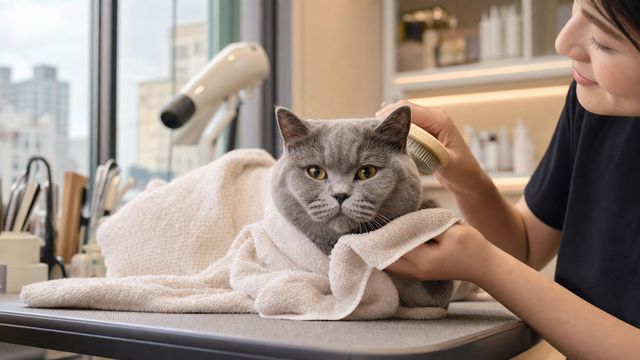
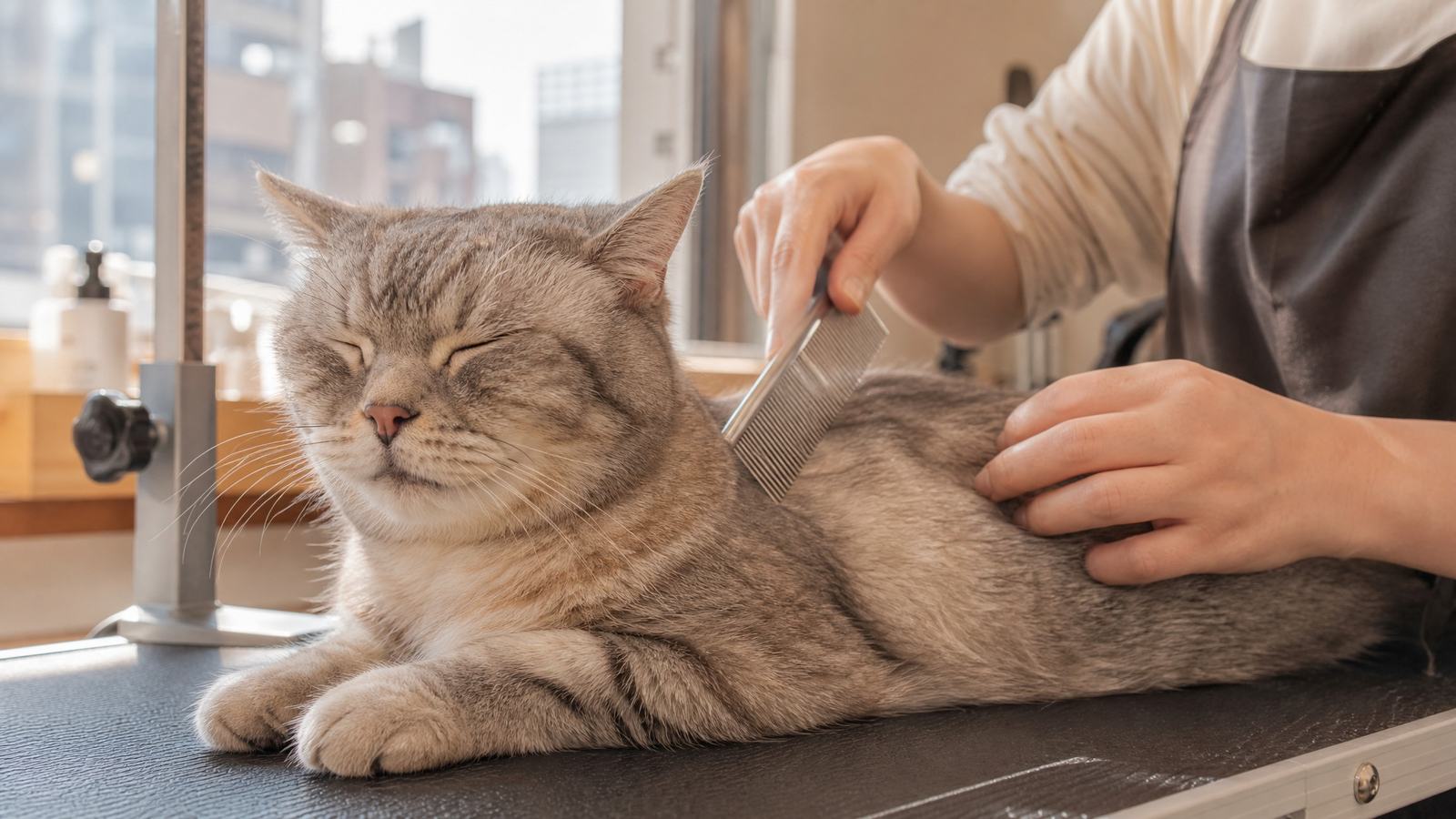
Matting is the most common stumbling block in senior cat grooming. Small mats can be gently teased apart with your fingers, then slowly brushed from the tips using a slicker brush or a comb, avoiding pulling from the roots. It's best to brush in short sessions, a few minutes at a time, to maintain the cat's patience and sense of security.

If mats are close to the skin, form hard patches, or if the cat becomes agitated when touched, it's not recommended to cut them yourself with scissors. A cat's skin is thin, and pulling on a mat can easily lift the skin along with it, making it easy to cause injury with scissors. For these situations, seeking a groomer experienced with cats is usually more reliable than struggling at home.

What Kind of Matting Requires Professional Cat Grooming?

Mats in the armpits, abdomen, groin area, tail base, and near the hindquarters, where skin folds are common and cats are more sensitive, are best handled by professionals. If the mats are extensive and affect walking, defecation, or grooming, don't delay. The goal of senior cat grooming is to reduce pain and stress, not to achieve perfect grooming in one session.

What Areas Can Be Spot Cleaned? Chin, Rear, Paws, and Tail Base

For senior cats who cannot tolerate frequent baths, spot cleaning can help maintain their comfort. The chin can accumulate food grease and blackheads; gently wipe it with a warm, damp gauze pad or cotton ball, then dry. If there are many black spots, redness, or discharge on the chin, avoid forceful scrubbing and consult a veterinarian.

The area around the hindquarters is common in long-haired cats, cats with joint issues, or those with softer stools. Use pet-specific wet wipes or a warm, damp towel to clean surface dirt, then blow-dry or towel-dry the fur to prevent moisture buildup. If the fur on the paws becomes too long, it can track litter and cause slipping; a groomer can help trim it.

What to Do About an Oily Tail Base?

The tail base is a common area for sebum accumulation, making the fur feel oily and clumped. In mild cases, spot cleaning combined with brushing can help keep the area dry and ventilated. If there is dandruff, redness, odor, or if the cat constantly chews at the area, skin issues should be ruled out first.

When Should You Seek Professional Cat Grooming or Veterinary Assistance?

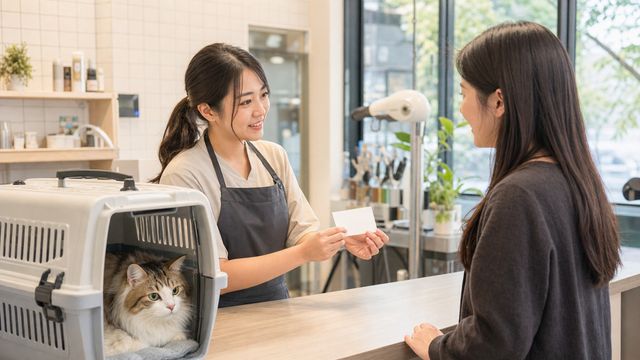
Senior cat grooming can be categorized into "care issues" and "health issues." Simple matting, overgrown paw fur, localized oiliness, or dirty hindquarters can usually be handled by an experienced cat groomer. If your cat gets easily stressed, ask about shorter sessions, phased treatments, or low-stress methods before booking.

However, if accompanied by skin abrasions, strong odors, sudden lack of grooming, slower movement, weight loss, increased thirst, or changes in urination or defecation, consult a veterinarian first. Grooming can improve appearance and comfort but cannot replace disease diagnosis. For senior cats, grooming plans should ideally be assessed alongside their overall health status.

How Can You Arrange Home Care?

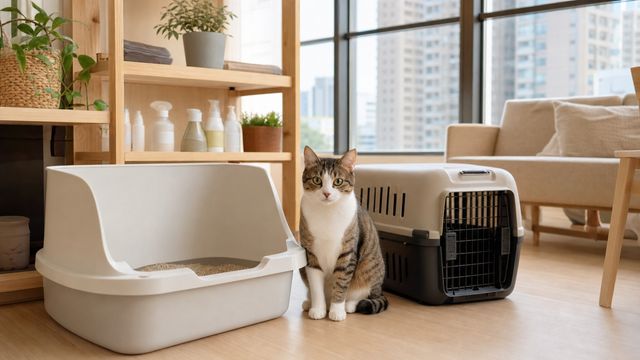
It's recommended to perform a simple weekly check: feel the spine area, look at the chin, check the paws, and examine the hindquarters and tail base. Daily brushing doesn't have to be long, but short sessions can help establish a routine. Successful senior cat grooming usually involves small, frequent, low-stress interventions, rather than waiting until the cat is very dirty to address it all at once.

Keeping Senior Cats Comfortable Is More Important Than Thorough Cleaning

The core of senior cat grooming is to supplement what they can no longer do themselves, rather than replacing all care with baths. When mats, oily skin, and localized dirt are discovered early, cats are less likely to resist grooming due to pulling, heat, or discomfort. Given Taiwan's humid weather, it's more beneficial for owners to make checks a daily habit rather than waiting for noticeable odors.

If you're unsure whether to bathe, shave, spot clean, or see a veterinarian, organize your cat's current coat condition, age, personality, and health status before consulting a professional. Cat Garden offers cat grooming services that prioritize the cat's comfort, assessing brushing, spot trimming, and cleaning methods based on your senior cat's condition. Let grooming be gentle care, not a battle every time.

FAQ

How often should a senior cat be bathed?

There's no fixed answer; it depends on the coat condition, skin status, and the cat's stress levels. Most cats don't need frequent baths, and excessive washing should be avoided, especially for seniors. If it's just localized dirt, spot cleaning is a gentler approach.

Can I cut out mats on my senior cat myself?

It's not recommended to directly cut mats that are close to the skin. A cat's skin is thin, and mats can pull on the skin, making it easy to cause injury. Small mats can be slowly brushed out, but large or skin-adhering mats are best handled by a professional cat groomer.

Is it normal for a senior cat to suddenly stop grooming itself?

It could be aging, but it might also be related to pain, dental issues, joint degeneration, or illness. If the lack of grooming suddenly appears or is accompanied by changes in appetite, weight, or activity level, consult a veterinarian first. Don't just attribute it to a decline in cleanliness habits.

Can I use human wet wipes for spot cleaning?

Human wet wipes containing fragrances, alcohol, or harsh cleaning agents are not recommended. Opt for pet-specific wet wipes or use gauze or a towel dampened with warm water for gentle cleaning. Remember to dry the area afterward to prevent prolonged moisture exposure.

Further Reading

CatGarden offers curated supplies, cat boarding, and grooming

Book services or shop online.
Back

Blog

Senior Cat Grooming: Beyond Baths - Checking for Matting, Oily Skin, and Spot Care

CatGarden Editorial TeamPublished 2026/06/08Updated 2026/10/06
Daily Grooming and Care
Senior Cat Grooming: Beyond Baths - Checking for Matting, Oily Skin, and Spot Care

Key takeaways

  • Older cats becoming dirty, greasy, and prone to matting is primarily due to decreased flexibility, joint mobility, and stamina, preventing them from reaching their back, tail base, or hindquarters, rather than laziness.
  • Mats cannot be solved by frequent bathing; they tighten when wet. Sebum often accumulates on the chin, tail base, and along the spine, causing fur to clump together.
  • If an older cat shows signs of panting, shivering, struggling intensely, hiding for extended periods during baths, or a significant decrease in appetite afterward, it indicates high stress levels and that frequent bathing is unsuitable.
  • Hard, plate-like mats close to the skin are not recommended for self-trimming with scissors, as cats' skin is thin and can be easily cut when mats are pulled. Mats in the armpits, abdomen, groin, tail base, and near the hindquarters are best handled by a groomer experienced with cats.
  • For at-home care of older cats, a simple weekly check is recommended (feeling the spine, checking the chin, inspecting paw pads, looking at the hindquarters and tail base). The principle is small, frequent, low-stress care, rather than waiting until they are very dirty for a single intensive session.

Why Do Senior Cats Get Dirty, Oily, and Matted More Easily?

Grooming senior cats can become more challenging, and it's often not due to laziness but rather a decline in flexibility, joint mobility, and overall energy. Areas they could once easily reach, like their back, tail base, or hindquarters, may become difficult to clean as they age. Taiwan's humid climate, especially during the plum rain season and summer, can also cause sebum, dust, and loose fur to clump together.

Some senior cats may reduce self-grooming due to weight gain, dental discomfort, chronic illnesses, or joint degeneration. When sebum accumulates on the chin, tail base, or along the spine, the fur can stick together in clumps, eventually forming mats. In such cases, frequent bathing might not solve the problem and could even make the mats tighter as they absorb water.

What we use for this

CatGarden’s own products, shipped from Taiwan
See all products
Quick-Dry Pet TowelQuick-Dry Pet TowelFrom CA$49.35 per pieceFree shipping on multi-packs

When Is Frequent Bathing Not Suitable? Check for Stress and Health Warnings

Senior cat grooming shouldn't be judged solely by "cleanliness" but also by the cat's ability to tolerate the bathing process. If your cat pants, shivers, struggles intensely, hides for a long time during baths, or shows a noticeable decrease in appetite afterward, it indicates potentially high stress levels. For senior cats, bathing is a significant physical, cardiovascular, and emotional burden.

If a cat suddenly becomes very oily, smelly, or experiences abnormal shedding, or if their skin shows redness, scabbing, or discharge, frequent bathing alone is not recommended. These issues might be related to skin problems, endocrine issues, oral pain, urinary problems, or decreased activity. Observing these health warning signs and consulting a veterinarian when necessary is safer than constant bathing.

What Can You Check Before Bathing?

Before bathing, gently feel along their back, armpits, inner thighs, and tail base to check for hard, matted clumps. Also, examine the skin for redness, flaking, or broken skin, or if the cat noticeably flinches when a certain area is touched. If there are large mats or skin wounds, at-home bathing is not advisable.

How to Safely Deal with Matting: Brushing, Clipping, and Professional Grooming Decisions

Matting is the most common stumbling block in senior cat grooming. Small mats can be gently teased apart with your fingers, then slowly brushed from the tips using a slicker brush or a comb, avoiding pulling from the roots. It's best to brush in short sessions, a few minutes at a time, to maintain the cat's patience and sense of security.

If mats are close to the skin, form hard patches, or if the cat becomes agitated when touched, it's not recommended to cut them yourself with scissors. A cat's skin is thin, and pulling on a mat can easily lift the skin along with it, making it easy to cause injury with scissors. For these situations, seeking a groomer experienced with cats is usually more reliable than struggling at home.

What Kind of Matting Requires Professional Cat Grooming?

Mats in the armpits, abdomen, groin area, tail base, and near the hindquarters, where skin folds are common and cats are more sensitive, are best handled by professionals. If the mats are extensive and affect walking, defecation, or grooming, don't delay. The goal of senior cat grooming is to reduce pain and stress, not to achieve perfect grooming in one session.

What Areas Can Be Spot Cleaned? Chin, Rear, Paws, and Tail Base

For senior cats who cannot tolerate frequent baths, spot cleaning can help maintain their comfort. The chin can accumulate food grease and blackheads; gently wipe it with a warm, damp gauze pad or cotton ball, then dry. If there are many black spots, redness, or discharge on the chin, avoid forceful scrubbing and consult a veterinarian.

The area around the hindquarters is common in long-haired cats, cats with joint issues, or those with softer stools. Use pet-specific wet wipes or a warm, damp towel to clean surface dirt, then blow-dry or towel-dry the fur to prevent moisture buildup. If the fur on the paws becomes too long, it can track litter and cause slipping; a groomer can help trim it.

What to Do About an Oily Tail Base?

The tail base is a common area for sebum accumulation, making the fur feel oily and clumped. In mild cases, spot cleaning combined with brushing can help keep the area dry and ventilated. If there is dandruff, redness, odor, or if the cat constantly chews at the area, skin issues should be ruled out first.

When Should You Seek Professional Cat Grooming or Veterinary Assistance?

Senior cat grooming can be categorized into "care issues" and "health issues." Simple matting, overgrown paw fur, localized oiliness, or dirty hindquarters can usually be handled by an experienced cat groomer. If your cat gets easily stressed, ask about shorter sessions, phased treatments, or low-stress methods before booking.

However, if accompanied by skin abrasions, strong odors, sudden lack of grooming, slower movement, weight loss, increased thirst, or changes in urination or defecation, consult a veterinarian first. Grooming can improve appearance and comfort but cannot replace disease diagnosis. For senior cats, grooming plans should ideally be assessed alongside their overall health status.

How Can You Arrange Home Care?

It's recommended to perform a simple weekly check: feel the spine area, look at the chin, check the paws, and examine the hindquarters and tail base. Daily brushing doesn't have to be long, but short sessions can help establish a routine. Successful senior cat grooming usually involves small, frequent, low-stress interventions, rather than waiting until the cat is very dirty to address it all at once.

Keeping Senior Cats Comfortable Is More Important Than Thorough Cleaning

The core of senior cat grooming is to supplement what they can no longer do themselves, rather than replacing all care with baths. When mats, oily skin, and localized dirt are discovered early, cats are less likely to resist grooming due to pulling, heat, or discomfort. Given Taiwan's humid weather, it's more beneficial for owners to make checks a daily habit rather than waiting for noticeable odors.

If you're unsure whether to bathe, shave, spot clean, or see a veterinarian, organize your cat's current coat condition, age, personality, and health status before consulting a professional. Cat Garden offers cat grooming services that prioritize the cat's comfort, assessing brushing, spot trimming, and cleaning methods based on your senior cat's condition. Let grooming be gentle care, not a battle every time.

FAQ

How often should a senior cat be bathed?

There's no fixed answer; it depends on the coat condition, skin status, and the cat's stress levels. Most cats don't need frequent baths, and excessive washing should be avoided, especially for seniors. If it's just localized dirt, spot cleaning is a gentler approach.

Can I cut out mats on my senior cat myself?

It's not recommended to directly cut mats that are close to the skin. A cat's skin is thin, and mats can pull on the skin, making it easy to cause injury. Small mats can be slowly brushed out, but large or skin-adhering mats are best handled by a professional cat groomer.

Is it normal for a senior cat to suddenly stop grooming itself?

It could be aging, but it might also be related to pain, dental issues, joint degeneration, or illness. If the lack of grooming suddenly appears or is accompanied by changes in appetite, weight, or activity level, consult a veterinarian first. Don't just attribute it to a decline in cleanliness habits.

Can I use human wet wipes for spot cleaning?

Human wet wipes containing fragrances, alcohol, or harsh cleaning agents are not recommended. Opt for pet-specific wet wipes or use gauze or a towel dampened with warm water for gentle cleaning. Remember to dry the area afterward to prevent prolonged moisture exposure.

Further Reading

One email a month of cat-care tips

Hand-picked care, behavior and grooming tips once a month. Subscribe and we will send you our three most-read articles right away.

Keep reading