How to Choose Dust-Free, Odor-Controlling Mineral Litter? A Deep Dive Review of CatGarden Odor-Controlling Mineral Litter 3.0 and Real User Experience with a Paralyzed Cat
This article focuses on the practical testing of dust-free, odor-controlling mineral litter and its low-dust performance, suitable for owners who prioritize odor control, dust management, and special care situations. Why "Dust-Free, Odor-Controlling Mineral Litter" is a Must-Have for Modern Cat-Loving Households.

Article Focus: This article focuses on the practical testing of dust-free, odor-controlling mineral litter and its low-dust performance, suitable for owners who prioritize odor control, dust management, and special care situations.
Key takeaways
- The ideal granule size for dust-free, deodorizing cat litter is approximately 1.5 to 2mm. It should clump within 3 seconds of contact with urine and harden completely within 5 minutes.
- Compared to version 2.0, CatGarden Deodorizing Litter 3.0 has approximately 40% less dust and features a dual-layer deodorizing structure. It uses natural bentonite combined with high-temperature activated mineral granules for molecular-level adsorption, providing 7 to 10 days of odor-free maintenance per litter change.
- In actual tests, CatGarden Deodorizing Litter 3.0 forms a complete clump with a diameter of 4 to 5 cm per urination. It is not easily broken or stuck to the litter box bottom when scooped.
- For adult cats, it is recommended to maintain a litter depth of 5 to 7 cm. For multi-cat households, it is advised to have one litter box per cat plus one extra, and to replace the entire litter content once a week.
Why "Dust-Free, Odor-Controlling Mineral Litter" is a Must-Have for Modern Cat-Loving Households
The cloud of gray-white dust that rises every time you scoop the litter box is actually quietly entering the respiratory tracts of you and your beloved cat. This is precisely why more and more owners are choosing to upgrade to dust-free, odor-controlling mineral litter.
While traditional mineral litter is affordable and offers stable clumping, its dust problem has always been a drawback. During the process of using the litter box, scratching, and burying, a cat's nose is less than 10 cm from the litter. Long-term inhalation of fine dust can lead to chronic rhinitis, respiratory sensitivity, and even trigger feline asthma. For households with kittens, senior cats, cats with chronic illnesses, or special cats like our "Bobo," who is paralyzed in his hindquarters and must move by dragging his entire body across the litter surface, dust is an undeniable health risk.
Furthermore, another major challenge facing modern cat owners is "odor management." Studio apartments, small living spaces, and open-plan layouts are increasingly common. The odor-controlling performance of a litter box almost determines the air quality of the entire home. Therefore, choosing a mineral litter that truly achieves a trifecta of "low dust + strong odor control + high clumping" is no longer an upgrade option, but a basic requirement.
Five Core Indicators for Choosing Dust-Free, Odor-Controlling Mineral Litter
The market is flooded with products claiming to be "dust-free" and "odor-controlling," but those that truly balance user experience and cat health often differ only in a few key details.
- Dust Level: Observe the amount of dust raised when pouring the litter and whether there are suspended particles in the air after the cat scratches. Truly low-dust litter should produce almost no visible "smoke" when poured.
- Clumping Speed and Hardness: After urine contact, clumping should begin within 3 seconds, and the clump should be fully scoopable without breaking apart after 5 minutes. This is crucial for efficient litter scooping.
- Odor Control Mechanism: High-quality litter incorporates natural minerals or activated carbon to address odors by "adsorbing ammonia" rather than "masking with fragrance."
- Particle Size and Texture: Particles that are too large will make cats uncomfortable to walk on, while those that are too small are easily tracked out of the litter box. An ideal size is around 1.5-2mm with rounded edges.
- Weight and Longevity: Higher water absorption means less frequent litter changes, which is more environmentally friendly and cost-effective in the long run.
CatGarden Odor-Controlling Mineral Litter 3.0: What's New in the Third Generation Upgrade?
From its first generation to 3.0, CatGarden Odor-Controlling Mineral Litter's evolution has been driven not by marketing iterations, but by formula adjustments accumulated from real-world use by real cats in real homes.
The most significant upgrade in version 3.0 is the "dual-layer odor control structure." The surface layer uses natural bentonite as a base, responsible for rapid water locking and clumping. The inner layer is mixed with high-temperature activated mineral particles that perform molecular-level adsorption of the primary odor sources in cat urine, such as ammonia and sulfides. This design ensures that odor control doesn't rely on masking fragrances, preventing cats from being repelled by strong scents when approaching the litter box.
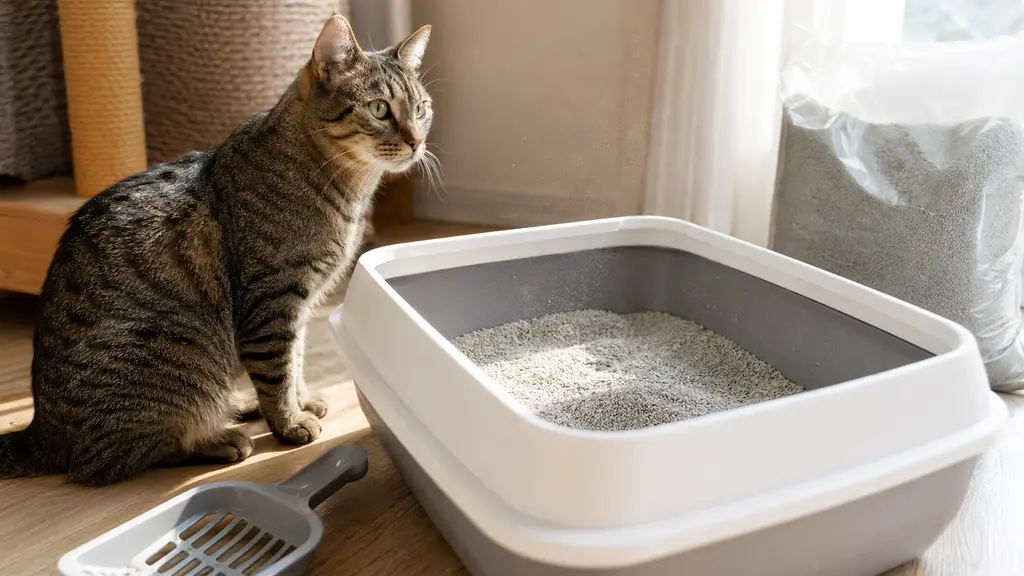
For dust control, 3.0 employs a more refined washing and screening process. When pouring the litter, almost no dust is visible, which is a substantial improvement in quality of life for owners with allergies and for cats who bury their faces in the litter to sniff. In practical tests, the clumping hardness is such that a single urination forms a complete clump of about 4-5 cm in diameter, which can be scooped up without breaking or sticking to the bottom of the litter box, significantly reducing daily cleaning time.
- Dust Level: Approximately 40% lower compared to version 2.0.
- Clumping Time: Forms clumps in 3 seconds, fully hardens in 5 minutes.
- Odor Control Longevity: Maintains odor-free for 7-10 days per full litter change.
- Particle Design: Rounded small particles, reducing tracking and paw discomfort.
Real User Experience with "Bobo," a Paralyzed Cat: The Cat Actually Walked Towards the Litter Box Voluntarily
Beyond all the test data, what truly convinced me that this litter was different was that afternoon – the first time Bobo, without any assistance, dragged his hindquarters and crawled all the way into the newly filled CatGarden Odor-Controlling Mineral Litter 3.0 litter box.
Bobo is a stray cat we rescued three years ago. Due to a car accident, his hindquarters are permanently paralyzed, and he usually moves by dragging himself with his front paws. In the past, Bobo consistently avoided the litter box. After careful observation, we discovered the reason: regular mineral litter produces a lot of dust. When the cat dragged his abdomen and hind legs across the litter, dust would cling to his wounds and fur, leading to redness and swelling over time. Additionally, the particles of traditional mineral litter are relatively hard, causing pain when his weak hind legs rubbed against them. Consequently, Bobo preferred to relieve himself on puppy pads rather than approach the litter box.
On the third day of using CatGarden Odor-Controlling Mineral Litter 3.0, I placed the litter box near his resting area as usual, simply intending for him to "get used to the smell." To my surprise, that evening, I saw him prop himself up with his front paws, slowly but determinedly crawling into the litter box. He stayed inside for nearly two minutes, completing his first "independent potty break" in three years. At that moment, standing nearby, I couldn't stop my tears.
Later, I observed closely and found that the 3.0's particle texture was noticeably softer. When it touched his abdominal skin, it didn't leave red marks. The dust was virtually non-existent; after he crawled across the litter, his fur was no longer coated with a fine white powder. For a healthy cat, this might just be a difference in "comfort level," but for a cat with physical limitations, this is the key factor determining whether the cat is willing to maintain dignity and use the litter box independently.
Usage Recommendations for Different Cat Age Groups
A good litter should be suitable for cats of all life stages, from active kittens to senior cats with slower movements, and even furry friends like Bobo who require special care.
- Kittens (2-6 months): It's recommended to use a shallower litter box to make it easier for kittens to enter and exit. The small particle design of 3.0 won't get stuck between a kitten's toes.
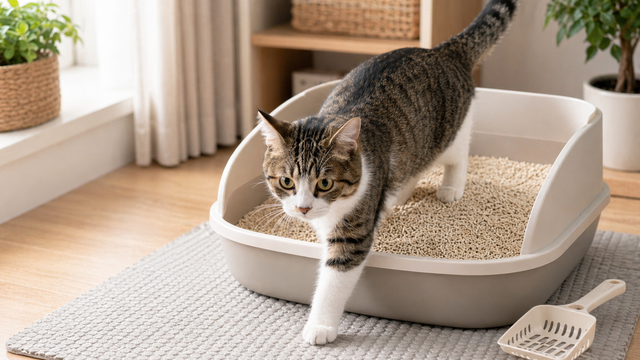
- Adult Cats (1-7 years): Can be used directly with a standard depth of 5-7 cm to achieve optimal clumping and odor control.
- Senior Cats (8+ years): It's recommended to choose a litter box with low sides and maintain a soft litter layer to reduce joint strain.
- Cats with Mobility Issues or Post-Surgery: For special cats like Bobo, low dust and soft particles can significantly increase their willingness to use the litter box independently.
- Multi-Cat Households: It's recommended to change the entire litter box contents weekly and maintain a litter box-to-cat ratio of "number of cats + 1" to ensure air quality.
Make Every Potty Break a Comfortable Moment for Your Cat
Cat litter is never just a "tool for dealing with waste"; it is a daily, intimate, and honest object in a cat's life.
Watching Bobo now, able to crawl into the litter box by himself and quietly complete his small feline ritual, I am more convinced than ever: choosing a truly dust-free, truly odor-controlling mineral litter designed for a cat's physical well-being is the most practical tenderness a pet owner can offer their furry friend. CatGarden Odor-Controlling Mineral Litter 3.0 has brought our family not only clean air and less effort in scooping but also the dignity of a paralyzed cat regaining his independence that afternoon. May every household be deeply healed by their cats in the most ordinary of details.
Litter Recommendations
If clumping ability, odor control, and cat acceptance are your top priorities, you can further compare CatGarden Odor-Controlling Mineral Litter and consider it in conjunction with litter box placement and scooping frequency.
Frequently Asked Questions
What kind of cats is mineral litter suitable for?
Mineral litter generally has a texture similar to natural sand and soil, with good clumping and wrapping abilities. It is suitable for households that prioritize cat acceptance, odor control, and stable clumping.
What should I do if mineral litter produces too much dust?
You can choose low-dust mineral litter and regularly clean the area around the litter box. If your cat or family members are prone to sneezing, pay attention to litter box ventilation and the quality of the cat litter.
How often should the entire litter box be replaced with new litter?
Daily scooping is necessary. The frequency of full litter box replacement can be adjusted based on the number of cats, litter box size, odor, and clumping condition. It is generally not recommended to simply add more litter without cleaning.
CatGarden | A Villa-Style Cat Hotel in Banqiao, Offering Boarding and Grooming Services.
Further Reading
- How to Choose Basic Cat Health Supplements? From Probiotics to Lysine, Understand Ingredient Differences in 3 Minutes
- New Cat Owner's Shopping List: From Litter to Supplements, a Checklist to Get You Prepared
- Ultra-Fine Tofu Litter 3.0 Texture Review: A Cat Owner's Real Experience Switching from Mineral Litter to Tofu Litter
→ Learn about CatGarden's Full Range of Own Brand Products
CatGarden offers curated supplies, cat boarding, and grooming
Book services or shop online.