Cat Smells Again Two or Three Days After a Bath? Check Drying, Sebum, and Shampoo Residue First
Why does your cat smell again just two or three days after a bath? Many owners assume a bath means a long-lasting fresh scent, but if you notice a musty, oily, or wet-towel smell within days, it's usually not simply a matter of "not being cleaned properly."
Key Takeaways
- A musty, oily, or wet-towel smell appearing two to three days after a bath usually isn't due to improper cleaning, but rather issues like incompletely dried roots, sebum, shedding, mats, or shampoo residue.
- A cat's fur appearing dry on the surface doesn't mean the roots are thoroughly dry. Long-haired cats, double-coated cats, and areas like the chest, armpits, belly, and tail base that remain semi-damp are particularly prone to developing odors in humid environments.
- If shampoo isn't rinsed out completely, it can remain on the roots and skin, leading to stickiness, dandruff, and itching, which complicates the odor. Cat skin is sensitive and unsuitable for human shampoos, body washes, or heavily fragranced products.
- Cats with thick fur, heavy shedding, a tendency to mat, or those who resist blow-drying at home are good candidates for professional cat grooming. However, if the odor is concentrated in the ears, mouth, or around the anus, or accompanied by redness, discharge, scabs, or frequent scratching, consult a veterinarian first.
- Bathing frequency should be adjusted based on the cat's skin condition, coat type, living environment, and stress responses; rigid schedules are not recommended for all cats. If your cat smells again quickly after a bath, focus on reviewing the process rather than immediately re-bathing.
Why Does My Cat Smell Again Two or Three Days After a Bath?
Many owners assume a cat should smell fresh for a long time after a bath. However, if you notice a musty, oily, or wet-towel smell within two or three days, it's usually not as simple as "not being cleaned properly." Taiwan's hot and humid summers, high humidity during the plum rain season, and limited ventilation in urban apartments mean that if the fur roots aren't completely dry, odors can easily develop.
Another common reason is improperly handled sebum, shedding, mats, or shampoo residue. Bathing your cat isn't about doing it more frequently, nor should you immediately re-bathe at the first sign of odor; it's more important to first identify the source of the smell. If your cat is also scratching, has dandruff, redness, or smelly ears, you need to consider skin and ear issues as well.
What we use for this
CatGarden’s own products, shipped from Taiwan Quick-Dry Pet TowelFrom CA$49.35 per pieceFree shipping on multi-packs
First, Check the Drying: Semi-Damp Roots Are Most Prone to Odors
When a cat's fur appears dry on the surface, it doesn't mean the roots are thoroughly dry. This is especially true for long-haired cats, double-coated cats, and areas like the chest, armpits, belly, and tail base, where the outer layer might feel fluffy but the underlying fur still holds moisture. This semi-damp state is particularly prone to developing musty odors in humid environments and can make the skin uncomfortable.
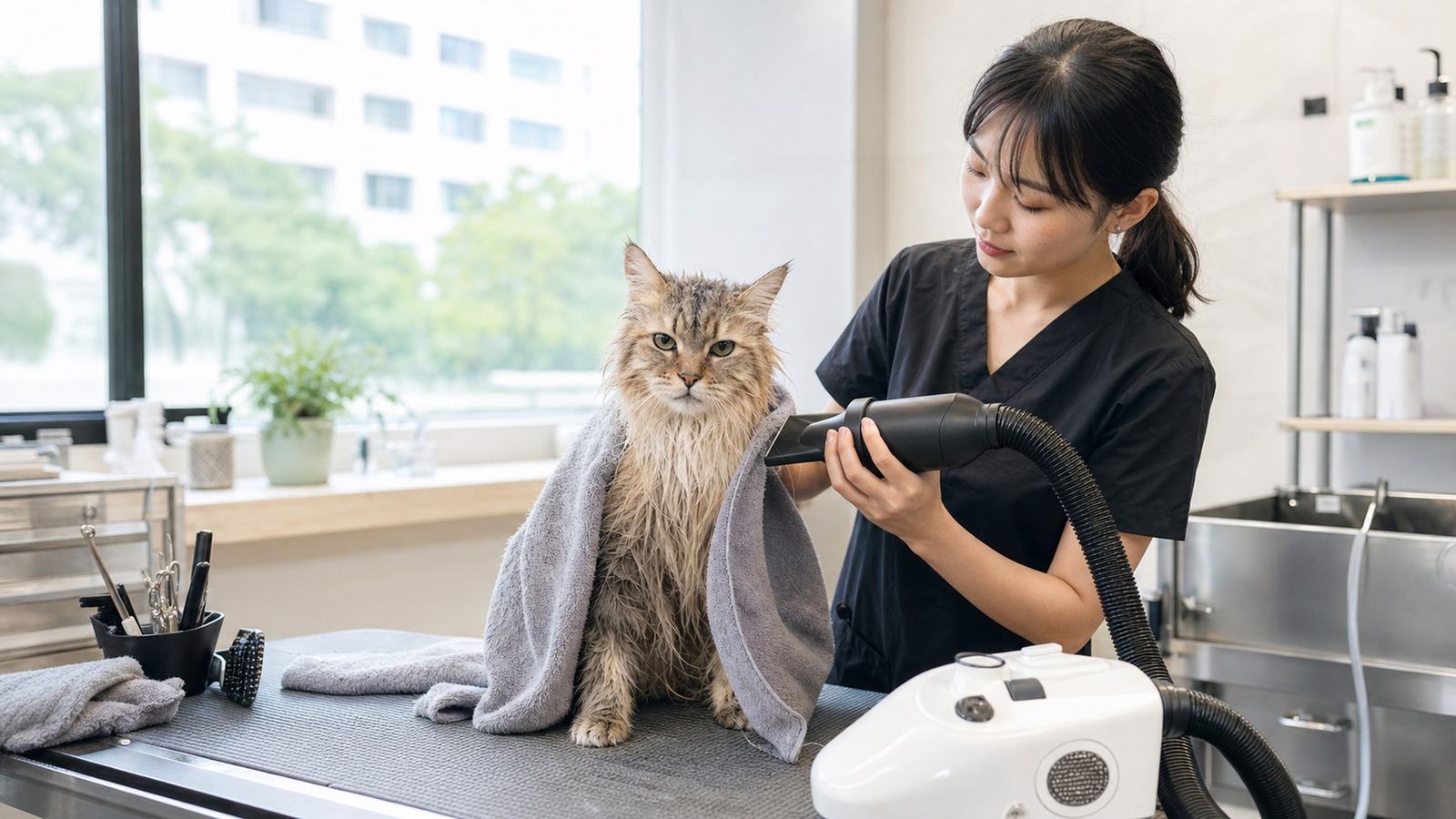
After bathing your cat, it's recommended to thoroughly press the fur with absorbent towels first, then use a low-irritation, temperature-stable method to slowly blow-dry. During blow-drying, don't just focus on the surface; gently part the fur with your fingers or a comb to ensure the roots don't feel damp or sticky. If your cat is very afraid of the blow dryer, forcing it at home might lead to an incomplete bath and drying, in which case, consider entrusting it to groomers familiar with cat behavior.
Sebum, Shedding, and Mats: Not Every Problem is Solved by More Baths
Some cats develop body odor from sebum secretion, particularly on the chin, tail base, and along the spine, which can feel oily to the touch. If regular brushing is insufficient, shedding fur and sebum mix together, making it difficult for water and shampoo to reach the roots evenly during a bath, and the odor may return quickly afterward. Simply increasing the frequency of baths for these cats usually has limited effect.
Mats are also places where odors can hide, especially in long-haired cats around the armpits, inner thighs, and neck. Mats lack ventilation, making them harder to dry after a bath, which can eventually lead to a musty smell. Regular daily brushing and removing loose fur are more effective at maintaining freshness than frequent re-bathing, and it also reduces discomfort from pulling the skin during baths.
Shampoo Residue and Overly Strong Fragrances Can Actually Make Skin More Uncomfortable
Cat skin is more sensitive than human skin, making it unsuitable for human shampoos, body washes, or cleaning products with strong fragrances. If shampoo isn't rinsed out completely and remains on the roots and skin, it can cause stickiness, dandruff, and itching, further complicating the odor. Owners might mistakenly believe it wasn't cleaned properly and bathe the cat again, increasing the burden on the skin.
When choosing shampoo, opt for cat-specific, gentle, and easy-to-rinse products; there's no need to seek strong fragrances. True cleanliness doesn't necessarily mean smelling perfumed, but rather having fluffy fur, skin that isn't sticky, and a cat that isn't constantly licking or scratching. If the odor worsens after bathing, the skin becomes red, or noticeable dandruff appears, it's advisable to stop self-treating and consult a veterinarian if necessary.
When to Book Cat Grooming vs. When to See a Veterinarian
If your cat simply has thick fur, sheds heavily, mats easily, resists blow-drying at home, or if you're concerned about semi-damp roots after a bath, professional cat grooming is suitable. Professional cat groomers typically focus more on calming, phased handling, thorough drying, and mat assessment, reducing stress during the bathing process. For families living in small apartments in Banqiao, New Taipei City, or Taipei, entrusting the task to a grooming salon with proper equipment can also prevent excessive humidity and stray fur in the home.
However, if the odor is concentrated in the ears, mouth, or around the anus, or accompanied by redness, hair loss, discharge, scabs, frequent scratching, or changes in appetite or energy levels, grooming alone is not recommended. These issues may involve the skin, ears, mouth, or anal glands and require veterinary examination first. Grooming can assist with cleaning and tidying, but it cannot replace medical diagnosis.
Daily Practices to Reduce Odors After Your Cat's Bath
To help your cat stay fresh longer after a bath, daily care is more important than emergency re-bathing. Owners can brush their cats regularly, especially during shedding seasons, the plum rain season, and hot, humid summer months, to reduce loose fur buildup and mats. Ensure good ventilation and dehumidification at home, and regularly clean cat beds, blankets, and frequently used fabric surfaces.
Bathing frequency should be adjusted based on the cat's skin condition, coat type, living environment, and stress responses; rigid schedules are not recommended for all cats. Short-haired, healthy cats that groom themselves may only need bathing infrequently, while long-haired, elderly, obese, or cats with difficulty self-grooming may require more detailed grooming plans. If your cat smells again quickly after every bath, focus on reviewing the process rather than immediately re-bathing.
FAQ
My cat smells again two or three days after a bath, can I wash them immediately?
It's not recommended to re-bathe immediately. First, confirm if the drying was incomplete, if mats trapped moisture, if there's shampoo residue, or if there's an underlying skin issue. If the odor recurs, finding the cause is more important than increasing washing frequency.
How often should I bathe my cat?
There's no fixed answer; it depends on coat type, living environment, skin condition, and self-grooming ability. Healthy short-haired cats may need bathing very infrequently, while long-haired cats or those prone to matting might require regular grooming.
Can I use a heavily fragranced shampoo to cover the smell?
It's not recommended. Overly strong fragrances can irritate your cat's skin or sense of smell, and may mask underlying skin problems. Prioritize gentle, easy-to-rinse, low-irritation products for cat hygiene.
Is it normal for my cat to lick its fur constantly after a bath?
Grooming for a short period is normal. However, if the cat continuously licks one spot, scratches, bites, or shows redness, pay attention to potential dryness, product residue, or skin issues. If the situation persists, consult a veterinarian.
CatGarden Reminder
If you find your cat consistently develops an odor soon after bathing, it might not be due to insufficient washing, but rather issues with drying, mats, sebum, or product choices. CatGarden offers cat grooming services with groomers who understand feline rhythms, as well as a selection of cat products suitable for daily brushing, cleaning, and care. To ensure your cat is bathed cleanly, dried with peace of mind, and to reduce musty odors at home, start with a comprehensive assessment.
Further Reading
- Should You Trim Your Cat's Nails Before a Bath? A Guide to Scratch Risk, Desensitization, and Grooming Order
- How to Choose a Pet Dryer for Cats: Comparing Airflow, Noise, and Drying Methods After Bathing
- Can You Use a Pet Blower on Your Cat After a Bath? A Look at Airflow, Noise, and Fear of Drying Reactions
Common Questions
My cat smells again two or three days after a bath, can I wash them immediately?
It's not recommended to re-bathe immediately. First, confirm if the drying was incomplete, if mats trapped moisture, if there's shampoo residue, or if there's an underlying skin issue. If the odor recurs, finding the cause is more important than increasing washing frequency.
How often should I bathe my cat?
There's no fixed answer; it depends on coat type, living environment, skin condition, and self-grooming ability. Healthy short-haired cats may need bathing very infrequently, while long-haired cats or those prone to matting might require regular grooming.
Can I use a heavily fragranced shampoo to cover the smell?
It's not recommended. Overly strong fragrances can irritate your cat's skin or sense of smell, and may mask underlying skin problems. Prioritize gentle, easy-to-rinse, low-irritation products for cat hygiene.
Is it normal for my cat to lick its fur constantly after a bath?
Grooming for a short period is normal. However, if the cat continuously licks one spot, scratches, bites, or shows redness, pay attention to potential dryness, product residue, or skin issues. If the situation persists, consult a veterinarian.
When is it better to book professional cat grooming instead of bathing at home?
If your cat has thick fur, sheds heavily, mats easily, resists blow-drying at home, or if you're concerned about semi-damp roots after a bath, professional cat grooming is suitable. Professional groomers focus more on calming, phased handling, thorough drying, and mat assessment.
CatGarden offers curated supplies, cat boarding, and grooming
Book services or shop online.