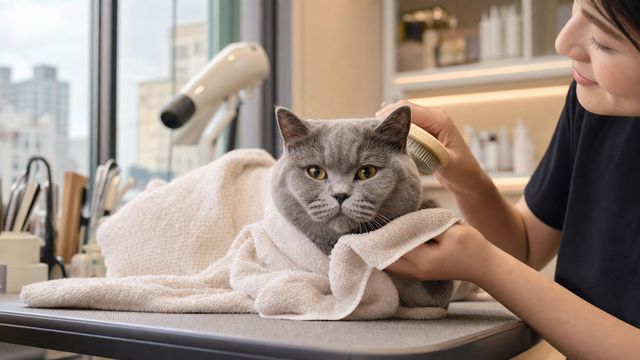
Should You Trim Your Cat's Nails Before Bathing? Assess Scratch Risk, Desensitization, and Grooming Order First
Is it essential to trim your cat's nails before a bath? Consider these three situations. In most cases, trimming your cat's nails before a bath is safer, as bathing, rinsing, and drying can make cats anxious, and a swipe of their paw can easily scratch their owner or groomer.
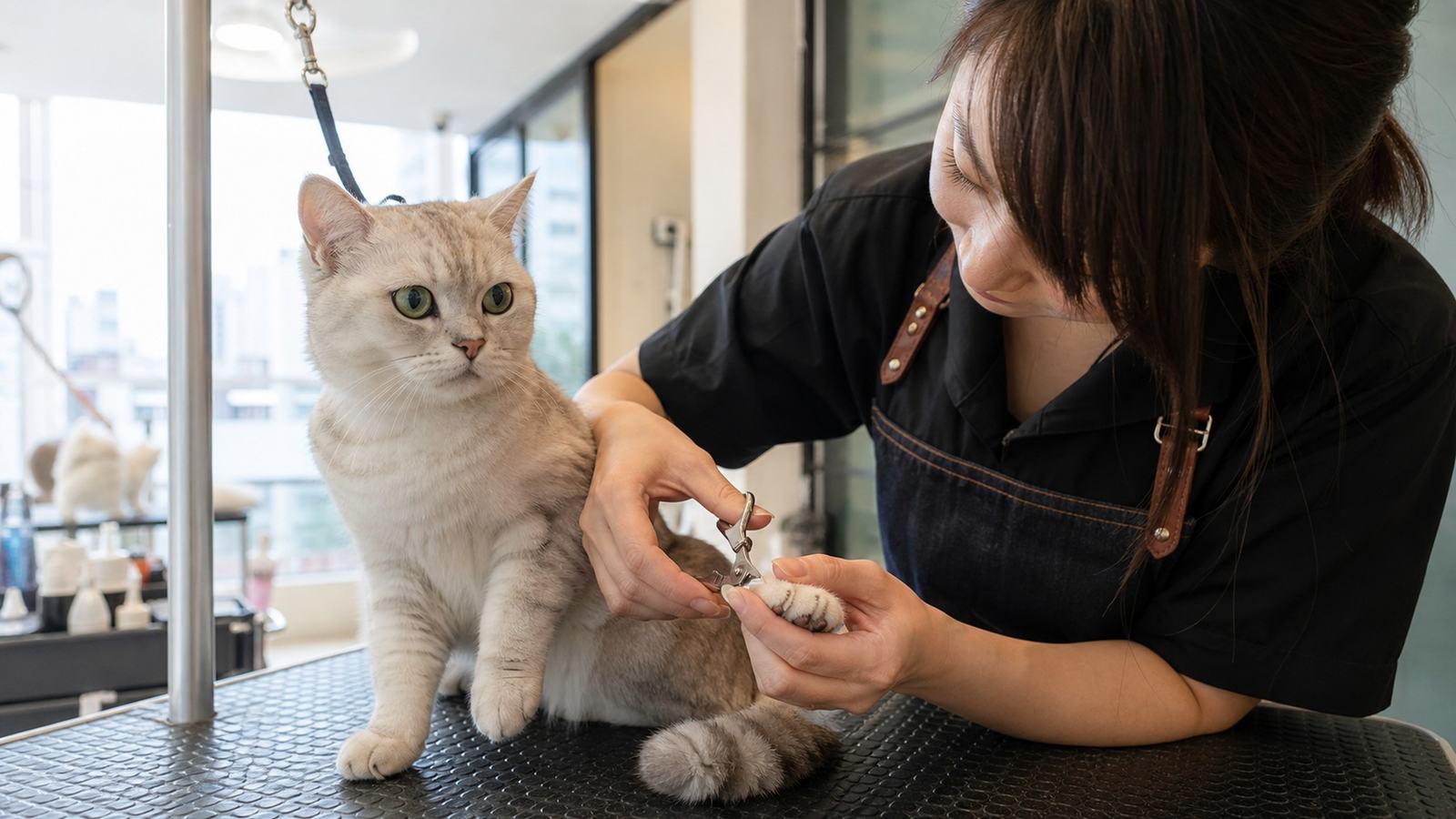
Key Takeaways
- In most cases, trimming your cat's nails before a bath is safer because bathing, rinsing, and drying can make cats anxious, and a swipe of their paw can easily scratch their owner or groomer.
- Cat nails contain blood vessels and nerves. Cutting too deep can cause pain and bleeding. It's recommended to only trim the transparent tip and avoid cutting too short. If you can't see the quick, it's better to trim less.
- The ideal grooming process is to first assess health and emotional state, then trim the cat's nails, followed by bathing and cleaning, and finally thorough drying. Trimming nails before bathing is because wet fur makes cats more uncomfortable, potentially increasing their resistance.
- Drying is often the biggest hurdle. Many cats are genuinely afraid of the sound and heat of the hairdryer, which is why nail trimming is often scheduled earlier in the grooming process.
- Indoor cats also need regular nail trims, as using scratching posts may not wear down all the tips, especially on their hind paws or if they are less active.
Is it Essential to Trim Your Cat's Nails Before Bathing? Consider 3 Situations
In most cases, trimming your cat's nails before a bath is safer because bathing, rinsing, and drying can make cats anxious, and a swipe of their paw can easily scratch their owner or groomer. However, "essential" isn't an absolute answer. The key is to consider the cat's current state, nail length, and their tolerance for nail trimming. If nail trimming is rushed, it can cause their emotional state to deteriorate before the bath even begins.
The first situation is when the nails are already very sharp and long, even snagging on towels, blankets, or scratching posts. In this case, it's recommended to trim them before bathing. The second situation is when your cat is generally okay with having their paws touched and doesn't resist much when a few nails are trimmed. This is suitable for completing the trimming in stages before the bath. The third situation is for cats that are very afraid of water or have scratched someone during a previous bath. Trimming their nails can reduce the risk during the subsequent grooming process, but it must be done more gently.
Nails Aren't Better the Shorter They Are
Cat nails contain blood vessels and nerves. Cutting too deep can cause pain and bleeding, and it will make the cat more resistant to future trims. It's recommended to only trim the transparent tip and avoid cutting too short. If you can't clearly see the quick, it's better to trim less rather than too much at once.
During Taiwan's humid seasons, many owners want to bathe their cats due to skin oiliness, shedding, or musty odors. However, preparation before bathing is more important than the bath itself. Checking the nails, coat condition, and skin status first can make the entire process smoother. Cat nail trimming is just one step and shouldn't be a confrontational start.
What we use for this
CatGarden’s own products, shipped from Taiwan Quick-Dry Pet TowelFrom CA$49.35 per pieceFree shipping on multi-packs
When is it Not Suitable to Force Nail Trimming? Signs of Anxiety, Pain, and Resistance
If your cat is already growling, hissing, flattening their ears, rapidly flicking their tail, or stiffening their body to the point of not wanting to be touched, it's not suitable to force nail trimming. Especially if you stress your cat out significantly before the bath, getting them into the bathroom, rinsing, and drying will be even more difficult. Cats aren't intentionally uncooperative; they simply feel they have no other option.
Pay special attention to signs of pain, such as immediately pulling back a paw when touched, biting, screaming, or having an unusual gait. This could be related to broken nails, paw pad injuries, or joint discomfort. It's not advisable to dismiss these as just bad temper. If you suspect a wound or infection, consult a veterinarian first before scheduling a bath or grooming.
Staged Trimming is More Suitable for Most Cats Than Doing It All at Once
Many cats can tolerate having one or two nails trimmed at a time but cannot handle all four paws being done at once. Owners can break down nail trimming into several days, pairing each session with treats and gentle reassurance, so the cat associates paw handling with rewards. Although this desensitization method is slower, it is more effective long-term than forceful restraint.
If it's the day of the grooming appointment and your cat absolutely won't allow nail trimming, you don't necessarily have to force it at home. You can inform the groomer about the situation beforehand, allowing the professional to assess whether to trim, how many nails to trim, or use other restraint methods. For cats, less conflict often means the key to a successful grooming session.
Trim at Home or Leave it to the Groomer? How to Arrange the Order of Services
If your cat is generally calm about nail trimming at home, it's recommended to trim the tips the day before or the morning of the grooming appointment. This avoids the stress of facing nail trimming, bathing, and drying all at once in an unfamiliar environment. For owners in small city apartments, finding a quiet corner at home and gently wrapping the cat in a towel is usually easier than dealing with it in the bathroom on the spot.
However, if your cat becomes extremely resistant at home, it might be more suitable to leave it to a groomer experienced with cats. Groomers are familiar with feline body language and know when to stop or change methods. It's better to inform them during booking whether your cat allows paw handling and if they have a history of scratching, rather than discovering the situation upon arrival.
Recommended Order: Assessment, Trimming, Bathing, Drying
The ideal process usually involves first assessing the cat's health and emotional state, then trimming the nails, followed by bathing, ear cleaning, or detangling fur, and finally thorough drying. Nail trimming is placed before bathing because wet fur makes cats more uncomfortable, and their resistance may increase. If nails are trimmed after the bath, the cat has already accumulated stress, and the success rate may not be higher.
However, the process should also be adjusted based on the individual case. For example, senior cats, cats with chronic illnesses, or extremely shy cats may require shorter grooming sessions or even multiple appointments. Taiwan's summers are hot and humid, and incomplete drying can lead to a musty smell or skin discomfort. However, stressing the cat excessively is also not good. Safe grooming arrangements should always balance cleaning effectiveness with the cat's tolerance.
Scratching and Stress Risks During Nail Trimming, Bathing, and Drying Stages
The most common risk during nail trimming is the cat suddenly pulling its paw away or turning to bite. If the owner forcefully holds the paw, the cat will try harder to escape, increasing the chance of scratches. A better approach is to first touch the paw, extend the nail, trim the tip, and observe if the cat remains relaxed at each step.
The stress during bathing usually comes from the sound of water, slippery surfaces, and being wet. You can adjust the water temperature beforehand, avoid spraying water directly on the face, and use non-slip mats or stable support. If the cat continuously screams, pants, or tries to escape in the bathroom, reduce the stimulation first, rather than speeding up and forcing the bath.
Drying is Often the Biggest Hurdle
Many cats are genuinely afraid not of bathing, but of the sound and heat of the hairdryer. If the nails are too sharp during drying, the cat may scratch the person while struggling, or even injure its own skin. This is why cat nail trimming is often scheduled earlier in the grooming process, rather than being done last.
Avoid excessively hot hairdryer temperatures, and don't keep the airflow fixed on the same spot for too long. Long-haired and double-coated cats require more patience to dry thoroughly in layers. Taiwan's rainy season and high summer humidity mean that partially dry fur can easily develop odors or cause skin discomfort. If your home equipment is insufficient, taking your cat to a grooming environment that understands their rhythm is usually more stable than chasing them with a dryer at home.
What Information Can Owners Prepare Before Booking a Cat Grooming Appointment?
Before booking, you can gather information such as your cat's age, weight, breed, spay/neuter status, date of last bath, and any skin, ear, dental, or joint issues. Also, describe your cat's reactions to nail trimming, bathing, drying, and contact with strangers. This information will influence how the groomer schedules the services. Instead of just asking "Can you bathe my cat?", it's more important to let the groomer know your cat's limits.
If your cat has previously scratched someone during grooming, at the vet, or at home, it's also recommended to disclose this honestly. This isn't about labeling, but about ensuring the groomer can prepare appropriate restraint methods, time allocation, and staffing. The goal of cat grooming is not to complete every service, but to perform necessary cleaning under safe conditions.
Small Preparations Before Leaving Home
- Ensure the carrier is sturdy and place a familiar mat or towel inside.
- Avoid leaving immediately after a meal to reduce the chance of stress-induced vomiting.
- If nail trimming has already been done at home, inform the groomer to what extent.
- Bring your usual medicated shampoos, skin products, or veterinary records.
- Do not use sedatives on your own unless explicitly instructed by a veterinarian.
When booking, you can also inquire about whether the appointment is one-on-one, if there is a cat-only space, and how the drying process is handled. For easily stressed cats, a quiet, predictable environment with minimal waiting is often more important than fancy equipment. The more complete the information provided by the owner, the smoother the groomer can plan the process.
FAQ
When is the Best Time to Trim Your Cat's Nails Before a Bath?
If your cat is cooperative at home, trimming the day before the bath is ideal, as it prevents prolonged stress. If trimming on the day of the bath, allow some rest time afterward and don't go straight into the bathroom. Only trim the tips; they don't need to be cut very short.
What Should You Do If You Cut Your Cat's Nail and It Bleeds?
Stay calm. Apply gentle pressure with a clean gauze pad or styptic powder to stop the bleeding and pause further trimming. If bleeding is excessive, the nail is deeply split, or the cat is clearly in pain, contact your veterinarian. Also, monitor for swelling, licking, or abnormal walking in the following days.
My Cat is Very Aggressive, Can I Bathe Them Without Trimming Their Nails?
The groomer can assess this, but it's not recommended to force a bath without protection and experience. Overly sharp nails increase the risk of scratches and can also cause injury to the cat during struggles. If the cat is highly stressed, you may need to reschedule, handle it in stages, or practice desensitization first.
Do Indoor Cats Need Regular Nail Trims?
Yes. Although indoor cats use scratching posts, they may not naturally wear down all the tips, especially on their hind paws or if they are less active. Regular nail trims reduce snagging on fabrics and scratching people, and also allow for checking paw pads and between the toes.
When is it Not Suitable to Force Nail Trimming?
When a cat exhibits signs of distress such as growling, hissing, flattened ears, rapid tail flicking, or body stiffness, or shows signs of pain like pulling back a paw, biting, screaming, or abnormal gait, it is not suitable to force nail trimming. If you suspect a wound or infection, consult a veterinarian first.
Conclusion
Whether to trim your cat's nails before bathing is not a rigid rule but depends on the cat's condition, nail length, and their tolerance. If it can be done gently at home, trimming the tips beforehand can reduce the risk of scratches during bathing and drying. If the cat is anxious or in pain, do not force it. To ensure a smoother process, before booking a cat grooming appointment, organize your cat's habits, health status, and past reactions so the groomer can arrange a suitable order and pace. CatGarden offers cat grooming services centered on the cat's experience, assisting owners with cleaning, trimming, and drying care.
Further Reading
- How to Choose a Pet Hair Dryer for Cats? Consider Airflow, Noise, and Drying Method
- How to Choose a Cat Brush? Consider Shedding, Matting, and Skin Sensitivity
- Can You Use a Blower After Bathing Your Cat? Consider Airflow, Noise, and Fear of Blowers
Frequently Asked Questions
When is the Best Time to Trim Your Cat's Nails Before a Bath?
If your cat is cooperative at home, trimming the day before the bath is ideal, as it prevents prolonged stress. If trimming on the day of the bath, allow some rest time afterward and don't go straight into the bathroom. Only trim the tips; they don't need to be cut very short.
What Should You Do If You Cut Your Cat's Nail and It Bleeds?
Stay calm. Apply gentle pressure with a clean gauze pad or styptic powder to stop the bleeding and pause further trimming. If bleeding is excessive, the nail is deeply split, or the cat is clearly in pain, contact your veterinarian. Also, monitor for swelling, licking, or abnormal walking in the following days.
My Cat is Very Aggressive, Can I Bathe Them Without Trimming Their Nails?
The groomer can assess this, but it's not recommended to force a bath without protection and experience. Overly sharp nails increase the risk of scratches and can also cause injury to the cat during struggles. If the cat is highly stressed, you may need to reschedule, handle it in stages, or practice desensitization first.
Do Indoor Cats Need Regular Nail Trims?
Yes. Although indoor cats use scratching posts, they may not naturally wear down all the tips, especially on their hind paws or if they are less active. Regular nail trims reduce snagging on fabrics and scratching people, and also allow for checking paw pads and between the toes.
When is it Not Suitable to Force Nail Trimming?
When a cat exhibits signs of distress such as growling, hissing, flattened ears, rapid tail flicking, or body stiffness, or shows signs of pain like pulling back a paw, biting, screaming, or abnormal gait, it is not suitable to force nail trimming. If you suspect a wound or infection, consult a veterinarian first.
CatGarden offers curated supplies, cat boarding, and grooming
Book services or shop online.