How to Choose a Cat Brush: Consider Shedding, Matting, and Skin Sensitivity
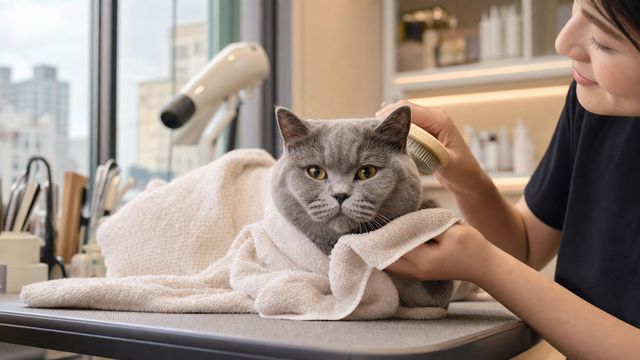
What are the different types of cat brushes? What's the difference between pin brushes, combs, and deshedding tools? Before choosing a cat brush, don't just look at appearance or price; consider your cat's fur volume, length, and skin condition. Taiwan's humid climate, especially during the plum rain season and summer, can trap undercoat fur.
Key Takeaways
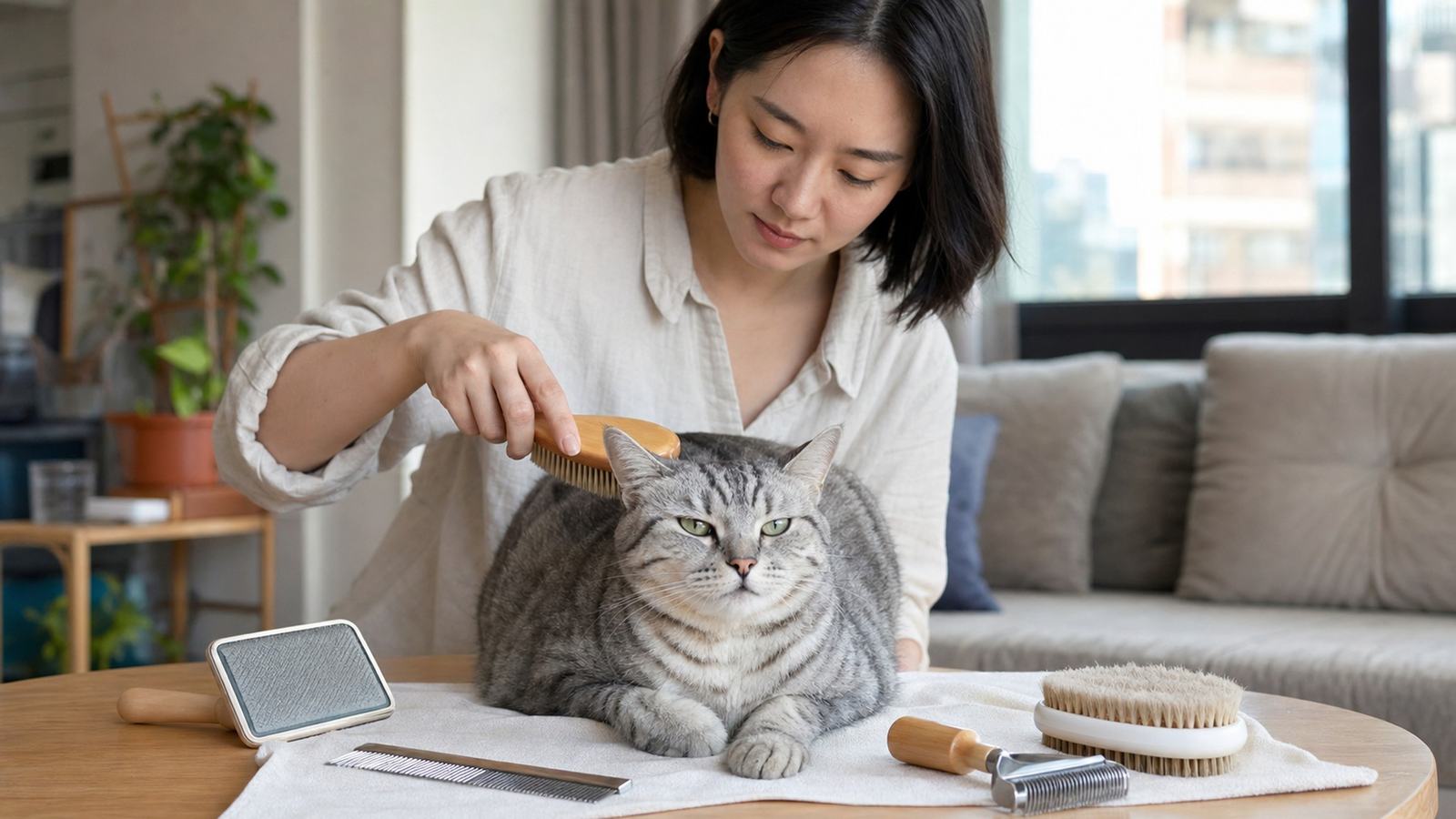
- Cat brushes can be broadly categorized into pin brushes, combs, and deshedding tools: Pin brushes are suitable for fluffing and styling surface fur and adding volume, useful for medium to long-haired cats. Combs are good for checking small tangles and detangling localized areas. Deshedding tools target loose undercoat fur, most effective during shedding seasons.
- Cats prone to matting should first be gently combed with a detangling comb, avoiding large brushes initially. For small tangles, hold the hair at the root and gently comb from the tip. Avoid forcefully pulling hard, matted fur close to the skin; consult a professional groomer or veterinarian.
- It's recommended to brush before bathing to remove loose fur and tangles, preventing them from worsening during washing. If mats are already tight, bathing can sometimes tighten them further.
- A suggested brushing sequence is: pre-bath detangling with a comb, followed by a deshedding tool if needed. Then, bathe, towel dry, and blow dry. Finally, use a pin brush to style the fur. Avoid forcefully brushing tangles when the fur is wet.
- Five key points to consider when choosing a cat brush are: whether the tips are rounded, if the tooth spacing suits the fur length, if the handle is secure, ease of cleaning, and your cat's reaction.
What Types of Cat Brushes Are There? Pin Brushes, Combs, and Deshedding Tools – What's the Difference?
Before choosing a cat brush, don't just focus on appearance or price. Consider your cat's fur volume, length, and skin condition. Taiwan's humid climate, especially during the plum rain season and summer, can trap undercoat fur, leading to discomfort. Brushing not only tidies appearance but also helps reduce matting, overheating, and skin irritation for your cat.
Common cat brushes can be broadly divided into pin brushes, combs, and deshedding tools. Pin brushes are suitable for fluffing and styling surface fur, adding volume, and are very useful for medium to long-haired cats. Combs are ideal for checking for small tangles and detangling localized knots. Deshedding tools are designed to remove loose undercoat fur, proving particularly effective during shedding seasons.
Pin Brush: Styling Fluffy and Surface Fur
Pin brushes typically have finer bristles and are suitable for smoothing surface fur and improving hair flow. Long-haired cats or those with thick coats often benefit from a pin brush after bathing and drying. However, avoid using excessive force on the skin, as this can make sensitive cats resistant to brushing.
Comb: Checking for Tangles and Detangling Localized Areas
A comb resembles a fine-toothed comb and can be used to meticulously check for small tangles in areas like the armpits, belly, behind the ears, and at the base of the tail. These areas are prone to matting due to friction and humidity, especially in urban apartments, air-conditioned rooms, or humid environments. The advantage of a comb is its high control, making it suitable for addressing small sections at a time.
Deshedding Tool: An Essential Tool for Shedding Season
Deshedding tools are primarily used to remove loose undercoat fur and don't need to be used vigorously every time you brush. Short-haired cats also shed a lot of fine fur during shedding season, and moderate use can reduce the amount of hair on sofas, bedding, and clothing. However, if your cat has sensitive skin, use these tools less frequently and with less force.
What we use for this
CatGarden’s own products, shipped from Taiwan

How to Choose for Short-Haired, Long-Haired, and Easily Matted Cats
Short-haired cats don't necessarily need less brushing; their tools can simply be more straightforward. Generally, short-haired cats can be managed with a gentle deshedding brush or a rubber brush, supplemented by a comb for checking localized fur conditions. If your home is humid and your cat enjoys lounging by windows or on the floor, regular brushing can minimize undercoat buildup.
For long-haired cats, it's recommended to have at least a pin brush and a comb, with a deshedding tool as needed. Matting in long-haired cats often starts near the skin, appearing smooth on the surface while being tangled underneath. When choosing a cat brush, consider the bristle length, tooth spacing, and grip – don't just focus on "powerful de-shedding."
Cats Prone to Matting: Start with a Comb, Then a Pin Brush
If your cat frequently develops mats in the armpits, chest, or inner thighs, it's best to start with a comb to gently check for tangles, rather than immediately using a large-area tool. For small tangles, hold the hair at the root with your fingers and gently comb from the tip, little by little. For hard, skin-adhering mats, forceful pulling is not recommended; consult a professional groomer or veterinarian for assessment.
Short-Haired but Heavy Shedders: Avoid Over-Deshedding
When short-haired cats shed heavily, owners might be tempted to repeatedly use a deshedding tool on the same area. While this may seem satisfying in the short term, it can irritate the skin and cause redness. A better approach is to shorten brushing sessions, increase observation, and make brushing a consistent part of care rather than an attempt to clear all loose fur at once.
Cats with Sensitive Skin, Blackheads, or Dandruff: What to Check Before Brushing
Checking your cat's skin before brushing is more important than immediately reaching for a cat brush. This is especially true if your cat has chin blackheads, dandruff on their back, greasy fur at the tail base, or localized redness, scabs, or hair loss. In such cases, avoid vigorous brushing. When the brush touches an uncomfortable area, your cat may associate the pain with brushing, making future sessions more challenging.
For cats with sensitive skin, gently feel their coat all over to check for warmth, lumps, stickiness, or obvious signs of pain. If there's only mild dandruff, use a gentle tool for short periods and observe their reaction. If there are wounds, redness, discharge, or if your cat is constantly licking a specific spot, consult a veterinarian first; brushing should not be used as a treatment.
Cats with Chin Blackheads: Avoid Harsh Scraping
Chin blackheads are common in cats but are not suitable for being scraped off directly with a brush. If your cat has black spots, oiliness, or small scabs on their chin, avoid brushing these areas to prevent skin irritation. Daily checks of food bowl cleanliness, material, and diet are recommended, and consult your veterinarian for further assessment if needed.
Cats with Dandruff: Identify if it's Dry, Oily, or Stress-Related
Dandruff isn't always just due to dryness; it can also be related to skin oils, insufficient cleaning, shedding, stress, or overall health. In Taiwan's humid environment, some cats develop poor skin conditions due to trapped undercoat fur. In such cases, choose a gentler brush, improve ventilation, address undercoat buildup, and then observe skin changes.
Can You Brush Before and After Bathing? The Order for Deshedding, Drying, and Detangling
Brushing before bathing is often recommended. Removing loose fur and tangles beforehand can prevent them from worsening during the bath and allow shampoo to distribute more evenly. If mats are already tight, bathing might actually tighten them further.
Brushing after bathing is also possible, but the sequence and pressure are key. Ensure most of the water is absorbed, then use a pin brush or comb while blow-drying to style the fur, and finally, confirm the undercoat is completely dry. In humid weather, if the undercoat isn't fully dried, it can lead to a musty odor and skin discomfort.
Recommended Sequence: Pre-Bath Check, Post-Bath Drying
A reliable sequence is: pre-bath detangling with a comb, followed by a deshedding tool if necessary. Then, bathe, towel dry, and blow dry. Finally, use a pin brush to style the fur. Avoid forcefully brushing tangles when the fur is wet, as wet hair is more prone to pulling the skin. If your cat is very anxious, it's better to break down the process into shorter sessions rather than trying to complete everything at once.
Deshedding Isn't Always Better with More
Deshedding before bathing can reduce flying fur, but brushing for longer doesn't necessarily mean cleaner. Keep sessions within your cat's tolerance, observing for skin redness, tail flicking, or attempts to escape. A good cat brush should make your cat more comfortable, not force them to endure until they break.
5 Key Checks When Choosing a Cat Brush and Common Mistakes to Avoid
First, check if the bristle tips are rounded and don't feel scratchy. Second, ensure the tooth spacing is suitable for the fur length; short-haired cats don't necessarily need long bristles, while long-haired cats need tools that can reach the undercoat. Third, ensure the handle is secure, as an unstable grip can lead to accidental pulling.
Fourth, check for ease of cleaning; tools that trap fur and are difficult to clean can become less appealing to use over time. Fifth, observe your cat's reaction; if they hide every time you bring out the brush, it might be too stimulating, the pressure too strong, or the brushing session too long. When choosing a cat brush, your cat's acceptance is actually more valuable than marketing claims.
Common Pitfall: Buying Only the Most Powerful Deshedding Tool
Many owners' first brush purchase is a model advertised for its powerful deshedding capabilities. However, powerful tools aren't necessarily suitable for daily use or for cats with sensitive skin or thin coats. If you have cats with different fur types, you might need separate tools rather than one brush for all.
Common Pitfall: Brushing Only When Matting Occurs
By the time mats feel like hard lumps, they are significantly more difficult to handle. The purpose of regular brushing is to identify problems before small tangles form. This is especially important for long-haired, senior, overweight, or cats that don't groom themselves well; regular checks of the armpits, belly, and tail base are crucial.
FAQ
Does my cat need to be brushed every day?
Not necessarily. Short-haired cats can be brushed 2 to 3 times a week depending on shedding, increasing frequency during shedding season. Long-haired cats or those prone to matting are recommended to have short daily checks. The key is consistency, gentleness, and ensuring your cat is willing to cooperate.
Can I share a cat brush with my dog?
Direct sharing is not recommended. Cats have more sensitive skin and react differently to tool texture and pulling. Dog brushes may have tooth spacing or pressure unsuitable for cats. If you have both cats and dogs, it's best to use separate brushes and clean them regularly.
What if my cat resists brushing?
Start by shortening sessions to 30 seconds to 1 minute, beginning with areas they tolerate better, like the back or sides of the face. Avoid brushing the belly, armpits, or tail base initially. Use treats as rewards to associate brushing with positive experiences; this is more effective than forcibly holding them down.
Can I cut out mats myself?
It's not recommended to cut mats close to the skin with scissors. Cat skin is very thin, and mats often pull the skin along with them, making accidental cuts easy. If mats are close to the skin, extensive, or cause your cat obvious pain, consult a professional cat groomer or veterinarian. Regular checks with a comb to catch tangles early are the best way to prevent matting.
What should I pay attention to before brushing a cat with sensitive skin or skin problems?
Before brushing, gently feel their coat all over to check for warmth, lumps, stickiness, or signs of pain. If there's only mild dandruff, use a gentle tool for short periods and observe their reaction. If there are wounds, redness, discharge, or if your cat is constantly licking a specific spot, consult a veterinarian first; brushing should not be used as a treatment.
Choosing Cat Supplies Starts with Daily Care
Choosing the right cat brush is the first step towards making your cat's daily care easier. From short-haired to long-haired, shedding seasons to sensitive skin, each cat requires different tools. CatGarden offers a variety of practical cat supplies suitable for Taiwanese households, allowing you to choose based on fur type, living space, and care habits. If you're preparing grooming, bathing, or daily cleaning tools for your cat, start with appropriate cat supplies to ensure stable care and greater comfort for your feline friend.
Further Reading
- Can You Use a Pet Blower After Bathing Your Cat? Consider Airflow, Noise, and Fear of Drying
- Can You Use a Cat Bath Machine? Consider Foam, Water Pressure, and Fear of Noise Risks
- Can You Clean Your Cat's Mouth During Bath Time? Consider Shampoo, Dental Products, and Ingestion Risks Separately
Frequently Asked Questions
Does my cat need to be brushed every day?
Not necessarily. Short-haired cats can be brushed 2 to 3 times a week depending on shedding, increasing frequency during shedding season. Long-haired cats or those prone to matting are recommended to have short daily checks. The key is consistency, gentleness, and ensuring your cat is willing to cooperate.
Can I share a cat brush with my dog?
Direct sharing is not recommended. Cats have more sensitive skin, and dog brushes may have tooth spacing or pressure unsuitable for cats. If you have both cats and dogs, it's best to use separate brushes and clean them regularly.
What if my cat resists brushing?
Start by shortening sessions to 30 seconds to 1 minute, beginning with areas they tolerate better, like the back or sides of the face. Avoid brushing the belly, armpits, or tail base initially, and use treats as rewards to associate brushing with positive experiences.
Can I cut out mats myself?
It's not recommended to cut mats close to the skin with scissors. Cat skin is very thin, and mats often pull the skin along with them, making accidental cuts easy. If mats are close to the skin, extensive, or cause your cat obvious pain, consult a professional cat groomer or veterinarian. Regular checks with a comb to catch tangles early are the best way to prevent matting.
What should I pay attention to before brushing a cat with sensitive skin or skin problems?
Before brushing, gently feel their coat all over to check for warmth, lumps, stickiness, or signs of pain. If there's only mild dandruff, use a gentle tool for short periods and observe their reaction. If there are wounds, redness, discharge, or if your cat is constantly licking a specific spot, consult a veterinarian first; brushing should not be used as a treatment.
CatGarden offers curated supplies, cat boarding, and grooming
Book services or shop online.