Can Cats Use a Bathing Machine? Consider Foam, Water Pressure, and Noise Sensitivity Risks First
What is a cat bathing machine? How does it differ from manual washing? Cat bathing machines typically integrate the washing agent, water flow, foam, or rinsing process into a single device, cleaning the cat's body through a fixed water outlet method. Some models emphasize high-density foam, while others focus on...
Key Takeaways
- A cat bathing machine integrates washing agents, water flow, foam, or rinsing into one device. It's best used as an auxiliary tool for certain steps, not a complete replacement for human judgment.
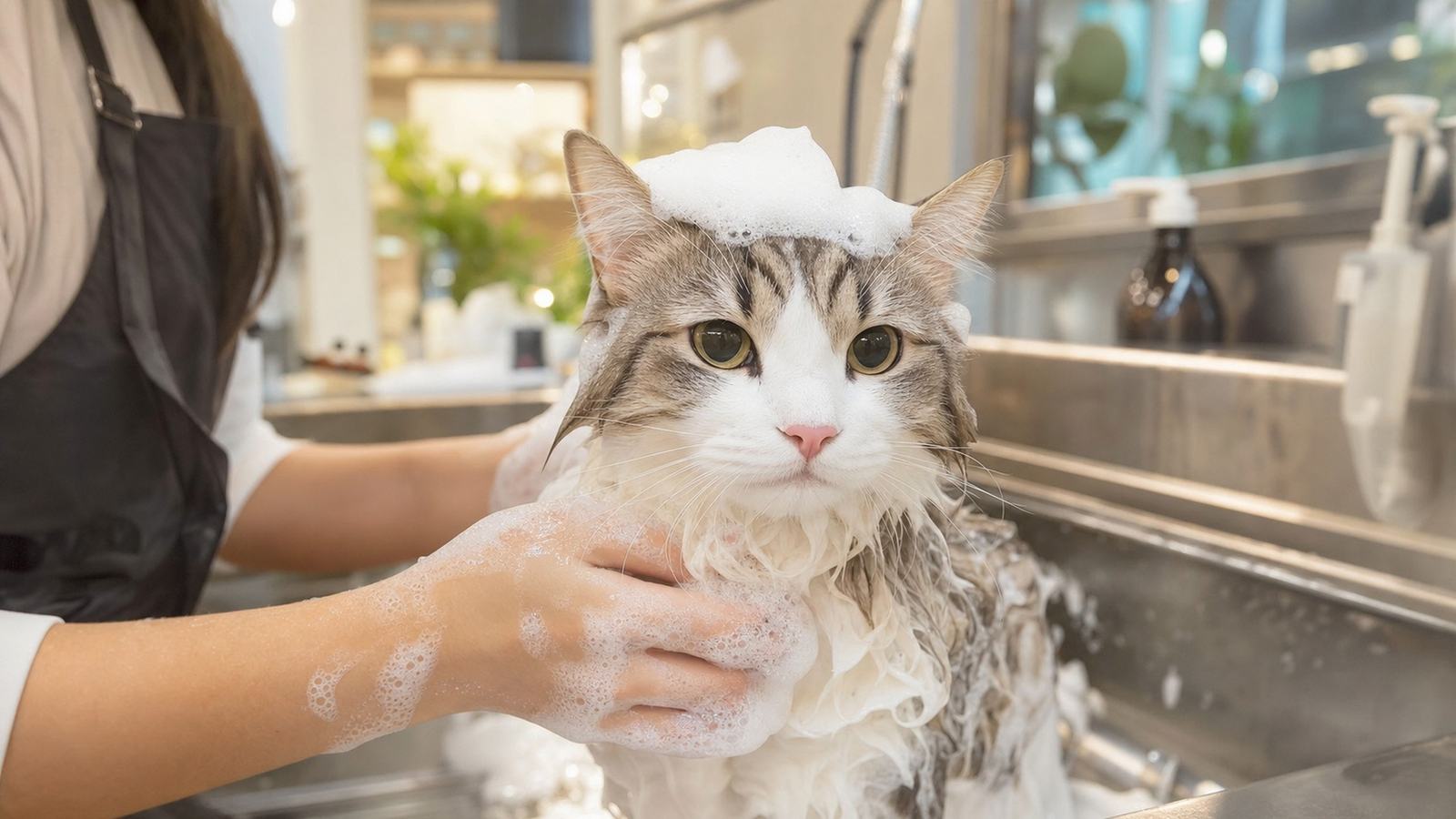
- High-density foam helps distribute the detergent evenly through the fur. However, more foam doesn't necessarily mean cleaner; the key lies in the suitability of the detergent, reasonable contact time, and thorough rinsing.
- Using a cat bathing machine carries four major risks: excessive water pressure, noise stress, restraint methods, and detergent residue. Residue in thick fur, armpits, abdomen, or between toes can cause itching, licking, or redness.
- Kittens, senior cats, and cats with sensitive skin (history of fungal infections, allergies, wounds, severe dandruff, or unexplained redness/swelling) should not rely solely on automated processes. Professional groomers or veterinarians should assess them first.
- Most healthy domestic cats don't need frequent baths. Daily brushing and spot cleaning are often sufficient. Bathing is more appropriate when dealing with grease, excrement stains, matting during shedding season, or as recommended by a vet.
What is a Cat Bathing Machine? How Does it Differ from Manual Washing?
A cat bathing machine typically integrates the washing agent, water flow, foam, or rinsing process into a single device, cleaning the cat's body through a fixed water outlet method. Some models emphasize high-density foam, others focus on uniform rinsing, and some establishments combine this with manual soothing and spot hand-washing. For owners, hearing "cat bathing machine" might intuitively suggest time-saving, abundant foam, and even cleaning. However, the actual effectiveness still depends on the cat's personality and the operation method.
The advantage of manual washing is that groomers can instantly adjust the force, avoid sensitive areas, and observe the condition of the skin, ears, paw pads, and tail base. A bathing machine is more like an auxiliary tool, suitable for specific steps rather than completely replacing human judgment. Especially in Taiwan's humid summers and rainy seasons when the hair roots can become stuffy, the cleaning method should be based on skin condition, not just the newness of the equipment.
Is High-Density Foam Really Cleaner? Consider Sebum, Fur Volume, and Skin Condition First
The benefit of high-density foam is that it allows the detergent to contact the fur more evenly. For long-haired cats or those with thick fur, it might indeed be easier to distribute the detergent through the coat compared to direct scrubbing. However, more foam doesn't necessarily mean cleaner; the key still lies in whether the detergent is suitable for the cat, if the contact time is reasonable, and if it's rinsed thoroughly afterward. Pursuing excessive foam might actually increase the burden on the skin.
Cats vary greatly in sebum secretion, shedding volume, and skin sensitivity. Some cats' tail bases get oily easily, while others have more sensitive abdomens or armpits. Before using a cat bathing machine, you should check if the cat has any redness, dandruff, suspected fungal issues, or excessive licking. If the skin is already unstable, consult a veterinarian or an experienced cat groomer for an assessment, rather than intensifying the cleaning.
In small urban living spaces, many cats have a fixed activity area and may not need frequent baths. If the cat isn't soiled, stained with excrement, or greasy, daily brushing and spot cleaning are often sufficient. A cat bathing machine can be an option, but it shouldn't be considered a standard procedure for every cat.
What we use for this
CatGarden’s own products, shipped from Taiwan Quick-Dry Pet TowelFrom CA$49.35 per pieceFree shipping on multi-packs
4 Risks Cats Need Most Attention For: Water Pressure, Noise, Restraint, and Residue
Water pressure is the first issue to consider. Cat skin is more sensitive than you might imagine. If the water outlet is too concentrated or the force is too strong, it can make them nervous, cause them to dodge, or even lead to stronger resistance towards bathing. Good operation should allow for adjustment of the water flow based on the cat's reaction, not a fixed procedure from start to finish.
Noise is also a source of stress for many cats. The combined sounds of the machine running, water flowing, and drying can be more frightening to timid cats than the water itself. If your cat usually hides at the sound of a vacuum cleaner or hairdryer, you need to assess this carefully before using a cat bathing machine to avoid turning bath time into a high-stress experience.
Restraint isn't just about holding the cat still; it's about completing the cleaning without causing injury. Some cats will twist, kick, or try to climb when nervous. If the establishment relies solely on forceful restraint, it could lead to joint strain or emotional distress. Professional cat grooming involves handling the cat in stages based on its condition, pausing when necessary, rather than forcefully completing the process.
Residue is often overlooked. If foam and detergent get trapped in thick fur, armpits, abdomen, or between the toes, it can subsequently cause itching, licking, or redness. When using a cat bathing machine, thorough rinsing and human inspection are more important than how much foam there appears to be.
Which Cats Are Not Suitable for Bathing Machines? Kittens, Seniors, and Sensitive Cats Need Assessment First
Kittens may not be suitable for direct use of bathing machines, especially those who haven't established a stable bathing experience and have weaker thermoregulation abilities. They are prone to nervousness due to noise, water flow, and unfamiliar environments, and often require short, low-stimulation handling. If it's just a localized mess, wiping with a damp cloth or spot cleaning is usually gentler than a full bath.
For senior cats, consider their cardiopulmonary capacity, joint degeneration, kidney disease, or other chronic conditions. Standing, restraint, and drying time during bathing can cause discomfort. If a senior cat needs cleaning, it's advisable to first confirm their physical condition and then choose a low-pressure, quick grooming process with opportunities for breaks.
Cats with sensitive skin, a history of fungal infections, allergies, wounds, severe dandruff, or unexplained redness/swelling should also not rely solely on automated processes. These cats require assessment of their skin condition, detergent ingredients, and rinsing methods first. Cat bathing machines are not medical treatments; if skin problems persist, the cause should be diagnosed by a veterinarian.
6 Questions to Ask Before Booking a Cat Grooming Appointment
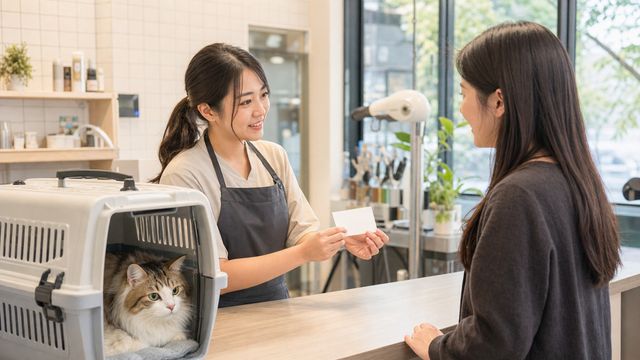
If you're considering using a cat bathing machine for your cat, you can ask the establishment about their actual process before booking. Professional establishments usually won't just say "our equipment is great" but will be willing to explain how they assess the cat's personality, skin condition, and tolerance. These questions can help you determine if they use the machine as an aid or if they apply the same routine to all cats.
It's also recommended to provide information about your cat's past bathing experiences, such as whether they hiss, bite, pant, drool, hide, or have had skin redness after a bath. More complete information can help the groomer arrange a suitable method. Especially in metropolitan areas like New Taipei City and Taipei, there are many choices. Don't just compare prices; focus on whether the establishment understands the cat's stress signals.
- Do you assess the cat's personality and skin condition before deciding if a bathing machine can be used?
- Can the water pressure, foam volume, and rinsing time be adjusted based on the cat's reaction?
- Is the detergent specifically for cats? Can it be changed for sensitive skin?
- Is there someone accompanying and observing the entire bathing process, rather than letting the machine operate alone?
- If the cat becomes too nervous, can the process be paused, switched to hand-washing, or partially canceled?
- How are the drying method, temperature, and time controlled? Is it confirmed that the roots of the fur are dry?
FAQ
Are cat bathing machines suitable for all cats?
No. Whether a cat can use one depends on its age, health status, skin condition, and tolerance to noise. Timid cats, senior cats, kittens, or cats with sensitive skin should be assessed by a professional groomer first.
Will high-density foam make a cat's skin cleaner?
High-density foam aids in detergent distribution, but cleanliness still depends on the choice of detergent, massage technique, and thorough rinsing. If foam remains at the hair roots, it can cause itching or licking.
My cat is very afraid of hairdryers, can it still use a bathing machine?
It needs to be assessed. Cats afraid of noise may also be afraid of machine sounds, water sounds, and drying sounds. Inform the establishment before the bath. Professional cat groomers usually use segmented, low-stimulation methods and may advise against forcing it if necessary.
How often should a cat be bathed?
Most healthy domestic cats do not need frequent baths. Daily brushing and spot cleaning are usually more important. Bathing is more appropriate when dealing with grease, excrement stains, matting during shedding season, or as recommended by a vet.
What questions can I ask a grooming salon before booking a cat grooming appointment?
You can ask if they assess the cat's personality and skin condition first, if water pressure and rinsing time can be adjusted based on the cat's reaction, if the detergent is cat-specific, if someone accompanies the entire process, if the process can be paused or switched to hand-washing if the cat is too nervous, and how the drying temperature and time are controlled.
Closing CTA
If you're unsure whether a cat bathing machine is suitable for your cat, it's recommended to gather information about its age, personality, skin condition, and past bathing reactions, and then consult a groomer familiar with cat behavior for an assessment. Cat Garden offers cat grooming services prioritizing feline stress and safety, arranging cleaning, trimming, and drying processes based on each cat's condition. Instead of focusing on new equipment, choose a team that understands feline reactions and is willing to adjust the pace, making bath time a more stable and comfortable care experience.
Further Reading
- Can Cat Baths Include Oral Cleaning? Consider Shampoo, Dental Products, and Ingestion Risks First
- Do Cats Need Exfoliation? Assess Skin, Oil, and Licking Risks Before Herbal Mud Grooming
- Is a Disinfectant Smell in Cat Grooming Salons Reassuring? Check Cleaning Frequency, Antibacterial Products, and Cat Stress
Frequently Asked Questions
Are cat bathing machines suitable for all cats?
No. Whether a cat can use one depends on its age, health status, skin condition, and tolerance to noise. Timid cats, senior cats, kittens, or cats with sensitive skin should be assessed by a professional groomer first.
Will high-density foam make a cat's skin cleaner?
High-density foam aids in detergent distribution, but cleanliness still depends on the choice of detergent, massage technique, and thorough rinsing. If foam remains at the hair roots, it can cause itching or licking.
My cat is very afraid of hairdryers, can it still use a bathing machine?
It needs to be assessed. Cats afraid of noise may also be afraid of machine sounds, water sounds, and drying sounds. Inform the establishment before the bath. Professional cat groomers usually use segmented, low-stimulation methods and may advise against forcing it if necessary.
How often should a cat be bathed?
Most healthy domestic cats do not need frequent baths. Daily brushing and spot cleaning are usually more important. Bathing is more appropriate when dealing with grease, excrement stains, matting during shedding season, or as recommended by a vet.
What questions can I ask a grooming salon before booking a cat grooming appointment?
You can ask if they assess the cat's personality and skin condition first, if water pressure and rinsing time can be adjusted based on the cat's reaction, if the detergent is cat-specific, if someone accompanies the entire process, if the process can be paused or switched to hand-washing if the cat is too nervous, and how the drying temperature and time are controlled.
CatGarden offers curated supplies, cat boarding, and grooming
Book services or shop online.