What to Do About Feline Idiopathic Cystitis (FIC)? Causes, 5 Early Symptoms, and Seasonal Stress Reduction Guide

Feline Idiopathic Cystitis (FIC) is a type of bladder inflammation without identifiable bacteria or stones, often triggered by stress. This article explains the 5 early symptoms, the emergency red flags for male cats unable to urinate, and practical ways to reduce stress through hydration, litter box management, and environmental adjustments.
CatGarden Editorial TeamPublished 2026/09/02Updated 2026/10/06
Feline Idiopathic CystitisCat Urinary Tract HealthCat Frequent UrinationSeasonal Cat CareCat Stress
What to Do About Feline Idiopathic Cystitis (FIC)? Causes, 5 Early Symptoms, and Seasonal Stress Reduction Guide

Feline Idiopathic Cystitis (FIC) is a bladder condition that causes real inflammation and pain, but without identifiable causes like bacteria, stones, or tumors. It's primarily triggered by stress and environmental changes, often occurring during the cooler, less active months of autumn and winter. If your cat starts using the litter box dozens of times a day, only to produce a few drops each time, or urinates outside the box (like on a bath mat or bed) and cries out afterward, it should be treated as FIC and seen by a vet immediately. For male cats, if they are completely unable to urinate for more than 12 hours, it's a medical emergency – don't wait until tomorrow.

Key Takeaways

  • Feline Idiopathic Cystitis (FIC) accounts for approximately 55-65% of "Feline Lower Urinary Tract Disease" (FLUTD) cases in cats under ten years old, making it the most common cause in this age group. Bacterial infections are often not detected in urine tests for FIC.
  • The typical FIC presentation includes "frequent urination + very small urine volume each time + inappropriate urination outside the litter box + crying or licking the genital area during urination." Cats usually do not have a fever, and their appetite may remain normal.
  • Most uncomplicated FIC cases resolve within 5-7 days, but the recurrence rate within a year can be as high as 50%. Therefore, the focus should always be on "preventing recurrence" rather than just a single course of medication.
  • Male cats have narrower urethras, and FIC complicated by urethral obstruction can be fatal within 24-48 hours due to acute kidney damage and hyperkalemia. "Repeated straining in the litter box with no urine output" is the most critical emergency red flag.
  • Wet food contains about 75-80% water, while dry kibble only has about 10%. Switching the primary diet to wet food is the most effective and easiest way to increase a cat's total water intake.

What is Feline Idiopathic Cystitis? Why is it Called "Idiopathic"?

When veterinarians encounter cats with frequent urination or blood in their urine, they first rule out several possibilities: urinary stones, crystals, bacterial infections, tumors, trauma, and behavioral issues. When these tests (urinalysis, imaging, and bacterial culture if necessary) don't reveal a cause, the condition is classified as "idiopathic cystitis."

"Idiopathic" doesn't mean there's no cause; it means the cause lies within the nervous and stress response systems, not bacteria. The current mainstream understanding is that prolonged chronic stress in cats leads to thinning of the protective inner lining of the bladder (the GAG layer). Components in the urine then directly irritate the nerve endings in the bladder wall, causing inflammation, pain, and sensitive bladder contractions. This results in the cat feeling a constant urge to urinate but only passing small amounts.

This also explains why antibiotics are often ineffective, while reducing stress, increasing water intake, and pain management are the key interventions.

High-Risk Cats

Our observations at the cat hotel align with literature data. The following cats require special attention:

  • Young to middle-aged cats aged 2-7 years (it's not exclusively a disease of older cats)
  • Male cats (narrow urethras put them at higher risk of obstruction during an episode)
  • Cats who are overweight, live in a single indoor environment, and have low activity levels
  • Cats who are timid, highly vigilant, or sensitive to noise
  • Multi-cat households, especially those with underlying tension between cats (resource guarding, one-sided staring)
  • Cats who only eat dry food and rarely drink water

Why Does it Flare Up During Seasonal Changes?

Every year from autumn into winter, we receive the most inquiries about "cats constantly urinating inappropriately or straining in the litter box." The reasons are specific:

1. Direct Decrease in Water Intake. As the weather cools, cats' willingness to drink water significantly drops. Their urine becomes more concentrated and irritating, making the bladder more susceptible to irritation.

2. Increased Activity Intervals and Urine Retention. Cats prefer to stay cozy in blankets or on heating pads, leading to longer periods of holding their urine. Urine staying in the bladder longer can more easily trigger inflammation.

3. Temperature Fluctuations Themselves are Stressors. Daily temperature swings of 8-10°C, switching from air conditioning to heating, or closed windows affecting scent and airflow can all be perceived as "environmental changes" by sensitive cats.

4. Changes in Human Schedules. Back-to-school, increased work hours, year-end business trips, or holiday travel can alter owners' time at home and interaction patterns, increasing the cat's stress. This reason overlaps significantly with the causes of Cat Separation Anxiety: Home Adjustment Tips for Routine Changes After School Resumes, and often the same cats experience issues at different times of the year.

5. Year-End Cleaning, Moving, Furniture Changes, Litter Box Changes. These are often overlooked triggers. Many cases, when traced back, show a minor household change occurring 3-7 days before the onset of symptoms.

What we use for this

CatGarden’s own products, shipped from Taiwan
See all products
Premium CatnipPremium CatnipFrom CA$36.65 per jarFree shipping on multi-packs

5 Early Symptoms: Catching It Before Blood Appears

Most owners become concerned when they see blood in the urine, which is usually on the 2nd or 3rd day of an episode. The following five signs appear earlier:

1. Frequent Litter Box Visits with Little Urine Output

A normal adult cat typically urinates 2-4 times a day, with noticeable urine clumps each time. A cat with FIC might enter the litter box 3-5 times within an hour, leaving behind only a small clump the size of a US dime, or nothing at all. "Increased frequency + decreased volume per urination" is the earliest and most reliable sign.

2. Prolonged Straining or Vocalization During Urination

Staying in the squatting position for a long time, body stiffness, tail twitching, or a low growl or short cry after urinating – these indicate pain. Some cats will immediately jump out of the litter box after urinating, as if shocked.

3. Inappropriate Urination Outside the Litter Box (Especially on Smooth, Cool, or Absorbent Surfaces)

This can occur on bathroom floors, sinks, bath mats, bed sheets, sofas, or owner's clothing. The cat isn't being spiteful; it's associating the pain with the litter box, so it tries a different location. This pattern of "frequent urination and inappropriate urination" differs from why older cats might urinate outside the box due to joint pain. If you have a cat over 10 years old, consider referring to Choosing the Right Litter Box for Senior Cats: Low-Entry Modifications, Inappropriate Urination Troubleshooting, and Arthritis Care Guide for differential diagnosis.

4. Excessive Licking of the Genital Area

Licking can lead to wet or matted fur, or even localized hair loss. This is how cats cope with discomfort in their lower abdomen and often appears before frequent urination.

5. Darker Urine Color, Pinkish Hue, or Strong Odor

This is easier to spot using white litter or by lining the litter box with white paper towels. A pale pink urine clump is usually an early sign of blood in the urine.

> Observation Tip: For three consecutive days, use your phone to record the time, number of litter box visits, and urine clump size (compare with a coin). This record will be ten times more useful to your veterinarian than a verbal description like "he seems to be going to the bathroom a lot."

When to Rush to the Emergency Room Immediately

Consider the following situations as emergencies. Do not observe, do not wait for the next day's appointment:

  • Repeated straining in the litter box with no urine output for over 8-12 hours (especially dangerous for male cats).
  • The lower abdomen feels hard like a ball, tense, and the cat cries out when touched.
  • The cat starts vomiting, loses appetite completely, becomes lethargic, and hides.
  • Large amounts of blood or blood clots in the urine.
  • Low body temperature (below 37.5°C or 99.5°F) or a clear fever. For correct temperature measurement methods and dangerous ranges, refer to What to Do If Your Cat Has a Fever? Normal Temperature, How to Measure, and Danger Signs Explained.

Urethral obstruction prevents the excretion of toxins and potassium, which can lead to acute kidney damage and cardiac arrhythmias within 24-48 hours. This is one of the few feline conditions where "hours can determine life or death."

What to Expect at the Vet: Prepare Yourself

  • Urinalysis: To check for red blood cells, white blood cells, pH, crystals, and specific gravity. FIC often shows high urine specific gravity (indicating concentrated urine).
  • Abdominal Ultrasound or X-ray: To rule out stones, tumors, or bladder wall thickening.
  • Bacterial Culture (if necessary): To confirm if an infection is present.
  • Treatment Approach: Pain relief (crucial, as FIC is painful), anti-anxiety medication or bladder relaxants if needed, significantly increasing fluid intake, and environmental adjustments. Uncomplicated FIC typically does not require antibiotics.

Do not self-medicate with human pain relievers (especially those containing acetaminophen or NSAIDs), as they are toxic to cats. Also, do not delay seeking emergency care based on the belief that "drinking more will fix it," especially if obstruction is suspected.

Home Stress Reduction and Recurrence Prevention: A Checklist You Can Follow

The key to managing FIC is reducing urine concentration + reducing stress + making urination a comfortable experience. Here are the adjustments we make at our facility for cats with a history of FIC:

I. Increase "Total Water Content" (Most Important)

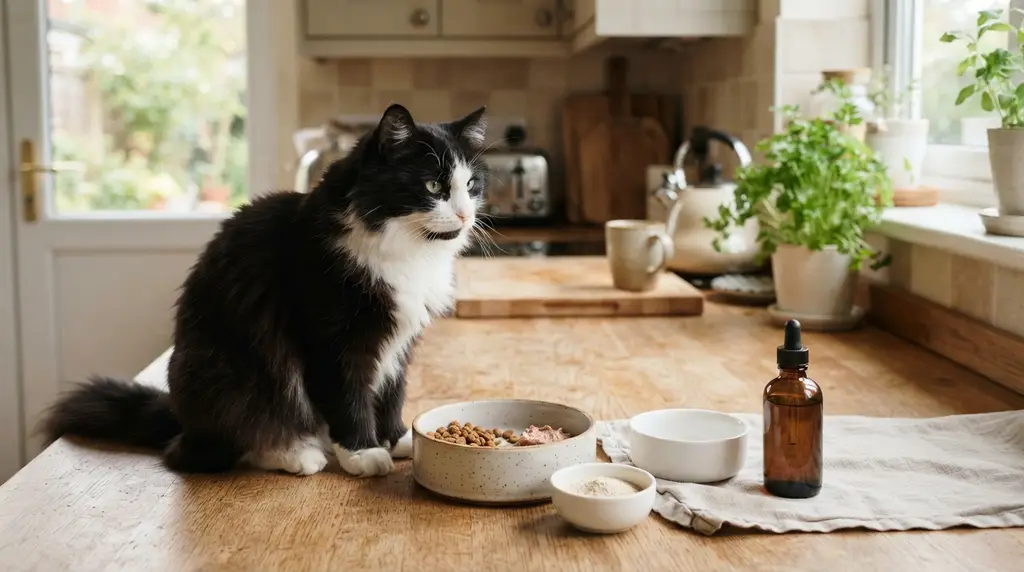
  • Switch to Wet Food or Add Water to Food: Cats need approximately 50-60 ml of water per kilogram of body weight daily. A 4 kg cat needs about 200-240 ml. Dry kibble contains about 10% water, while wet food contains about 75-80%. Switching to wet food directly provides a significant portion of this requirement.
  • Add 1-2 tablespoons of warm water to each meal and mix it in. Using water around 38-40°C (around body temperature) in autumn and winter is often most palatable and enhances aroma. Our picky eaters generally eat more when warm water is added.
  • Choose wet food cans with plenty of broth and a fine texture. If your cat is used to dry food, start by switching one meal a day. For example, use a broth-rich Luxury Functional Cans mixed with a little of their usual kibble as a transition, gradually adjusting the ratio over two weeks to avoid digestive upset.
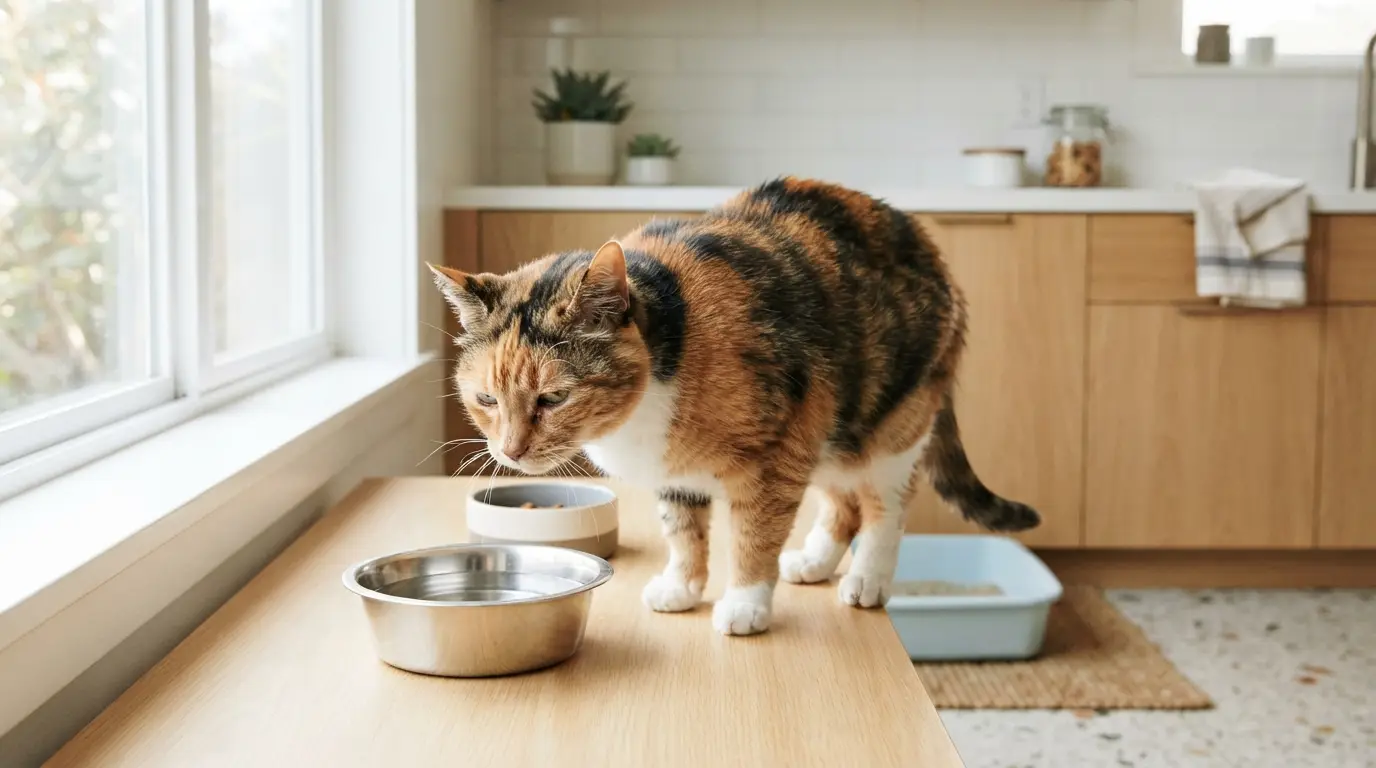
  • Provide one more water bowl than the number of cats, placed in different rooms. Cats dislike drinking near their food. Place water bowls at least half a meter away from food bowls.
  • Use wide, shallow bowls and fill them close to the rim (cats' whiskers dislike touching the bowl sides). Not all cats like running water fountains, and frequent water changes are more critical – change water daily and clean the fountain weekly.

II. Litter Box Environment: Make Them Want to "Finish Urinating"

  • Quantity: Number of cats + 1, distributed across different floors/areas, not all clustered on the balcony.
  • Size: At least 1.5 times the cat's body length (nose to base of tail). Many commercially available boxes are too small for adult cats.
  • Litter Depth: 5-7 cm (2-3 inches). Cats will only stay long enough to fully urinate if they can dig and bury properly.
  • Scoop at least twice daily. Cats with FIC are particularly sensitive to odors and wetness. An unscooped box is enough reason for them to choose the bath mat instead.
  • Adequate Clumping and Odor Control: This allows you to accurately assess urine clump size and prevents cats from stepping on wet litter. We consistently use Odor Control Mineral Litter 3.0 at our hotel because it clumps quickly, has low dust, and allows us to monitor the quantity and size of each cat's urine clumps daily.
  • Do not change litter during an episode. If you wish to change the type of litter, wait until symptoms have completely stabilized for 2 weeks, then gradually mix the new litter with the old. Referring to Cat Litter Recommendations: How to Choose Between Mineral, Tofu, and Wood Litters - Pros, Cons, and Comparison before making a choice is more effective than random trial and error.
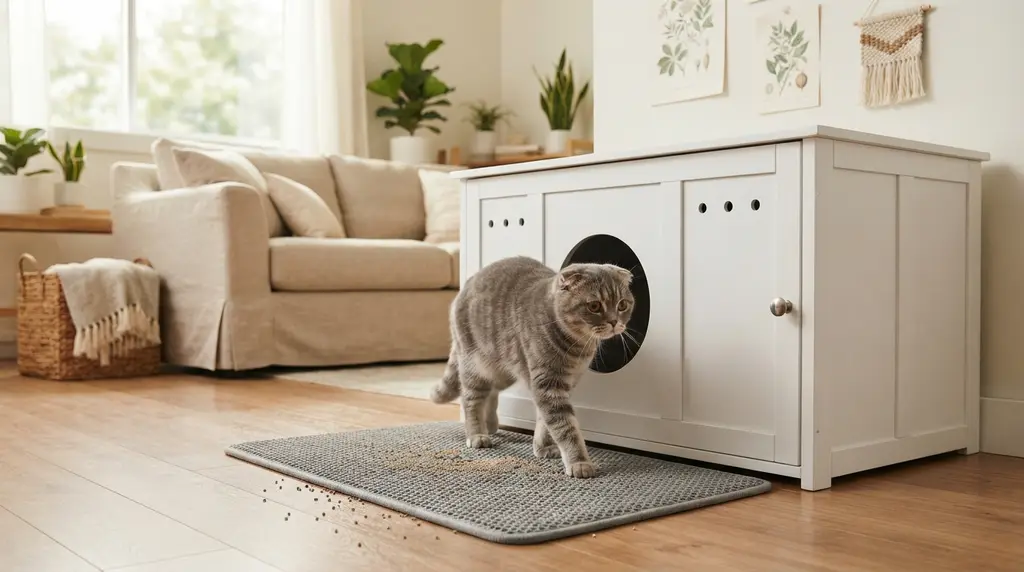
  • Use hooded and automatic litter boxes with caution. Timid cats may feel more stressed in enclosed spaces; the noise of automatic litter box mechanisms can deter sensitive cats from using them altogether.

III. Environmental Stress Reduction: Make the "Unpredictable" Predictable

  • Consistent Routine: Keep feeding, interaction, and lights-out times as regular as possible. A cat's stress often stems from unpredictability.
  • Daily 2 x 10-Minute Hunting Games: Use a wand toy to simulate a bird or mouse, ending with a small portion of food. Increased physical activity can help normalize water intake and urination frequency.
  • Vertical Space and Hiding Spots: Provide at least one elevated vantage point and one den-like hiding place that only the cat can access. In multi-cat households, ensure "every cat can eat and use the litter box without being stared at."
  • Resource Distribution in Multi-Cat Households: Ensure multiple food stations, water bowls, litter boxes, sleeping spots, and scratching posts are spread out to avoid bottlenecks.
  • Autumn/Winter Warmth: Temperature fluctuations are stressors and can discourage cats from leaving warm spots to drink. Place water bowls and litter boxes near their preferred warm resting areas, shortening the distance they need to travel. Indoor temperatures are recommended to be maintained between 22-26°C (72-79°F), avoiding direct drafts on sleeping areas.
  • Pheromone Diffusers can be a helpful supplement but cannot replace improvements in litter box and hydration management.

IV. What About Travel? Special Arrangements for Cats with FIC History

Environmental changes are the primary trigger for FIC. Therefore, cats with a history of FIC require advance planning for boarding or travel: bring their familiar litter and the same type of litter box, pack old clothing with the owner's scent, inform the caregiver in advance to "record urine clump quantity and size daily," and prepare their usual wet food and medications. When we care for cats with FIC history, we meticulously record the daily number and consistency of urine clumps and notify the owner immediately of any abnormalities. If you are comparing care options, Cat Boarding vs. Pet Sitting: A Comprehensive Comparison of Stress, Cost, and Emergency Handling outlines the differences in stress and emergency management. If you are looking for experienced care in New Taipei City, you can directly Book a Stay at Our Cat Hotel in Banqiao to view the facilities and discuss care details.

Can Feline Idiopathic Cystitis Recur? How to Reduce the Chances

Yes, recurrence is common – studies show about half of cats will experience another episode within a year. However, recurrence is not inevitable. Cats that show significantly longer intervals between episodes have almost always implemented the same three things:

1. Consistently maintaining a diet with over 70% moisture content (primarily wet food, or adding water to dry food).

2. Actually changing the number, cleanliness frequency, and location of litter boxes, not just for a week.

3. Identifying and removing the "persistent stressor" – common examples include bullying by another cat, stray cats outside the window, nearby construction, or consistently irregular owner schedules.

Additionally, it's important to note that chronically concentrated urine and insufficient water intake are long-term risk factors for kidney health, not just FIC. If your cat is 7 years or older, consider learning about Why Do Cats Get Kidney Disease? Understanding the 4 Main Causes: Aging, Diet, Dehydration, and Genetics. Make "drinking more water" a lifelong habit.

If symptoms persist for more than 3 days without improvement, or if episodes recur within 1-2 months, return to the vet for a comprehensive imaging and urinalysis re-check. Do not assume "it was like this last time and got better after a few days."

Frequently Asked Questions

Does Feline Idiopathic Cystitis Require Antibiotics?

Most uncomplicated FIC cases do not show bacterial presence, so antibiotics are not the core treatment. Pain relief, increased fluid intake, and environmental stress reduction are key. Whether medication is necessary should be determined by urinalysis and veterinary judgment. Never give your cat old medication.

Does Feline Idiopathic Cystitis Resolve on Its Own?

Symptoms of uncomplicated FIC often resolve within 5-7 days. However, "resolving on its own" does not mean the problem is solved. The recurrence rate within a year is about 50%, and male cats are at risk of fatal obstruction during an episode. Therefore, veterinary consultation is still recommended for confirmation and to initiate recurrence prevention strategies.

How to Differentiate Between Cystitis and Urethral Obstruction?

The key is whether urine is being passed. Cystitis involves frequent urination with small volumes each time. Obstruction is characterized by repeated straining with no urine output, a tense, ball-like lower abdomen, and potentially vomiting and lethargy, requiring emergency care.

Must Cats on Dry Food Only Switch to Wet Food?

Not necessarily a complete switch, but increasing water intake is essential. You can start with one wet food meal per day or add warm water and broth to dry food. The goal is to ensure total daily water intake reaches approximately 50-60 ml per kilogram of body weight.

Can I Change the Litter or Move the Litter Box During Seasonal Changes?

It is not recommended to make changes simultaneously during an episode or peak seasonal stress. If you wish to change the litter type or location, wait until symptoms have stabilized for two weeks. Use a gradual mixing process and offer the old and new options concurrently, typically requiring a 1-2 week transition period.


This article was written by the CatGarden editorial team. The content is for general care information and cannot replace veterinary diagnosis. If your cat is unable to urinate, is vomiting, or appears lethargic, seek immediate veterinary attention.

CatGarden offers curated supplies, cat boarding, and grooming

Book services or shop online.
Back

Blog

What to Do About Feline Idiopathic Cystitis (FIC)? Causes, 5 Early Symptoms, and Seasonal Stress Reduction Guide

CatGarden Editorial TeamPublished 2026/09/02Updated 2026/10/06
Feline Idiopathic CystitisCat Urinary Tract HealthCat Frequent UrinationSeasonal Cat CareCat Stress
What to Do About Feline Idiopathic Cystitis (FIC)? Causes, 5 Early Symptoms, and Seasonal Stress Reduction Guide

Feline Idiopathic Cystitis (FIC) is a bladder condition that causes real inflammation and pain, but without identifiable causes like bacteria, stones, or tumors. It's primarily triggered by stress and environmental changes, often occurring during the cooler, less active months of autumn and winter. If your cat starts using the litter box dozens of times a day, only to produce a few drops each time, or urinates outside the box (like on a bath mat or bed) and cries out afterward, it should be treated as FIC and seen by a vet immediately. For male cats, if they are completely unable to urinate for more than 12 hours, it's a medical emergency – don't wait until tomorrow.

Key Takeaways

  • Feline Idiopathic Cystitis (FIC) accounts for approximately 55-65% of "Feline Lower Urinary Tract Disease" (FLUTD) cases in cats under ten years old, making it the most common cause in this age group. Bacterial infections are often not detected in urine tests for FIC.
  • The typical FIC presentation includes "frequent urination + very small urine volume each time + inappropriate urination outside the litter box + crying or licking the genital area during urination." Cats usually do not have a fever, and their appetite may remain normal.
  • Most uncomplicated FIC cases resolve within 5-7 days, but the recurrence rate within a year can be as high as 50%. Therefore, the focus should always be on "preventing recurrence" rather than just a single course of medication.
  • Male cats have narrower urethras, and FIC complicated by urethral obstruction can be fatal within 24-48 hours due to acute kidney damage and hyperkalemia. "Repeated straining in the litter box with no urine output" is the most critical emergency red flag.
  • Wet food contains about 75-80% water, while dry kibble only has about 10%. Switching the primary diet to wet food is the most effective and easiest way to increase a cat's total water intake.

What is Feline Idiopathic Cystitis? Why is it Called "Idiopathic"?

When veterinarians encounter cats with frequent urination or blood in their urine, they first rule out several possibilities: urinary stones, crystals, bacterial infections, tumors, trauma, and behavioral issues. When these tests (urinalysis, imaging, and bacterial culture if necessary) don't reveal a cause, the condition is classified as "idiopathic cystitis."

"Idiopathic" doesn't mean there's no cause; it means the cause lies within the nervous and stress response systems, not bacteria. The current mainstream understanding is that prolonged chronic stress in cats leads to thinning of the protective inner lining of the bladder (the GAG layer). Components in the urine then directly irritate the nerve endings in the bladder wall, causing inflammation, pain, and sensitive bladder contractions. This results in the cat feeling a constant urge to urinate but only passing small amounts.

This also explains why antibiotics are often ineffective, while reducing stress, increasing water intake, and pain management are the key interventions.

High-Risk Cats

Our observations at the cat hotel align with literature data. The following cats require special attention:

  • Young to middle-aged cats aged 2-7 years (it's not exclusively a disease of older cats)
  • Male cats (narrow urethras put them at higher risk of obstruction during an episode)
  • Cats who are overweight, live in a single indoor environment, and have low activity levels
  • Cats who are timid, highly vigilant, or sensitive to noise
  • Multi-cat households, especially those with underlying tension between cats (resource guarding, one-sided staring)
  • Cats who only eat dry food and rarely drink water

Why Does it Flare Up During Seasonal Changes?

Every year from autumn into winter, we receive the most inquiries about "cats constantly urinating inappropriately or straining in the litter box." The reasons are specific:

1. Direct Decrease in Water Intake. As the weather cools, cats' willingness to drink water significantly drops. Their urine becomes more concentrated and irritating, making the bladder more susceptible to irritation.

2. Increased Activity Intervals and Urine Retention. Cats prefer to stay cozy in blankets or on heating pads, leading to longer periods of holding their urine. Urine staying in the bladder longer can more easily trigger inflammation.

3. Temperature Fluctuations Themselves are Stressors. Daily temperature swings of 8-10°C, switching from air conditioning to heating, or closed windows affecting scent and airflow can all be perceived as "environmental changes" by sensitive cats.

4. Changes in Human Schedules. Back-to-school, increased work hours, year-end business trips, or holiday travel can alter owners' time at home and interaction patterns, increasing the cat's stress. This reason overlaps significantly with the causes of Cat Separation Anxiety: Home Adjustment Tips for Routine Changes After School Resumes, and often the same cats experience issues at different times of the year.

5. Year-End Cleaning, Moving, Furniture Changes, Litter Box Changes. These are often overlooked triggers. Many cases, when traced back, show a minor household change occurring 3-7 days before the onset of symptoms.

What we use for this

CatGarden’s own products, shipped from Taiwan
See all products
Premium CatnipPremium CatnipFrom CA$36.65 per jarFree shipping on multi-packs

5 Early Symptoms: Catching It Before Blood Appears

Most owners become concerned when they see blood in the urine, which is usually on the 2nd or 3rd day of an episode. The following five signs appear earlier:

1. Frequent Litter Box Visits with Little Urine Output

A normal adult cat typically urinates 2-4 times a day, with noticeable urine clumps each time. A cat with FIC might enter the litter box 3-5 times within an hour, leaving behind only a small clump the size of a US dime, or nothing at all. "Increased frequency + decreased volume per urination" is the earliest and most reliable sign.

2. Prolonged Straining or Vocalization During Urination

Staying in the squatting position for a long time, body stiffness, tail twitching, or a low growl or short cry after urinating – these indicate pain. Some cats will immediately jump out of the litter box after urinating, as if shocked.

3. Inappropriate Urination Outside the Litter Box (Especially on Smooth, Cool, or Absorbent Surfaces)

This can occur on bathroom floors, sinks, bath mats, bed sheets, sofas, or owner's clothing. The cat isn't being spiteful; it's associating the pain with the litter box, so it tries a different location. This pattern of "frequent urination and inappropriate urination" differs from why older cats might urinate outside the box due to joint pain. If you have a cat over 10 years old, consider referring to Choosing the Right Litter Box for Senior Cats: Low-Entry Modifications, Inappropriate Urination Troubleshooting, and Arthritis Care Guide for differential diagnosis.

4. Excessive Licking of the Genital Area

Licking can lead to wet or matted fur, or even localized hair loss. This is how cats cope with discomfort in their lower abdomen and often appears before frequent urination.

5. Darker Urine Color, Pinkish Hue, or Strong Odor

This is easier to spot using white litter or by lining the litter box with white paper towels. A pale pink urine clump is usually an early sign of blood in the urine.

> Observation Tip: For three consecutive days, use your phone to record the time, number of litter box visits, and urine clump size (compare with a coin). This record will be ten times more useful to your veterinarian than a verbal description like "he seems to be going to the bathroom a lot."

When to Rush to the Emergency Room Immediately

Consider the following situations as emergencies. Do not observe, do not wait for the next day's appointment:

  • Repeated straining in the litter box with no urine output for over 8-12 hours (especially dangerous for male cats).
  • The lower abdomen feels hard like a ball, tense, and the cat cries out when touched.
  • The cat starts vomiting, loses appetite completely, becomes lethargic, and hides.
  • Large amounts of blood or blood clots in the urine.
  • Low body temperature (below 37.5°C or 99.5°F) or a clear fever. For correct temperature measurement methods and dangerous ranges, refer to What to Do If Your Cat Has a Fever? Normal Temperature, How to Measure, and Danger Signs Explained.

Urethral obstruction prevents the excretion of toxins and potassium, which can lead to acute kidney damage and cardiac arrhythmias within 24-48 hours. This is one of the few feline conditions where "hours can determine life or death."

What to Expect at the Vet: Prepare Yourself

  • Urinalysis: To check for red blood cells, white blood cells, pH, crystals, and specific gravity. FIC often shows high urine specific gravity (indicating concentrated urine).
  • Abdominal Ultrasound or X-ray: To rule out stones, tumors, or bladder wall thickening.
  • Bacterial Culture (if necessary): To confirm if an infection is present.
  • Treatment Approach: Pain relief (crucial, as FIC is painful), anti-anxiety medication or bladder relaxants if needed, significantly increasing fluid intake, and environmental adjustments. Uncomplicated FIC typically does not require antibiotics.

Do not self-medicate with human pain relievers (especially those containing acetaminophen or NSAIDs), as they are toxic to cats. Also, do not delay seeking emergency care based on the belief that "drinking more will fix it," especially if obstruction is suspected.

Home Stress Reduction and Recurrence Prevention: A Checklist You Can Follow

The key to managing FIC is reducing urine concentration + reducing stress + making urination a comfortable experience. Here are the adjustments we make at our facility for cats with a history of FIC:

I. Increase "Total Water Content" (Most Important)

  • Switch to Wet Food or Add Water to Food: Cats need approximately 50-60 ml of water per kilogram of body weight daily. A 4 kg cat needs about 200-240 ml. Dry kibble contains about 10% water, while wet food contains about 75-80%. Switching to wet food directly provides a significant portion of this requirement.
  • Add 1-2 tablespoons of warm water to each meal and mix it in. Using water around 38-40°C (around body temperature) in autumn and winter is often most palatable and enhances aroma. Our picky eaters generally eat more when warm water is added.
  • Choose wet food cans with plenty of broth and a fine texture. If your cat is used to dry food, start by switching one meal a day. For example, use a broth-rich Luxury Functional Cans mixed with a little of their usual kibble as a transition, gradually adjusting the ratio over two weeks to avoid digestive upset.
  • Provide one more water bowl than the number of cats, placed in different rooms. Cats dislike drinking near their food. Place water bowls at least half a meter away from food bowls.
  • Use wide, shallow bowls and fill them close to the rim (cats' whiskers dislike touching the bowl sides). Not all cats like running water fountains, and frequent water changes are more critical – change water daily and clean the fountain weekly.

II. Litter Box Environment: Make Them Want to "Finish Urinating"

  • Quantity: Number of cats + 1, distributed across different floors/areas, not all clustered on the balcony.
  • Size: At least 1.5 times the cat's body length (nose to base of tail). Many commercially available boxes are too small for adult cats.
  • Litter Depth: 5-7 cm (2-3 inches). Cats will only stay long enough to fully urinate if they can dig and bury properly.
  • Scoop at least twice daily. Cats with FIC are particularly sensitive to odors and wetness. An unscooped box is enough reason for them to choose the bath mat instead.
  • Adequate Clumping and Odor Control: This allows you to accurately assess urine clump size and prevents cats from stepping on wet litter. We consistently use Odor Control Mineral Litter 3.0 at our hotel because it clumps quickly, has low dust, and allows us to monitor the quantity and size of each cat's urine clumps daily.
  • Do not change litter during an episode. If you wish to change the type of litter, wait until symptoms have completely stabilized for 2 weeks, then gradually mix the new litter with the old. Referring to Cat Litter Recommendations: How to Choose Between Mineral, Tofu, and Wood Litters - Pros, Cons, and Comparison before making a choice is more effective than random trial and error.
  • Use hooded and automatic litter boxes with caution. Timid cats may feel more stressed in enclosed spaces; the noise of automatic litter box mechanisms can deter sensitive cats from using them altogether.

III. Environmental Stress Reduction: Make the "Unpredictable" Predictable

  • Consistent Routine: Keep feeding, interaction, and lights-out times as regular as possible. A cat's stress often stems from unpredictability.
  • Daily 2 x 10-Minute Hunting Games: Use a wand toy to simulate a bird or mouse, ending with a small portion of food. Increased physical activity can help normalize water intake and urination frequency.
  • Vertical Space and Hiding Spots: Provide at least one elevated vantage point and one den-like hiding place that only the cat can access. In multi-cat households, ensure "every cat can eat and use the litter box without being stared at."
  • Resource Distribution in Multi-Cat Households: Ensure multiple food stations, water bowls, litter boxes, sleeping spots, and scratching posts are spread out to avoid bottlenecks.
  • Autumn/Winter Warmth: Temperature fluctuations are stressors and can discourage cats from leaving warm spots to drink. Place water bowls and litter boxes near their preferred warm resting areas, shortening the distance they need to travel. Indoor temperatures are recommended to be maintained between 22-26°C (72-79°F), avoiding direct drafts on sleeping areas.
  • Pheromone Diffusers can be a helpful supplement but cannot replace improvements in litter box and hydration management.

IV. What About Travel? Special Arrangements for Cats with FIC History

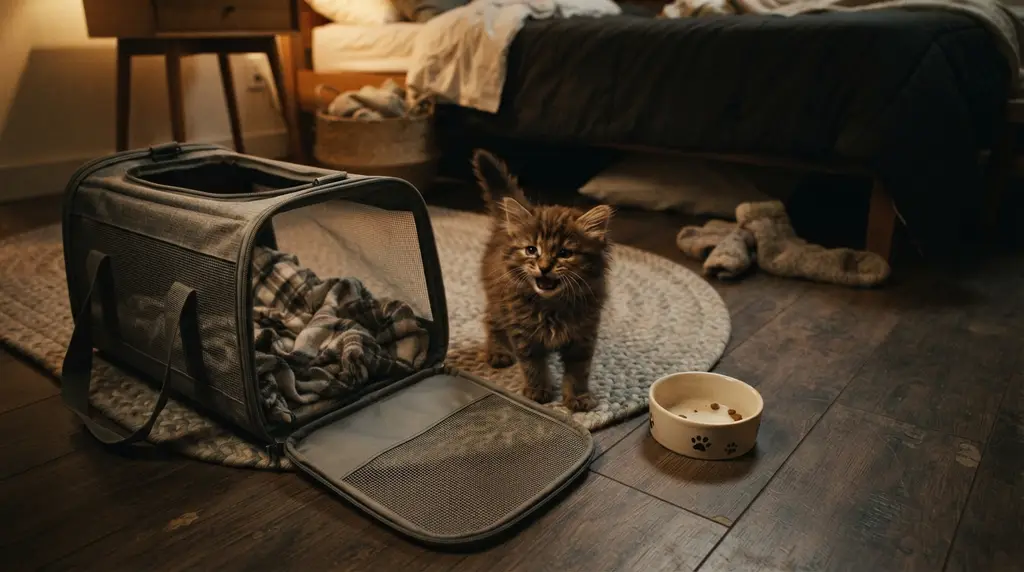
Environmental changes are the primary trigger for FIC. Therefore, cats with a history of FIC require advance planning for boarding or travel: bring their familiar litter and the same type of litter box, pack old clothing with the owner's scent, inform the caregiver in advance to "record urine clump quantity and size daily," and prepare their usual wet food and medications. When we care for cats with FIC history, we meticulously record the daily number and consistency of urine clumps and notify the owner immediately of any abnormalities. If you are comparing care options, Cat Boarding vs. Pet Sitting: A Comprehensive Comparison of Stress, Cost, and Emergency Handling outlines the differences in stress and emergency management. If you are looking for experienced care in New Taipei City, you can directly Book a Stay at Our Cat Hotel in Banqiao to view the facilities and discuss care details.

Can Feline Idiopathic Cystitis Recur? How to Reduce the Chances

Yes, recurrence is common – studies show about half of cats will experience another episode within a year. However, recurrence is not inevitable. Cats that show significantly longer intervals between episodes have almost always implemented the same three things:

1. Consistently maintaining a diet with over 70% moisture content (primarily wet food, or adding water to dry food).

2. Actually changing the number, cleanliness frequency, and location of litter boxes, not just for a week.

3. Identifying and removing the "persistent stressor" – common examples include bullying by another cat, stray cats outside the window, nearby construction, or consistently irregular owner schedules.

Additionally, it's important to note that chronically concentrated urine and insufficient water intake are long-term risk factors for kidney health, not just FIC. If your cat is 7 years or older, consider learning about Why Do Cats Get Kidney Disease? Understanding the 4 Main Causes: Aging, Diet, Dehydration, and Genetics. Make "drinking more water" a lifelong habit.

If symptoms persist for more than 3 days without improvement, or if episodes recur within 1-2 months, return to the vet for a comprehensive imaging and urinalysis re-check. Do not assume "it was like this last time and got better after a few days."

Frequently Asked Questions

Does Feline Idiopathic Cystitis Require Antibiotics?

Most uncomplicated FIC cases do not show bacterial presence, so antibiotics are not the core treatment. Pain relief, increased fluid intake, and environmental stress reduction are key. Whether medication is necessary should be determined by urinalysis and veterinary judgment. Never give your cat old medication.

Does Feline Idiopathic Cystitis Resolve on Its Own?

Symptoms of uncomplicated FIC often resolve within 5-7 days. However, "resolving on its own" does not mean the problem is solved. The recurrence rate within a year is about 50%, and male cats are at risk of fatal obstruction during an episode. Therefore, veterinary consultation is still recommended for confirmation and to initiate recurrence prevention strategies.

How to Differentiate Between Cystitis and Urethral Obstruction?

The key is whether urine is being passed. Cystitis involves frequent urination with small volumes each time. Obstruction is characterized by repeated straining with no urine output, a tense, ball-like lower abdomen, and potentially vomiting and lethargy, requiring emergency care.

Must Cats on Dry Food Only Switch to Wet Food?

Not necessarily a complete switch, but increasing water intake is essential. You can start with one wet food meal per day or add warm water and broth to dry food. The goal is to ensure total daily water intake reaches approximately 50-60 ml per kilogram of body weight.

Can I Change the Litter or Move the Litter Box During Seasonal Changes?

It is not recommended to make changes simultaneously during an episode or peak seasonal stress. If you wish to change the litter type or location, wait until symptoms have stabilized for two weeks. Use a gradual mixing process and offer the old and new options concurrently, typically requiring a 1-2 week transition period.


This article was written by the CatGarden editorial team. The content is for general care information and cannot replace veterinary diagnosis. If your cat is unable to urinate, is vomiting, or appears lethargic, seek immediate veterinary attention.

One email a month of cat-care tips

Hand-picked care, behavior and grooming tips once a month. Subscribe and we will send you our three most-read articles right away.

Keep reading