Is Corn Cat Litter Good? 5 Things to Consider Before Switching from Clay Litter
What is corn cat litter? How does it differ from tofu litter and clay litter? Corn cat litter is made from corn fiber, corn cobs, or related plant-based materials, often promoted for being lighter, having less dust, and being easier to clean.
Key Takeaways
- Corn cat litter is a type of plant-based litter made from corn fiber, corn cobs, or related plant materials. It's often promoted for being lighter, having less dust, and being easier to clean.
- When switching from clay litter to corn litter, a 7-day mixing method is recommended: Days 1-2, use about 80% old litter and 20% new litter; Days 3-4, adjust to 60% old and 40% new; Days 5-6, increase the proportion of new litter.
- If corn litter is not sealed after opening, it can absorb moisture, clump, and develop odors in Taiwan's rainy, typhoon-prone, and high-humidity environment. It's recommended to transfer it to a lidded storage bin and keep it in a cool, dry place.
- During the transition, observe three things: litter box frequency, urine clump location, and stool consistency. Continue observing for 1-2 weeks; don't judge solely based on the first day's impression.
- The ideal number of litter boxes is at least one more than the number of cats. When transitioning multiple cats, it's recommended to keep one box with the original litter type and another to test the new litter.
What is Corn Cat Litter? How Does It Differ from Tofu Litter and Clay Litter?
Corn cat litter is made from corn fiber, corn cobs, or related plant-based materials. It's often promoted for being lighter, having less dust, and being easier to clean. For owners living in small urban apartments in Taiwan, the differences in litter weight, scooping, and waste volume are noticeable daily. It's typically a type of plant-based litter, but different brands vary significantly in granule size, scent, clumping ability, and odor control design.
Compared to tofu litter, corn litter generally has a finer texture or resembles natural granules, but this also depends on the formula and granule type. Tofu litter is mostly strip or pellet-shaped, with the advantage of being easy to scoop and identify urine clumps. Clay litter, on the other hand, has a texture similar to sand or soil, which many cats accept readily. However, its weight, dust, and tracking issues are frequently discussed. If your cat has been using clay litter long-term, don't just consider what's convenient for the owner during the switch; observe whether the cat is willing to use the litter box.
Advantages of Corn Cat Litter: Texture, Dust, Weight, and Ease of Cleaning
Many owners consider corn litter primarily because its dust level is relatively controllable. Homes in Taiwan often have limited ventilation. If the litter box is placed in the bathroom, balcony, or a living room corner, dust can affect the cleanliness of floors, furniture, and the area around your cat's nose and mouth. Low dust doesn't mean no dust, but it's usually better than some clay litters for households sensitive to dust or those who don't want to wipe around the litter box daily.
The second advantage is its lighter weight, which is practical for families living in apartments without elevators or those who need to replenish a lot of litter at once. When scooping, urine clumps may not be as heavy as with clay litter, making trash bags less likely to become excessively heavy. If you need to move, clean, or completely replace the litter in your litter boxes regularly, the lightness of plant-based litter makes daily maintenance much easier.
Texture and Tracking Should Also Be Considered
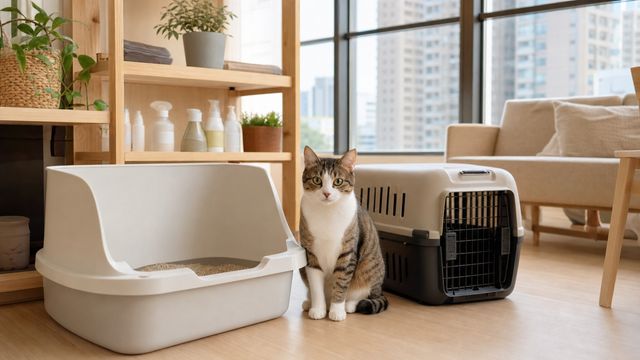
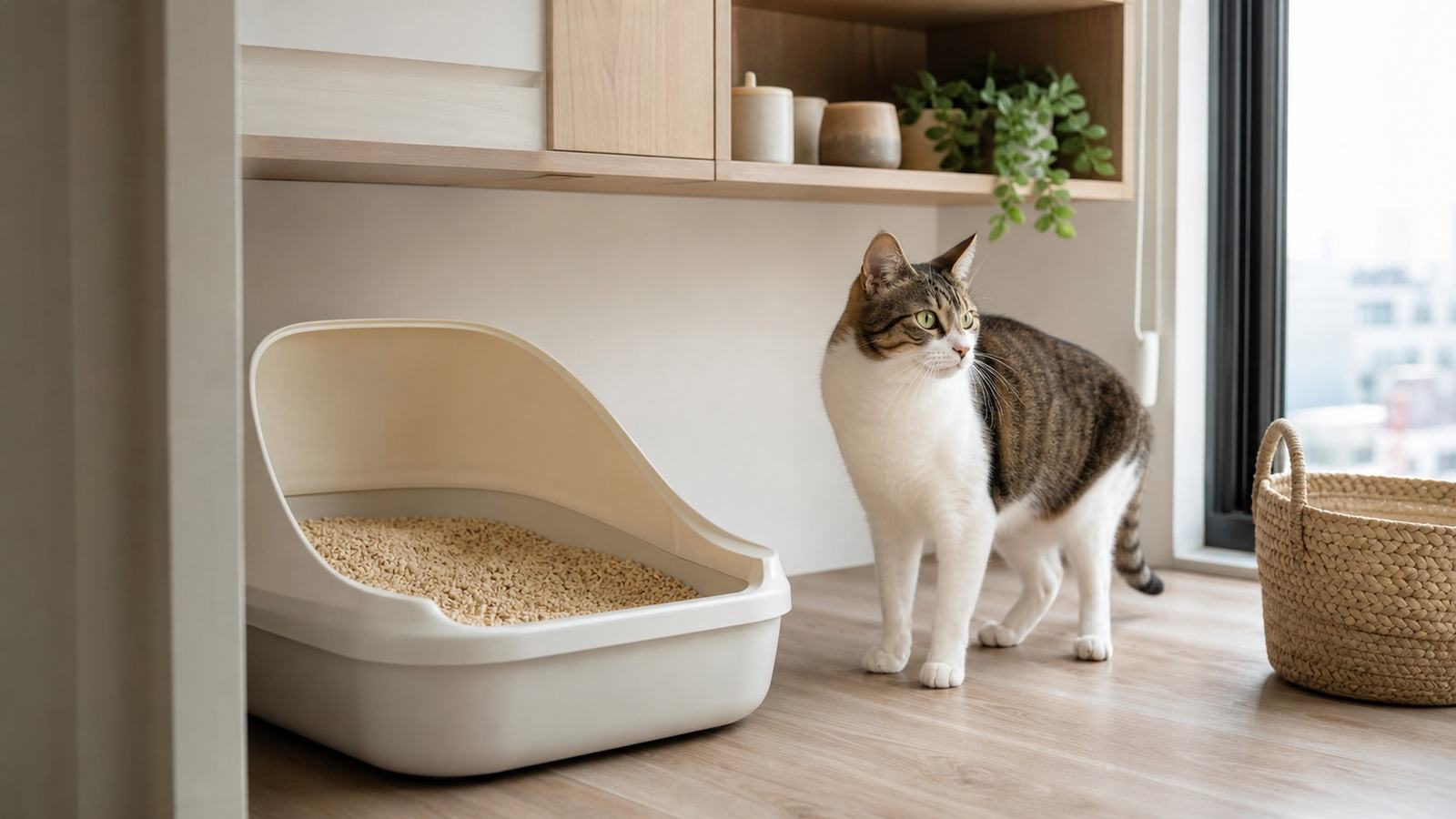
Some cats prefer fine granules because they feel more like natural soil underfoot; others may hesitate due to different granule scents or textures. When choosing, it's best to buy a small package for testing first and avoid stocking up in large quantities initially. Regarding tracking, fine granules might be more easily carried out of the litter box. Using a litter mat, a covered litter box, or a high-sided litter box can help manage this better.
What we use for this
CatGarden’s own products, shipped from Taiwan Quick-Dry Pet TowelFrom CA$49.35 per pieceFree shipping on multi-packs
Disadvantages of Corn Cat Litter: Humidity, Clumping Ability, and Cat Acceptance
Taiwan experiences high humidity during the rainy season, typhoon season, and summer. One of the biggest risks for plant-based cat litter is storage. If corn litter is not sealed after opening, it can absorb moisture, clump, develop odors, and even affect its dryness during use. It's recommended to transfer it to a lidded storage bin after opening and keep it in a cool, dry place, away from damp areas like bathrooms or places where rain might splash from the balcony.
Clumping ability is another key aspect to test. Some formulas clump quickly, forming solid urine clumps that are easy to scoop cleanly. However, with some brands, if a cat has a large urine output, the litter might stick to the bottom of the pan, form loose clumps, or leave fragments behind. If your cat has soft stools, a large urine output, or if you don't scoop the litter box frequently, it's even more crucial to observe for 1-2 weeks before use, rather than judging solely on the first day's impression.
Scent Isn't Always Better
Plant-based litters can sometimes have a natural raw material scent, and some products may also add fragrance. While fragrance might seem clean to humans, cats have a much more sensitive sense of smell. Overly strong scents might deter them from approaching the litter box. It's advisable to prioritize products with mild scents and clearly indicated odor control methods, then use your cat's actual litter box behavior to decide whether to continue using it.
How to Switch from Clay Litter to Corn Litter? Observe with 7-Day Mixing
If your cat is currently using clay litter, it's not recommended to switch the entire litter box at once. A more stable approach is to use a 7-day mixing method to help your cat gradually adapt to the new scent and texture. For the first two days, use about 80% of the original clay litter and 20% of the new corn litter. On days three and four, adjust to 60% old and 40% new. On days five and six, further increase the proportion of new litter, observing whether your cat uses the litter box normally.
During the transition, pay attention to three things: litter box frequency, urine clump location, and stool consistency. If your cat starts pacing around the litter box, entering and then jumping out, or begins to eliminate on mats, bedsides, or in bathroom corners, it indicates they may not accept the new litter. In such cases, do not scold your cat. Revert to the previous mixing ratio or keep one litter box with the original clay litter as a safe option.
Litter Box Quantity and Cleaning Frequency Also Affect Success Rate
Multi-cat households require a slower transition, as each cat has different litter preferences. Ideally, the number of litter boxes should be at least one more than the number of cats. When transitioning, keep one box with the original litter type and another to test the new litter. Scooping and replenishing the litter daily will help you accurately determine if the litter itself is unsuitable or if the litter box is too dirty, causing the cat to reject it.
Which Households Are Suitable for Corn Litter? Multi-Cat, Soft Stool, and Small Apartment Owners Should Consider This
For small apartment owners concerned about litter weight, dust, and daily cleaning, corn litter can be a consideration. Especially when the litter box is placed in a common indoor area, low dust, lighter waste weight, and easier-to-manage urine clumps can significantly improve quality of life. However, small apartments often have ventilation and humidity issues, so proper storage is essential; otherwise, the quality degradation after opening will be very noticeable.
Multi-cat households need to evaluate costs, clumping ability, and cleaning frequency more pragmatically. More cats mean increased urine, stool, and litter digging, which can lead to faster odor buildup if the litter doesn't clump firmly, leaving fragments behind. For cats with soft stools, check if the granules easily stick to their feces and if clean litter is carried away during scooping. These factors affect the long-term usage cost.
Simple Criteria for Suitability and Unsuitability
- Suitable: Households wanting to reduce dust, prefer lighter cat litter, and are willing to scoop daily.
- Suitable: Owners living in small urban apartments, with litter boxes indoors, who need to reduce cleaning burden.
- Requires Observation: Households with multiple cats, large urine output, soft stools, or cats that are very sensitive to litter changes.
- Not Recommended for Urgent Switching: Cats that have previously urinated inappropriately due to litter changes, are currently ill, or have just moved.
FAQ
There is no absolute standard for choosing cat litter. The key is that the cat is willing to use it, the owner can clean it consistently, and it meets the household's humidity and space conditions. Here are some common questions from Taiwanese owners to help you quickly check before purchasing.
If your cat experiences frequent urination, bloody urine, straining to urinate, painful urination, or significant inappropriate urination after a litter change, do not solely attribute it to the litter being unsuitable. These symptoms may be related to urinary tract issues or stress, and it's recommended to consult a veterinarian as soon as possible.
Can Corn Cat Litter Be Flushed Down the Toilet?
It is not recommended to flush large quantities down the toilet just because the packaging says it's flushable. Taiwan's residential plumbing, older building drainage systems, and community regulations vary. Even plant-based litter can pose a risk of clogging. A more conservative approach is to dispose of urine clumps and feces as regular trash, following local waste disposal regulations.
Can Corn Cat Litter Grow Molds or Attract Pests?
Plant-based materials can be susceptible to moisture absorption, odors, or pests in high-temperature, humid environments if not stored properly. Seal the bag after opening and avoid placing it near bathrooms, washing machines, or damp balcony areas. If you detect a sour or moldy smell, or notice abnormal clumping, do not use it for your cat.
What If My Cat Doesn't Accept the New Litter?
Revert to a ratio that your cat is willing to use and keep one box of their original, familiar litter. The transition speed can be extended from 7 days to 2 weeks; there's no need to force your cat to adapt. If your cat has already started urinating inappropriately, address the source of stress and clean the environment first, then reassess whether to continue the transition.
Is Corn Litter Suitable for Multi-Cat Households?
Yes, but it depends on its clumping ability, odor control, and scooping frequency. For multi-cat households, it's recommended to test with one box first and avoid changing all litter boxes simultaneously. If urine clumps easily break apart, odors accumulate quickly, or if one cat clearly rejects it, you may need to switch brands, mix it with other litter types, or return to your original, more stable choice.
CTA: If you are evaluating cat litter, litter boxes, litter mats, or daily cleaning supplies for your cat, consider your cat's preferred texture, your home's humidity, and your cleaning frequency. CatGarden offers a variety of practical cat supplies suitable for Taiwanese owners looking to improve their litter box environment and reduce dust and tracking issues. Don't aim for perfection immediately; start with a combination of small packages, easy-to-clean options, and what your cat accepts. This will be more reassuring than blindly stocking up.
Further Reading
- Does Your Cat Need a Grooming Session Before Summer Boarding? Read This Before Booking
- How to Choose a Cat Groomer? What to Look for Before Booking: Technique, Communication, and Cat Stress Signals
- Can Owners Wait Nearby During Cat Grooming? Consider Waiting Areas, Workflow, and Cat Stress
Frequently Asked Questions
Can Corn Cat Litter Be Flushed Down the Toilet?
It is not recommended to flush large quantities down the toilet just because the packaging says it's flushable. Even plant-based litter can pose a risk of clogging. A more conservative approach is to dispose of urine clumps and feces as regular trash, following local waste disposal regulations.
Can Corn Cat Litter Grow Molds or Attract Pests?
Plant-based materials can be susceptible to moisture absorption, odors, or pests in high-temperature, humid environments if not stored properly. Seal the bag after opening and avoid placing it near bathrooms, washing machines, or damp balcony areas. If you detect a sour or moldy smell, or notice abnormal clumping, do not use it for your cat.
What If My Cat Doesn't Accept the New Litter?
Revert to a ratio that your cat is willing to use and keep one box of their original, familiar litter. The transition speed can be extended from 7 days to 2 weeks. If your cat has already started urinating inappropriately, address the source of stress and clean the environment first, then reassess whether to continue the transition.
Is Corn Litter Suitable for Multi-Cat Households?
Yes, but it depends on its clumping ability, odor control, and scooping frequency. It's recommended to test with one box first and avoid changing all litter boxes simultaneously. If urine clumps easily break apart, odors accumulate quickly, or if one cat clearly rejects it, you may need to switch brands, mix it with other litter types, or return to your original, more stable choice.
What Should I Do If My Cat Shows Frequent Urination or Bloody Urine After a Litter Change?
If your cat experiences frequent urination, bloody urine, straining to urinate, painful urination, or significant inappropriate urination after a litter change, do not solely attribute it to the litter being unsuitable. These symptoms may be related to urinary tract issues or stress, and it's recommended to consult a veterinarian as soon as possible.
CatGarden offers curated supplies, cat boarding, and grooming
Book services or shop online.