Blog
Why Do Cats Like to Lie on People and Sleep Clingy? Understanding Trust, Warmth, and Territory
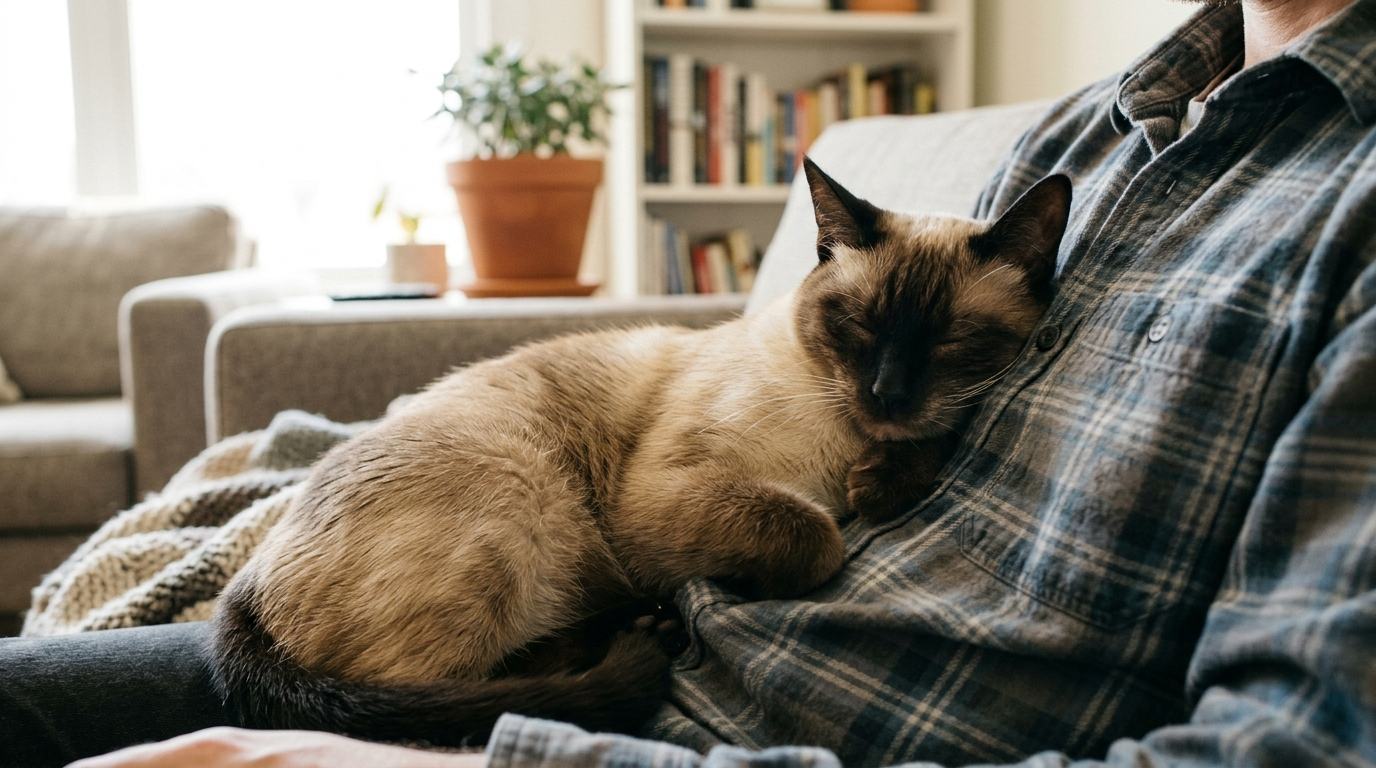
The core reason cats like to lie on people is that they trust you, consider your body their safest territory, and your body temperature is their most comfortable source of warmth. This isn't a calculated move for food; it's an emotional expression of a cat willing to show you its most vulnerable posture—especially if they purr, knead, or expose their belly while on you, which signals a high degree of security.
At CatBackyard's cattery, we observe the evolving distance cats maintain with "people" daily. Newly arrived cats often hide in corners, only venturing closer after a few days, eventually resting on a caregiver's lap. This process makes it clear: a cat lying on a person is the result of accumulated trust, not an innate behavior.
Key Takeaways
- Cats lie on people for three main reasons: trust (security), seeking warmth (your body temperature of 36–37°C is a comfortable heat source), and territorial marking (scenting you as "mine").
- A cat's normal body temperature is around 38–39.2°C, higher than humans. They naturally prefer resting in warm places, and our bodies act as mobile heaters.
- A cat willing to lie on you, even exposing its belly, is a sign of high trust, as they are showing you their most vulnerable parts, not just seeking affection.
- A cat's clinginess is influenced by breed, personality, early socialization, and life changes. A sudden increase or decrease in clinginess can signal discomfort.
- If clinginess is accompanied by decreased appetite, hiding, changes in vocalization, or abnormal body temperature, it's important to monitor their health and consult a vet.
Why Do Cats Like to Lie on People? Three Core Reasons
1. Trust: Entrusting You With Their Most Vulnerable Posture
Cats are both predators and prey, so safety is paramount when they rest. When lying on a person, their back, belly, and hind legs are in a position that makes immediate escape difficult—this signifies they've assessed "this person won't harm me."
We often look at a few details to gauge a cat's level of trust in our facility:
- Exposing their belly or lying on their side: Showing their soft abdomen or lying on their side is a high sign of trust.
- Burying their face or closing their eyes: They only sleep with their eyes closed when they've completely let down their guard.
- Relaxed tail posture: Not tucked tightly or flicking rapidly.
This behavior of "lying on the belly" or "sleeping on the chest," much like the distance they choose to sleep near you, holds the key to their affection. For a more comprehensive understanding, you can read our related articles on What Does Your Cat's Sleeping Position Mean? Decoding Sleep Postures, Locations, and Affection and What Secrets Do Cat Sleeping Positions Hold? Decoding Trust Levels from Sleeping Near You to by the Door.
2. Seeking Warmth: Your Body Temperature is the Most Comfortable Heater
A cat's normal body temperature is around 38–39.2°C, higher than humans. They naturally prefer to maintain a warm state, which is why they actively seek out warm places to rest. Human skin temperature is about 33–35°C, making us just right for them to lie on; this is even more apparent in winter, with many owners reporting their cats become "super clingy when it gets cold."
This also explains why some cats love to lie on your chest, lap, or under blankets—these are areas where the body generates heat and maintains a stable temperature. For insights into a cat's sensitivity to temperature, refer to What is a Normal Cat Body Temperature? A Complete Guide from Paws and Ears to Rectal Temperature Readings.
However, conversely, if a cat is still crowding you in the summer, panting, and sticking its tongue out, it might be heatstroke, not just seeking warmth. During hot weather, it's advisable to provide cooling environments and avoid prolonged stuffiness for your cat.
3. Territorial Marking: Scenting You as "Mine"
Cats have scent glands on their cheeks, chin, and paw pads. When they rub against you or knead on you, they are actually leaving their scent on you, declaring "this person is my territory."
This is the same logic behind why cats love to squeeze into cardboard boxes or create their own small spaces—it's all about establishing a sense of security and territory. For further reading, check out Why Do Cats Love Cardboard Boxes and Hiding in Them? Understanding Security, Hunting Instincts, and Cooling Needs.
If they knead or even gently bite while lying on you, it's often a mixed signal of comfort reflexes from kittenhood. We delve deeper into this in our article on Why Do Cats Knead and Tread?.
Reasons for Cat Clinginess: Why Do Some Cats Love Lying on People So Much?
Not all cats enjoy lying on people; their level of clinginess is influenced by several factors:
- Early Socialization: Cats that have sufficient positive contact with humans between two and seven weeks old tend to be more affectionate as adults.
- Breed and Personality Tendencies: Certain coat colors and breeds are generally more cuddly. For instance, the personality of cream tabby cats, which we often discuss, tends to be gentle and affectionate. In contrast, the common Taiwanese "Dragon Li" or mixed-breed cats show significant individual variation.
- Need for Security: A cat that has recently moved, experienced new additions to the household, or undergone a move might become more clingy to seek comfort.
- Age: Kittens and senior cats are often more dependent on people than adult cats.
What's the Difference Between "Lying on a Person," "Kneading," and "Sleeping Nearby"?
Many owners confuse these behaviors, but they convey distinct messages:
- Lying on a Person: Emphasizes "using your body as a base," combining trust, warmth-seeking, and territorial marking.
- Kneading: Leans more towards emotional comfort and infantile reflexes.
- Sleeping Near You at a Certain Distance: Reflects their "level" of trust in you and their need for personal space.
So, when a cat progresses from "sleeping by your feet" to "lying directly on your chest," it usually signifies a deeper bond between you.
When Should "Clinginess" Raise a Red Flag?
Clinginess is generally positive, but sudden behavioral changes are the key indicators. At our cattery, we pay close attention to these situations:
- Alternating between extreme clinginess and hiding: This could indicate pain or discomfort, prompting them to seek security.
- Constant lying down, decreased appetite: Coupled with lethargy, this could signal illness.
- Lying on you but constantly licking a specific area: This might point to skin issues or pain. You can refer to Is Excessive Licking of Front Paws Normal for Cats?.
- Fast breathing or open-mouth panting while lying down: Especially in summer, this could be heatstroke or cardiopulmonary issues.
Cats are adept at hiding pain; often, "behavioral changes" reveal problems before physical symptoms do. If clinginess is accompanied by significant changes in appetite, energy levels, elimination, or body temperature that don't improve within a day or two, please consult a veterinarian promptly.
Manager's Practical Tips: Want Your Cat to Lie on You More?
1. Don't Disrupt Their Sense of Security: When your cat lies on you, try not to move suddenly or make loud noises. This teaches them that "lying on you equals safety."
2. Establish Regular Relaxation Times: Consistent daily companionship builds trust.
3. Provide Warm, Retractable Spaces: Cats like comfortable spots they can leave at any time; avoid forcing cuddles.
4. Respect Their Emotional Boundaries: Some cats become restless or even hyperactive after lying down for a bit. In such cases, stop interacting and don't overstimulate them. For related information, see Why Do Cats Suddenly Attack Their Owners?.
If your cat is heavily furred and sheds a lot on you, regular grooming and supplements can help, especially during shedding season. Consider using Pro Hairball Control Powder to reduce the burden of hairballs from grooming. You can also explore other daily necessities in our Shop.
When you're away and can't have your clingy cat constantly on you, choosing a stable boarding environment is crucial. This is why we emphasize the trust-building process for our boarding cats. Feel free to consult How to Choose Cat Boarding in Banqiao? or Book Boarding directly when needed.
Frequently Asked Questions
What does it mean when my cat lies on my stomach?
The stomach is the warmest part of the body and has a regular rhythm of movement. A cat lying on your stomach usually combines seeking warmth with a high level of security, indicating they are very relaxed and trust you deeply.
Is it a sign of illness if my cat suddenly becomes very clingy and lies on me constantly?
Not necessarily, but it's worth monitoring. If it's just due to colder weather or environmental changes, it's normal. However, if it's accompanied by poor appetite, hiding, lethargy, or abnormal breathing, it could indicate discomfort. It's advisable to observe for a day or two and seek veterinary attention if concerns persist.
Why does my cat only like to lie on one specific person?
Cats choose people whose scent is familiar, whose behavior is stable, and who provide them with a sense of security. This is often the primary caregiver or the person who least startles them. This is a cat's preference based on trust and doesn't mean they don't like other family members.
Can I pet my cat while they are lying on me?
You can gently pet their head or chin, areas they enjoy being touched. However, avoid touching their belly or making sudden movements. If their tail starts flicking or their ears flatten, it means they want to rest, and you should stop.
If my cat lies on me in the summer, could they overheat?
Cats lying on people are mostly seeking warmth. However, if your cat is panting, breathing with its mouth open, or feels unusually hot in the summer, it's not just about warmth. You should immediately cool them down and watch for signs of heatstroke. In severe cases, seek emergency veterinary care.
---
*This article was written by the CatBackyard editorial team, combining knowledge of cat behavior with hands-on experience from our cattery. If your cat exhibits persistent or severe health abnormalities, please consult a veterinarian for diagnosis.*
每月一封,精選養貓照護、住宿美容小知識與新品,不塞爆你的信箱。
Keep reading
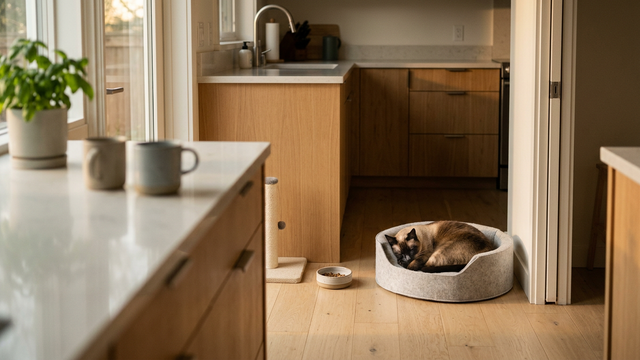
What Does Your Cat's Sleeping Spot Reveal? Decoding Trust from Sleeping Beside You to at the Door
The closer your cat sleeps to you, the higher its trust usually is. Sleeping by your pillow or on your chest signifies deep dependence, while sleeping at your feet indicates comfort with a bit of distance. Sleeping by the door often suggests alertness or territorial guarding.
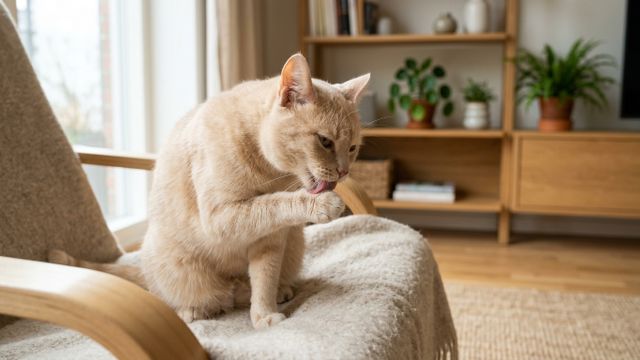
Is it Normal for Cats to Lick Their Paws, and Why Do They Lick Their Front Legs Constantly? Understanding Grooming, Anxiety, and Skin Conditions
Cats licking their paws is usually normal grooming behavior. However, if a cat constantly licks the same front paw, leading to hair loss, redness, or swelling, or if accompanied by behavioral changes, it could signal anxiety, pain, or a skin condition.
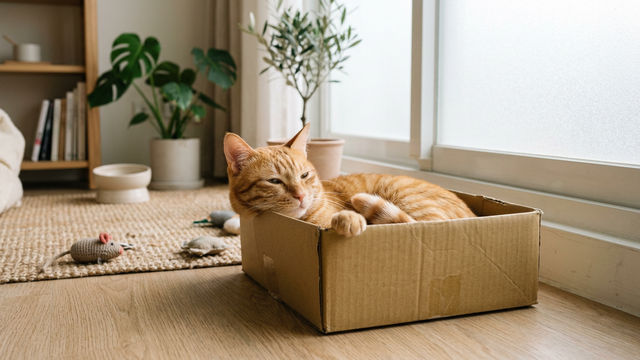
Why Do Cats Love Cardboard Boxes and Hiding in Them? Understanding Security, Hunting Instincts, and Cooling Needs
The core reason cats love cardboard boxes is "security"—the narrow, enclosed space makes them feel protected. Combined with their ambush hunting instincts and need to regulate body temperature in summer, boxes are almost the perfect hiding spot for cats.
