Complete Guide to Tabby Cats: Patterns, Personalities, and Care Essentials
Tabby is actually a coat pattern, not a breed, and most tabbies are friendly and stable. This article will help you understand the different tabby patterns, the differences between orange and silver tabbies, and essential care tips.
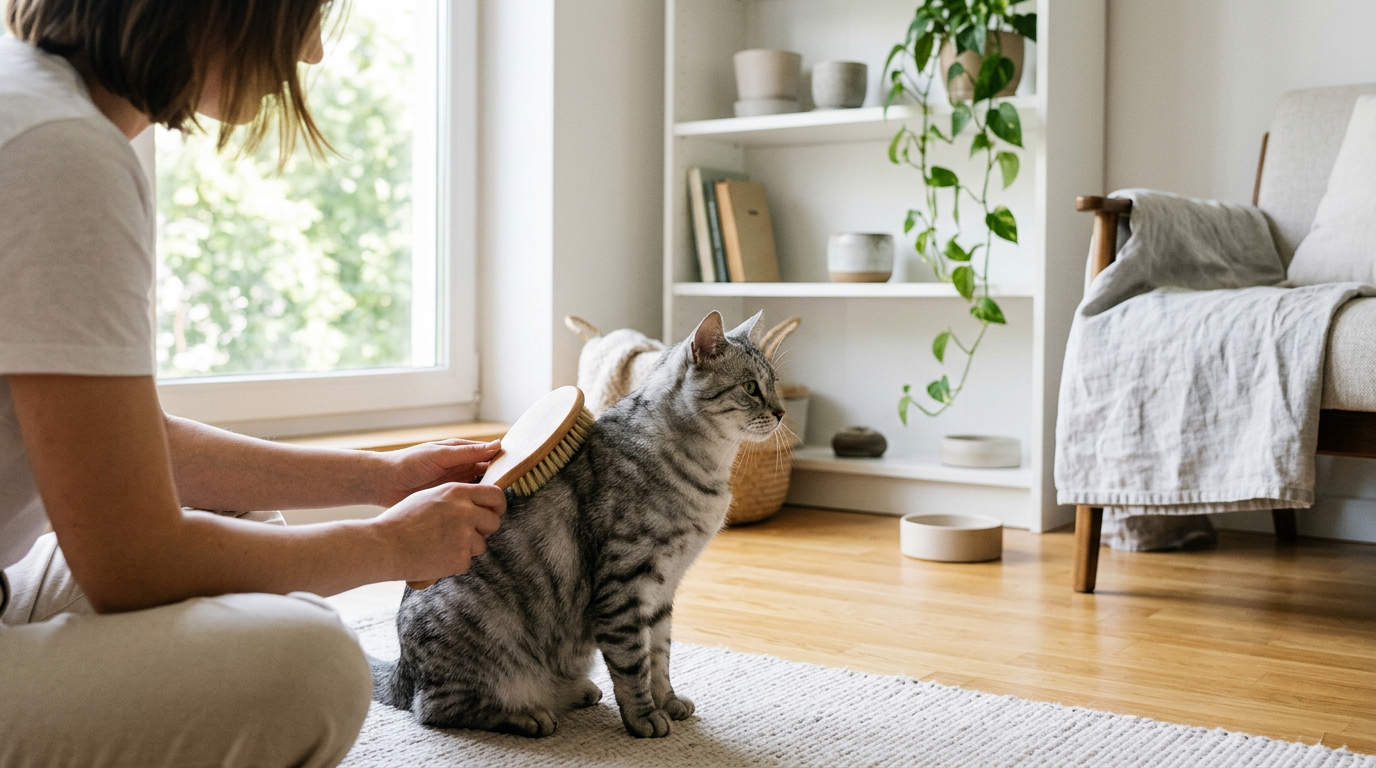
A tabby is not a "breed," but rather a "coat type" characterized by stripes, swirls, or spots on its fur. This pattern can appear in mixed-breed cats as well as purebreds like American Shorthairs and Maine Coons. Tabby cats generally have friendly, stable personalities and are highly adaptable, making them one of the easiest cats for new owners to handle.
Here, we'll break down the different tabby coat patterns, personality traits, and daily care essentials based on our firsthand observations from working at a cat hotel and grooming salon.
Key Takeaways
- Tabby is a "coat pattern," not a breed. Both mixed-breed and purebred cats can be tabbies, and a common feature is the "M" marking on their forehead.
- Common tabby patterns are divided into four main types: mackerel (fishbone stripes), classic (swirls), spotted, and ticked. Approximately 80% of orange tabbies are male.
- Silver tabbies have a white or silvery-gray undercoat with distinct black or gray markings. They are often found in purebred cats like the American Shorthair and are typically more expensive and recognizable.
- There's no "breed formula" for tabby cat personalities; their friendliness depends more on socialization and environment than their coat color.
- Tabby mixed-breed cats are generally robust, but still require regular health check-ups, weight management, and proper dietary care.
What is a Tabby Cat? Understanding "Coat Pattern" vs. "Breed"
Many owners ask us, "My cat is a tabby, what breed is that?" The answer is—tabby itself is not a breed.
Tabby refers to a coat pattern featuring stripes, spots, or swirls. It's the most primitive coat pattern in cats, closest to their wild ancestors. Whether it's a stray mixed-breed cat or a purebred like an American Shorthair, Maine Coon, or Scottish Fold, they can all be "tabbies."
Almost all tabby cats share a common marking: an "M" shape on their forehead. This is the easiest way to identify a tabby.
If you want to further distinguish between tabby cats and similar-looking Chinese Li Hua cats, you can refer to our article: What is a Li Hua Cat? Personality, Origin, and Differences from Tabby Cats Explained.
Types of Tabby Cat Patterns: Mackerel, Classic, Orange, and Silver Tabbies
Tabby cat patterns can be viewed from two perspectives: "pattern type" and "color."
Classification by Pattern Type
- Mackerel Tabby: The most common type, characterized by narrow, parallel stripes running down their sides, resembling fish bones. This is the most prevalent tabby pattern seen on street cats in Taiwan.
- Classic Tabby: Features large, swirling patterns on the sides of the body, resembling marble patterns. These cats appear more "plump and ornate."
- Spotted Tabby: The stripes are broken into distinct spots.
- Ticked Tabby: Each individual hair has bands of light and dark color, so there are no obvious stripes from a distance. The Abyssinian cat is a representative breed.
Classification by Color
- Orange Tabby: Also known as the common "orange cat," with a warm orange base color and darker orange stripes. Interestingly, about 80% of orange tabbies are male, which is related to the orange gene on the X chromosome. Orange tabbies are typically perceived as docile, greedy, and affectionate.
- Silver Tabby: Has a white or silvery-gray undercoat with distinct black or gray markings, creating a strong contrast and a sophisticated look. Often found in purebred cats like the American Shorthair, they are highly recognizable.
- Brown/Chocolate Tabby: The classic "wild color," with a brown base and darker stripes.
- Cream Tabby (Dilute Orange): The orange color is diluted to a soft cream, giving a gentle appearance.
Tabby Cat Personalities: Friendly and Stable, But Don't Label Based on Coat Color
There are many theories circulating online about tabby cat personalities, such as "orange cats are all fierce and greedy" or "silver tabbies are aloof." Based on our experience interacting with numerous boarding cats daily, the correlation between personality and coat color is actually quite low. What truly influences a cat's temperament is their early socialization, their original environment, and how their owner interacts with them.
However, we can still identify a few general tendencies:
- Adaptable: Most tabby mixed-breed cats tolerate environmental changes well. They typically settle down faster than highly sensitive purebred cats when they check into a hotel.
- Affectionate and Cuddly: Especially orange tabbies, many are clingy, love to be petted, and are quite food-motivated.
- Curious and Lively: Tabby cats are generally intelligent and active, enjoying wand toys and chasing toys.
To help your tabby cat play to its fullest and expend energy, consider providing Premium Catnip for interactive play. Many cats at our establishment respond very well to catnip.
If your cat is usually independent but starts meowing excessively or urinating inappropriately when you leave, be aware that it might be a sign of separation anxiety.
Tabby Cat Care Essentials: Diet, Weight, and Daily Maintenance
Tabby cats (especially mixed breeds) are generally robust, but being "easy to care for" doesn't mean you can neglect their needs. Here are some of the most common points we remind owners about.
1. Weight Management, Especially for Orange Tabbies
Orange tabbies are famously "food-motivated and prone to gaining weight." Obesity increases the risk of diabetes, joint problems, and urinary issues. Feed them measured portions and avoid free-feeding. To determine their daily food intake, refer to How Much Should a Cat Eat Daily? Wet Food, Dry Food, and Hydration Guide.
2. Prioritize Hydration and Urinary Health
Cats naturally drink less water, making them prone to urinary tract problems. Providing more wet food and increasing drinking stations are our consistent recommendations. When choosing wet food, pay attention to the animal protein content. For example, wet foods like Luxury Functional Cans can also help with hydration.
3. Grooming and Hairball Control
Short-haired tabbies are relatively easy to groom, but they still shed heavily during shedding seasons and can ingest a lot of fur. Regular brushing combined with dietary adjustments can reduce hairballs. For detailed methods, see What to Do If Your Cat Constantly Vomits Hairballs? Hairball Control, Grooming, and Dietary Strategies. For long-haired tabbies (like Maine Coons or long-haired mixed breeds), more frequent brushing is necessary, and professional grooming appointments may be needed to handle matting.
4. Be Aware of Dangerous Foods
Tabby cats are curious and often try to get on tables. Never feed them human food without knowing if it's safe. We've compiled a list of toxic foods and signs of poisoning in What Foods Can Cats NOT Eat? Common Household Dangers and Poisoning Symptoms.
5. Monitor for Health Warning Signs
Cats are good at hiding pain, so their temperature, appetite, and energy levels are important indicators. If your cat appears noticeably lethargic or has a fever, first understand What to Do If Your Cat Has a Fever? Normal Temperature, How to Take Temperature, and Danger Signs. In the summer, be particularly vigilant about heatstroke; refer to Are Cats Sensitive to Heat? Signs of Heatstroke and Summer Cooling Strategies. If symptoms persist or are severe, seek veterinary attention promptly. Do not delay or rely on home remedies.
Are Tabby Cats Suitable for Beginners?
Yes. Tabby cats (especially mixed breeds) are generally easy to care for, have stable constitutions, and are friendly, making them highly recommended for first-time cat owners. The real key isn't their coat color, but whether you provide them with a stable environment, proper nutrition, and regular health check-ups.
The first few days after bringing a cat home are crucial. We recommend reading How to Care for Your New Cat in the First Week to prepare the environment, litter box, and feeding routine effectively.
Frequently Asked Questions
What breed is a tabby cat?
A tabby is not a breed but a coat pattern. Mixed-breed cats, American Shorthairs, Maine Coons, and others can be tabbies. A common characteristic is the "M" marking on their forehead.
Are all orange tabby cats male?
Not all, but the probability is very high. Because the gene determining orange color is on the X chromosome, about 80% of orange tabbies are male, making female orange tabbies relatively rare.
Are tabby cats the same as Li Hua cats?
Not exactly. The Li Hua cat is a native Chinese cat breed that also has tabby markings. However, the key identification points differ. For details, see "What is a Li Hua Cat? Differences from Tabby Cats Explained."
Are all tabby cats fierce?
Not necessarily. Personality is mainly influenced by socialization and environment, with little relation to coat color. Most tabby cats are actually friendly, lively, and interactive.
Are tabby cats easy to care for?
They are generally easy to care for, with robust health and good adaptability, making them very suitable for beginners. The key is weight management, ensuring adequate hydration, and regular health check-ups.
This article was written by the CatBackyard editorial team, combining firsthand care experience from our cat hotel and grooming services.
CatGarden offers curated supplies, cat boarding, and grooming
Book services or shop online.