Blog
What is a Li Hua Cat Called in Taiwan? Understanding the Terms "Taiwan Native Cat," "Mix," and "Li Hua Cat"
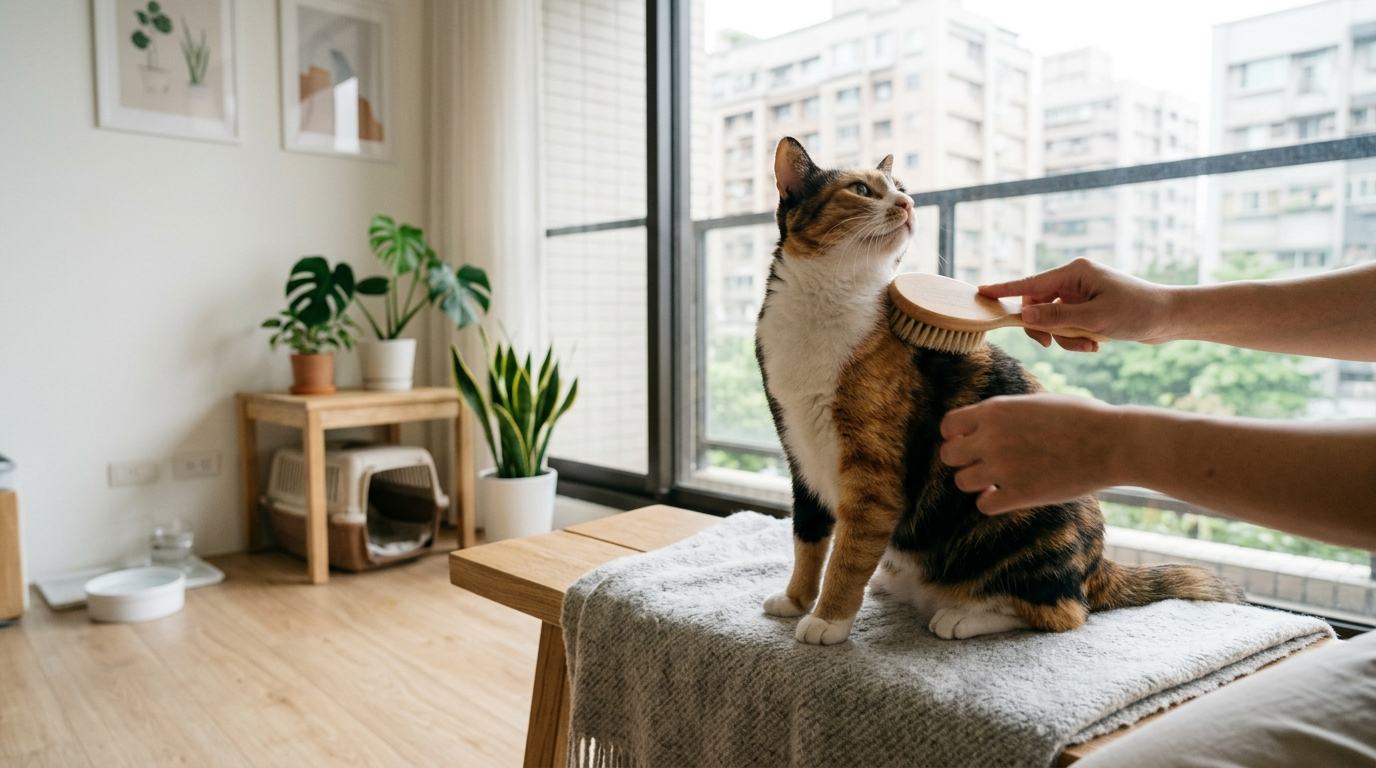
In Taiwan, Li Hua cats are rarely called "Li Hua cats." Instead, they are commonly referred to as Taiwan Native Cat, Mix, Tabby cat, or street cat/stray cat. The true "Li Hua cat (Chinese Li Hua cat)" is a breed with a distinct lineage. However, the majority of cats on Taiwanese streets and in homes that resemble Li Hua cats are actually local mixed breeds with similar appearances and mixed bloodlines.
In other words, the answer to "What is a Li Hua cat called in Taiwan?" is essentially a reminder: What you are most likely seeing is not a purebred Li Hua cat, but a "Taiwan Native Cat that looks like a Li Hua."
Key Takeaways
- "Li Hua cat" is a naturally evolved breed name originating from China. It is rarely used directly in Taiwan, with "Taiwan Native Cat" or "Mix" being more common substitutes.
- Over ninety percent of cats with a Li Hua appearance on Taiwanese streets are mixed-breed "Mixes," not purebred Chinese Li Hua cats.
- "Tabby cat" refers to a "pattern of markings," not a breed. Li Hua cats exhibit a classic mackerel tabby pattern.
- There is no official, unified term for "Taiwan Native Cat." Common names include native cat, mix, tabby, li mao, and street cat, often referring to the same group of cats.
- To confirm if a cat is a purebred Li Hua cat, one needs to examine pedigree certificates and breed registrations; appearance alone is not definitive.
Why Don't Taiwanese People Often Say "Li Hua Cat"?
The name "Li Hua cat" is more frequently encountered in discussions from mainland China and in breed introductions. In Taiwanese cat culture, people have grown up hearing terms like "native cat" or "mix." Coupled with the fact that strays and domestic cats in the past often lacked breed concepts, the term "Li Hua cat," which is more academic or breed-specific, never became widespread in daily life.
When we register cats for boarding at our facility, the most common scenario is: the owner writes "Breed: Mix," with a note saying, "Found outside, the tabby kind." Upon arrival, the cat almost invariably has the typical Li Hua appearance—a gray base with black markings, straight stripes like a mackerel bone, and green or yellowish-green eyes. The owners themselves are often unaware that this is the common appearance of what people refer to as "Li Hua."
If you wish to understand the origins and characteristics of this appearance and breed more comprehensively, you can first read this foundational article: What is a Li Hua Cat? Understanding Its Personality, Origins, and Differences from Tabby Cats. This article specifically addresses the "Taiwanese terminology" aspect.
Taiwan Native Cat, Mix, Tabby, Li Hua Cat: What's the Difference?
These terms are often used interchangeably, but they operate on entirely different levels. Understanding the distinctions will prevent confusion about "Is this a Li Hua cat?"
Mix = Bloodline Origin
"Mix" refers to mixed-breed, non-purebred, emphasizing "unknown or mixed lineage." The largest population of domestic cats in Taiwan are mixes. It describes the bloodline, not the appearance.
Taiwan Native Cat = Colloquial Term for Local, Non-Purebred Cats
"Taiwan Native Cat" is a very colloquial term, broadly referring to cats that have bred locally in Taiwan and do not have a specific breed lineage. It overlaps significantly with the meaning of "Mix," but emphasizes "local" and "indigenous" more strongly. There is no official definition for "Taiwan Native Cat"; it's a folk term.
Tabby Cat = Color Pattern, Not a Breed
Many people mistakenly believe "Tabby" is a breed, but it is not. Tabby is a pattern of markings, including mackerel tabby (straight stripes), classic tabby (swirls), and spotted tabby. The markings on a Li Hua cat are precisely the classic mackerel tabby pattern.
Li Hua Cat = A Name with Breed Definition
Li Hua cat (Chinese Li Hua cat) is a formal breed that has evolved naturally and is registered as a breed. Purebred Li Hua cats have relatively stable standards for physique and markings. Cats on Taiwanese streets that resemble Li Hua cats are mostly just "similar in markings"; genetically, they are still mixes.
In a nutshell: Mix refers to bloodline, native cat refers to region, tabby refers to markings, and Li Hua cat refers to breed. Your "tabby native mix cat" is likely a local Taiwanese cat that looks like a Li Hua.
What Do Taiwan Native Cats with a Li Hua Appearance Typically Look Like?
Based on our extensive experience caring for numerous cats at our facility, Taiwanese native cats with a Li Hua appearance often share several common characteristics:
- Base Color: Gray-brown, brownish-gray with warm undertones.
- Markings: Clear mackerel tabby stripes, often with an "M" marking on the forehead.
- Eyes: Predominantly green, yellowish-green, or amber.
- Build: Medium to large, muscular, and agile.
- Temperament: Generally alert, independent, sensitive to environmental changes, with strong hunting instincts.
These strong hunting instincts are reflected in their daily behaviors, such as their particular fondness for squeezing into boxes and playing hide-and-seek. For insights into the underlying instinctual logic, you can refer to Why Do Cats Love Boxes and Hiding in Them? Understanding Security, Hunting Instincts, and Cooling Needs.
Li Hua Appearance ≠ Purebred Li Hua Cat: How to Tell the Difference?
This is where most owners get confused. Even if the markings are similar, it doesn't mean it's a purebred. To confirm if a cat is a purebred Chinese Li Hua cat, you need:
1. Pedigree Certificate / Breed Registration Documents: Issued by a reputable breeder or association.
2. Traceable Origin: Knowledge of the breed and lineage of the parent cats.
3. Overall Characteristics Conforming to Breed Standards: Not just looking at a single stripe.
If your cat was found on the street, given by a friend, or adopted from a shelter, it is almost certainly a Mix / Taiwan Native Cat, even if it looks exactly like a Li Hua cat. This is not a disadvantage—local mixes are generally robust and adaptable, often considered "the easiest to care for" by many experienced cat owners.
The Name Doesn't Matter, How You Care for Them Does
Regardless of whether you call them Li Hua, native cat, or mix, the care priorities remain the same. Here are a few points we frequently remind owners of Li Hua-looking cats about at our facility:
Shedding and Grooming
Li Hua-looking cats are mostly short-haired, but short hair doesn't mean they don't shed. Shedding can be significant during seasonal changes in Taiwan. For grooming frequency and dietary strategies, refer to When is Cat Shedding Season? Is Heavy Summer Shedding Normal? Grooming Frequency and Dietary Strategies Explained. If hairball issues are noticeable, you can supplement with Pro Hairball Control Powder daily.
Sensitive to Summer Heat
Taiwanese summers are hot and humid. Even short-haired Li Hua native cats can suffer from heatstroke. Be sure to watch for signs like open-mouth breathing and lethargy. For emergency first aid and cooling methods, see What to Do If Your Cat Has Heatstroke? Emergency Steps, Cooling Methods, and When to Seek Veterinary Care for Cat Heat Exhaustion in Summer.
Sensitive Temperament, Needs Environmental Stability
Cats with a Li Hua appearance are generally alert and territorial. Their sitting and sleeping postures can also reveal their mood. For insights, see Understanding Cat Sitting Postures: Differences Between the "Hen Sit," "Egyptian Sit," and "Sprawled Sleep," and Health Signals.
If you need to travel and find a suitable place for a sensitive native cat, feel free to learn about our Boarding process to ensure a smoother transition.
Frequently Asked Questions
What is the most common name for a Li Hua cat in Taiwan?
The most common names are "Taiwan Native Cat" and "Mix," followed by "Tabby cat." Relatively few Taiwanese owners actually say "Li Hua cat" because it's a more formal, breed-specific term.
Is a Taiwan Native Cat the same as a Li Hua Cat?
Not entirely. Taiwan Native Cats are mostly mixes, many of which resemble Li Hua cats, but they have mixed bloodlines and are not purebred Chinese Li Hua cats. Similar markings do not mean they are the same breed.
Are Tabby Cats and Li Hua Cats the Same?
No. Tabby is a "pattern of markings," while Li Hua cat is a "breed." Li Hua cats have tabby markings, but not all cats with tabby markings are Li Hua cats.
How do I know if my cat is a purebred Li Hua Cat?
You need a pedigree certificate, a traceable origin, and overall characteristics that conform to breed standards. If your cat was found on the street or adopted, it is usually a Taiwan Native Cat/Mix.
Are Taiwan Native Cats Easy to Care For?
Local mixes are generally robust and adaptable, often considered the easiest cats to care for by many experienced owners. However, they can be sensitive, so maintaining a stable environment and observing their health is still crucial. If symptoms persist or worsen, seek veterinary care promptly.
---
*This article was written by the Mao Hou Yuan editorial team, integrating frontline care experience from our facility. It does not substitute veterinary diagnosis. If your cat's health condition persists or deteriorates, please consult a professional veterinarian.*
One email a month: hand-picked cat care tips and new arrivals. No spam.
Keep reading
What is a Chinese Li Hua Cat? Personality, Origins & How It Differs from Tabby Cats
The Chinese Li Hua cat is a native cat breed originating from China, known for its intelligence, independence, and loyalty. This guide clarifies the correct naming conventions, how to identify them by appearance, their personality traits, and exactly how they differ from tabby cats.
What is a "Pear Blossom Cat"? Understanding the Origin of the Name, Coat Characteristics, and Its Relationship with the "Li Hua Cat"
"Pear Blossom Cat" is mostly a common misspelling of "Li Hua Cat" (狸花貓), and both refer to the same type of common local tabby cat in Taiwan. This article clarifies the origin of the name, coat identification, and the difference from tabby cats.
Complete Guide to Tabby Cats: Patterns, Personalities, and Care Essentials
Tabby is actually a coat pattern, not a breed, and most tabbies are friendly and stable. This article will help you understand the different tabby patterns, the differences between orange and silver tabbies, and essential care tips.
