Summer's Here, Should You Shave Your Cat? Vet Warns: Shaving Can Cause 3 Major Risks, Doing More Harm Than Good!
A cat's double-layered coat provides both insulation and warmth. Even in high summer temperatures, healthy cats typically don't need shaving. Blindly shaving can disrupt the hair growth cycle and increase the risk of sunburn.
A cat's double-layered coat provides both insulation and warmth. Even in high summer temperatures, healthy cats typically don't need shaving. Blindly shaving can disrupt the hair growth cycle and increase the risk of sunburn. At CatGarden Cattery, during our annual summer grooming services, we observe that localized shaving is usually necessary for severe matting, post-operative care, or specific skin conditions, rather than for simple cooling. Here's a breakdown of the vet-recommended criteria for shaving and alternative summer cooling solutions to help you make the safest grooming decisions for your feline friend.
Key takeaways
- Cats' skin is only one-third as thick as humans', and the air layer formed by their double-layered fur provides insulation against heat and sunburn in summer. Healthy cats do not need to be shaved.
- Cats have very few sweat glands and primarily regulate their body temperature through their paw pads, nose, and ear rims. Shaving their fur does not help with heat dissipation and can actually lead to sunburn or heatstroke.
- Situations requiring partial shaving for cats usually involve severe matting, post-operative care, or specific skin conditions. Arbitrary shaving can disrupt the hair growth cycle and increase the risk of skin infections and psychological trauma.
- Safe cooling alternatives for summer include daily brushing to remove loose fur and maintain air circulation, trimming the fur around the paw pads, and using cooling mats in a well-ventilated environment.
What we use for this
CatGarden’s own products, shipped from Taiwan Quick-Dry Pet TowelFrom CA$49.35 per pieceFree shipping on multi-packs
Cat Fur Isn't a "Quilt," It's a High-Tech "Temperature-Regulating Coat"!
Many people mistakenly think a cat's dense fur is like wearing a heavy quilt. That's completely wrong! A cat's fur is actually a sophisticated "temperature-regulating system." The fluffy hairs create an air layer. This air layer prevents heat loss in winter, providing warmth, and in summer, it effectively blocks external heat, preventing sunburn and acting as insulation!
A cat's skin is only one-third the thickness of human skin and is very delicate. This fur coat is their most natural and vital shield.
Doing More Harm Than Good? Unveiling the 3 Hidden Risks of Shaving Your Cat
Unless there's a specific medical need, shaving your cat is strongly discouraged. Arbitrary shaving can lead to these three major risks:
Risk 1: Loss of Natural Barrier, Skyrocketing Risk of Skin Diseases
A cat's fur is the first line of defense against external bacteria, parasites, and allergens. Shaving the fur essentially leaves the cat's skin "naked," directly exposed to an environment full of bacteria, fungi, insects, and allergens. This significantly increases the likelihood of cats developing dermatitis, fungal infections, or insect bites.
Risk 2: Disrupting Thermoregulation, Leading to Heatstroke Instead of Cooling
Cats have very few sweat glands on their skin; they don't primarily rely on sweating to cool down! Cats regulate their body temperature mainly through their paw pads, nose, and ear flaps. Shaving their fur not only fails to help them cool down but also exposes their skin directly to UV radiation, removing the insulating protection of their fur. This makes them more susceptible to sunburn and even heatstroke!
Risk 3: Causing Psychological Trauma, Leading to a Depressed Feline
Don't underestimate a cat's pride! For many cats, a beautiful coat is a source of confidence. Suddenly having their fur shaved can leave cats feeling confused, anxious, and insecure, much like how humans would feel if stripped naked in public. Many cats exhibit behaviors like hiding, loss of appetite, and depression after being shaved. Furthermore, the noise and vibration of the clippers during the shaving process can cause significant psychological stress (stress response) for cats.
If Not Shaving, How to Help Your Cat Cool Down in Summer?
Instead of risking shaving, try these safer and more effective cooling methods:
- Increase Water Intake: Always provide clean, cool drinking water, or use a pet drinking fountain to encourage more drinking.
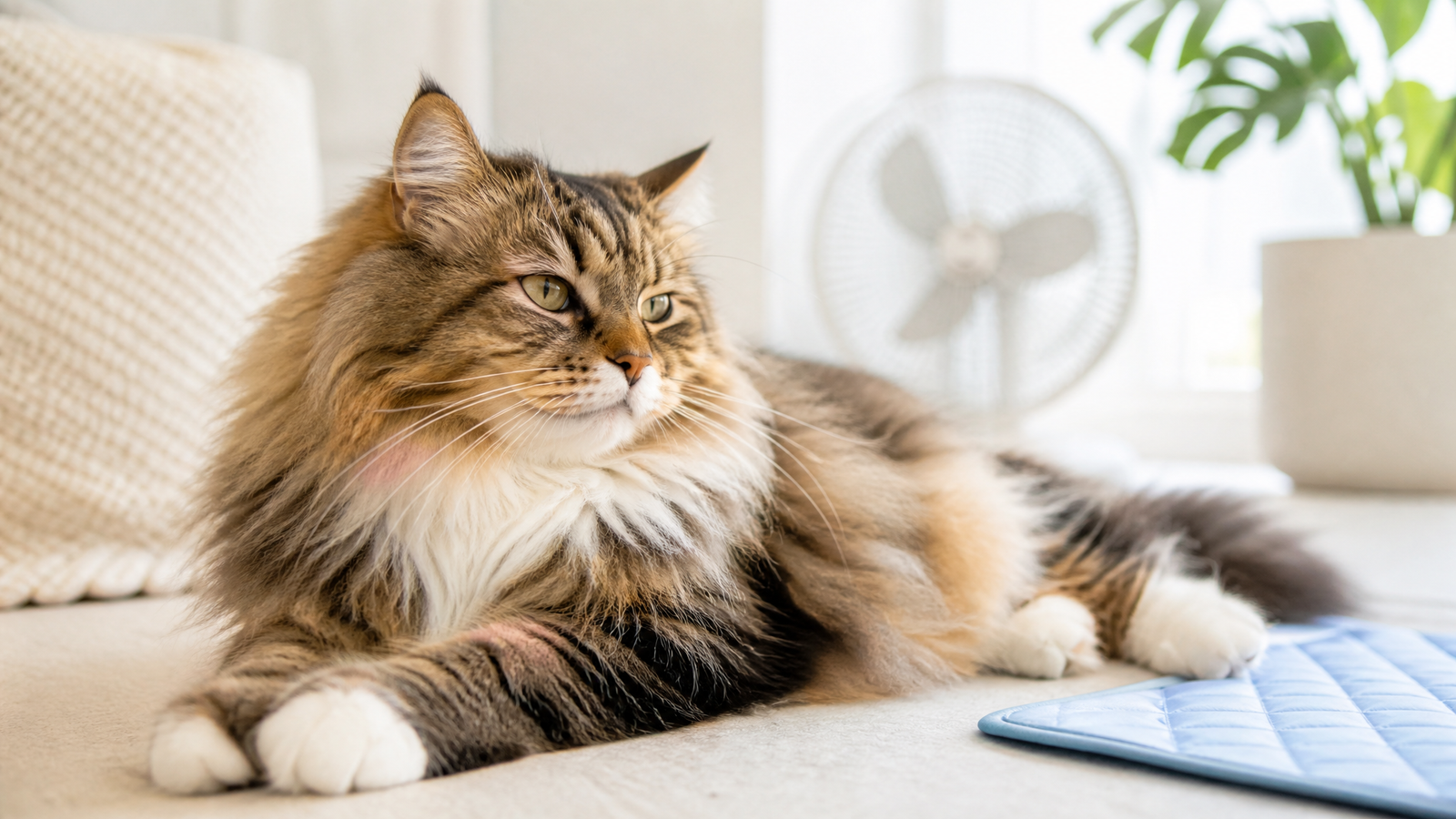
- Cool the Environment: Keep indoor spaces well-ventilated, or use air conditioning and fans moderately.
- Provide Cooling Mats: Offer cooling mats or let your cat sleep on cool tile floors.
- Frequent Brushing: Brush your cat daily to remove loose hair, allowing for better air circulation between hairs, which aids in cooling.
- Moderate Trimming: You can slightly trim the fur around the paw pads to help cats dissipate heat through their paws.
Maintaining Healthy Fur and Skin Starts with Fundamental Care
To maximize the effectiveness of your cat's natural "temperature-regulating coat," maintaining the health and cleanliness of their fur and skin is crucial. Regular baths not only remove dirt and oil but also promote healthy skin.
We highly recommend CatGarden's [Herbal Cat Shampoo]. It uses a gentle herbal formula, free from harsh chemicals, which cleanses while soothing the skin, balancing oil production, and strengthening the skin's protective barrier. Healthy skin grows strong fur, creating the most robust natural shield for your beloved cat.
Has your cat ever been shaved? Did they exhibit any interesting reactions or behaviors afterward? Feel free to share your experiences in the comments below with fellow cat lovers!
Cat Grooming Arrangement Suggestions
If the situations described in this article are affecting your cat's fur, skin, nails, or hygiene, you can first check out CatGarden's Cat Grooming Services and then arrange for baths, trims, or nail clipping based on your cat's age, coat condition, and stress level.
Frequently Asked Questions
How often does a cat need grooming or bathing?
Most healthy indoor cats do not require frequent bathing. However, if there are issues like matted fur, excessive oiliness, odor, severe shedding, or skin cleanliness needs, grooming can be scheduled based on the coat's condition.
Can nervous or water-averse cats be groomed?
Yes, but the process needs to be adjusted according to the cat's personality, age, and health status. For anxious cats, it's recommended to choose a grooming environment familiar with feline behavior and avoid excessive force.
What should owners pay attention to before cat grooming?
Before grooming, inform the groomer if your cat is afraid of blow-drying, has a history of skin conditions, has recently taken medication, or is experiencing any physical discomfort, to ensure a safer grooming process.
CatGarden|A Villa-Style Cat-Only Hotel in Banqiao, Offering Boarding and Grooming Services.
Further Reading
CatGarden offers curated supplies, cat boarding, and grooming
Book services or shop online.