Oily Cat Skin: Bath Time or Grooming and Diet Adjustment First?

When petting your cat, you notice their back and the base of their tail feel oily, their fur looks clumped, and there's a faint musty odor. Many cat owners' first thought is, "Is it time for a bath?" However, oily cat skin isn't always solved by just bathing; sometimes, the real cause is insufficient grooming, a humid environment, an unsuitable dietary fat ratio, or existing skin inflammation, fungal infections, or parasites.

CatGarden Editorial TeamPublished 2026/06/01Updated 2026/10/06
Daily Grooming Care
Oily Cat Skin: Bath Time or Grooming and Diet Adjustment First?

When petting your cat, you notice their back and the base of their tail feel oily, their fur looks clumped, and there's a faint musty odor. Many cat owners' first thought is, "Is it time for a bath?" However, oily cat skin isn't always solved by just bathing; sometimes, the real cause is insufficient grooming, a humid environment, an unsuitable dietary fat ratio, or existing skin inflammation, fungal infections, or parasites.

Especially in Taiwan's humid and hot weather, oil, dander, and shedding fur can easily get trapped at the hair roots. Bathing can clean the surface, but if the underlying cause isn't understood, it might stress a water-averse cat further or lead to more skin issues due to incomplete drying. Below, from a daily care perspective, we'll guide you on what to do first when your cat's skin feels oily.

Key takeaways

  • Oily fur in cats doesn't always mean they need a bath. It could be due to insufficient grooming, high humidity, an unsuitable diet fat ratio, or underlying issues like inflammation, fungal infections, or parasites.
  • Try brushing your cat daily for 3 to 5 consecutive days to see if the oiliness decreases.
  • If you notice redness, discharge, pain, spreading hair loss, or if the cat is excessively licking to the point of skin breakage, consult a veterinarian first. Bathing without identifying the cause might irritate the skin or delay treatment.
  • If your cat's oily fur has persisted for over two weeks, or hasn't improved after grooming, dehumidifying the environment, and cleaning their bedding, it's advisable to consult a vet.
  • Obese cats often can't reach their back and tail base to groom, while older cats may groom less due to joint discomfort or decreased muscle strength. In these cases, regular grooming and weight management are more important than frequent bathing.

What Does Oily Cat Skin Typically Look Like?

Cats naturally secrete oils to protect and add shine to their fur. However, when oil is excessive, unevenly distributed, or mixed with dander, several noticeable changes occur.

  • The back or base of the tail feels sticky or slippery to the touch.
  • Fur clumps together rather than appearing fluffy and separate.
  • The comb collects gray-black oily residue or dander during grooming.
  • The cat has a musty or sour odor, or their scent is stronger than usual.
  • Scratching, licking, hair loss, or redness are also present.

If the oiliness is localized and the cat's energy and appetite are normal, you can start with grooming and environmental adjustments. If there's redness, scabs, patchy hair loss, or significant itching, don't just treat it as a cleaning issue.

What we use for this

CatGarden’s own products, shipped from Taiwan
See all products
Quick-Dry Pet TowelQuick-Dry Pet TowelFrom CA$49.35 per pieceFree shipping on multi-packs

Don't Rush to Bathe: Check These 5 Things First

1. Has Grooming Frequency Been Sufficient Lately?

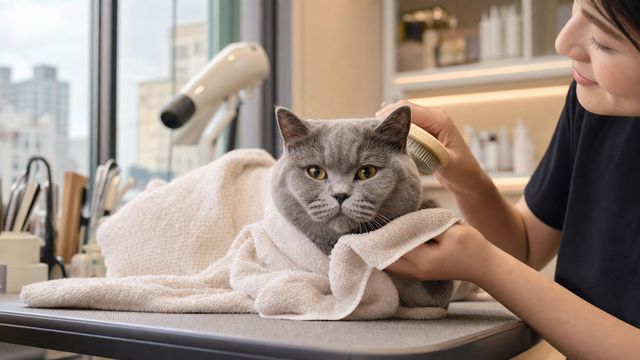
Even short-haired cats need brushing. Grooming isn't just for removing loose fur; it also helps distribute oils, reducing dander and loose hair buildup at the roots. Long-haired cats, overweight cats, and senior cats are more prone to oil accumulation in specific areas because they can't easily reach their back and tail base to groom themselves.

Try gently brushing your cat once daily for 3 to 5 consecutive days and observe if the oiliness decreases. Choose a comb that won't scratch the skin. Don't pull hard on tangles, as this can cause pain and make the cat more resistant to grooming.

2. Is Your Home's Humidity Too High?

Humidity makes it difficult for fur to stay dry, and odors from litter boxes, dander, and oils can mix more easily. Rainy seasons, periods before and after typhoons, areas near bathrooms, or poorly ventilated rooms can worsen a cat's skin condition.

Maintain a comfortable humidity level in the areas where your cat spends most of its time. Use dehumidifiers, ensure good ventilation, and regularly wash the cat's bedding. Once the environment is drier, many mild cases of oiliness and musty odors will improve significantly.

3. Has the Diet Changed Recently?

Changes in cat food, wet food, treats, or supplements can affect a cat's skin and coat. This doesn't necessarily mean less fat is always better, as essential fatty acids are crucial for skin barrier function. The key is whether the formula is suitable for the cat and if their digestive system can handle it consistently.

If oily fur, soft stools, vomiting, or scratching appear after a diet change, record what was fed, for how long, and when the symptoms started. Discuss this with your veterinarian. Avoid changing too many products simultaneously, as it becomes difficult to pinpoint the cause.

4. Has the Cat Become Overweight, Aged, or Less Active?

Overweight cats often can't reach their back and tail base to groom. Senior cats may reduce grooming due to joint discomfort or decreased muscle strength. These cats aren't necessarily unclean; their physical condition limits their ability to groom.

In such cases, rather than frequent baths, it's more important to assist with grooming, manage weight, provide easy access to furniture for jumping, and monitor for any pain or joint issues. If a senior cat suddenly stops grooming, a health check-up is also recommended.

5. Are There Signs of Skin Disease?

Oiliness combined with intense itching, redness, black granules, circular hair loss, scabs, dirty or smelly ears, or wounds may indicate more than just simple oiliness. Fungal or bacterial infections, allergies, fleas, ear mites, or endocrine problems can all alter the skin's condition.

If you notice redness, discharge, pain, expanding hair loss, or if the cat is constantly licking to the point of breaking the skin, you should consult a veterinarian first. Bathing without identifying the cause could irritate the skin and delay treatment.

When Can You Consider Bathing Your Cat?

Most healthy cats do not require frequent, scheduled baths. However, in the following situations, you can discuss the need for cleaning assistance with your veterinarian or a professional groomer.

  • The cat has gotten into oil, feces, or other substances they shouldn't lick.
  • Localized, persistent oiliness and matting due to obesity, age, or long fur.
  • Skin treatment requires the use of a veterinarian-prescribed medicated shampoo.
  • The living environment is humid, and significant musty odors persist despite grooming and dehumidification.

If you do bathe your cat, the focus isn't on frequency but on safe products, a low-stress process, thorough rinsing, and complete drying. Residual shampoo and incomplete drying can make the skin more uncomfortable. For cats that fear water, avoid forcing them; if necessary, entrust the task to a groomer experienced with cat behavior.

How to Ensure Consistent Daily Care?

Establish a "Light but Regular" Grooming Habit

Instead of waiting until the oiliness is very noticeable for a major cleaning, make grooming a short, low-stress daily routine. Just 3 to 5 minutes each time, starting with areas your cat enjoys being petted. Follow up with treats or toys to associate grooming with positive experiences.

Keep Records of Dietary Changes

If you are trying new dry food, wet food, or supplements, keep a record of your cat's coat condition, stool, vomiting, scratching, weight, and activity level. Skin changes usually aren't apparent overnight; observe for at least several weeks and avoid adding too many supplements simultaneously.

Regularly Check the Tail Base and Ears

The tail base is a common area for oil and flea dirt accumulation. Ears can indicate discharge, odor, or itching. A quick check during petting is more effective for early detection and intervention than waiting for significant hair loss.

When Should You Seek Professional Help?

If your cat's oily skin persists for more than two weeks, or if you haven't seen improvement after grooming, dehumidifying, and cleaning their bedding, it's advisable to consult a veterinarian. If grooming and bathing are necessary, choose a salon that is familiar with cats, can minimize stress, and prioritizes thorough drying and environmental disinfection.

For cats, cleanliness isn't about "more is better" but about "just right." Identifying the underlying cause of the oiliness first, then deciding whether to adjust grooming, diet, environment, or arrange for medical and grooming assistance, is the least stressful approach for your cat.

Frequently Asked Questions (FAQ)

Does Oily Cat Skin Always Require a Bath?

Not necessarily. For mild oiliness without itching or redness, try increasing grooming frequency, improving humidity, and observing the diet. If there's an odor, redness, scabs, or hair loss, consult a veterinarian first to determine the cause.

Is It Normal for a Cat's Tail Base to Be Particularly Oily?

The tail base naturally tends to accumulate oil. However, if the fur is matted, there's a lot of black dirt, the cat is constantly licking or biting, or the skin is red and swollen, it may require examination for dermatitis, parasites, or grooming difficulties.

Can I Use Human Shampoo to Wash My Cat?

It is not recommended. Cats' skin and licking habits differ from humans. Human shampoos can irritate the skin or pose a risk if ingested through licking. Use products specifically designed for cats. For medicated shampoos for skin conditions, follow your veterinarian's instructions.

Will Eating Too Much Fat Make a Cat's Skin Oily?

Diet can affect coat condition, but it's not solely about "oiliness." Factors like the overall formula, protein source, fatty acid ratio, digestive absorption, and allergic reactions can all play a role. If the coat condition worsens after a diet change, it's recommended to keep records and discuss it with your veterinarian.

What Should I Do if My Senior Cat Suddenly Stops Grooming and Becomes Oily?

Senior cats may stop grooming due to joint pain, dental issues, chronic illnesses, or decreased stamina. You can assist with grooming, but if this is a sudden change, it's best to schedule a health check-up rather than assuming they've just become lazy.

Further Reading

  • Cat Scratching Constantly During Rainy Season? Check Humidity, Skin, and Licking Habits First
  • How Often Should Cats Be Bathed in Humid Weather? Consider Skin, Odor, and Shedding First
  • Cat Hair Everywhere in Summer: Bath or Grooming First?
  • Can Waterless Cat Shampoo Be Used? Consider Ingredients, Dosage, and Licking Risks

If you're unsure whether your cat's oiliness is simply oily fur, a result of humidity, or a sign of skin discomfort, start by focusing on grooming, humidity levels, and dietary records. If your cat needs boarding or care away from home, communicate their skin, bathing, and grooming habits to the cattery in advance to ensure their care aligns with their needs.

FAQ

Does my cat need a bath if their fur is oily?

Not necessarily. If the oiliness is mild and there's no itching or redness, try increasing grooming sessions, improving humidity, and observing their diet. If there's a bad odor, rash, scabs, or hair loss, see a vet first to determine the cause.

Is it normal for my cat's tail base to be particularly oily?

The tail base naturally accumulates more oil. However, if the fur is matted, has a lot of black debris, the cat is constantly licking or biting it, or the skin is red and swollen, it might indicate dermatitis, parasites, or difficulty with self-grooming.

Can I use human shampoo to bathe my cat?

It's not recommended. Cats have different skin and grooming habits. Human shampoos can irritate their skin or pose a risk if ingested during grooming. Use products specifically for cats. For medicated baths, follow your veterinarian's instructions.

Can eating too much fat make my cat's skin oily?

Diet can affect coat condition, but it's not just about the 'oiliness.' The formulation, protein source, fatty acid balance, gastrointestinal absorption, and allergic reactions can all play a role. If coat condition worsens after a diet change, keep a record and discuss it with your vet.

My elderly cat suddenly stopped grooming and their fur is oily, what should I do?

Elderly cats may stop grooming due to joint pain, dental issues, chronic illnesses, or decreased energy. You can assist with grooming, but if this change is sudden, it's best to schedule a health check-up rather than assuming they've just become lazy.

CatGarden offers curated supplies, cat boarding, and grooming

Book services or shop online.
Back

Blog

Oily Cat Skin: Bath Time or Grooming and Diet Adjustment First?

CatGarden Editorial TeamPublished 2026/06/01Updated 2026/10/06
Daily Grooming Care
Oily Cat Skin: Bath Time or Grooming and Diet Adjustment First?

When petting your cat, you notice their back and the base of their tail feel oily, their fur looks clumped, and there's a faint musty odor. Many cat owners' first thought is, "Is it time for a bath?" However, oily cat skin isn't always solved by just bathing; sometimes, the real cause is insufficient grooming, a humid environment, an unsuitable dietary fat ratio, or existing skin inflammation, fungal infections, or parasites.

Especially in Taiwan's humid and hot weather, oil, dander, and shedding fur can easily get trapped at the hair roots. Bathing can clean the surface, but if the underlying cause isn't understood, it might stress a water-averse cat further or lead to more skin issues due to incomplete drying. Below, from a daily care perspective, we'll guide you on what to do first when your cat's skin feels oily.

Key takeaways

  • Oily fur in cats doesn't always mean they need a bath. It could be due to insufficient grooming, high humidity, an unsuitable diet fat ratio, or underlying issues like inflammation, fungal infections, or parasites.
  • Try brushing your cat daily for 3 to 5 consecutive days to see if the oiliness decreases.
  • If you notice redness, discharge, pain, spreading hair loss, or if the cat is excessively licking to the point of skin breakage, consult a veterinarian first. Bathing without identifying the cause might irritate the skin or delay treatment.
  • If your cat's oily fur has persisted for over two weeks, or hasn't improved after grooming, dehumidifying the environment, and cleaning their bedding, it's advisable to consult a vet.
  • Obese cats often can't reach their back and tail base to groom, while older cats may groom less due to joint discomfort or decreased muscle strength. In these cases, regular grooming and weight management are more important than frequent bathing.

What Does Oily Cat Skin Typically Look Like?

Cats naturally secrete oils to protect and add shine to their fur. However, when oil is excessive, unevenly distributed, or mixed with dander, several noticeable changes occur.

  • The back or base of the tail feels sticky or slippery to the touch.
  • Fur clumps together rather than appearing fluffy and separate.
  • The comb collects gray-black oily residue or dander during grooming.
  • The cat has a musty or sour odor, or their scent is stronger than usual.
  • Scratching, licking, hair loss, or redness are also present.

If the oiliness is localized and the cat's energy and appetite are normal, you can start with grooming and environmental adjustments. If there's redness, scabs, patchy hair loss, or significant itching, don't just treat it as a cleaning issue.

What we use for this

CatGarden’s own products, shipped from Taiwan
See all products
Quick-Dry Pet TowelQuick-Dry Pet TowelFrom CA$49.35 per pieceFree shipping on multi-packs

Don't Rush to Bathe: Check These 5 Things First

1. Has Grooming Frequency Been Sufficient Lately?

Even short-haired cats need brushing. Grooming isn't just for removing loose fur; it also helps distribute oils, reducing dander and loose hair buildup at the roots. Long-haired cats, overweight cats, and senior cats are more prone to oil accumulation in specific areas because they can't easily reach their back and tail base to groom themselves.

Try gently brushing your cat once daily for 3 to 5 consecutive days and observe if the oiliness decreases. Choose a comb that won't scratch the skin. Don't pull hard on tangles, as this can cause pain and make the cat more resistant to grooming.

2. Is Your Home's Humidity Too High?

Humidity makes it difficult for fur to stay dry, and odors from litter boxes, dander, and oils can mix more easily. Rainy seasons, periods before and after typhoons, areas near bathrooms, or poorly ventilated rooms can worsen a cat's skin condition.

Maintain a comfortable humidity level in the areas where your cat spends most of its time. Use dehumidifiers, ensure good ventilation, and regularly wash the cat's bedding. Once the environment is drier, many mild cases of oiliness and musty odors will improve significantly.

3. Has the Diet Changed Recently?

Changes in cat food, wet food, treats, or supplements can affect a cat's skin and coat. This doesn't necessarily mean less fat is always better, as essential fatty acids are crucial for skin barrier function. The key is whether the formula is suitable for the cat and if their digestive system can handle it consistently.

If oily fur, soft stools, vomiting, or scratching appear after a diet change, record what was fed, for how long, and when the symptoms started. Discuss this with your veterinarian. Avoid changing too many products simultaneously, as it becomes difficult to pinpoint the cause.

4. Has the Cat Become Overweight, Aged, or Less Active?

Overweight cats often can't reach their back and tail base to groom. Senior cats may reduce grooming due to joint discomfort or decreased muscle strength. These cats aren't necessarily unclean; their physical condition limits their ability to groom.

In such cases, rather than frequent baths, it's more important to assist with grooming, manage weight, provide easy access to furniture for jumping, and monitor for any pain or joint issues. If a senior cat suddenly stops grooming, a health check-up is also recommended.

5. Are There Signs of Skin Disease?

Oiliness combined with intense itching, redness, black granules, circular hair loss, scabs, dirty or smelly ears, or wounds may indicate more than just simple oiliness. Fungal or bacterial infections, allergies, fleas, ear mites, or endocrine problems can all alter the skin's condition.

If you notice redness, discharge, pain, expanding hair loss, or if the cat is constantly licking to the point of breaking the skin, you should consult a veterinarian first. Bathing without identifying the cause could irritate the skin and delay treatment.

When Can You Consider Bathing Your Cat?

Most healthy cats do not require frequent, scheduled baths. However, in the following situations, you can discuss the need for cleaning assistance with your veterinarian or a professional groomer.

  • The cat has gotten into oil, feces, or other substances they shouldn't lick.
  • Localized, persistent oiliness and matting due to obesity, age, or long fur.
  • Skin treatment requires the use of a veterinarian-prescribed medicated shampoo.
  • The living environment is humid, and significant musty odors persist despite grooming and dehumidification.

If you do bathe your cat, the focus isn't on frequency but on safe products, a low-stress process, thorough rinsing, and complete drying. Residual shampoo and incomplete drying can make the skin more uncomfortable. For cats that fear water, avoid forcing them; if necessary, entrust the task to a groomer experienced with cat behavior.

How to Ensure Consistent Daily Care?

Establish a "Light but Regular" Grooming Habit

Instead of waiting until the oiliness is very noticeable for a major cleaning, make grooming a short, low-stress daily routine. Just 3 to 5 minutes each time, starting with areas your cat enjoys being petted. Follow up with treats or toys to associate grooming with positive experiences.

Keep Records of Dietary Changes

If you are trying new dry food, wet food, or supplements, keep a record of your cat's coat condition, stool, vomiting, scratching, weight, and activity level. Skin changes usually aren't apparent overnight; observe for at least several weeks and avoid adding too many supplements simultaneously.

Regularly Check the Tail Base and Ears

The tail base is a common area for oil and flea dirt accumulation. Ears can indicate discharge, odor, or itching. A quick check during petting is more effective for early detection and intervention than waiting for significant hair loss.

When Should You Seek Professional Help?

If your cat's oily skin persists for more than two weeks, or if you haven't seen improvement after grooming, dehumidifying, and cleaning their bedding, it's advisable to consult a veterinarian. If grooming and bathing are necessary, choose a salon that is familiar with cats, can minimize stress, and prioritizes thorough drying and environmental disinfection.

For cats, cleanliness isn't about "more is better" but about "just right." Identifying the underlying cause of the oiliness first, then deciding whether to adjust grooming, diet, environment, or arrange for medical and grooming assistance, is the least stressful approach for your cat.

Frequently Asked Questions (FAQ)

Does Oily Cat Skin Always Require a Bath?

Not necessarily. For mild oiliness without itching or redness, try increasing grooming frequency, improving humidity, and observing the diet. If there's an odor, redness, scabs, or hair loss, consult a veterinarian first to determine the cause.

Is It Normal for a Cat's Tail Base to Be Particularly Oily?

The tail base naturally tends to accumulate oil. However, if the fur is matted, there's a lot of black dirt, the cat is constantly licking or biting, or the skin is red and swollen, it may require examination for dermatitis, parasites, or grooming difficulties.

Can I Use Human Shampoo to Wash My Cat?

It is not recommended. Cats' skin and licking habits differ from humans. Human shampoos can irritate the skin or pose a risk if ingested through licking. Use products specifically designed for cats. For medicated shampoos for skin conditions, follow your veterinarian's instructions.

Will Eating Too Much Fat Make a Cat's Skin Oily?

Diet can affect coat condition, but it's not solely about "oiliness." Factors like the overall formula, protein source, fatty acid ratio, digestive absorption, and allergic reactions can all play a role. If the coat condition worsens after a diet change, it's recommended to keep records and discuss it with your veterinarian.

What Should I Do if My Senior Cat Suddenly Stops Grooming and Becomes Oily?

Senior cats may stop grooming due to joint pain, dental issues, chronic illnesses, or decreased stamina. You can assist with grooming, but if this is a sudden change, it's best to schedule a health check-up rather than assuming they've just become lazy.

Further Reading

  • Cat Scratching Constantly During Rainy Season? Check Humidity, Skin, and Licking Habits First
  • How Often Should Cats Be Bathed in Humid Weather? Consider Skin, Odor, and Shedding First
  • Cat Hair Everywhere in Summer: Bath or Grooming First?
  • Can Waterless Cat Shampoo Be Used? Consider Ingredients, Dosage, and Licking Risks

If you're unsure whether your cat's oiliness is simply oily fur, a result of humidity, or a sign of skin discomfort, start by focusing on grooming, humidity levels, and dietary records. If your cat needs boarding or care away from home, communicate their skin, bathing, and grooming habits to the cattery in advance to ensure their care aligns with their needs.

FAQ

Does my cat need a bath if their fur is oily?

Not necessarily. If the oiliness is mild and there's no itching or redness, try increasing grooming sessions, improving humidity, and observing their diet. If there's a bad odor, rash, scabs, or hair loss, see a vet first to determine the cause.

Is it normal for my cat's tail base to be particularly oily?

The tail base naturally accumulates more oil. However, if the fur is matted, has a lot of black debris, the cat is constantly licking or biting it, or the skin is red and swollen, it might indicate dermatitis, parasites, or difficulty with self-grooming.

Can I use human shampoo to bathe my cat?

It's not recommended. Cats have different skin and grooming habits. Human shampoos can irritate their skin or pose a risk if ingested during grooming. Use products specifically for cats. For medicated baths, follow your veterinarian's instructions.

Can eating too much fat make my cat's skin oily?

Diet can affect coat condition, but it's not just about the 'oiliness.' The formulation, protein source, fatty acid balance, gastrointestinal absorption, and allergic reactions can all play a role. If coat condition worsens after a diet change, keep a record and discuss it with your vet.

My elderly cat suddenly stopped grooming and their fur is oily, what should I do?

Elderly cats may stop grooming due to joint pain, dental issues, chronic illnesses, or decreased energy. You can assist with grooming, but if this change is sudden, it's best to schedule a health check-up rather than assuming they've just become lazy.

One email a month of cat-care tips

Hand-picked care, behavior and grooming tips once a month. Subscribe and we will send you our three most-read articles right away.

Keep reading