Cat Fur Matting: Vet Warns of Skin Disease Risk! 3 Causes and a Complete Solution Guide
Ever reached down to pet your cat and felt a hard "fur lump" in their otherwise smooth coat? Matted fur isn't just about looking scruffy; it can cause pain by pulling on the skin and even lead to bacterial growth under damp, warm clumps.

Ever reached down to pet your cat and felt a hard "fur lump" in their otherwise smooth coat? Matted fur isn't just about looking scruffy; it can cause pain by pulling on the skin and even lead to bacterial growth and parasites under damp, warm clumps, triggering serious skin conditions!
Don't worry! Fur matting is entirely preventable and treatable. This article will guide you through the three main culprits behind matted cat fur and provide a comprehensive strategy, from daily prevention to emergency solutions, to restore your feline friend's silky-smooth coat!
Key takeaways
- Matted fur pulls on a cat's skin, causing pain. Damp, matted fur can also harbor bacteria and parasites, leading to skin conditions.
- High-risk areas for matting include the armpits, belly, groin area, and behind the neck – places prone to friction or difficult for cats to groom.
- Over-bathing can strip a cat's skin of its natural oils. If not thoroughly dried after a bath, residual moisture can easily lead to matting.
- When dealing with severe mats, never use scissors directly, as this can injure the cat's skin. Instead, use pet-safe clippers to shave parallel to the skin. If mats are very close to the skin or the area is red and swollen, seek help from a professional groomer or veterinarian.
- Daily prevention includes spending 5-10 minutes brushing out loose fur. Long-haired cats typically only need bathing once every 1-2 months.
What we use for this
CatGarden’s own products, shipped from Taiwan Quick-Dry Pet TowelFrom CA$49.35 per pieceFree shipping on multi-packs
Identifying the Culprits: 3 Main Causes of Cat Fur Matting
#### Cause 1: Neglecting Daily Grooming
This is the most direct and common reason. A cat's fur (especially in long-haired breeds) naturally sheds. If loose fur isn't brushed out promptly, it tangles with healthy hairs. Mixed with dust and dander, this eventually forms stubborn mats.
- High-Risk Areas: Armpits, belly, hindquarters, and the back of the neck – areas prone to friction or difficult for the cat to lick.
#### Cause 2: Improper Bathing and Dampness
Think frequent baths keep fur cleaner? Think again! Over-bathing can strip the skin of its natural protective oils, leaving fur dry and prone to tangling. Furthermore, if fur isn't thoroughly dried after a bath, residual moisture causes hairs to stick together, creating the perfect breeding ground for mats.
#### Cause 3: A Sign of Poor Nutrition
Fur is an "external indicator" of health. If a cat's diet lacks sufficient high-quality protein and essential fatty acids (like Omega-3), their fur can become dry, brittle, and dull. This unhealthy coat texture naturally leads to easier matting.
What to Do When You Find Mats? Never Pull Hard! 3 Safe Steps for Removal
When you discover mats, stay calm. Never use a comb to force them out or scissors to cut them haphazardly – this can easily injure your cat!
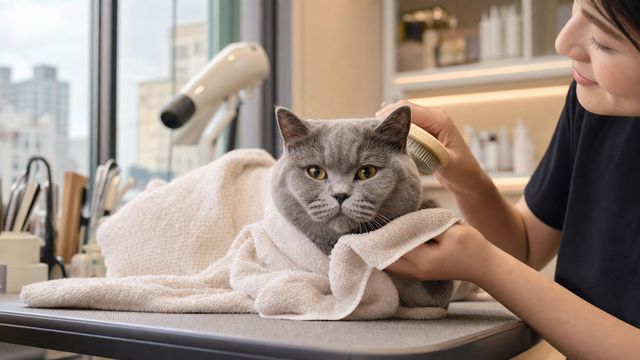
- Step 1 (Minor Mats): For small, newly formed, loose mats, gently tease them apart with your fingers. Then, using a pet-specific slicker brush or a comb, start from the ends of the fur and gently work your way up, disentangling the mat bit by bit.
- Step 2 (Severe Mats): If the mat has become like a hard felt, do not use scissors! A cat's skin is very elastic, and scissors can easily cut into flesh! The safest method is to use a pet-safe electric clipper, holding it parallel to the skin and carefully shaving off the entire mat.
- Step 3 (Large Areas or Close to Skin): If the mat is extensive or tightly adhered to the skin, or if the skin underneath is red and swollen, do not attempt to handle it yourself! Seek immediate assistance from a professional groomer or veterinarian. They have the specialized tools and techniques to handle it safely.
Prevention is Better Than Cure: A Comprehensive "Internal & External" Strategy to Say Goodbye to Mats
To ensure your cat is forever free from matting issues, you need a dual approach of "internal conditioning" and "external care."
#### Part 1: Internal Conditioning — Eat Your Way to Healthy Fur
Healthy fur starts with quality nutrition. Instead of worrying about extra supplements, upgrade their main diet!
- Dietary Recommendation: CatGarden | Luxury Functional Cans are made with deep-sea fish rich in Omega-3 and high-quality protein. They nourish the skin from within, promoting strong, lustrous fur, making them the simplest and most effective way to build a foundation for beautiful coats.
#### Part 2: External Care — Diligent Grooming and Proper Washing
- Daily Grooming: Make it a habit to spend 5-10 minutes daily brushing your cat. Promptly removing loose fur is the most fundamental way to prevent mats.
- Proper Washing: Bathe only when necessary (usually once every 1-2 months for long-haired cats). Choosing the right shampoo can make fur smoother and less prone to tangling. CatGarden | Cat Herbal Shampoo uses a gentle amino acid formula that doesn't harm the skin's lipid layer and enhances hair moisture. Post-wash, fur is fluffy and smooth, significantly reducing static and the likelihood of matting.
Cat Grooming Key Takeaways
Fur matting is never just an aesthetic issue; it's a health concern that impacts a cat's comfort and well-being. Through daily grooming, balanced nutrition, and proper washing, you can easily prevent mats from forming. Start today and transform your feline friend into a "cat supermodel" with a smooth, radiant coat!
Cat Grooming Arrangement Suggestions
If the situations described in this article are affecting your cat's fur, skin, nails, or general hygiene, you can first check out CatGarden Cat Grooming Services and then arrange for bathing, trimming, or nail clipping based on your cat's age, coat condition, and stress levels.
Frequently Asked Questions
How often does a cat need grooming or bathing?
Most healthy indoor cats don't need frequent baths. However, if they have matted fur, oily coat, odor, excessive shedding, or skin cleanliness needs, grooming can be scheduled based on their coat condition.
Can cats that are afraid of water or easily stressed be groomed?
Yes, but the process needs to be adjusted based on the cat's personality, age, and health. For anxious cats, it's recommended to choose a grooming environment familiar with feline behavior and avoid excessive force.
What should owners pay attention to before cat grooming?
Before grooming, inform the groomer if your cat is afraid of blow dryers, has a history of skin conditions, has recently been on medication, or is feeling unwell. This ensures a safer grooming process.
References
CatGarden | Banqiao Villa-style Cat-Only Hotel, offering boarding and grooming services.
Further Reading
- How to Trim Cat Nails? Tools, Steps, Calming Techniques, and Handling Bleeding
- What to Do About Cat Bad Breath? Brushing Training, Gum Disease Warnings, and Oral Care
- What to Do About Cat Hairballs? Causes, Prevention, and Digestive Warnings
CatGarden offers curated supplies, cat boarding, and grooming
Book services or shop online.