
Blog
Cat Squatting Positions Explained: What "Chicken Sit," "Egyptian Sit," and "Cat Loaf" Reveal About Your Cat's Health and Mood
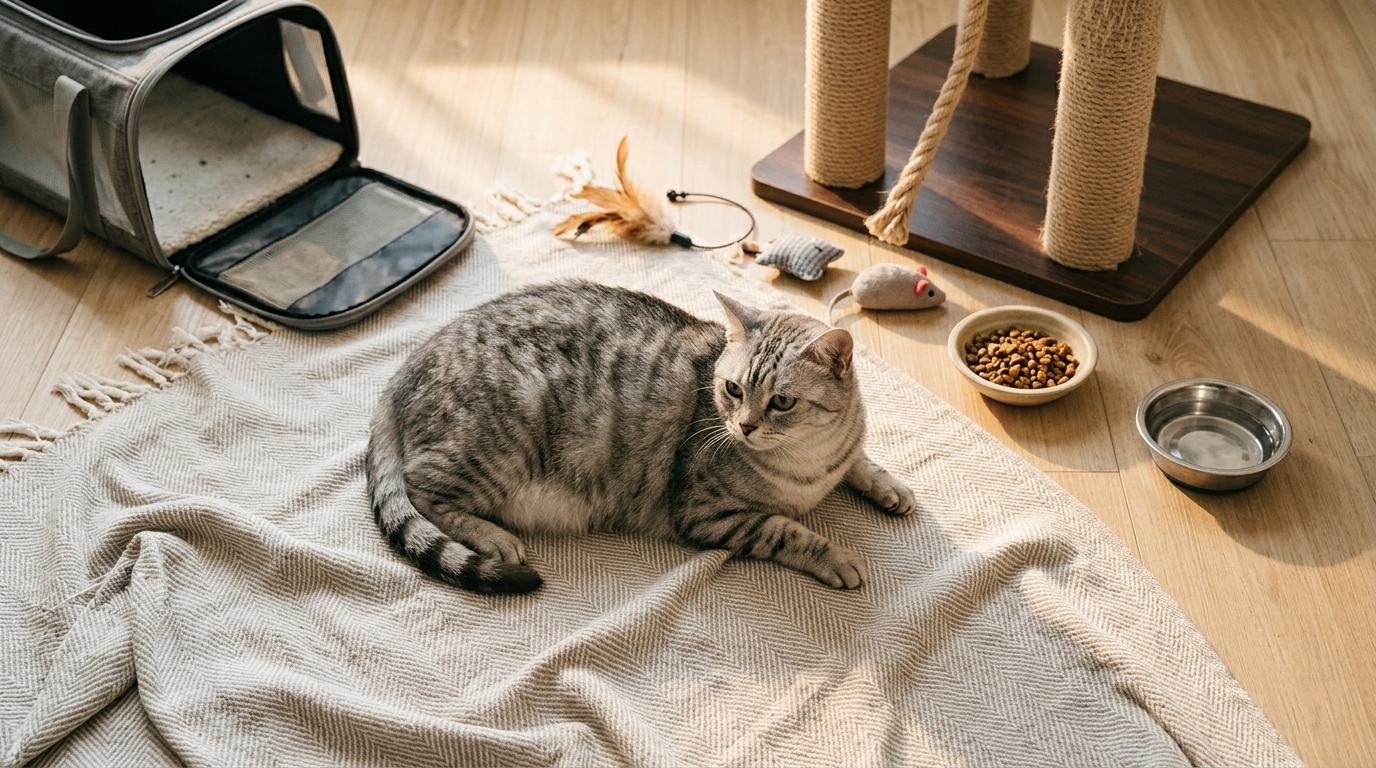
Cat squatting positions can be broadly categorized into four main types: the "chicken sit" (or "cat loaf") indicates relaxation with a hint of alertness, the "Egyptian sit" is the most relaxed observational posture, the half-squat is a "launch-ready" stance for escape or attack, and a tightly curled squat often signals cold or discomfort. In other words, the same "squat" can mean very different things depending on whether the cat's body is fully on the ground, its paws are tucked or exposed, and its muscles are tense or relaxed.
After observing thousands of cats in our boarding facility, we've found that by learning to read three key details of a cat's squat – how close its body is to the ground, whether its paws are tucked in, and its muscle tension – you can quickly assess its mood and physical state, often more accurately than by looking at its facial expression.
Key Takeaways
- Judge a cat's squat by three factors: how close its body is to the ground, whether its front paws are tucked in, and the relaxation of its hind leg muscles.
- A standard "chicken sit" (all four paws tucked under, chin slightly tucked) signifies contentment and readiness, not discomfort.
- Only if the "chicken sit" is accompanied by raised shoulders, squinting eyes, prolonged immobility for hours, and decreased appetite should you be concerned about pain or fever.
- The "Egyptian sit" (front legs extended, upper body upright) is one of the most relaxed and focused observational postures for a cat.
- A half-squat with shifted weight and exposed paws, the "launch-ready" stance, indicates alertness and readiness to flee or pounce; avoid forceful interaction during this time.
Why Focus Specifically on "Squatting"?
Many owners conflate a cat's sitting and sleeping postures. However, squatting is actually a transitional state between "sitting" and "lying down" that most accurately reflects a cat's real-time assessment of environmental safety. Cats are both prey and predator; they use their body's proximity to the ground to decide "when to get up."
If you want a more comprehensive understanding of different sitting and sleeping positions, you can also read our Complete Guide to Cat Sitting Positions. This article, however, focuses specifically on dissecting the "squat" action in more detail.
Cat Squatting Positions: A Comparative Guide to Four Stances
1. The Chicken Sit (Cat Loaf)
This is the most classic and frequently searched posture, often leading to questions like "Is my cat uncomfortable when it does the chicken sit?" In this position, a cat tucks all four paws completely beneath its body, resembling a loaf of bread or a rice ball, with its front paws hidden from view.
- Relaxed Chicken Sit: Muscles are soft, chin is slightly tucked or level, eyes are half-closed, and breathing is calm. This indicates the cat feels secure in its environment but isn't relaxed enough to roll over and sleep; it's a state of "content readiness."
- Observational Readiness: Ears may twitch slightly, and eyes are open as the cat monitors its surroundings, ready to spring up at any moment.
So, the answer is clear: The chicken sit itself does not indicate illness; in fact, it's usually a sign of relaxation. When we see a new cat in our boarding facility adopt the chicken sit, it typically means they are beginning to adapt to the environment. For a deeper dive, read our full interpretation in Is Your Cat's Chicken Sit Comfortable or Sick?.
2. The Egyptian Sit (Lion Pose)
With front legs extended straight out, upper body upright, and hind legs tucked to the sides, this posture resembles the ancient Egyptian cat statues found in museums. It's one of the most relaxed yet focused positions for a cat: they have no immediate intention of moving, but their eyes and ears are actively observing you and their surroundings.
In our facility, cats that sit in the Egyptian pose by the door, watching us move around, are usually bolder and feel more secure with people.
3. The Half-Squat Launch Stance (Alert Squat)
This is the posture that requires the most attention. Its characteristics include:
- The body is not fully on the ground; weight is shifted to the hind legs.
- Front paws are exposed and gripping the surface.
- The tail may be low or flicking rapidly, and pupils may be dilated.
This indicates the cat is highly alert and ready to flee or pounce at any moment. Do not attempt to reach out and pet them forcefully during this time, as it can lead to bites or scratches. If your cat frequently exhibits this posture before a sudden burst of energy, consider reading Why Do Cats Suddenly Attack Their Owners? to understand potential triggers.
4. The Tense, Curled Squat (Sign of Discomfort)
This squat can be easily confused with the relaxed chicken sit, but the difference lies in muscle tension and subtle details:
- Shoulders are raised, and the back may be slightly arched.
- Eyes are narrowed into slits, not in a relaxed way, but in a way that suggests "enduring."
- Fur might be slightly puffed out, and the cat may be tucked in a corner or hiding.
- The cat maintains this posture for an extended period and is reluctant to move.
This posture is commonly seen in cats experiencing fever, pain, nausea, or feeling cold. In our boarding facility, if we observe a cat in a tense squat for a prolonged period near the litter box or in a corner, we immediately take its temperature and monitor its eating and elimination habits.
Health Warnings Revealed by Squatting: When Should You Worry?
The posture itself is neutral; the key is to observe it in conjunction with other indicators. The following situations suggest that the squat is more than just a sign of relaxation:
- Prolonged squatting near the water bowl or litter box without moving: This could indicate urinary issues or discomfort when trying to drink. Early signs of kidney problems in cats often manifest this way. Refer to Why Do Cats Get Kidney Disease?.
- Appearing noticeably hunched or flinching when the abdomen is touched while in a chicken sit: This may suggest abdominal pain or gastrointestinal upset. If accompanied by soft stools, consult What to Do About Cat Diarrhea.
- Squatting with rapid breathing, open-mouthed panting, or hot ears: This is a warning sign of fever or heatstroke. First, confirm by Measuring Your Cat's Body Temperature at Home, and compare with What is a Normal Body Temperature for a Cat?.
Please note: The above are preliminary observations. If your cat maintains a tense squat for more than half a day, accompanied by decreased appetite, vomiting, or lethargy, seek veterinary attention immediately. Do not delay treatment or rely on home remedies.
Emotional Signals: Your Cat is "Talking" Through Its Squat
Beyond health, a cat's squat also acts as an emotional thermometer.
- Chicken sitting near your feet: This signifies trust and a desire for closeness while maintaining a comfortable distance. This logic is similar to the trust indicated by sleeping positions; you can read more in What Your Cat's Sleeping Position and Location Mean.
- Squatting in a cardboard box or elevated perch: This usually stems from a need for security and a vantage point for observation, aligning with the instinct behind Why Cats Love Boxes and Hiding.
- Kneading while squatting: This tends to be a sign of affection and contentment. Read more about Why Cats Knead and Tread.
How to Arrange Your Environment to Encourage "Relaxed Squats"
To encourage more relaxed chicken sits and Egyptian sits, creating a sense of environmental security is key:
1. Provide high perches and hiding spots: Cat trees, cardboard boxes, and semi-enclosed beds allow cats to observe while having a retreat.
2. Keep the litter box clean and odor-free: Cats are sensitive to environmental smells; a dirty litter box can cause anxiety. Refer to How Often Should You Change Cat Litter?. We use Odor Control Mineral Litter 3.0 in our facility to manage odors.
3. Maintain a comfortable temperature: Cats that are cold will curl up tightly, while those that are too hot will sprawl out to cool down. Maintaining a suitable temperature will help them feel secure enough to chicken sit.
If you're going away and are concerned about your cat remaining tense and squatting for extended periods in an unfamiliar environment, consider professional pet sitting. When you book boarding, we also make special notes of each cat's squatting behavior changes as a reference for their adaptation.
Frequently Asked Questions
Does a cat's chicken sit always mean it's uncomfortable?
Not necessarily. A relaxed chicken sit involves soft muscles and calm breathing, indicating contentment. Only if accompanied by raised shoulders, hunched posture, prolonged immobility, and decreased appetite should you be concerned about pain or fever.
What does a cat's squatting position mean?
It primarily reflects its sense of environmental security and physical condition. A fully grounded squat with tucked paws indicates relaxation, while shifted weight and exposed paws signal alertness. A tense, curled squat may indicate discomfort.
Is it normal for a cat to constantly squat by the litter box or water bowl?
Brief stops are usually fine, but prolonged squatting without moving, or frequent trips to the litter box without producing waste, could indicate urinary or gastrointestinal issues. It's advisable to seek veterinary examination promptly.
Which is more relaxed, the Egyptian sit or the chicken sit?
Both are considered relaxed. The Egyptian sit involves extended front legs and a more focused observation of the environment, while the chicken sit is a tucked-in, ready-to-go posture. The difference is that the Egyptian sit is more about "being awake and watching the world," whereas the chicken sit is closer to a transitional state before resting.
How can I tell if my cat is squatting comfortably or enduring pain?
Focus on muscle tension and details: a comfortable squat is relaxed with soft muscles and a gentle gaze; a painful squat may involve an arched back, tense squinting eyes, avoidance when the abdomen is touched, and prolonged immobility. If in doubt, take its temperature and monitor appetite and elimination.
---
*This article was written by the CatBackyard editorial team. The content is based on general care experience and should not replace veterinary diagnosis. If your cat exhibits persistent abnormal behavior, please seek veterinary attention promptly.*
每月一封,精選養貓照護、住宿美容小知識與新品,不塞爆你的信箱。
Keep reading
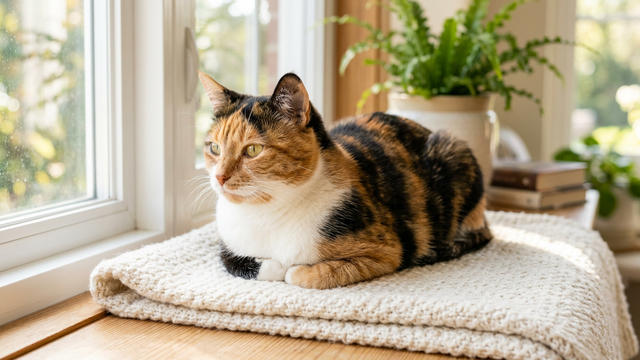
Decoding Cat Sitting Postures: From Loafing to Egyptian Sits, Understand Your Cat's Health Signals
Your cat's sitting and squatting postures reveal their emotions and physical condition: a relaxed cat might sleep sprawled out, while a wary or uncomfortable one may adopt a "loaf" position. This article decodes common cat postures and their associated health signals.
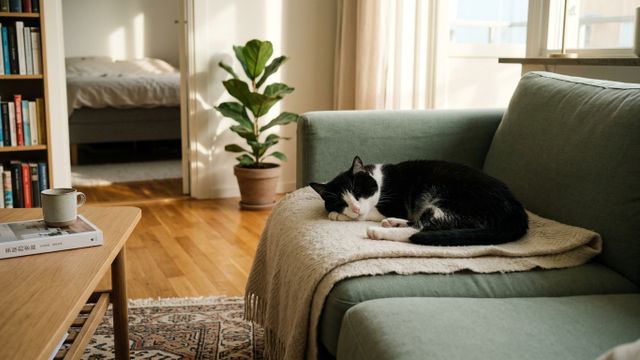
Cat Loafing: Comfortable or Sick? A Complete Guide to Cat Sitting and Sleeping Postures
Cat loafing is usually a sign of comfort and relaxation, but if your cat is unusually tense, has a vacant stare, and is unresponsive, it might indicate illness. This article will guide you in distinguishing between the two.
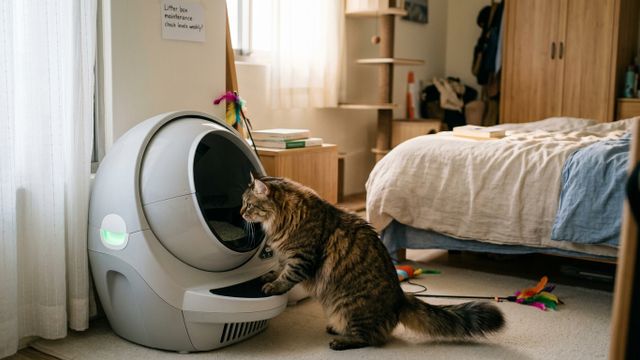
Automatic Litter Box Recommendations: How to Choose, Pros & Cons, Safety, and Cleaning Essentials
Automatic litter boxes are ideal for multi-cat households, people who sit for long periods, and those wanting to reduce odor. However, use caution with kittens, underweight cats, or extremely timid felines. Key selection factors include safety sensors, opening size, and ease of cleaning.