
Blog
Cat Litter Box Odor Problems: Causes, Deodorizing Methods, and Summer Cleaning Frequency Explained
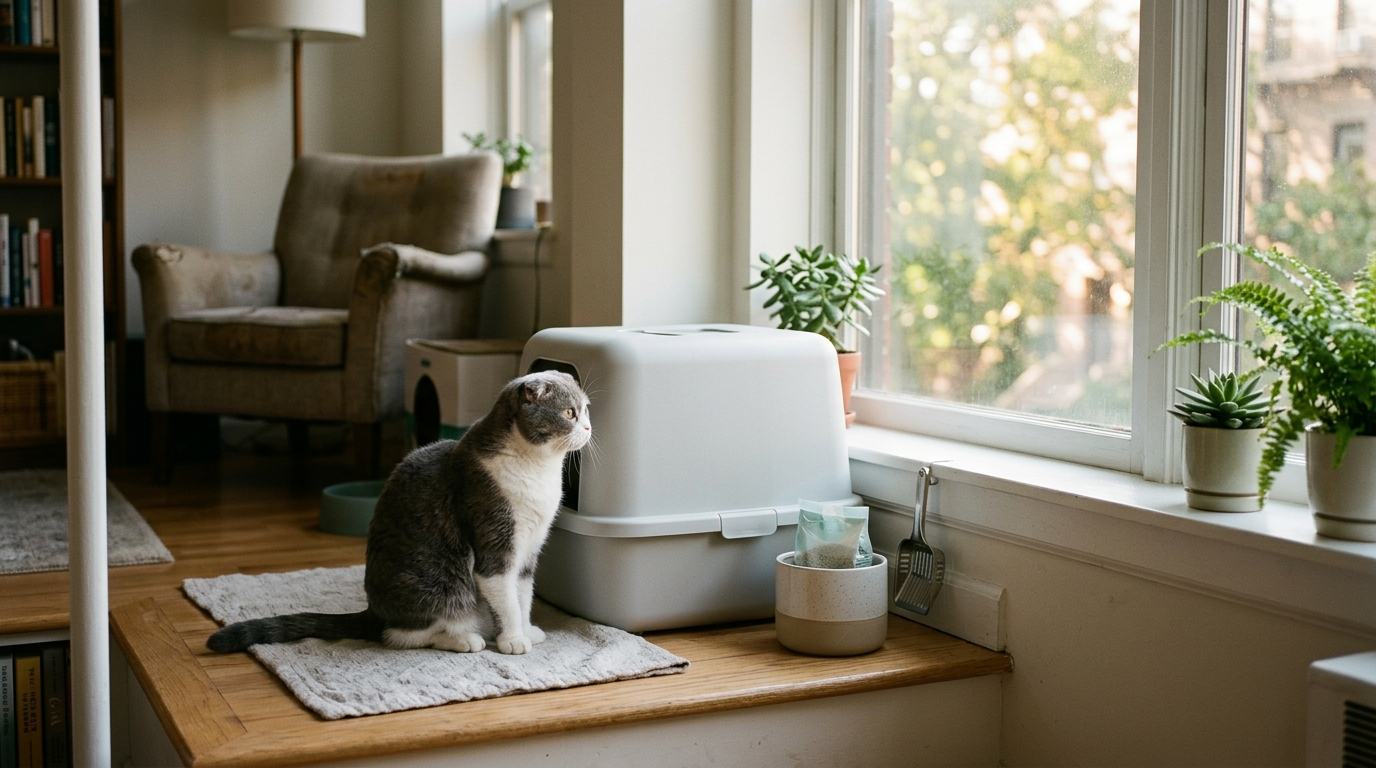
Cat litter boxes stink, and eight times out of ten, it's not the cat's fault, but rather "urea in the urine being decomposed by bacteria into ammonia" that's the culprit. High summer temperatures double this decomposition speed, naturally causing a surge in odor. To solve the smell problem in your cat's "dressing room" (고양이 화장실 냄새), there are only three core things to focus on: shorten cleaning intervals, choose a cat litter with strong absorption, and ensure good ventilation to dissipate gases. It's not about desperately spraying air fresheners to cover the smell.
At our facility, we care for over a dozen boarding cats simultaneously, and litter box management is a daily, intensive task. This article will clearly explain the causes, practical deodorizing methods, and how often to change the litter in the summer, based on our frontline experience.
Key Takeaways
- The main source of cat litter box odor is urea in urine being decomposed by bacteria into "ammonia." Fecal odor comes from intestinal fermentation, with different causes and treatment methods.
- As the ambient temperature rises in summer, bacterial decomposition speeds up. The odor generation rate of the same litter box in a 30°C environment can be more than double that of a 20°C environment.
- For clumping litter in summer, it's recommended to scoop waste twice daily and perform a full litter change every 2-3 weeks, about half the frequency of winter.
- The priority for odor control is "frequent scooping > choosing the right litter > ventilation > washing the litter box." Air fresheners and scents only mask the odor and don't address the root cause.
- The recommended number of litter boxes is "number of cats + 1." Insufficient boxes can lead to excessive load on individual boxes and concentrated odor.
Why Does a Cat Litter Box Smell? Understand the Cause of Odor First
Many owners assume "cat poop smells normal," but litter box odors actually come from two main sources. Confusing them leads to incorrect methods.
Urine Odor (Ammonia): The Main Culprit
Fresh cat urine doesn't have a strong smell. The real stench comes from urea being decomposed by bacteria into ammonia after excretion. That pungent, eye-stinging smell is ammonia gas. The longer it sits, and the higher the temperature, the more active the bacteria become, and the stronger the ammonia becomes.
This is why if clumping litter isn't scooped promptly, or the wet litter at the bottom isn't cleaned, the entire box becomes increasingly pungent. It's not that the litter isn't fragrant enough, but that ammonia is constantly being generated.
Fecal Odor: A Signal of Intestinal Health
Fecal odor comes from intestinal bacterial fermentation. If your cat's recent stool is abnormally smelly, soft, or contains mucus, it might not just be a litter box issue, but a sign of gastrointestinal problems. In this case, rather than constantly trying to deodorize, it's better to observe the stool itself. You can refer to What to Do If Your Cat Has Diarrhea? Causes of Soft Stool, Diarrhea Color Interpretation, and When to See a Vet. If there's blood in the stool, don't take it lightly; first, read What Does Blood in Cat Stool Mean? Color Interpretation, Causes, and When to See a Vet.
Residue in the Litter Box Itself
Plastic litter boxes can absorb urine scale over time, especially in the corners and at the bottom. Even with daily scooping, residue within the plastic pores can still cause odor. This is a hidden reason why many people say, "I clean it every day, but it still smells."
Why Does It Smell Worse in Summer? High Temperatures Accelerate Odor
This is the seasonal aspect we most want to emphasize. The same litter box and the same cat might only start smelling after three days in winter, but could become pungent within half a day in summer. The reason is simple:
- Bacterial decomposition speed increases with temperature: The chemical reaction of urine decomposing into ammonia significantly speeds up at high temperatures.
- Cats drink more water in summer, increasing urine volume: To dissipate heat and for metabolism, cats drink more water in hot weather (and they should). Increased urine volume puts more strain on the litter box. If you want to encourage more drinking, consider How to Choose a Cat Water Fountain? Styles, Materials, and Cleaning Tips for Encouraging Hydration.
- Stuffy, poorly ventilated enclosed spaces: In summer, when air conditioners are on and windows are closed, litter box odors have nowhere to go, filling the entire room with ammonia.
As a reminder, cats themselves are sensitive to heat in the summer. If the litter box is placed in a stuffy corner, the cat might hold its urine or reduce toilet use due to discomfort, which is not good for the urinary tract. For more on cooling down, read Do Cats Feel Hot? Cat Heat Tolerance, Cooling Methods, and Essential Heatstroke Warnings for Summer.
The Correct Way to Deodorize a Cat Litter Box (Follow This Order)
Deodorizing isn't a one-time fix; it's a system. Here's our priority order at the facility:
1. Frequent Scooping of Waste and Urine Clumps (Maximum Effect)
No matter how expensive the cat litter, it can't replace "diligence." The longer urine clumps and feces remain in the litter box, the stronger the ammonia smell. In summer, we recommend scooping at least twice a day, once in the morning and once in the evening. For multi-cat households or very hot days, three times might be necessary. This is the most cost-effective deodorizing action.
2. Choose Cat Litter with Strong Absorption and Clumping Ability
Good cat litter should be able to quickly lock in urine, form tight clumps, and resist crumbling. This way, ammonia is contained and scooped away before it can generate in large quantities. Mineral litters typically have better absorption and clumping power. For example, our commonly used Odor Control Mineral Litter 3.0 is designed for high clumping and low dust. Families who prefer eco-friendly and flushable options can consider Ultra-Fine Tofu Litter 3.0. However, tofu litter requires more frequent changes in extremely hot and humid conditions to prevent moisture absorption and fermentation.
We have written a more detailed guide on how often to change the entire litter and the differences between clumping and full changes: How Often to Change Cat Litter? Clumping Litter, Full Changes, and Summer Deodorizing Cleaning Frequency Explained.
3. Enhance Ventilation to Dissipate Ammonia Gas
Ammonia gas is lighter than air and rises. Placing the litter box in a well-ventilated, non-stuffy location and using a circulation fan or exhaust fan when the air conditioner is on in summer can significantly reduce odor buildup. Avoid placing the litter box in enclosed cabinets or small bathroom corners.
4. Regularly and Thoroughly Wash the Litter Box Itself
Each time you do a full litter change, scrub the litter box with warm water and a mild detergent, and let it dry completely to remove urine scale from the plastic pores. Do not use bleach or strong fragranced detergents, as residual odors can make cats dislike the litter box and even urinate inappropriately. When a litter box becomes heavily scratched and worn over time, and deodorizing methods are no longer effective, it's time to replace it.
5. Don't Rely on Air Fresheners to Mask Odor
This is crucial: fragrances, deodorizing sprays, and scented cat litters only "mask" the odor; they do not break down ammonia. Moreover, cats' sense of smell is much more sensitive than humans', and strong scents can make them reluctant to use the litter box. If you need auxiliary measures, use unscented activated charcoal or baking soda-based deodorizers placed nearby.
How Often to Change Cat Litter in Summer? Cleaning Frequency Recommendations
This is the most frequently asked question: "How often to change cat litter in summer?" Here are our practical recommendations (for clumping mineral litter, single cat):
- Scoop waste/urine clumps: 2-3 times daily in summer; 1-2 times daily in winter.
- Add litter: Maintain a litter depth of about 5-7 cm. Add litter as needed after scooping.
- Full litter change: Once every 2-3 weeks in summer; can be extended to 3-4 weeks in winter.
- Scrub litter box: Do this during each full litter change.
For multi-cat households, adjust accordingly: the number of litter boxes should ideally be "number of cats + 1." Insufficient boxes lead to overuse of individual boxes, concentrated odor, and difficulty in cleaning. For guidance on choosing the size, style, and placement of litter boxes, we recommend reading the full article: How to Choose a Cat Litter Box? Size, Style, and Placement Explained.
If you frequently travel or are busy with work and worry about the litter box smelling up the house, automatic self-cleaning litter boxes can reduce the burden. However, pay attention to safety features and cleaning dead spots. You can refer to How to Choose a Cat Litter Box Recommendation? Pros and Cons of Automatic Litter Boxes, Safety, and Cleaning Tips.
If the Odor is Particularly Strong and the Cat's Behavior Changes? It Might Be More Than Just the Litter Box
Some "odors" are actually warning signs of health issues, so don't just focus on deodorizing:
- Urine odor suddenly becomes extremely strong, and the cat frequently enters and exits the litter box but urinates very little: This could indicate urinary tract problems or stones. Inability to urinate in male cats is an emergency and requires immediate veterinary attention.
- Noticeably increased urine volume and weight loss: Be aware of potential kidney problems. Read more about Why Do Cats Get Kidney Disease? Early Signs, Dietary Prevention, and the Importance of Hydration.
- Abnormally smelly stool, soft stool with blood: This could be due to gastrointestinal or dietary issues.
These conditions cannot be resolved by simply changing litter or deodorizing. If symptoms persist or worsen, seek veterinary care promptly. The odor from the litter box is sometimes the first signal your cat's body is sending you.
What About the Litter Box When You're Away?
During peak summer travel season, many owners ask: "If I'm away for a few days, will the litter box smell terrible, and will my cat refuse to use it?" If no one is there to scoop the litter, the summer heat will quickly cause ammonia to build up, and the cat might hold its urine because the box is dirty. If you'll be away for more than two days, a cat hotel that provides daily litter box cleaning will offer greater peace of mind. You can first check out How to Choose Cat Boarding in Banqiao? Summer Holiday Boarding Fees, Environment, and Preparation Guide, or directly Book a Stay and let us take care of your cat.
Frequently Asked Questions
My cat litter box always smells bad, is it because the litter is too cheap?
Not necessarily. The biggest sources of odor are "insufficient scooping frequency" and "not changing the litter often enough," especially in summer. First, increase your cleaning frequency, then consider switching to a litter with better clumping ability.
How often is it best to change cat litter in summer?
For a single cat using clumping mineral litter, it's recommended to scoop waste 2-3 times daily and perform a full litter change and scrub the litter box once every 2-3 weeks. For multi-cat households or very hot days, more frequent changes are necessary.
Can air fresheners or scented cat litter deodorize?
They can only mask the odor and cannot break down ammonia. Furthermore, strong scents might make cats dislike the litter box and urinate inappropriately. It's recommended to use unscented activated charcoal or baking soda as auxiliary measures. The fundamental solution relies on frequent cleaning and ventilation.
Is it normal for cat urine odor to suddenly become very strong?
If accompanied by frequent visits to the litter box, decreased or increased urine volume, or lethargy, it could indicate urinary tract or kidney problems. Inability to urinate in male cats is an emergency and requires prompt veterinary attention.
The litter box still smells even with daily cleaning, what should I do?
Check if the litter box itself has absorbed urine scale or has scratches and residue. During full changes, thoroughly scrub and dry the box with warm water and a mild detergent. If the old box has been used for too long, it's best to replace it. Also, ensure the placement location is well-ventilated.
---
*This article was written by the Cat Garden editorial team. The content is based on general care experience. If your cat exhibits persistent or severe health abnormalities, please consult a veterinarian for diagnosis.*
One email a month: hand-picked cat care tips and new arrivals. No spam.
Keep reading
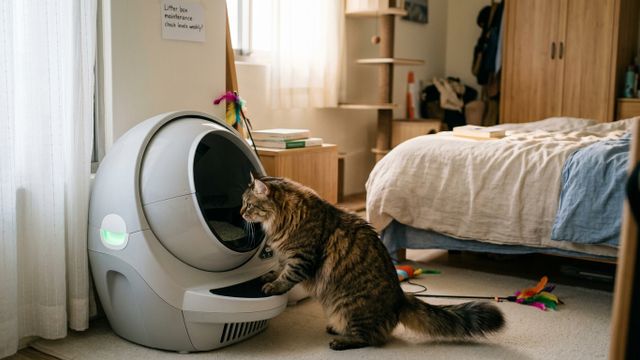
Automatic Litter Box Recommendations: How to Choose, Pros & Cons, Safety, and Cleaning Essentials
Automatic litter boxes are ideal for multi-cat households, people who sit for long periods, and those wanting to reduce odor. However, use caution with kittens, underweight cats, or extremely timid felines. Key selection factors include safety sensors, opening size, and ease of cleaning.
Is it Normal for Cats to Lick Their Paws, and Why Do They Lick Their Front Legs Constantly? Understanding Grooming, Anxiety, and Skin Conditions
Cats licking their paws is usually normal grooming behavior. However, if a cat constantly licks the same front paw, leading to hair loss, redness, or swelling, or if accompanied by behavioral changes, it could signal anxiety, pain, or a skin condition.
Cat Has Bloody Stool But Seems Fine: Is It Normal? Understanding Stool Color, Frequency, and When to Seek Veterinary Care
Your cat has bloody stool but seems energetic, which often indicates minor bleeding in the lower digestive tract. However, you shouldn't be completely at ease. The key lies in the blood's color, frequency, and whether other symptoms are present. This article will guide you on when to observe and when to seek immediate veterinary attention.