Blog
Is It Suitable for Office Workers to Own a Cat? Newbies Should Check Alone Time, Playtime, and Home Setup First
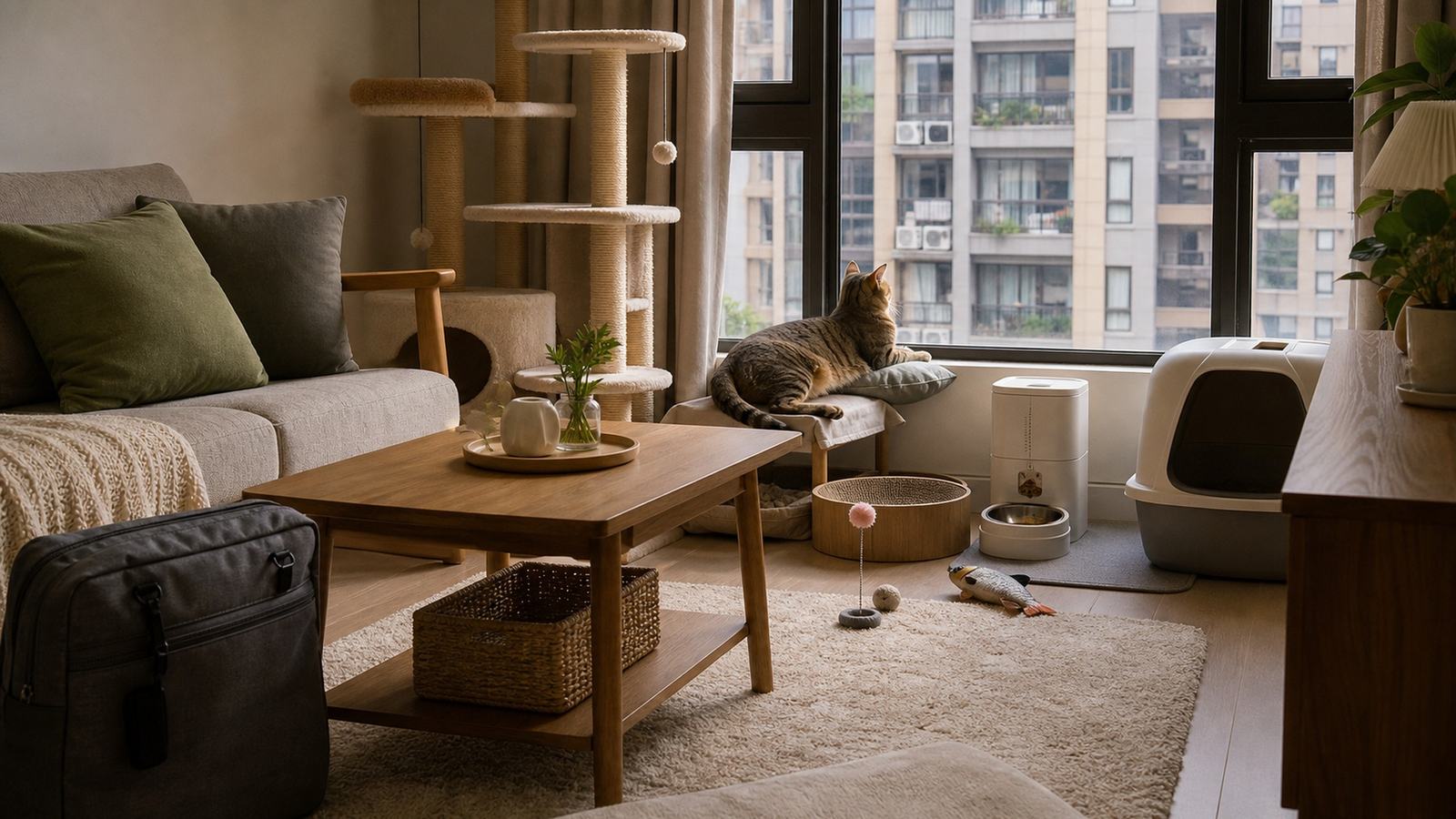
Key Takeaways
- The key to whether office workers are suited to owning a cat isn't how long you're home daily, but whether you can consistently feed, clean the litter box, observe their condition, and schedule playtime.
- Healthy adult cats can usually adapt to 8-10 hours of alone time on workdays, but kittens, cats new to a home, senior cats, or those with chronic illnesses require more intensive care.
- Common signs of stress in cats include inappropriate urination, excessive grooming, decreased appetite, hiding more often, howling at night, or sudden aggression towards hands and feet.
- For playtime after work, it's recommended to schedule 2-3 sessions daily, each lasting about 10-15 minutes, concluding with treats or dinner as the "successful hunt."
- Cat ownership budget includes not only food, litter, and daily supplies but also vaccinations, deworming, check-ups, spaying/neutering, and emergency vet visits. It's best to have an emergency medical fund.
Is It Suitable for Office Workers to Own a Cat? First, Assess How Much Stable Companionship You Can Provide Daily
Many people ask: Is it suitable for office workers to own a cat? The answer isn't a simple yes or no, but rather depends on whether your lifestyle can provide consistent care. Cats can tolerate being alone better than dogs, but this doesn't mean they don't need companionship, interaction, and a regular routine. For office workers, the most important factor in owning a cat isn't how long you're home each day, but whether you can consistently feed them, clean their litter box, observe their condition, and schedule playtime.
If you typically work from around 9 AM to 6 PM, have a manageable commute, and still have the energy to care for a cat after work, you can likely establish a good relationship. Conversely, if you often have to work late unexpectedly or are frequently away on weekends, your cat may lack interaction and a sense of security long-term. Before deciding, new owners can track their own schedule for two consecutive weeks to see if they can consistently set aside 30 to 60 minutes daily for their cat.
Can Cats Be Left Alone at Home During the Day? Assessing Alone Time and Stress Signals
Healthy adult cats can usually be left alone at home during the day, provided the environment is safe, they have sufficient water, a clean litter box, and space to rest and observe. Most cats can adapt to 8-10 hours of alone time on a typical workday. However, kittens, cats new to a home, senior cats, or those with chronic illnesses require more intensive care. When office workers consider getting a cat, they shouldn't just rely on the idea that "cats are independent"; they must also consider the individual cat's personality and health status.
Common signs of stress include inappropriate urination, excessive grooming, decreased appetite, hiding more often, howling at night, or sudden aggression towards hands and feet. Small apartments common in urban areas often have limited space. If a cat lacks vertical climbing structures, window perches for observation, or quiet hiding spots, they are more likely to get bored during the day. If you notice your cat is particularly anxious after you leave, you can use a pet camera to observe them, but the focus shouldn't be on surveillance, but rather on adjusting the environment and routine.
What Supplies and Home Setup Should New Office Worker Cat Owners Prepare?
For new office worker cat owners, the most basic supplies include a litter box, cat litter, main food, food bowl, water bowl or water fountain, carrier, scratching post, sleeping bed, teaser toy, and basic cleaning supplies. It's recommended to place the litter box in a quiet, well-ventilated area that the cat can easily access, away from washing machines, dryers, or high-traffic doorways. In Taiwan's humid and hot summers, litter box odor control and ventilation affect home quality and whether the cat is willing to use the litter box properly.
Before bringing a cat home, conduct a safety check of your living space. This includes securing windows, preventing falls from balconies, tidying up electrical cords, storing cleaning supplies safely, and avoiding plants that are toxic to cats, such as lilies and ivy. If you live in a studio apartment or a small unit, you can use shelves, cat trees, and window platforms to increase vertical space. Office workers don't necessarily need a large house to own a cat, but the cat needs space to eat, drink, use the litter box, sleep, and play, and these areas shouldn't all be crammed into one corner.
How to Make Playtime Effective After Work? Feeding, Hunting Games, and Bedtime Rituals
Playtime after work isn't just about waving a teaser toy around for a bit; it's about simulating a cat's hunting process. You can let the cat chase, stalk, and pounce, then conclude with treats or dinner as the "successful hunt." This type of interaction helps cats expend energy and makes them more likely to settle down at night, reducing nighttime zoomies or nipping at feet.
It's recommended to schedule 2-3 sessions daily, each lasting about 10-15 minutes, which is more practical than one long session. A common issue for office workers owning cats is coming home too tired and just wanting to scroll on their phones. However, the cat has waited all day, and this interaction significantly impacts their sense of security at home. A brief play session before bed, followed by dinner or a snack, can form a consistent ritual, helping the cat understand that the day is winding down.
When Should You Hold Off on Getting a Cat? Checking Risks Related to Overtime, Travel, and Budget
If you are currently in a period of high work pressure, frequently travel unexpectedly, or often return home late several nights a week, it's advisable to hold off on getting a cat for now. Cats need time to adjust, companionship, and observation when they first arrive in a new home. During the initial weeks, they shouldn't be left entirely to explore on their own. If you are very eager to get a cat, it's best to wait until your work rhythm stabilizes or to confirm backup arrangements with family, friends, pet sitters, or cat hotels.
It's also crucial to honestly estimate your budget. Besides main food, litter, and daily supplies, there are costs for vaccinations, deworming, check-ups, spaying/neutering, and emergency vet visits. Vet costs in Taiwan vary greatly depending on the region, examination items, and the cat's condition. New owners should ideally have an emergency medical fund ready. Owning a cat as an office worker isn't just about an extra expense for food; it's a commitment to caring for a family member who will get sick, age, and require you to adjust your life.
FAQ
How much daily companionship does an office worker need to provide for a cat?
It's recommended to schedule at least 30 minutes of effective companionship daily, including feeding, litter box cleaning, observing their physical condition, and interactive play. Splitting this into morning and evening sessions is even better, as it helps cats establish a more stable routine.
Can cats be left alone for 10 hours a day?
Healthy adult cats can generally adapt, but ensure they have access to water, a clean litter box, proper ventilation, and a safe environment. It's not recommended to leave kittens, sick cats, senior cats, or cats new to the home alone for extended periods.
Is a small studio apartment suitable for owning a cat?
Yes, but it's important to utilize vertical space effectively and separate areas for eating, drinking, litter use, and resting. Window and balcony safety measures are also crucial, especially since the window screens in many rental properties in Taiwan may not withstand a cat's impact.
Are kittens or adult cats more suitable for new owners?
Busy office workers are usually better suited for adult cats with stable personalities, as kittens require more frequent feeding, playtime, and careful supervision. If choosing a kitten, ensure you have ample time to help them adapt during the initial period.
What is most commonly underestimated before getting a cat?
The stability of one's schedule and the medical budget are most commonly underestimated. While cats may seem quiet daily, they require you to observe their eating, elimination, energy levels, and behavioral changes every day. These aspects cannot be solely managed by automatic feeders.
Cat Supply Preparation Recommendations
If you have confirmed that your schedule, budget, and home environment can accommodate a cat, the first step for office workers looking to own a cat is to prepare the basic supplies. It's recommended to start with a litter box, cat litter, main food, drinking water setup, carrier, scratching post, and interactive toys. Prioritize safety and practicality first, and then gradually adjust based on your cat's personality. Choosing the right supplies can help new owners avoid many detours and allow the cat to settle into their new home more quickly and comfortably.
Further Reading
- Can You Kiss and Hug Cats? First, Read Their Ears, Tail, and Signals to Avoid
- How to Adjust a Cat's Routine? Newbies Should Start with Feeding, Playtime, and Bedtime Rituals
- New Cat at Home: 7-Day Observation Guide - Eating, Litter Box Use, and Body Language
Frequently Asked Questions
How much daily companionship does an office worker need to provide for a cat?
It's recommended to schedule at least 30 minutes of effective companionship daily, including feeding, litter box cleaning, observing their physical condition, and interactive play. Splitting this into morning and evening sessions is even better, as it helps cats establish a more stable routine.
Can cats be left alone for 10 hours a day?
Healthy adult cats can generally adapt, but ensure they have access to water, a clean litter box, proper ventilation, and a safe environment. It's not recommended to leave kittens, sick cats, senior cats, or cats new to the home alone for extended periods.
Is a small studio apartment suitable for owning a cat?
Yes, but it's important to utilize vertical space effectively and separate areas for eating, drinking, litter use, and resting. Window and balcony safety measures are also crucial, especially since the window screens in many rental properties in Taiwan may not withstand a cat's impact.
Are kittens or adult cats more suitable for new owners?
Busy office workers are usually better suited for adult cats with stable personalities, as kittens require more frequent feeding, playtime, and careful supervision. If choosing a kitten, ensure you have ample time to help them adapt during the initial period.
What is most commonly underestimated before getting a cat?
The stability of one's schedule and the medical budget are most commonly underestimated. While cats may seem quiet daily, they require you to observe their eating, elimination, energy levels, and behavioral changes every day. These aspects cannot be solely managed by automatic feeders.
What we use for this
CatGarden’s own products, shipped from Taiwan


照護、行為、住宿美容的實用小知識,每月精選一封寄給你。訂閱後馬上收到我們最多人看的三篇文章。
Keep reading
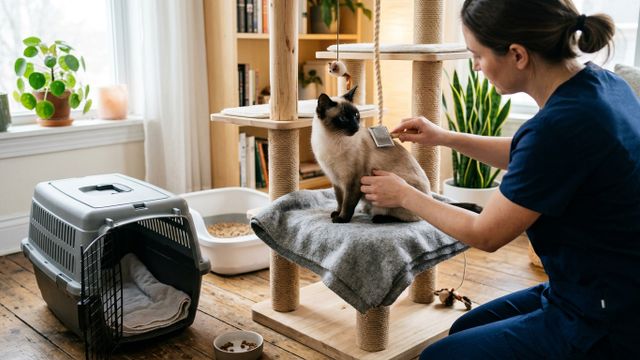
Do Cats Need to Fast Before Grooming? Understanding Feeding, Nail Trimming, and Car Sickness Vomiting Risks on Grooming Day
Cats don't need strict fasting before grooming like they do for surgery. However, avoiding a full meal 2-3 hours before dropping them off can significantly reduce the risk of car sickness and vomiting during bathing and drying. This guide will help you schedule feeding, nail trimming, and travel on grooming day.
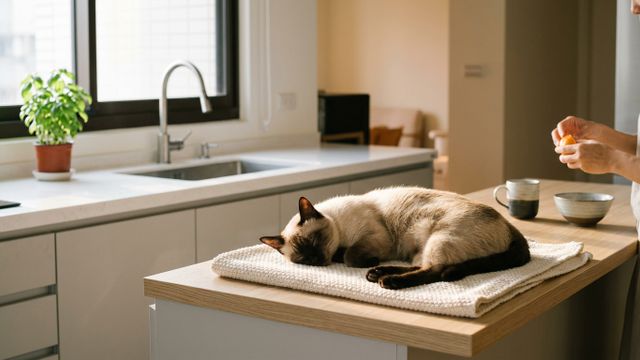
Is Your Cat Sleeping Farther Away From You Because It Dislikes You? Consider Trust, Temperature, and Territory First
If your cat is sleeping farther away from you, it's usually not because it dislikes you, but rather because it's seeking a cooler spot due to the heat or it already feels secure around you. Assess temperature, trust, and territory to understand the reason.
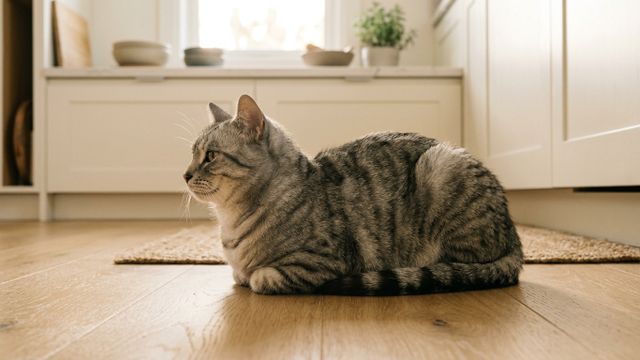
Cat "Mother Hen" Squat vs. Normal Sitting: How to Tell the Difference by Limb Position, Breathing, and Relaxation Level
A cat's "mother hen" squat is usually a sign of relaxation and warmth, so don't panic every time you see it. However, if their limbs are tense, breathing is rapid, and their gaze is vacant, they might be curled up in pain. Learn to distinguish between these states using three key clues: limb position, breathing, and eye expression.
